November 2026
Morocco
Morocco is a feast for the senses — ancient medinas, desert dunes, mountain villages and a coastline that runs from the Mediterranean to the Atlantic. March to May and September to November are lovely times to visit, with warm days and gentler heat for exploring the cities; summer suits the coast around Essaouira and Agadir, while the Sahara and the Atlas Mountains are at their best in the cooler months. Marrakech's Jemaa el-Fnaa and souks, the medieval medina of Fes, the blue-washed lanes of Chefchaouen, the dunes of Merzouga and the kasbahs along the Atlas foothills each show a different face of the country. Moroccan culture is warm and hospitable, shaped by Arab, Amazigh (Berber), African and European influences, and mint tea poured high into the glass is the signature welcome. The country is predominantly Muslim, and the call to prayer sets the rhythm of the day; dress modestly, especially in rural areas and religious places, and note that most mosques are open to Muslims only — the Hassan II Mosque in Casablanca is a famous exception that welcomes visitors on guided tours. During Ramadan, days are quieter and evenings festive. A friendly greeting, a little patience in the souk and respect for local customs make a Moroccan journey unforgettable.



Photographs
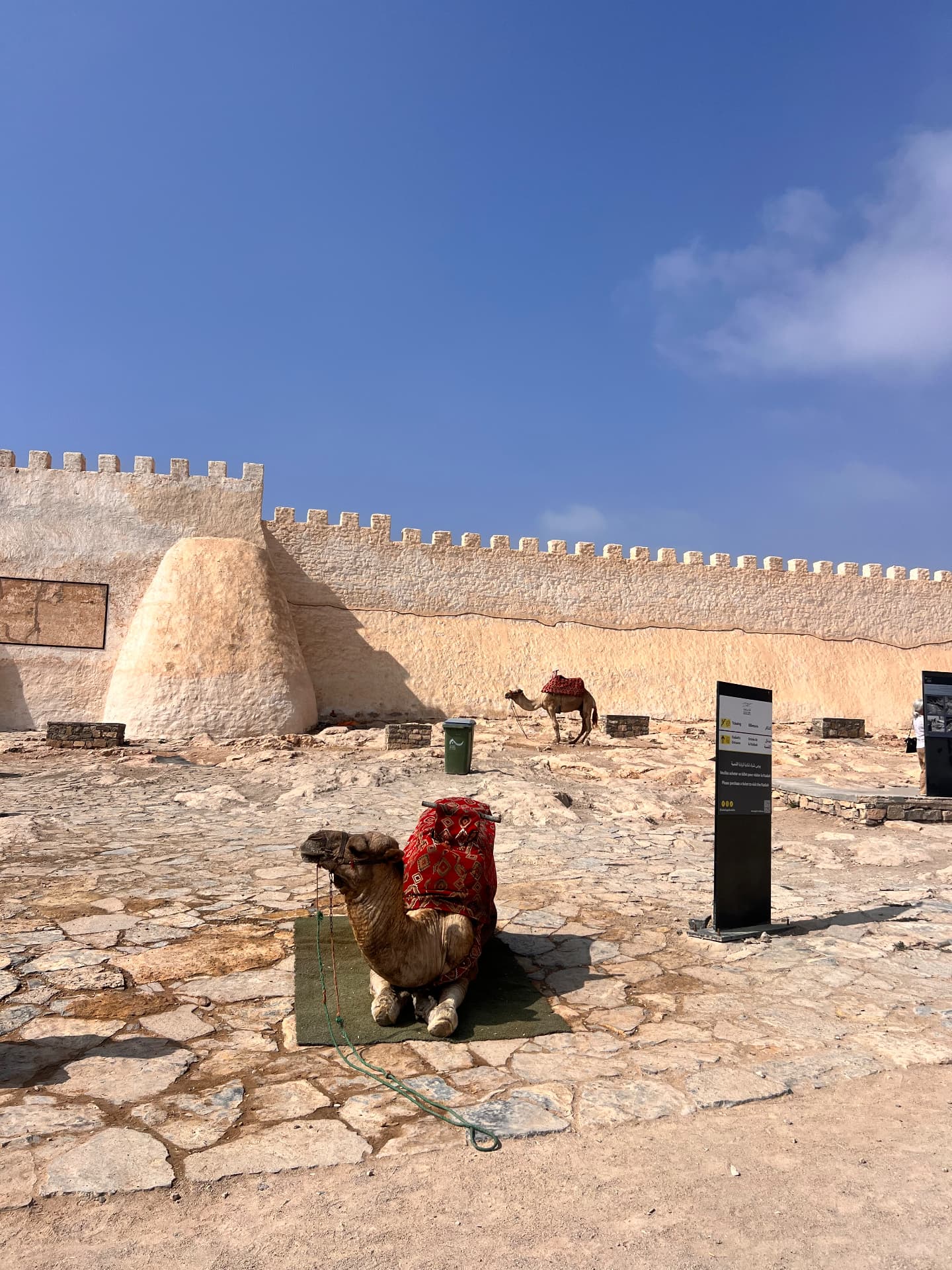
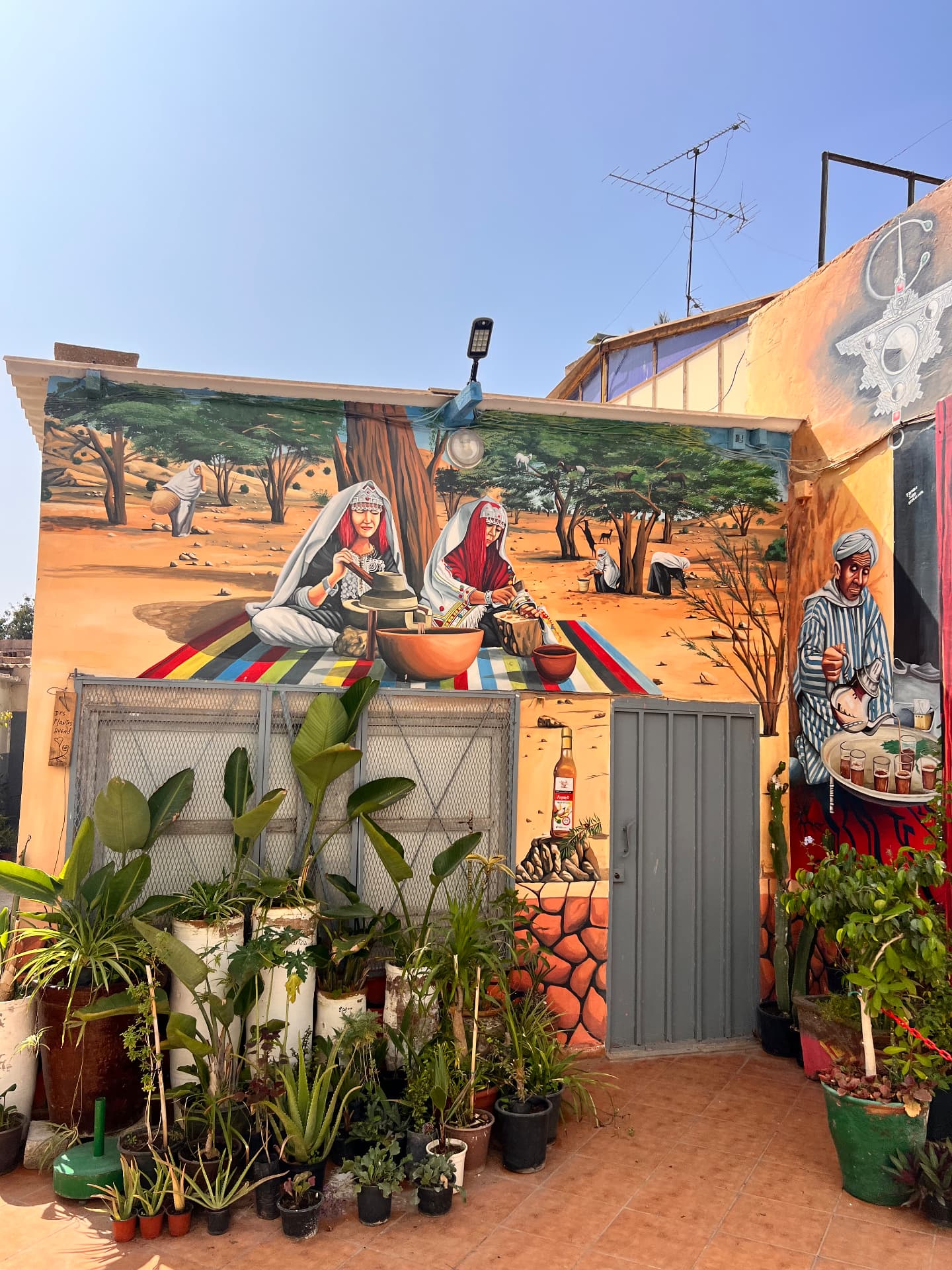
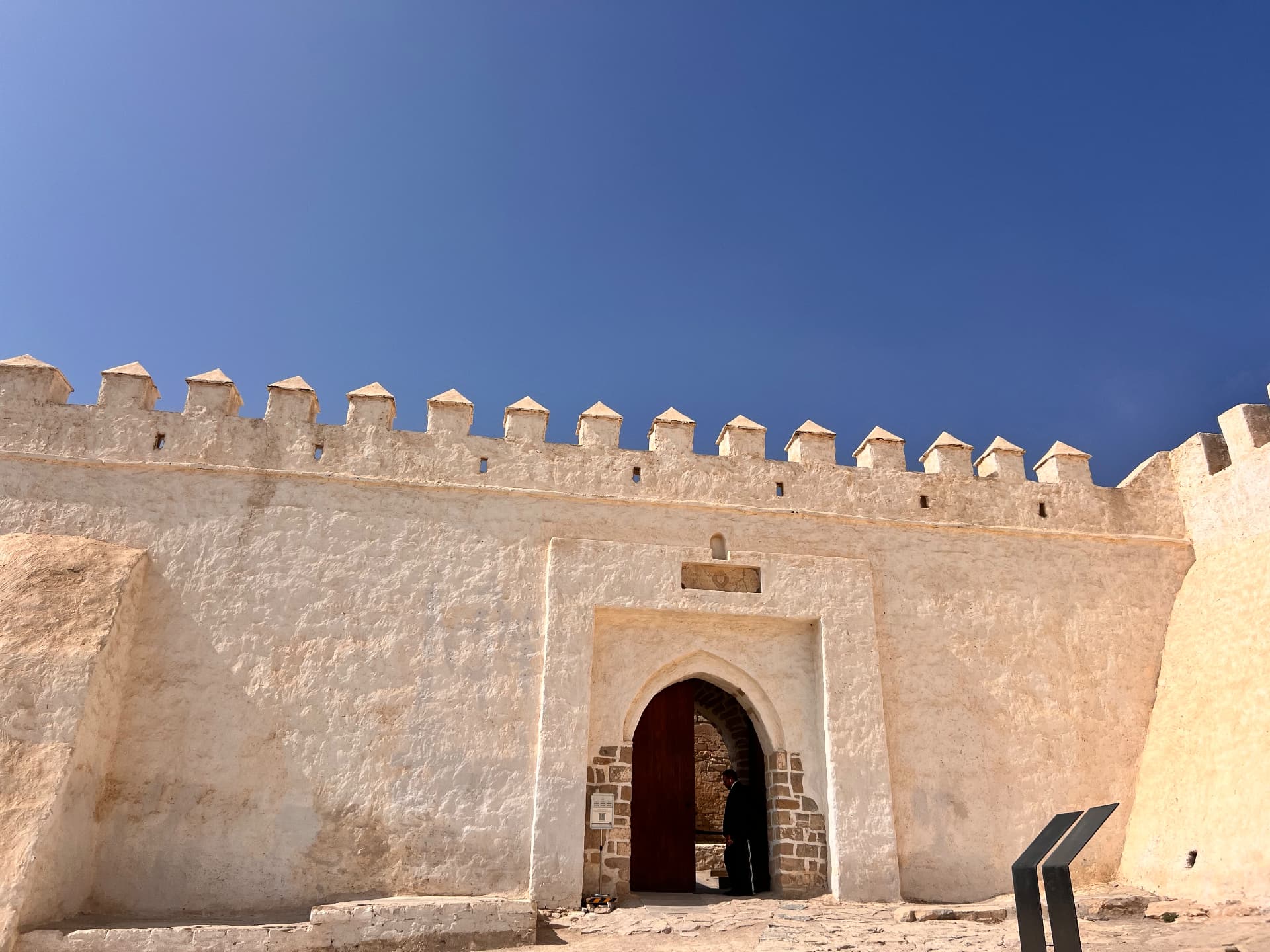
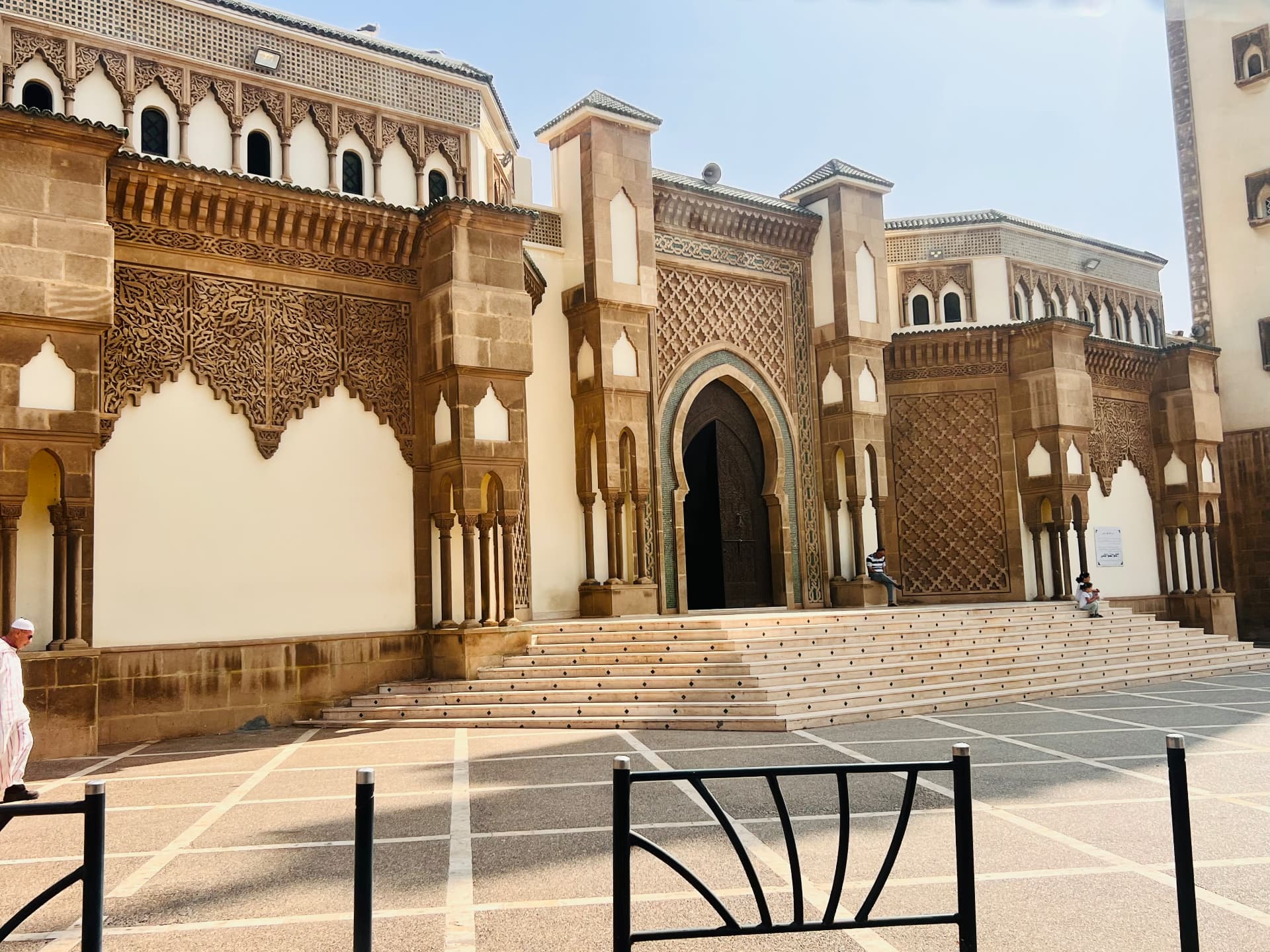
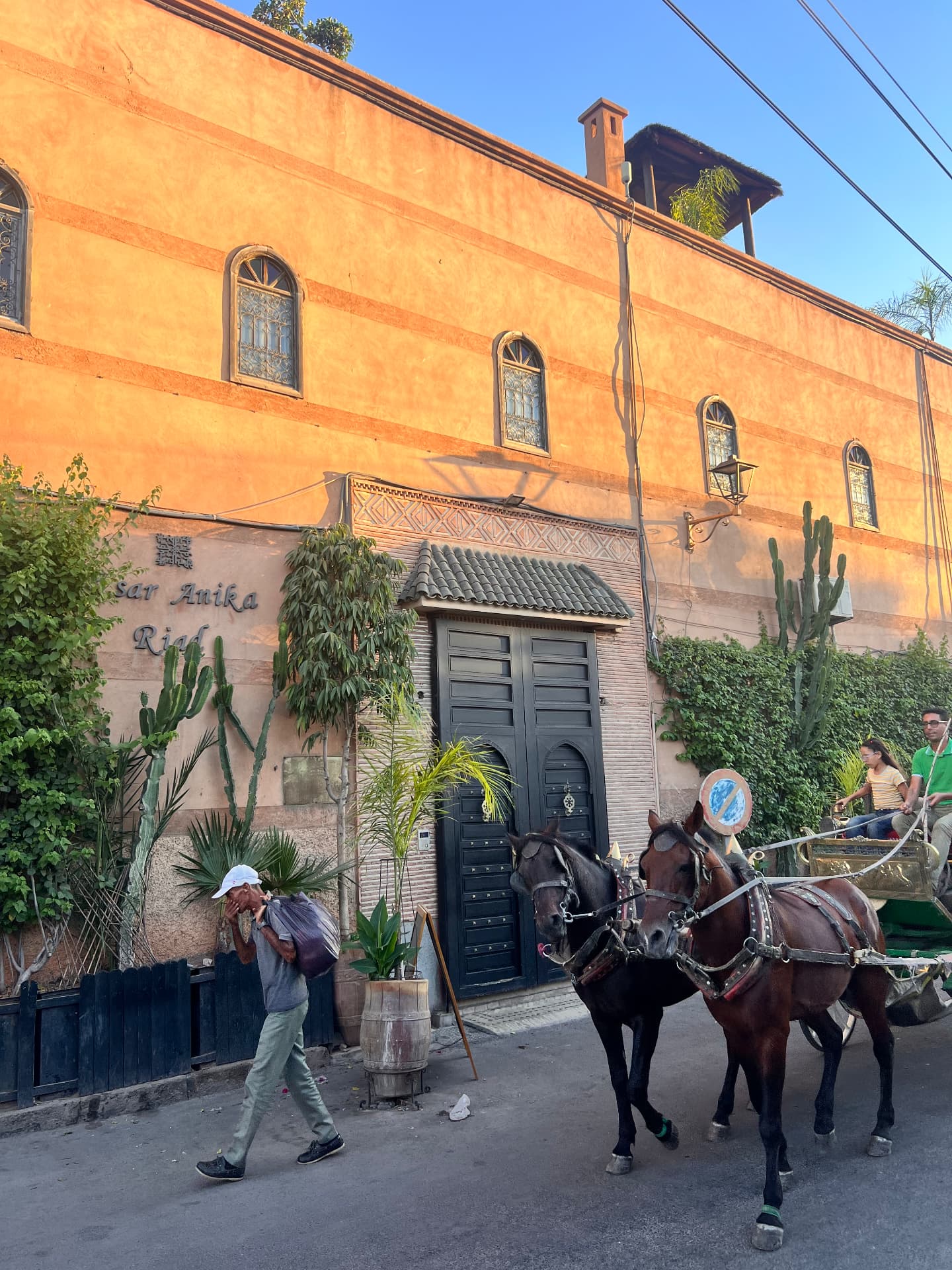
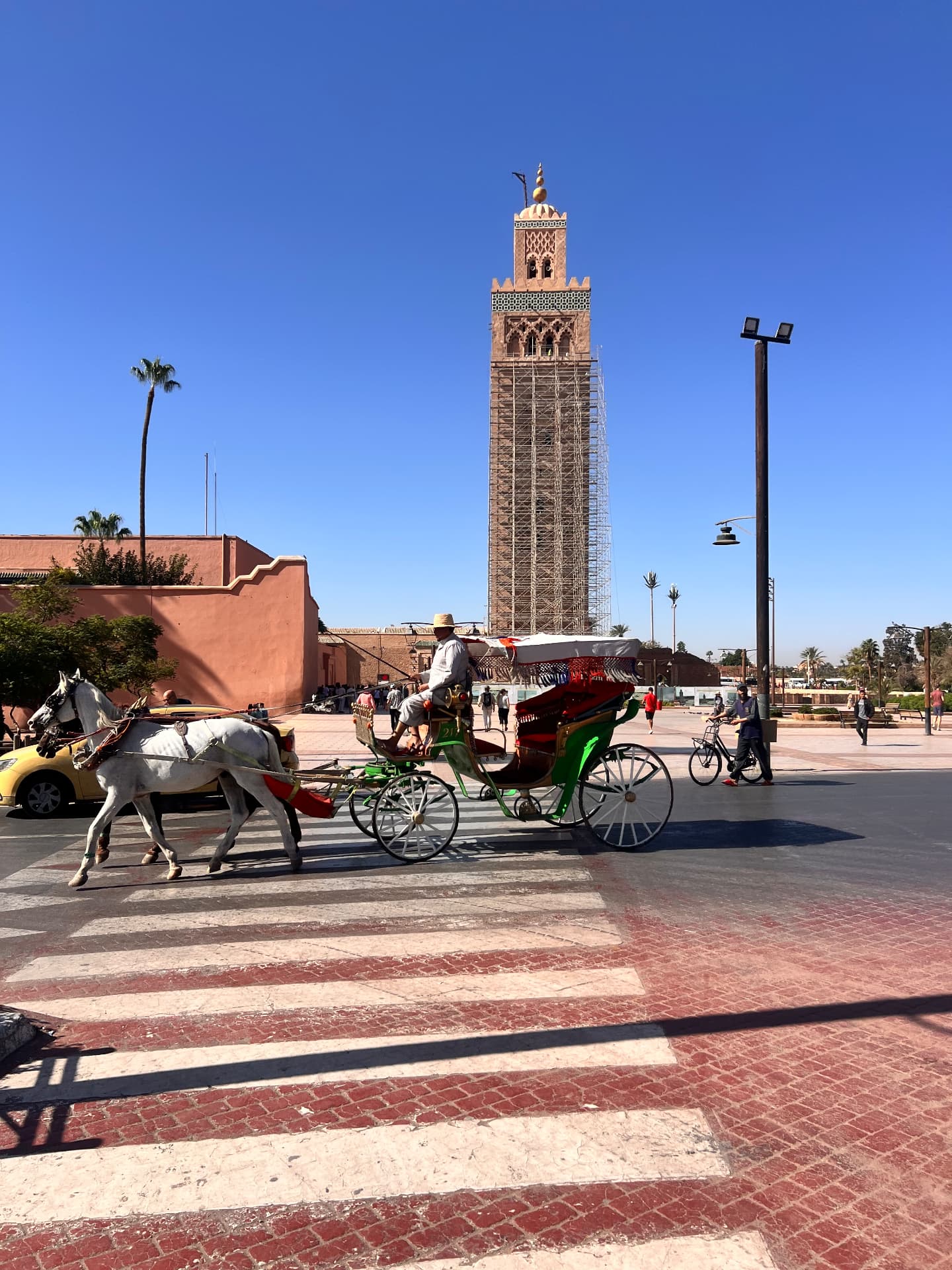
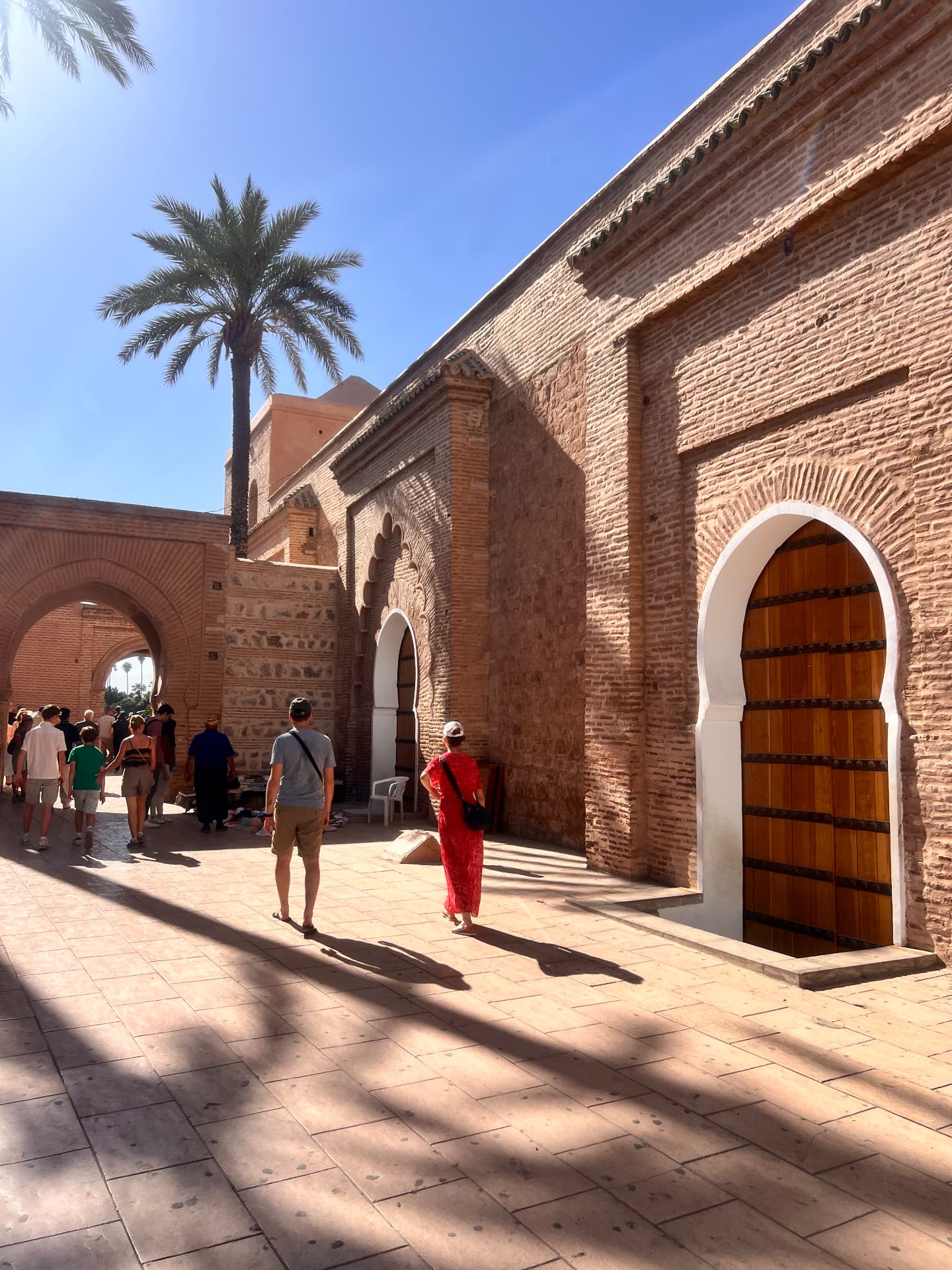
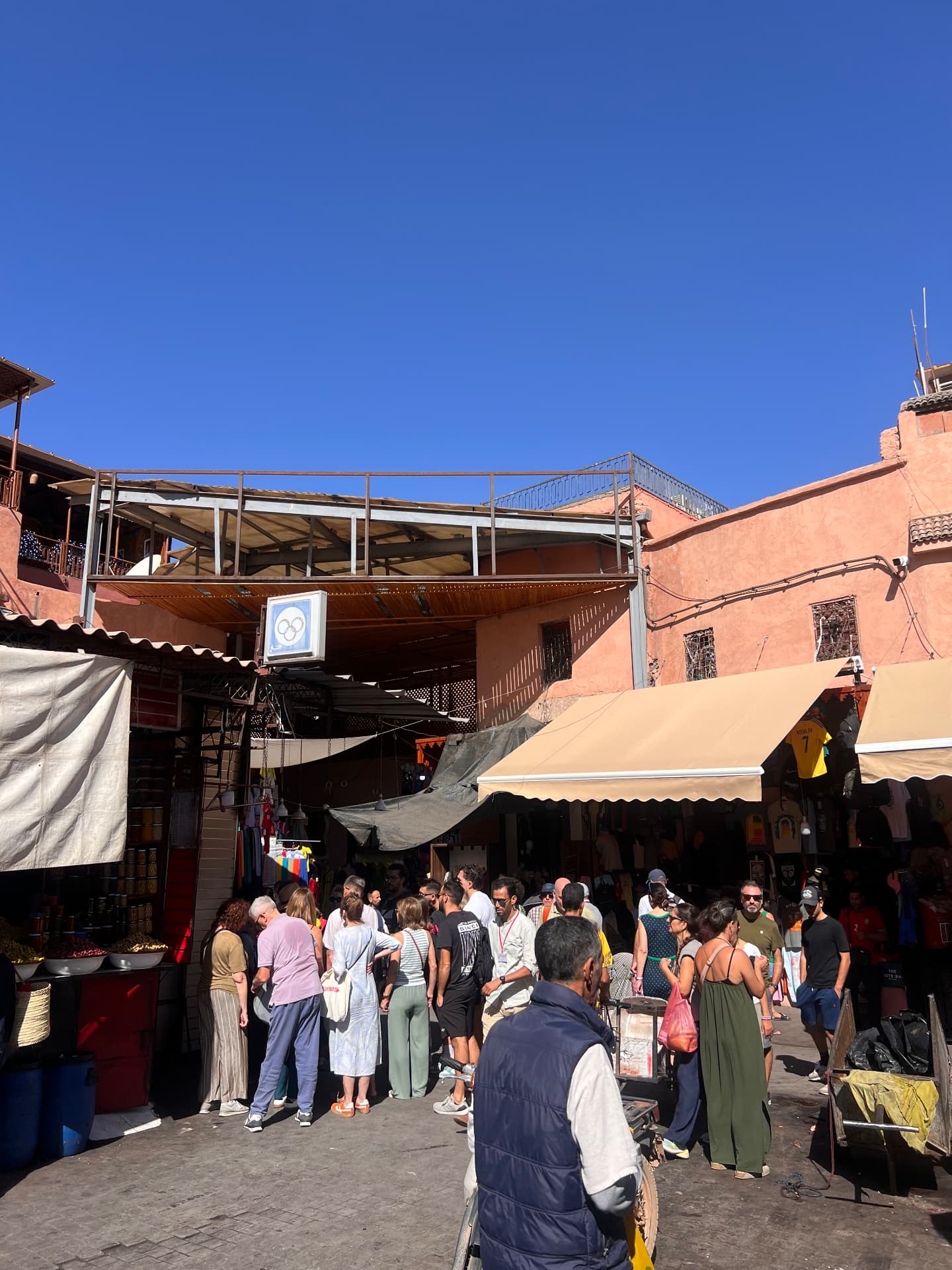
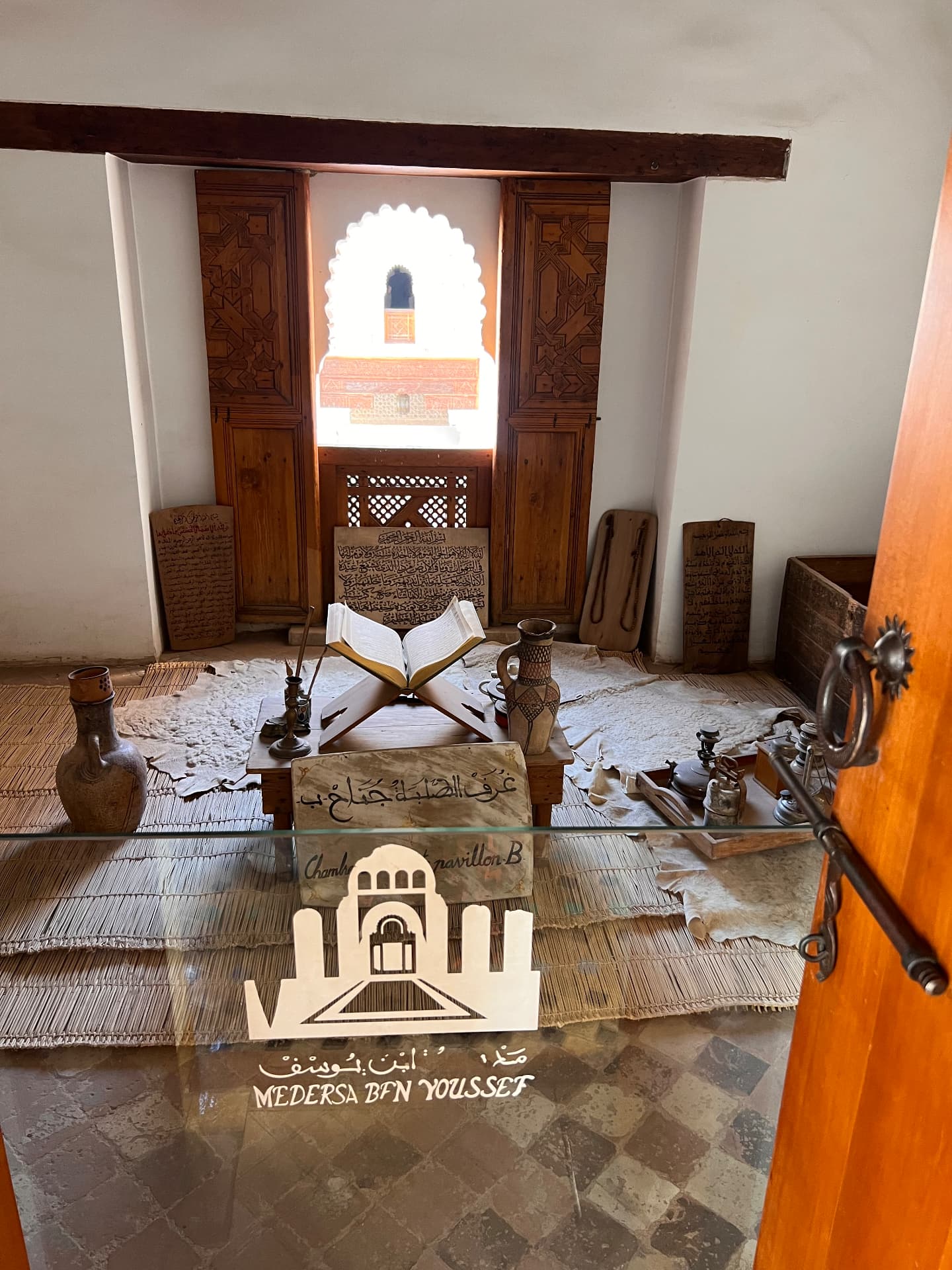
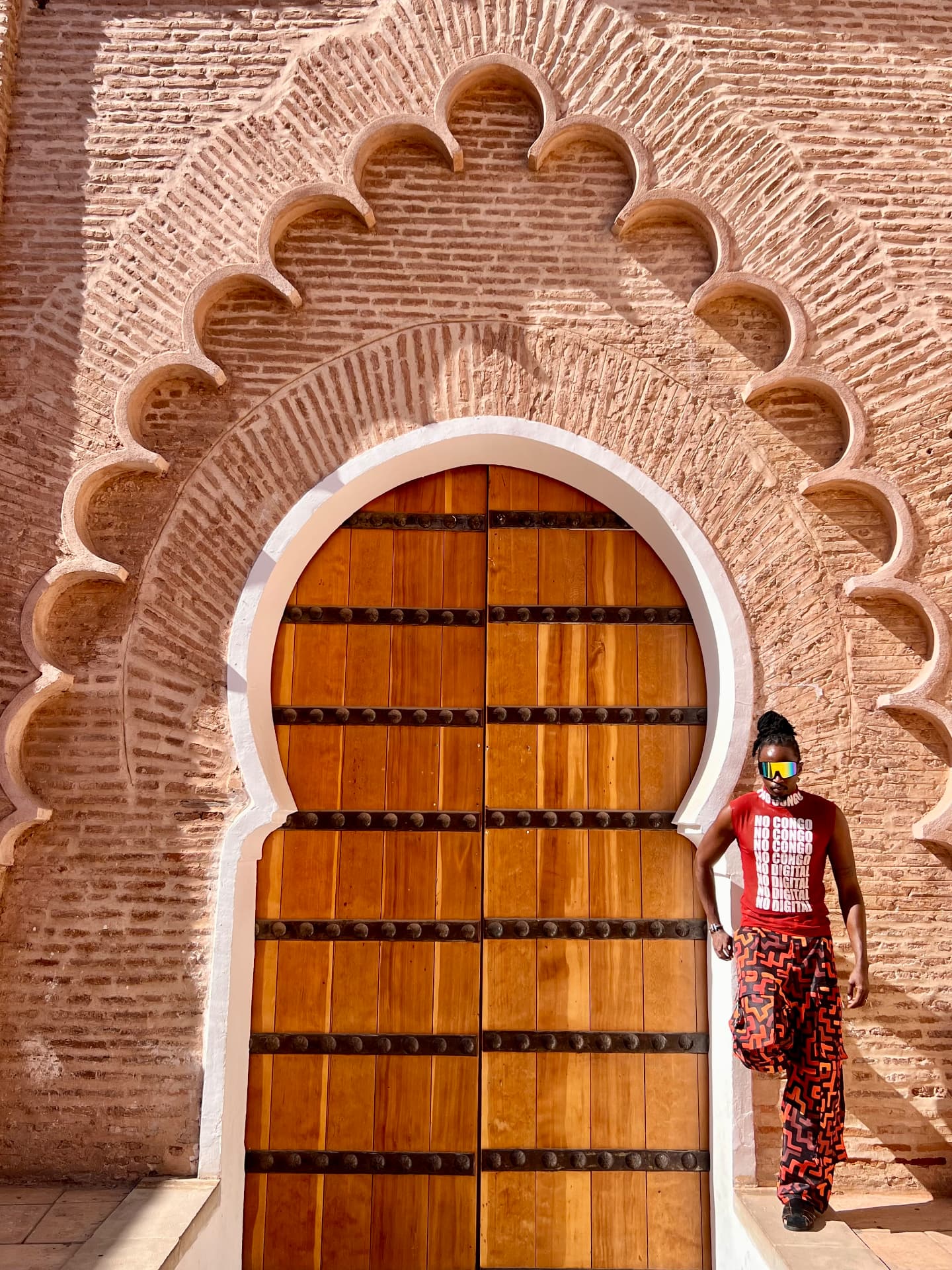
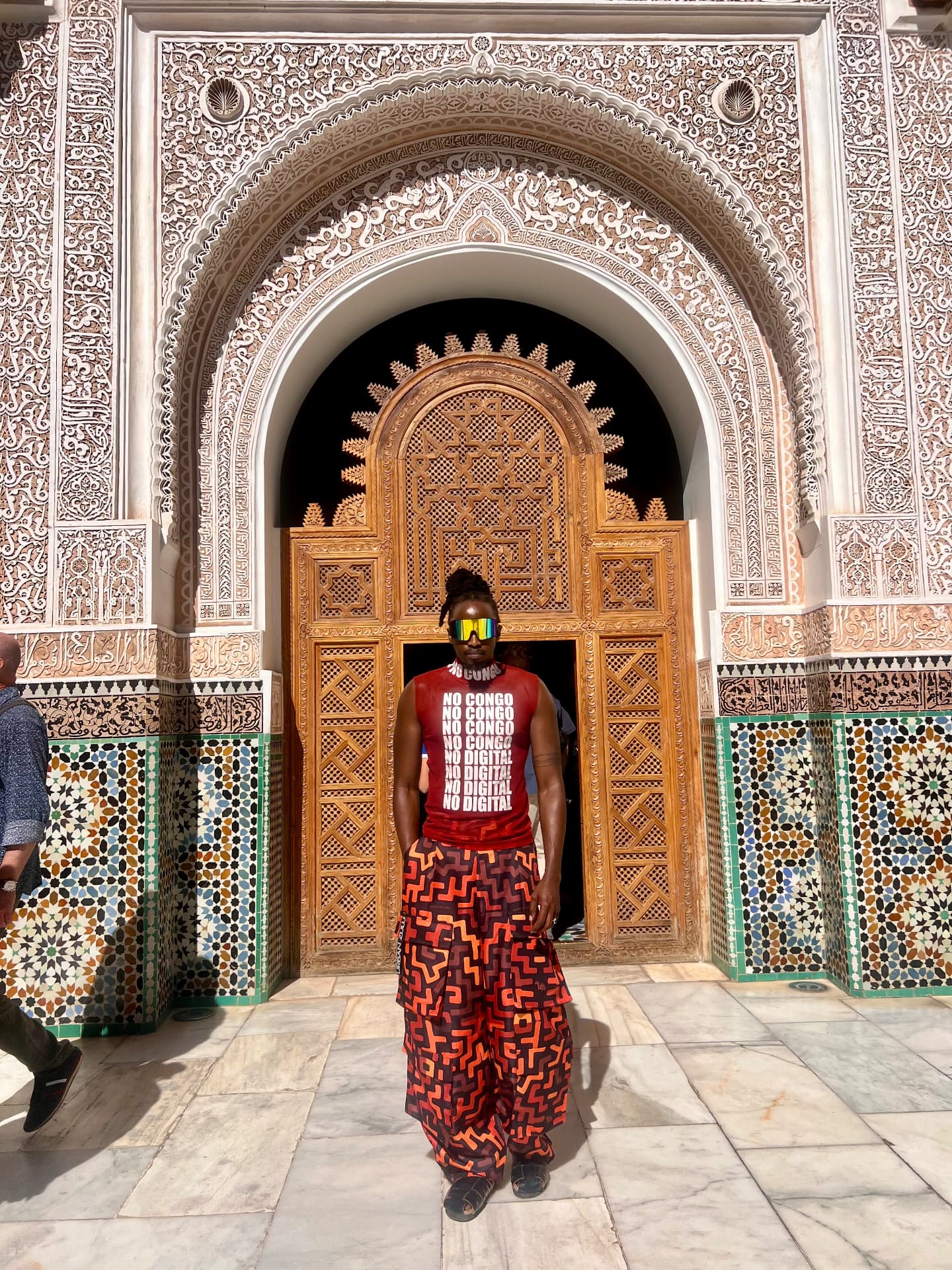
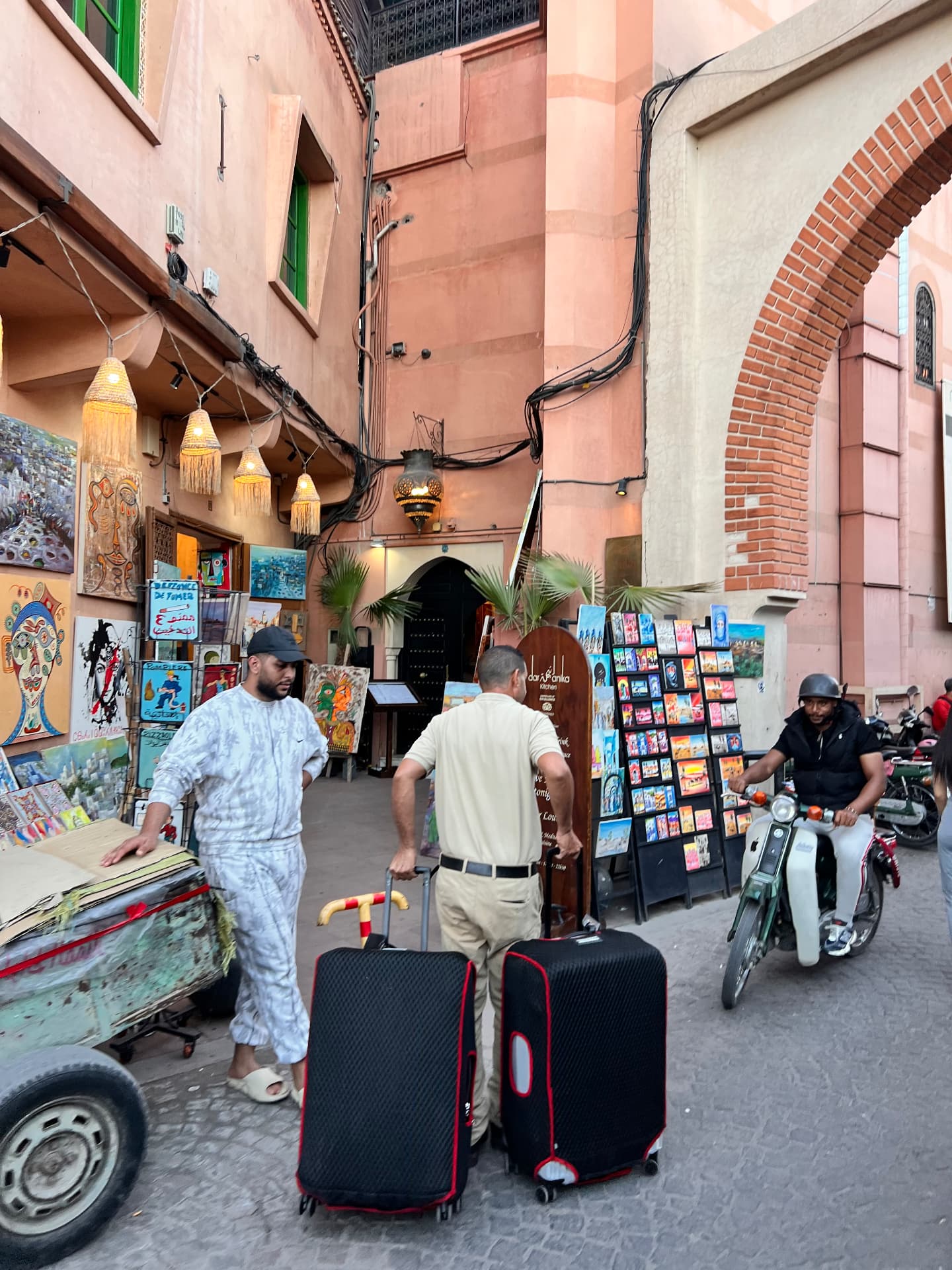
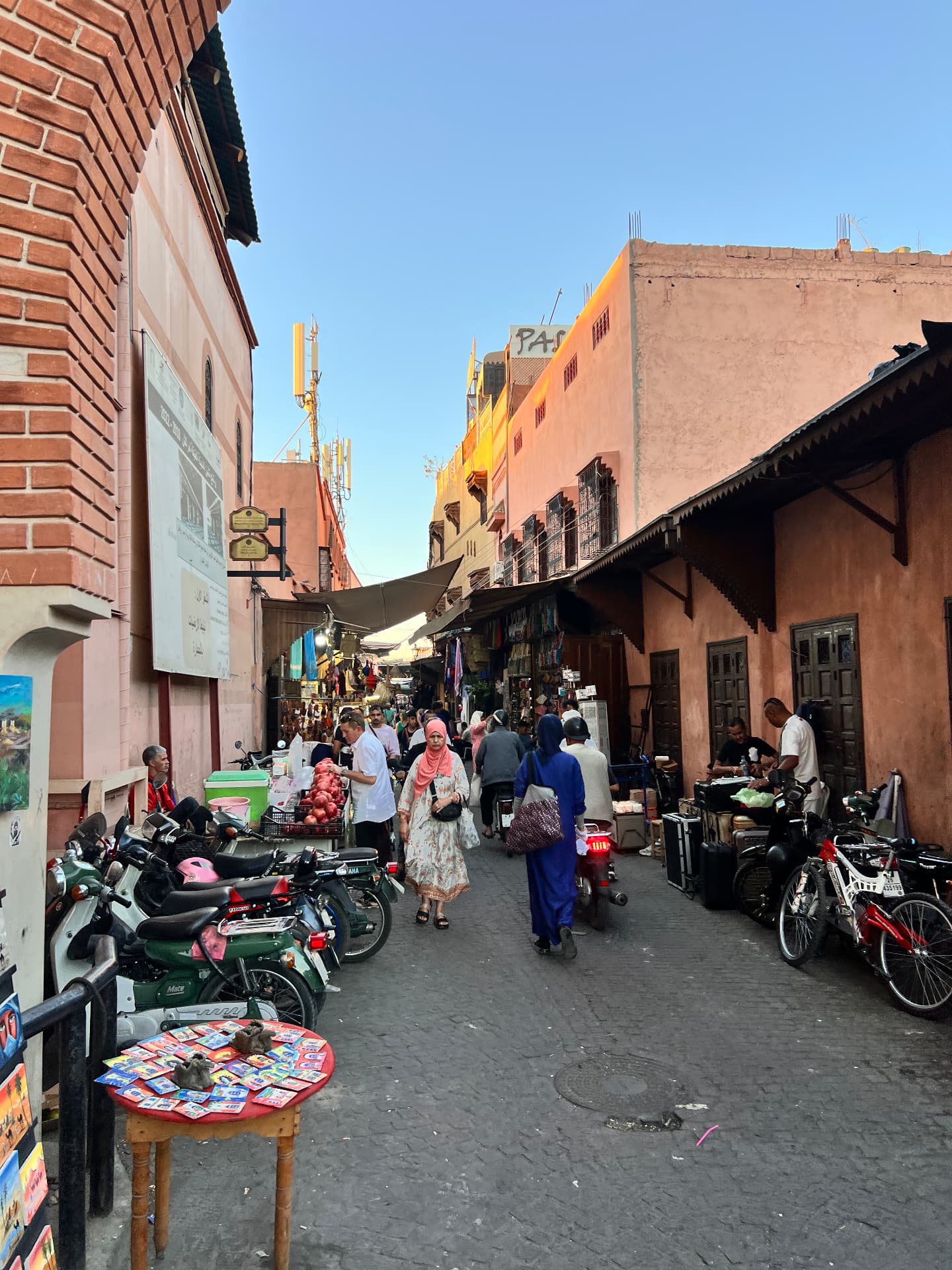
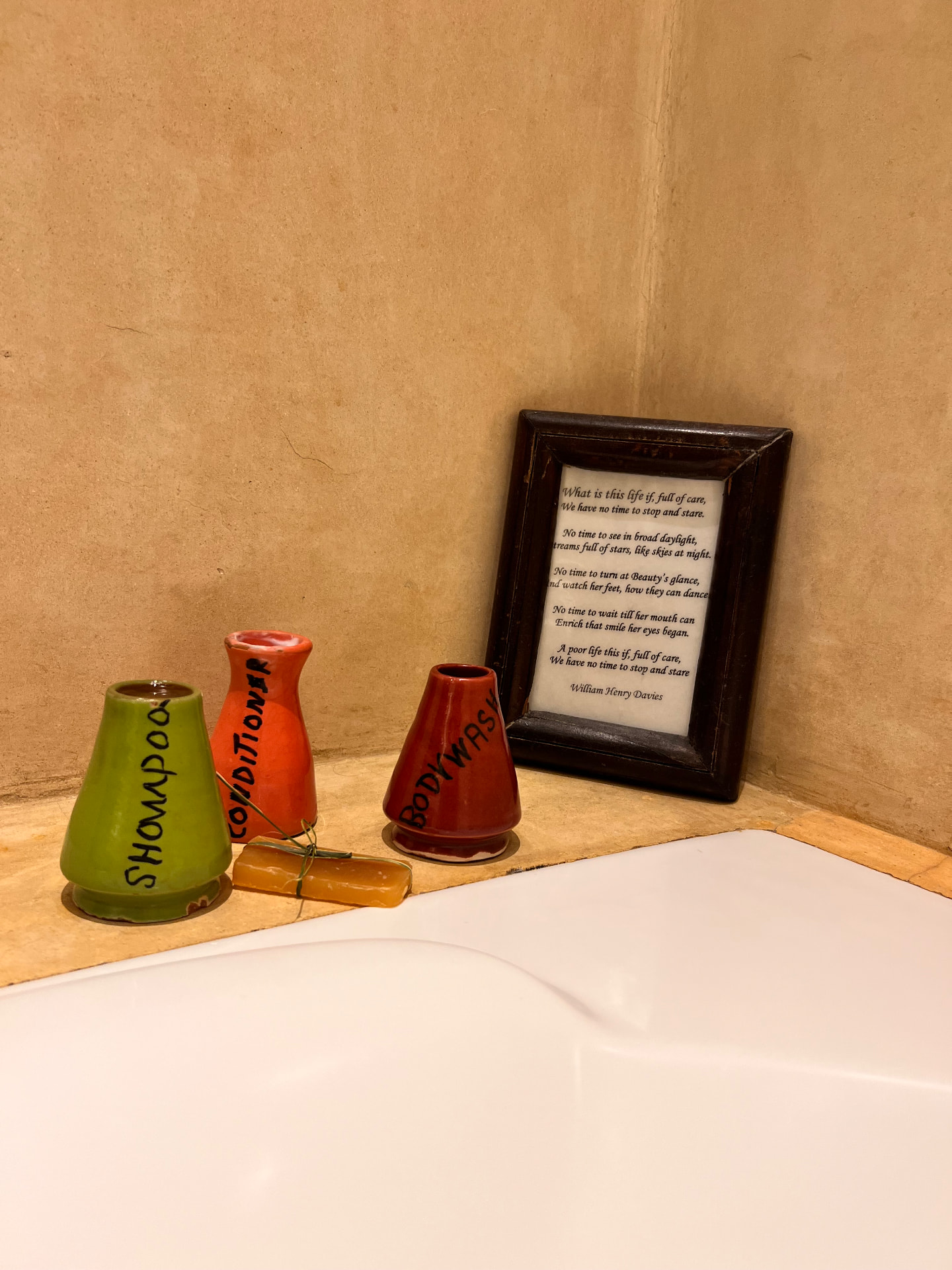
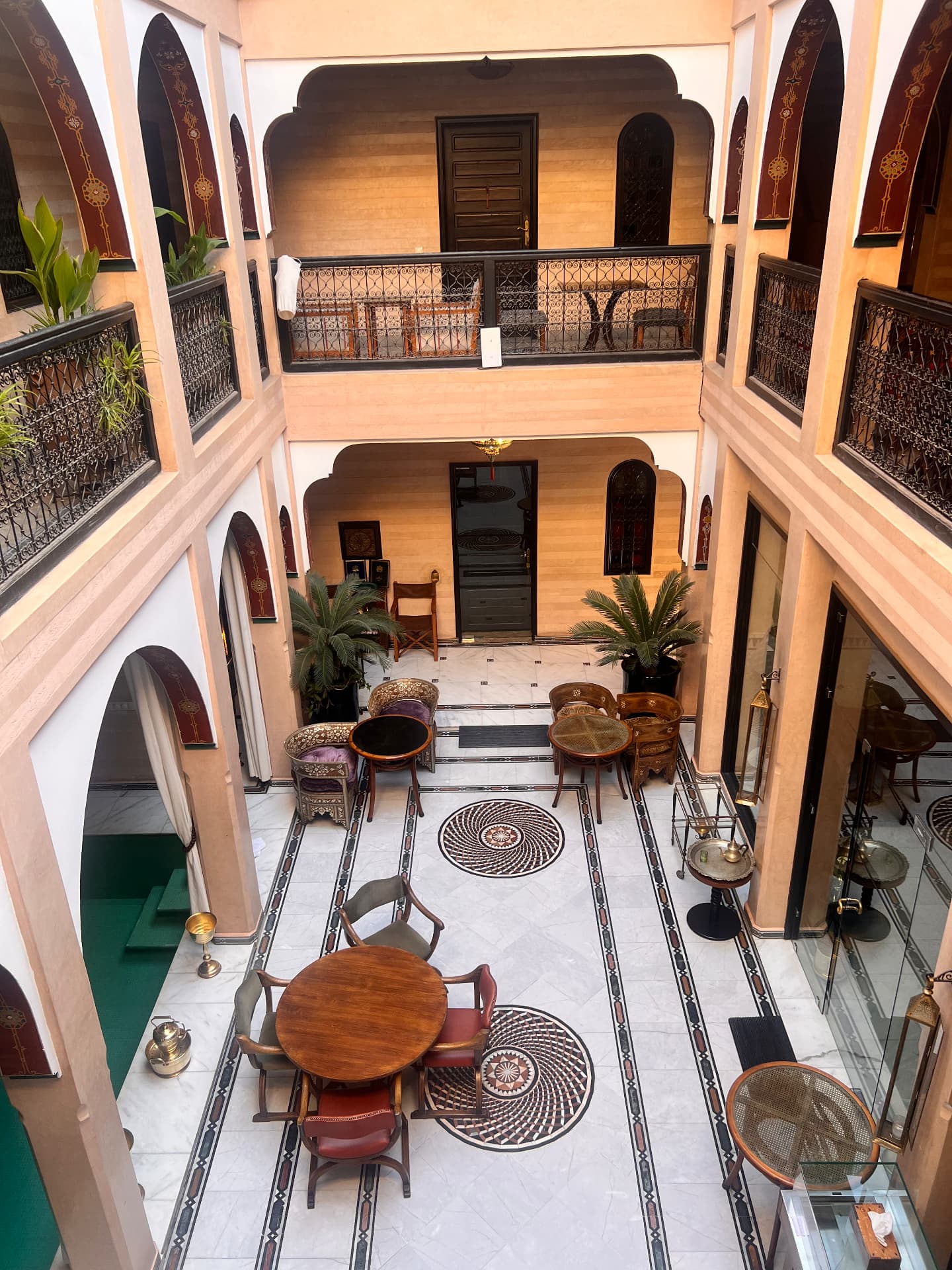
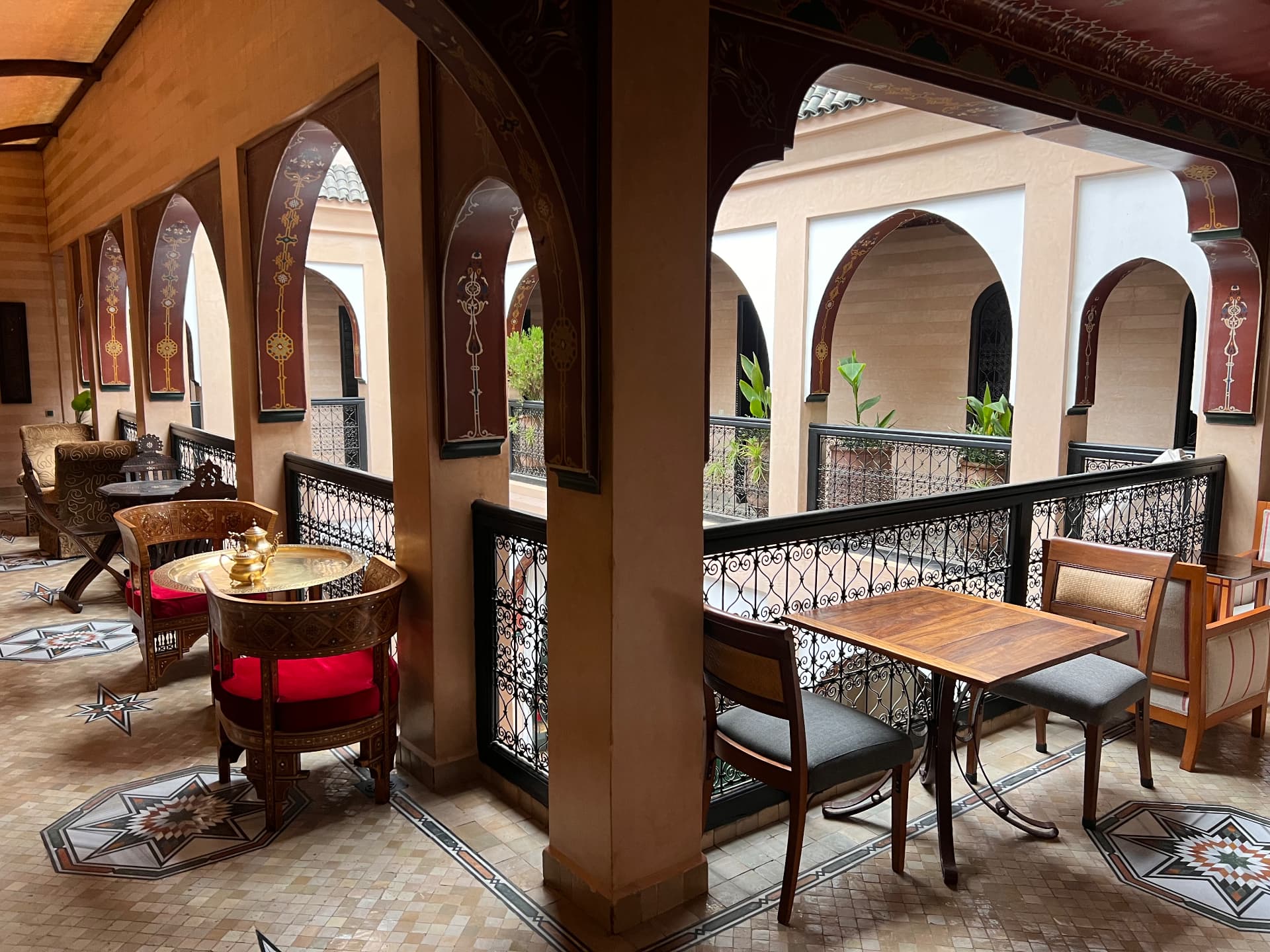
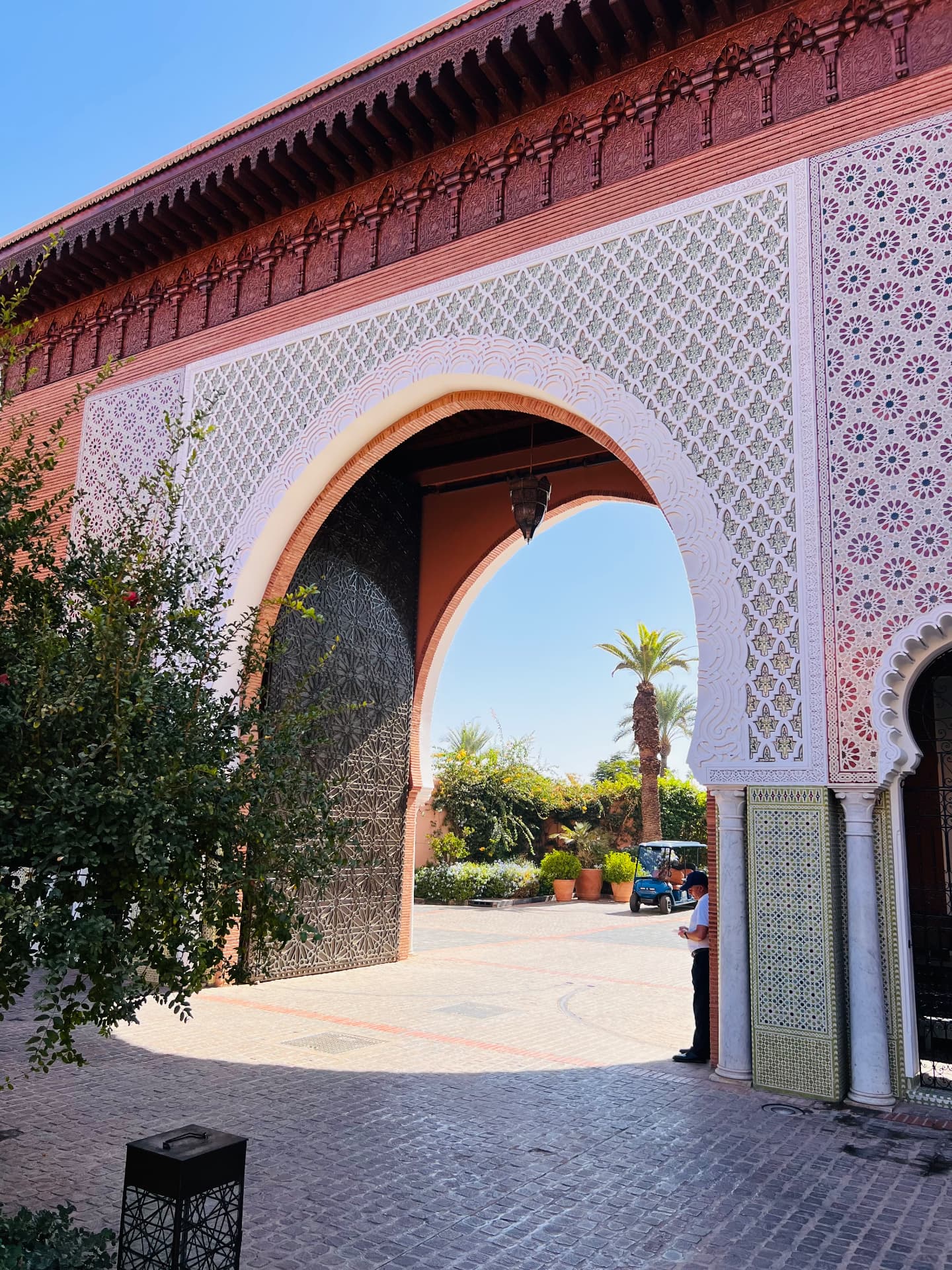
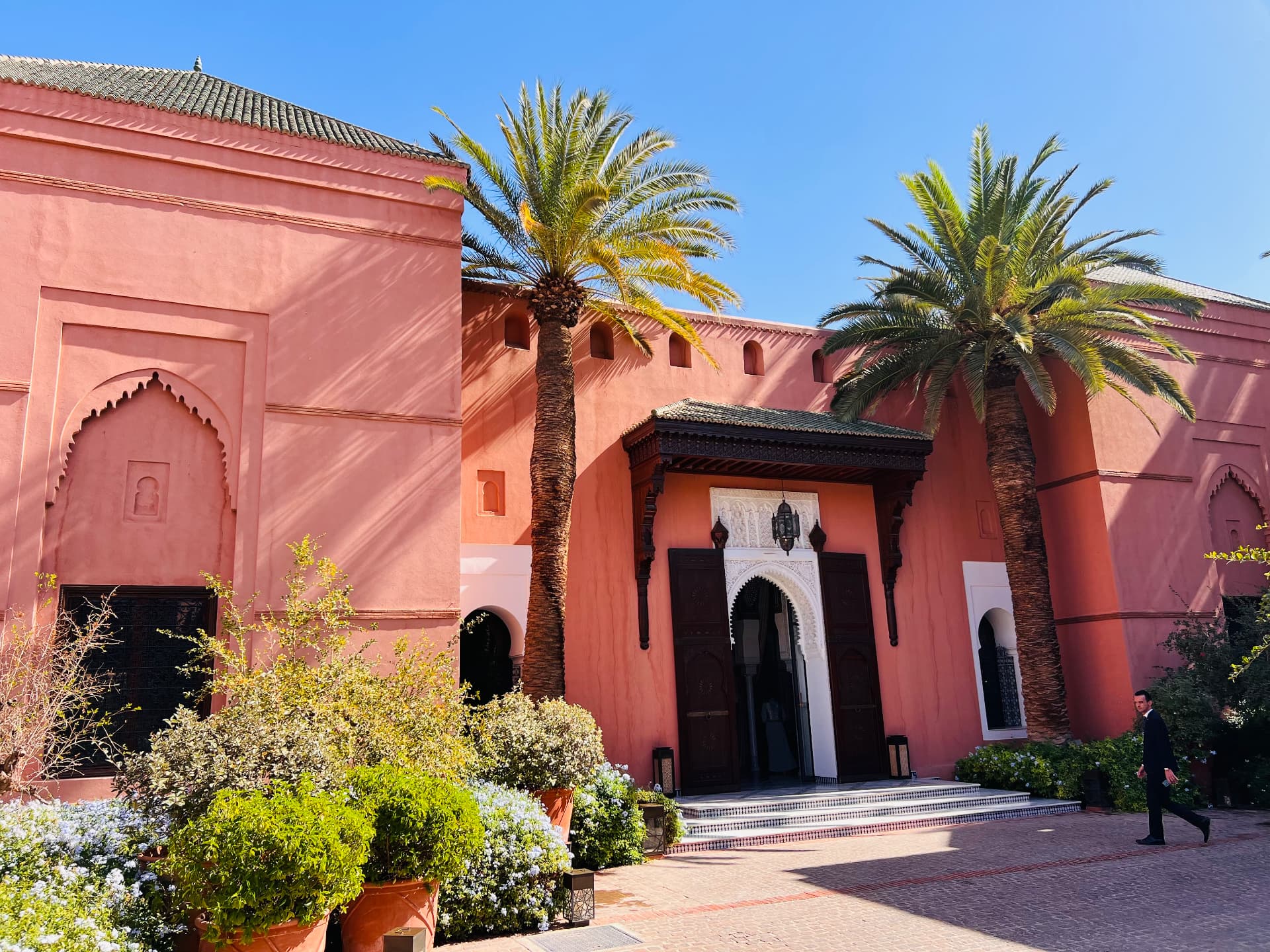
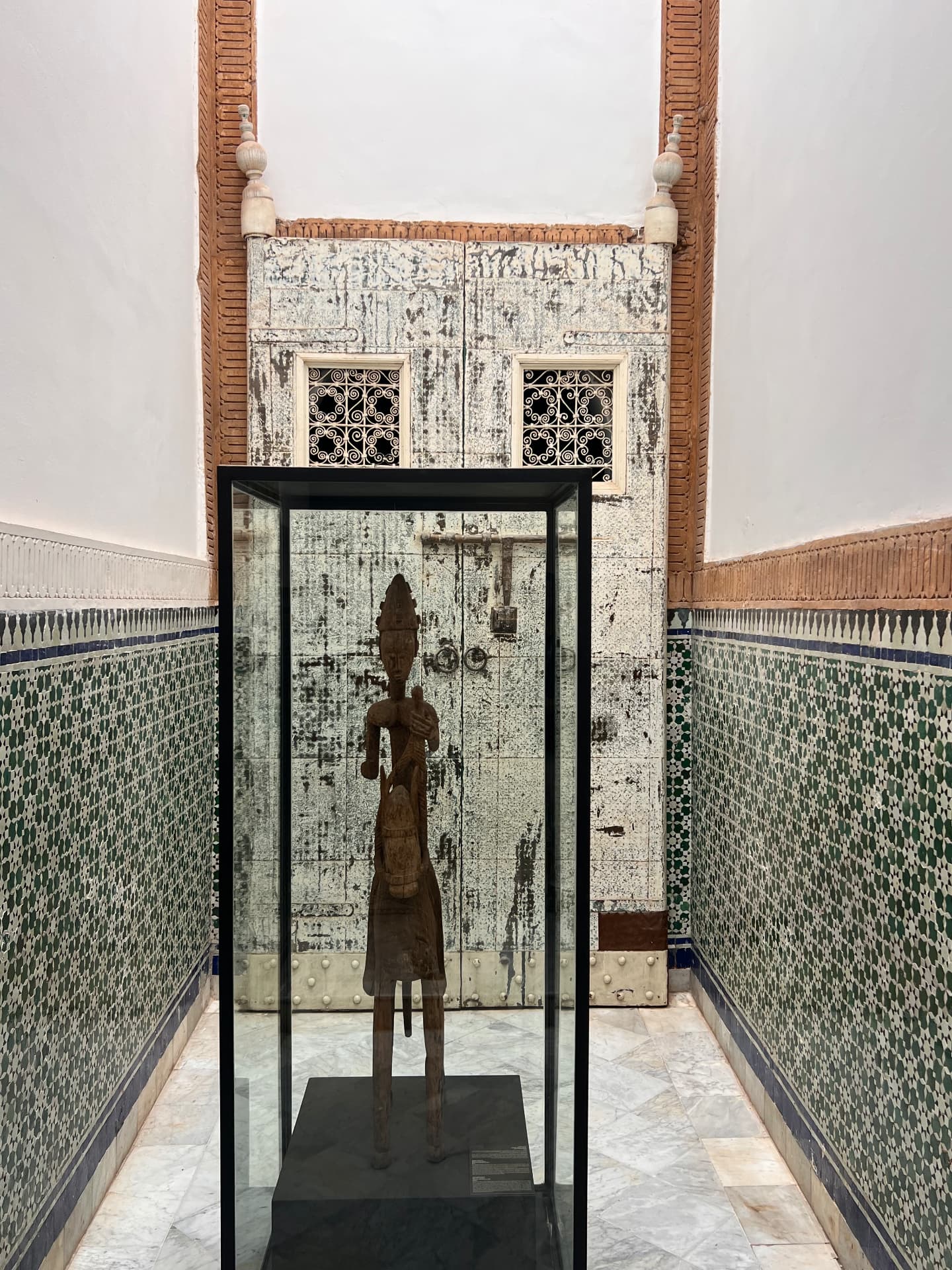
103 photosMorocco’s streets are alive with colour and history — terracotta walls, bright market stalls and intricate zellige tiles beneath carved arches. In Marrakech, centuries-old medina lanes reveal courtyards, mosques and beautiful craftsmanship at every turn, while the dry summer heat gives way to welcome shade and cool glasses of mint tea. The aromas of slow-cooked tagines, warm bread and fragrant spices fill the souks: a delicious invitation to discover a place where Amazigh and Arab heritage still shape everyday life.
The streets of Morocco
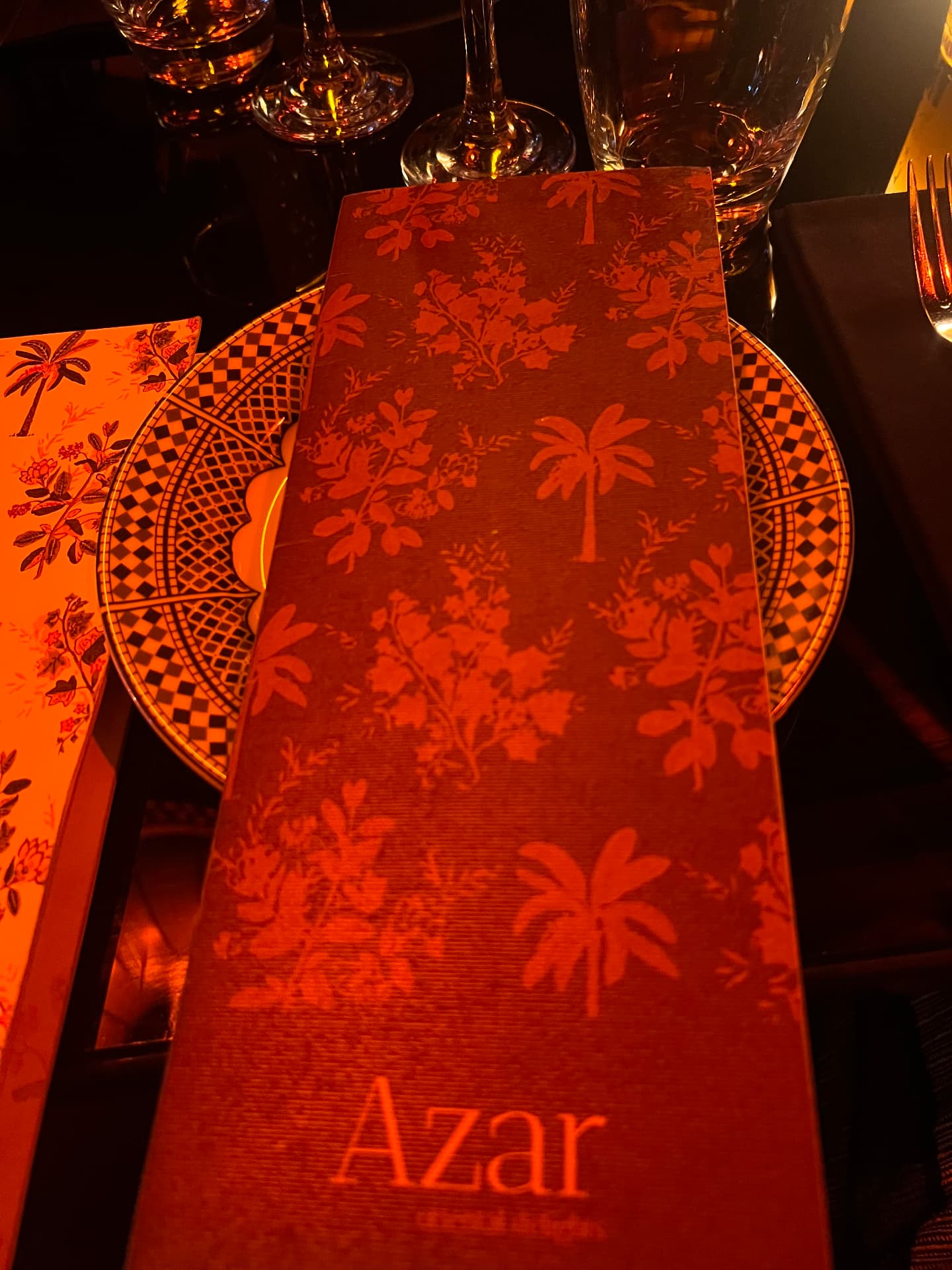
Azar
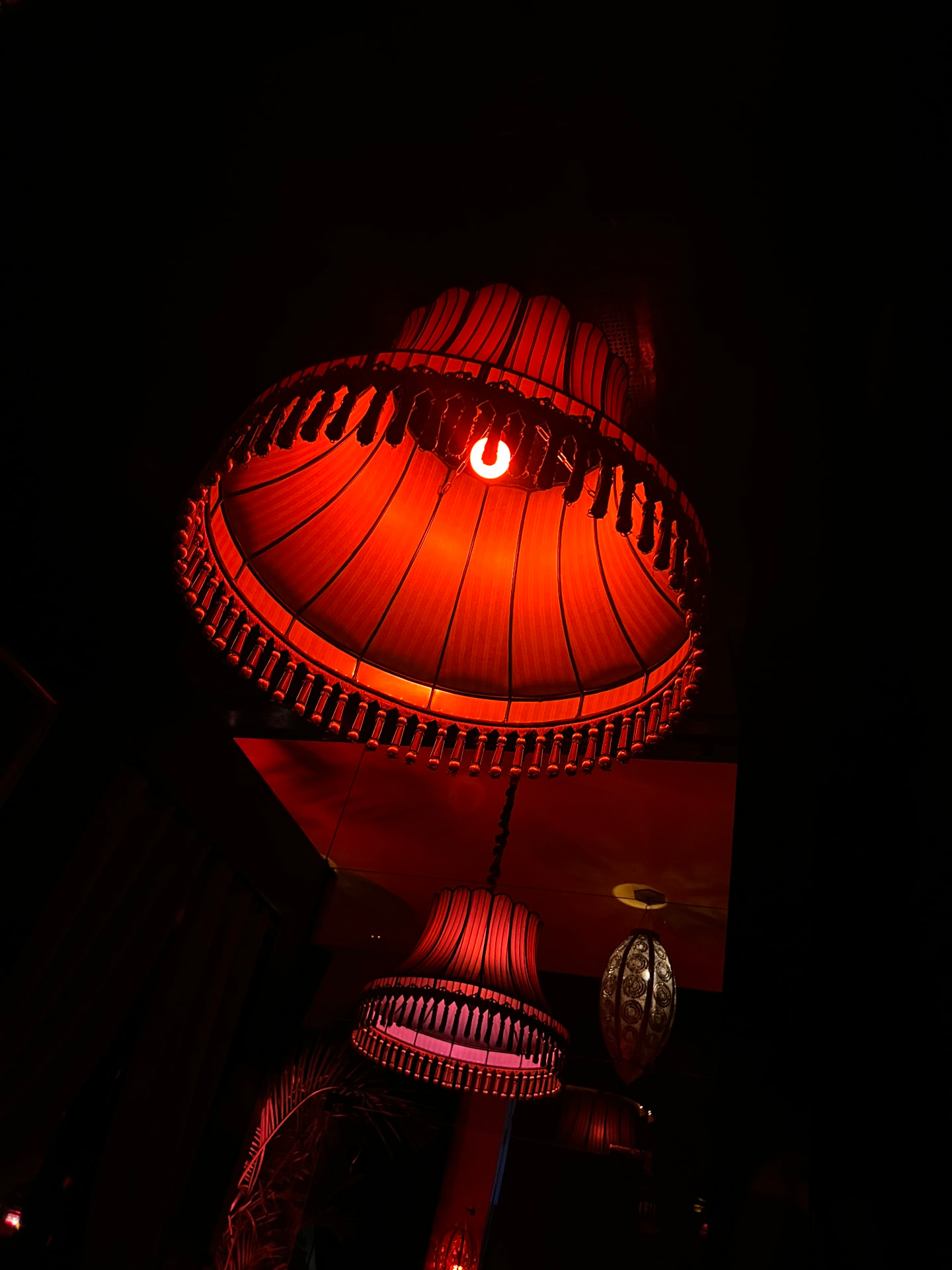
Azar is a Moroccan and Lebanese restaurant in Guéliz, Marrakech’s modern quarter, pairing tagines, couscous and mezze with an evening of live music and dancing. Glowing lamps, rich colours and candlelit tables give the dining room a warm, theatrical atmosphere — a lively contrast to the quieter courtyards and gardens of the journey.
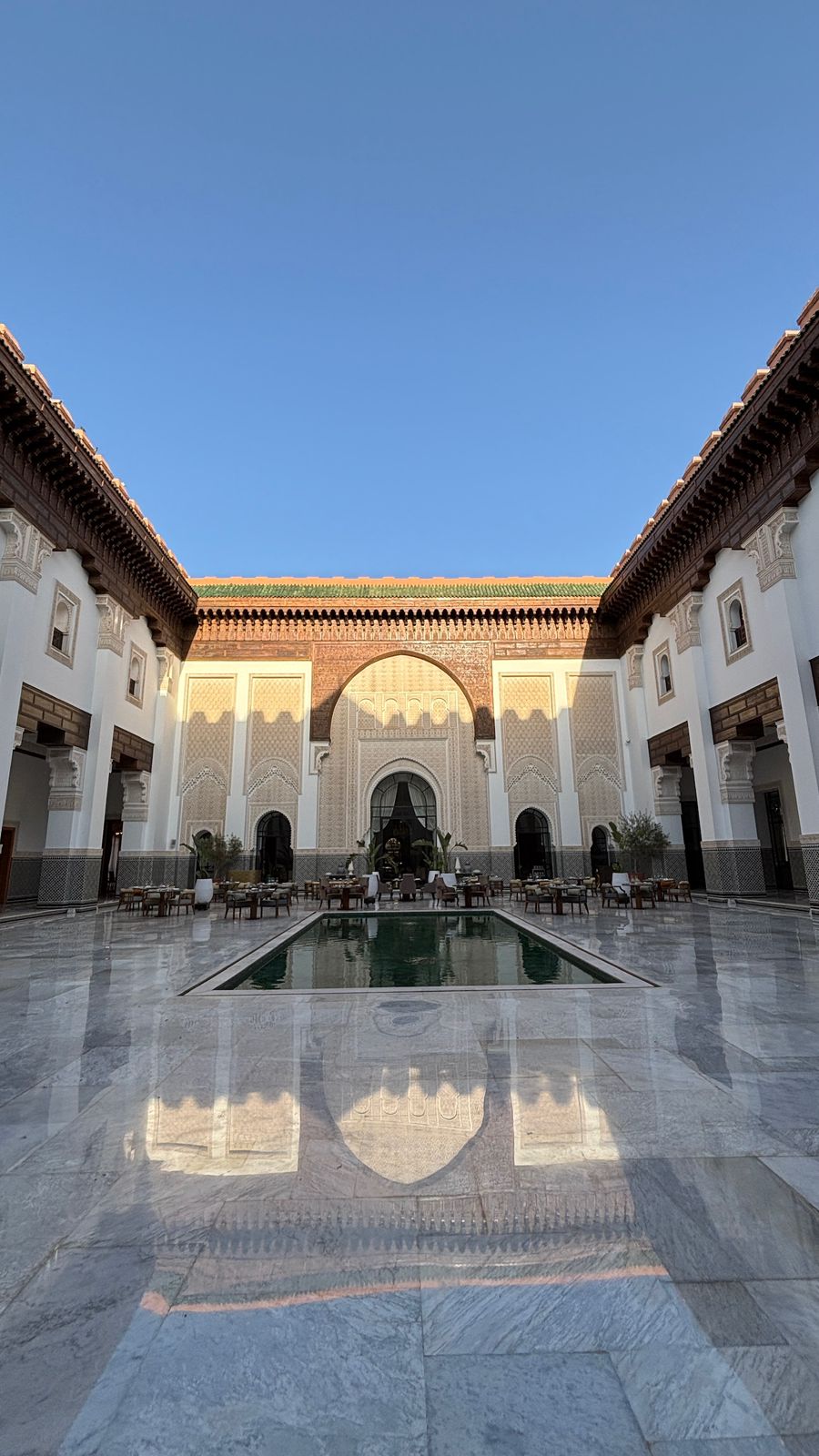
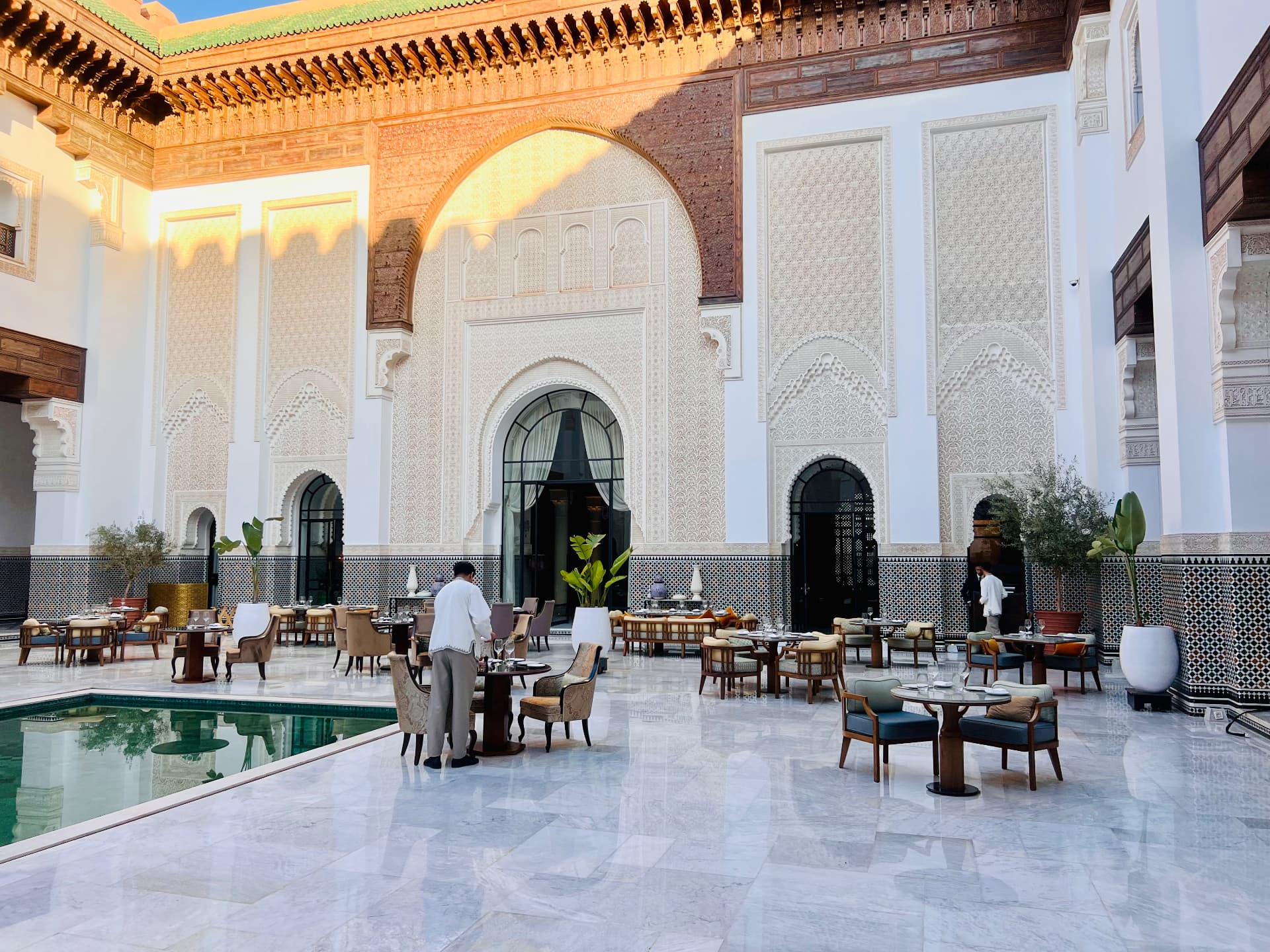
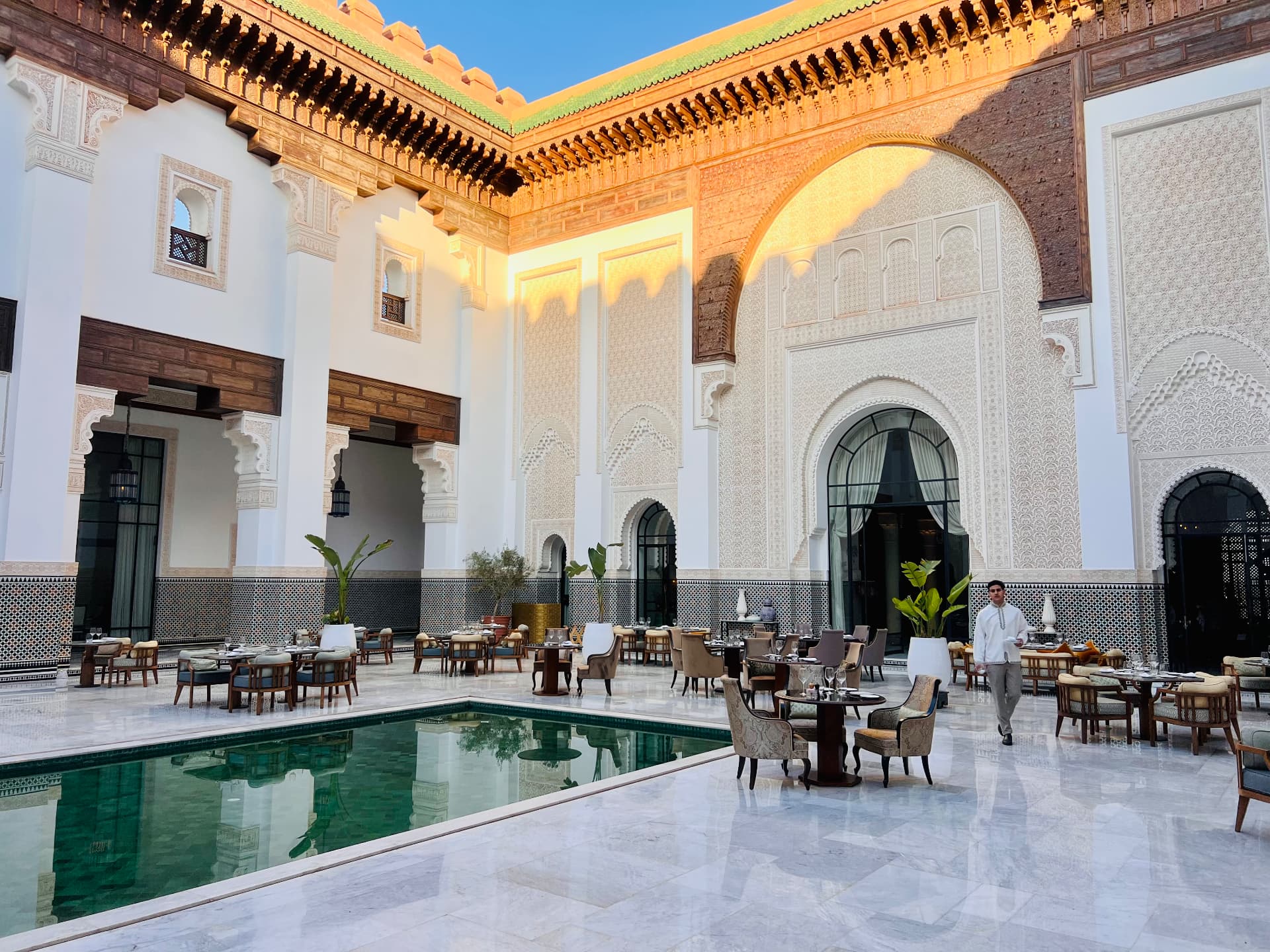
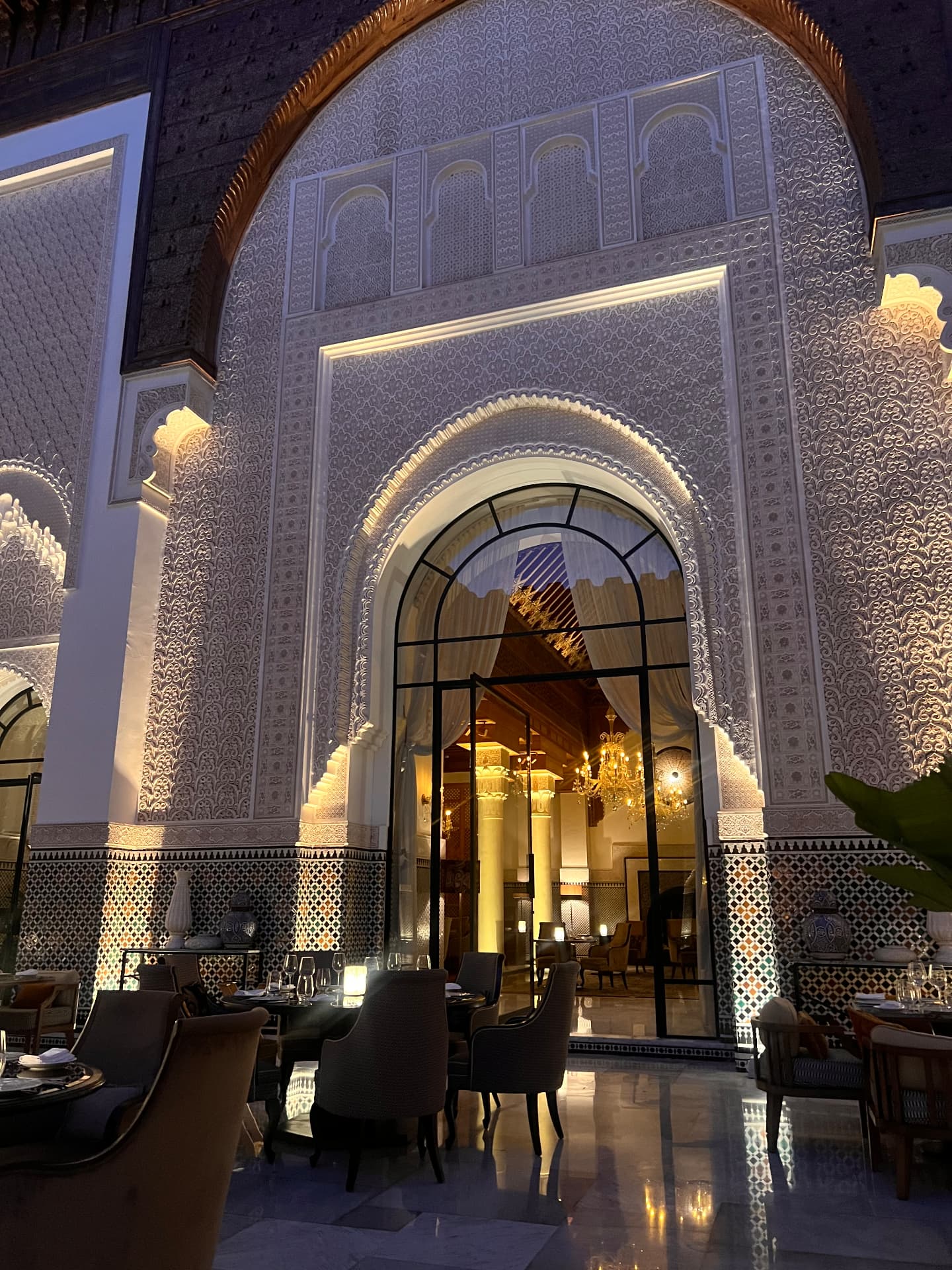
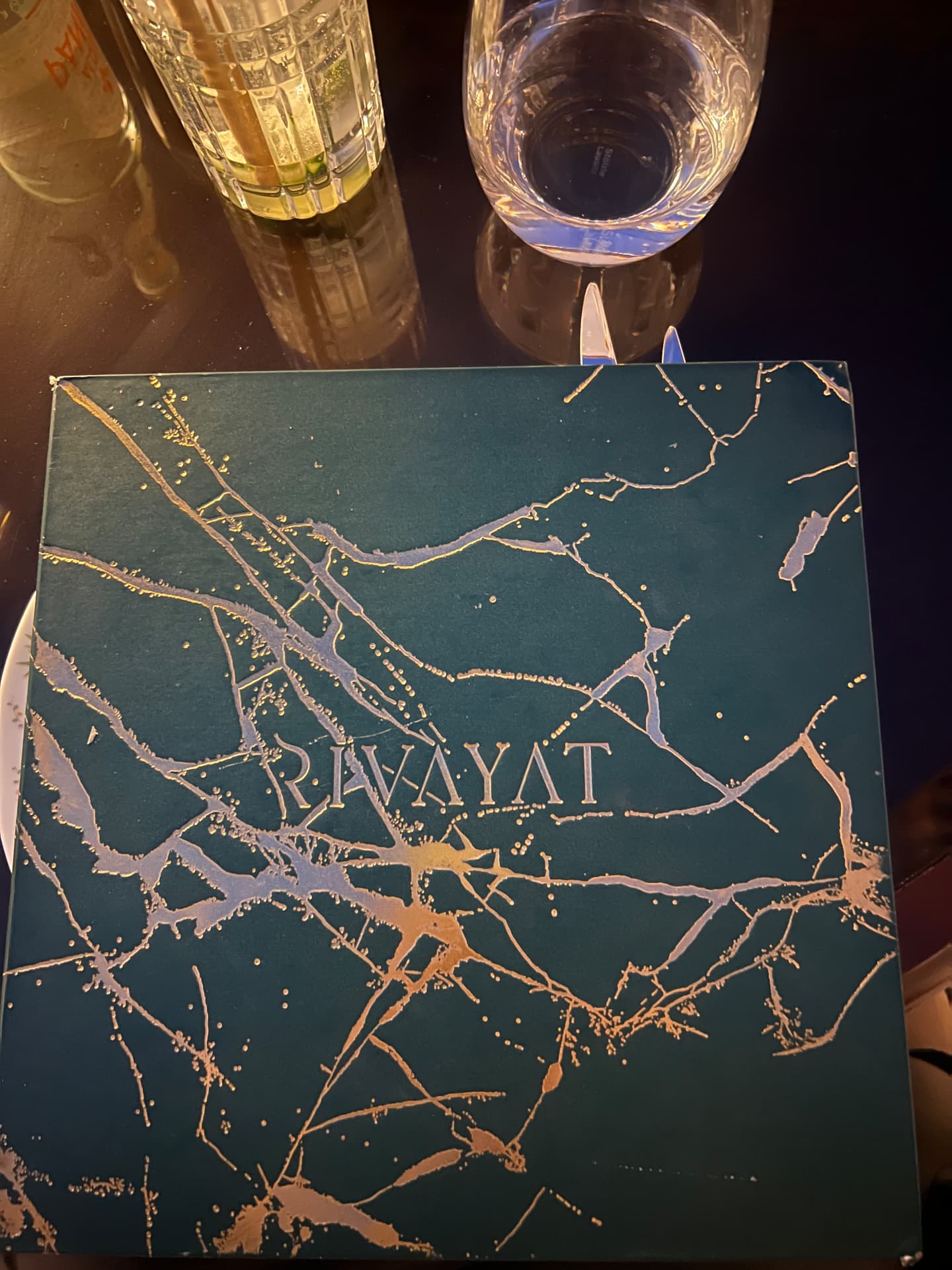
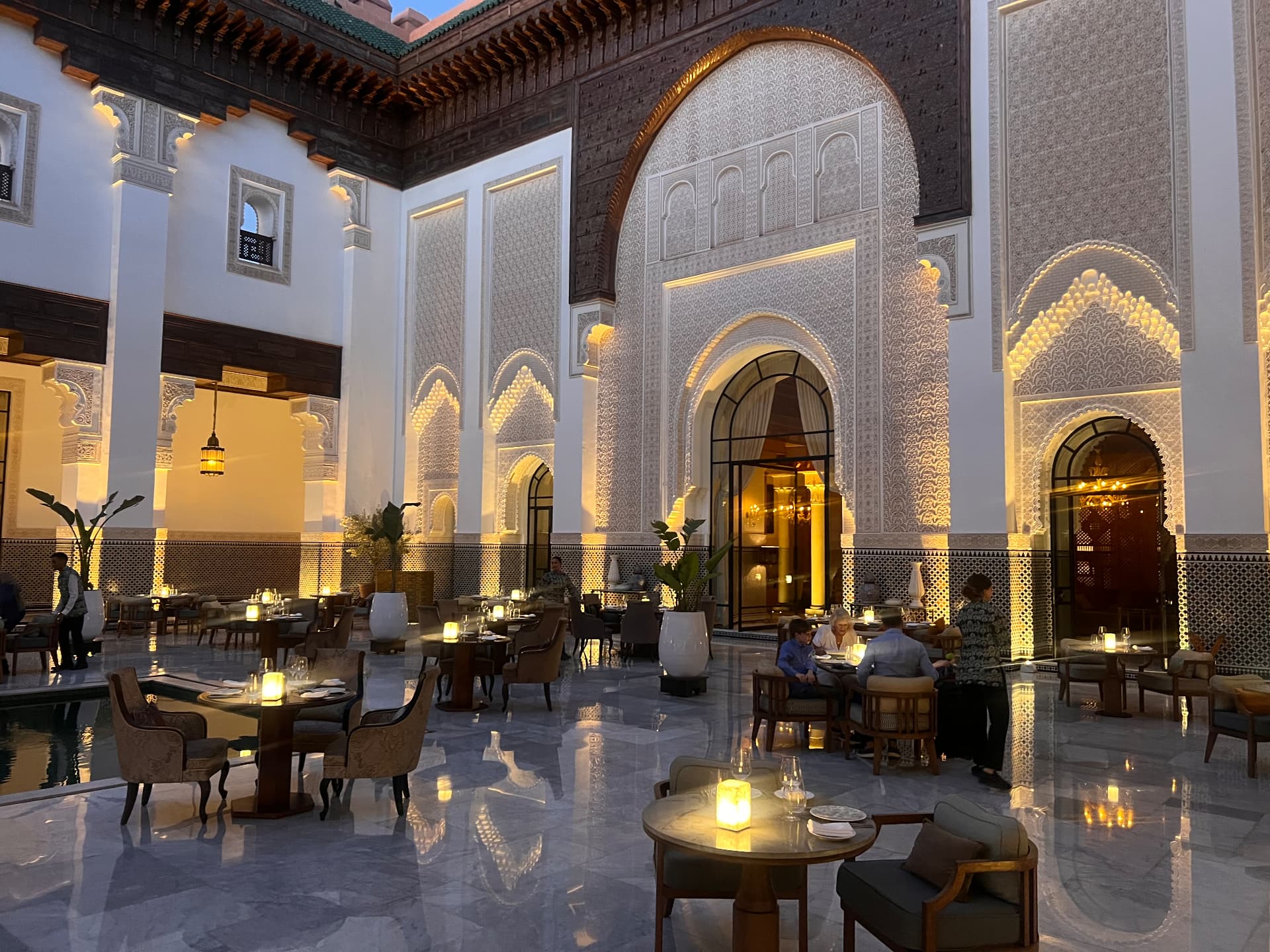
Rivayat — The Oberoi, Marrakech
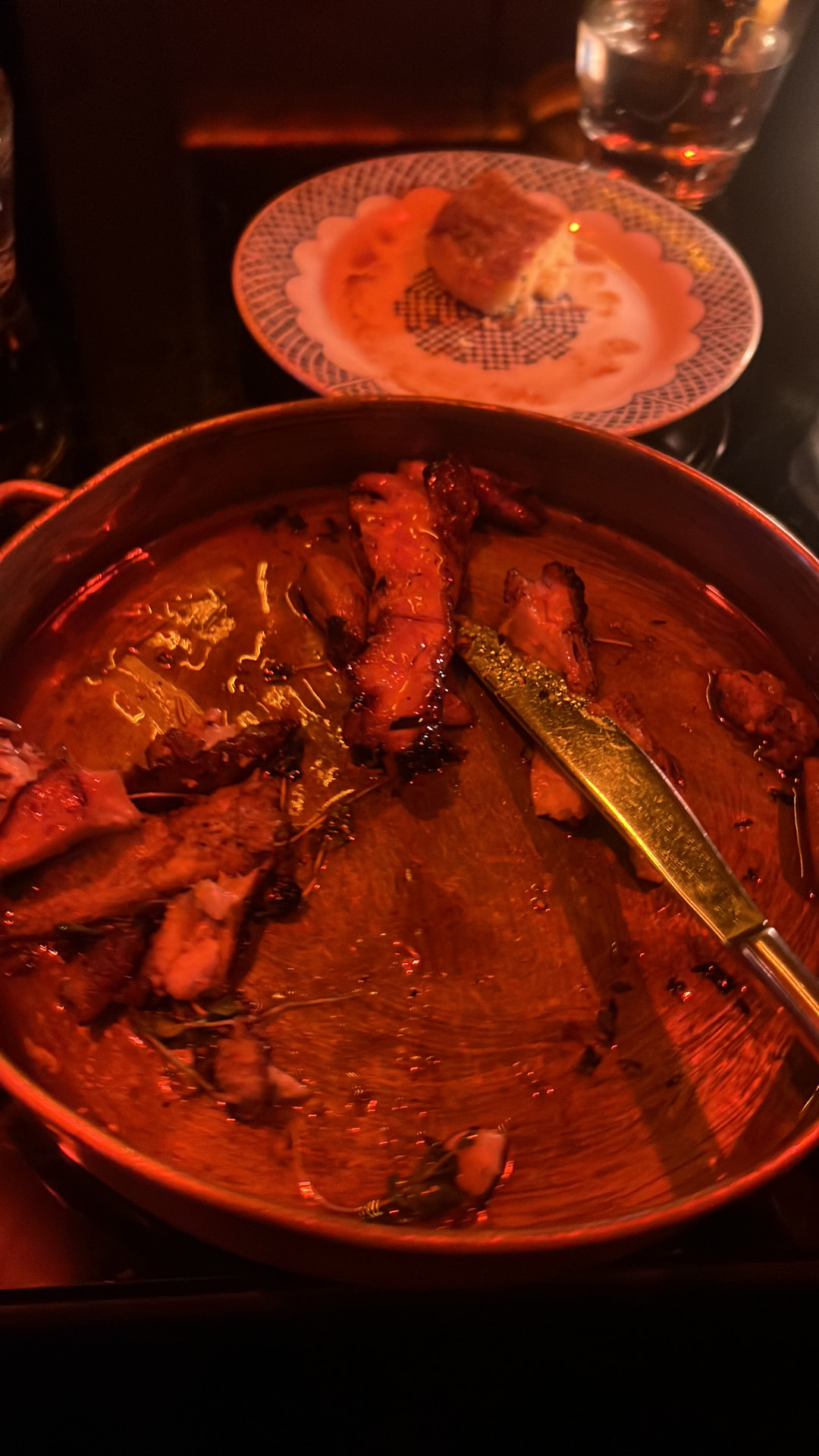
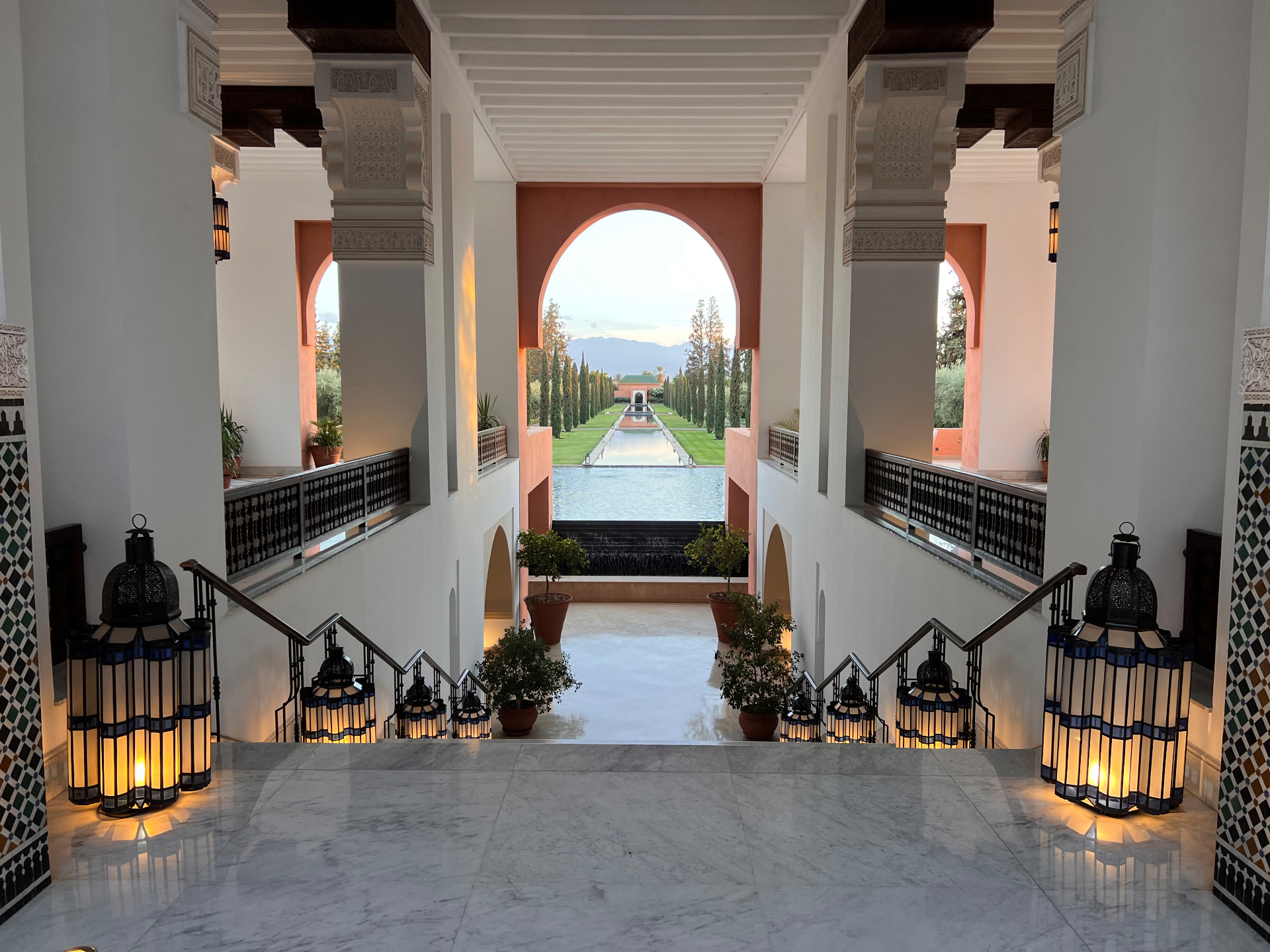
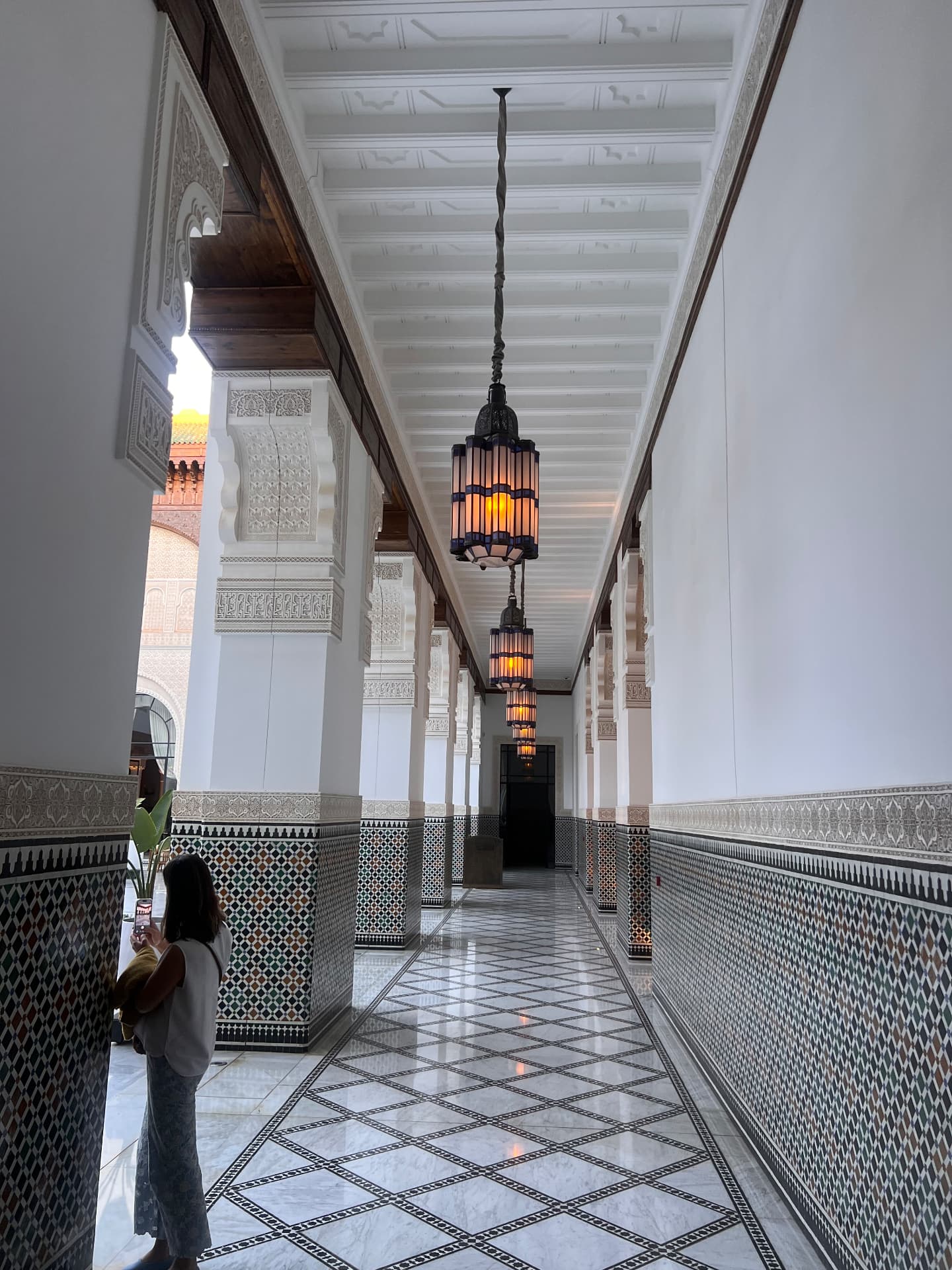
Rivayat is the Indian restaurant at The Oberoi, Marrakech, mentored by Michelin-starred chef Rohit Ghai. Its menu brings Indian culinary traditions to a beautifully crafted Moroccan setting. Carved white arches, intricate zellige tiles, glowing lanterns and a still reflecting pool give the courtyard a graceful atmosphere, especially as daylight fades and the tables glow with candlelight.
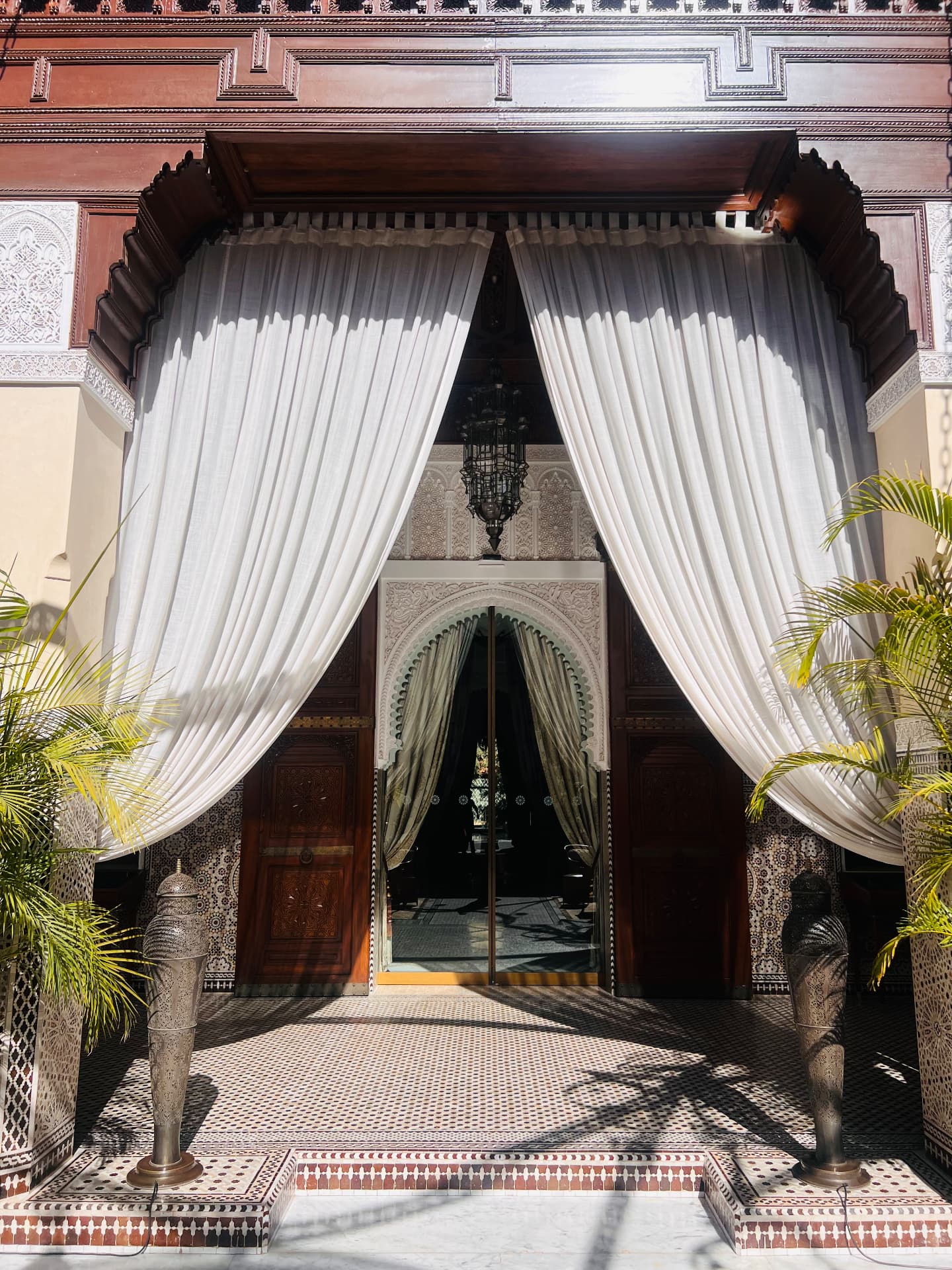
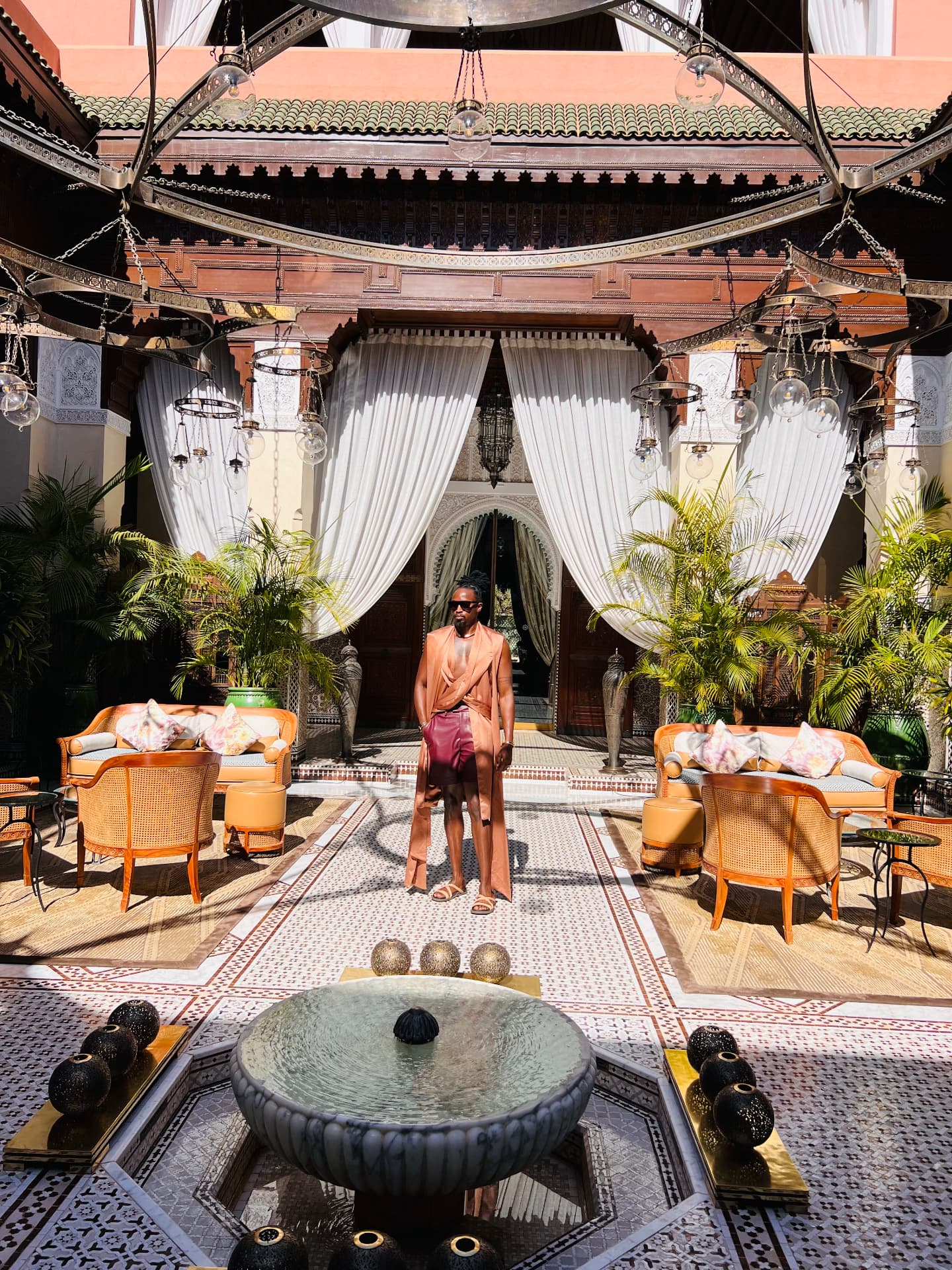
The Royal Mansour
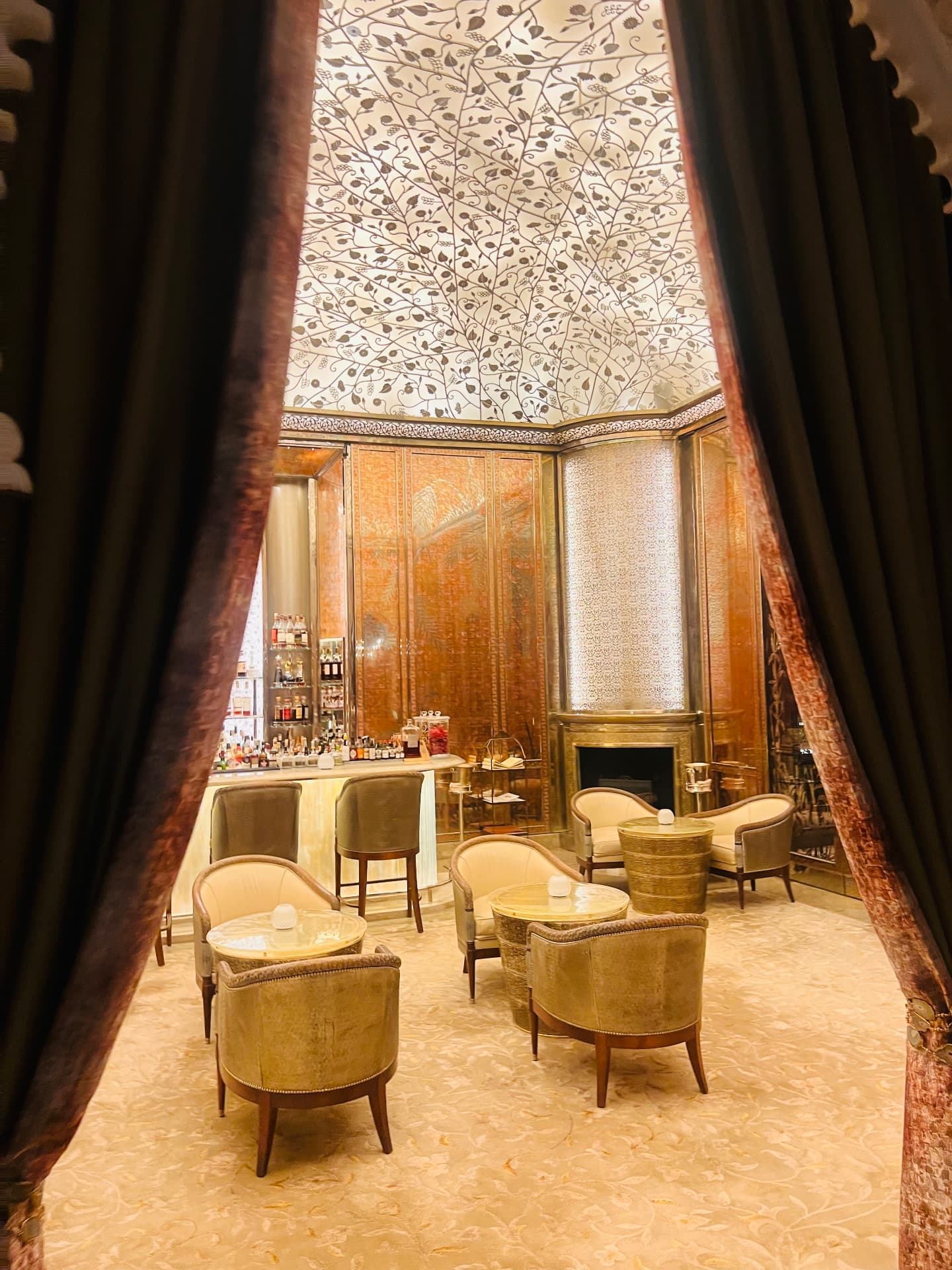
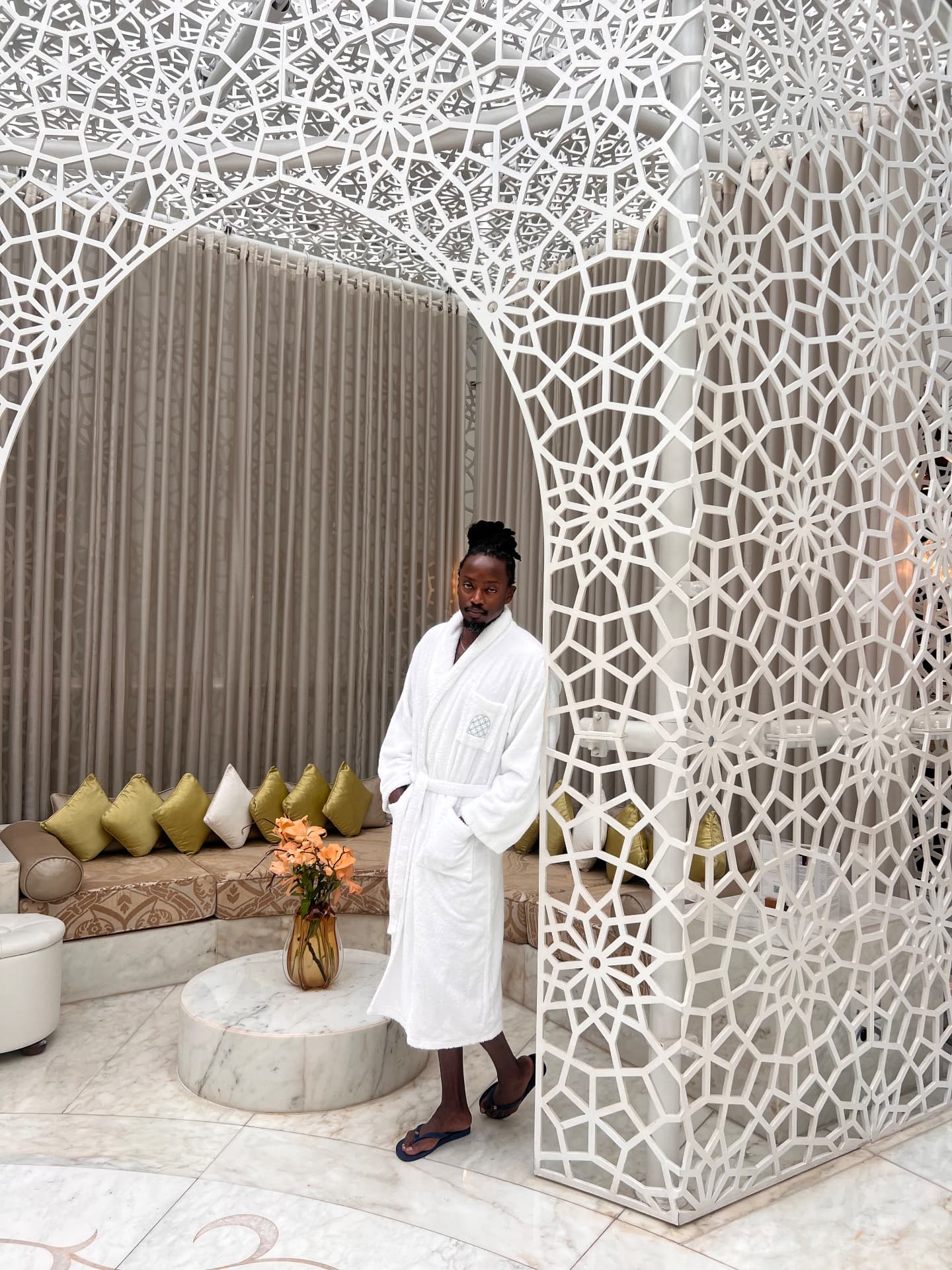
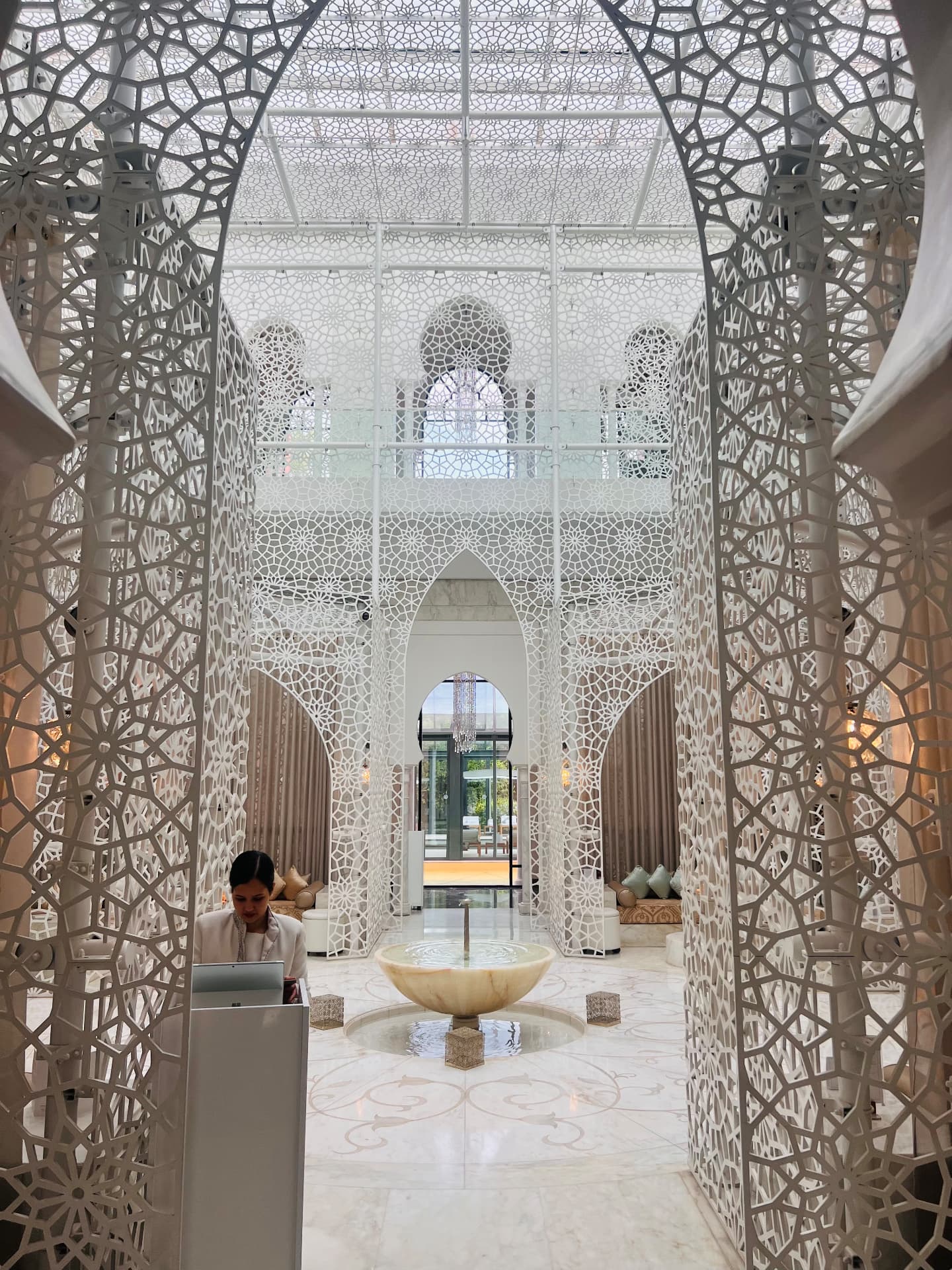
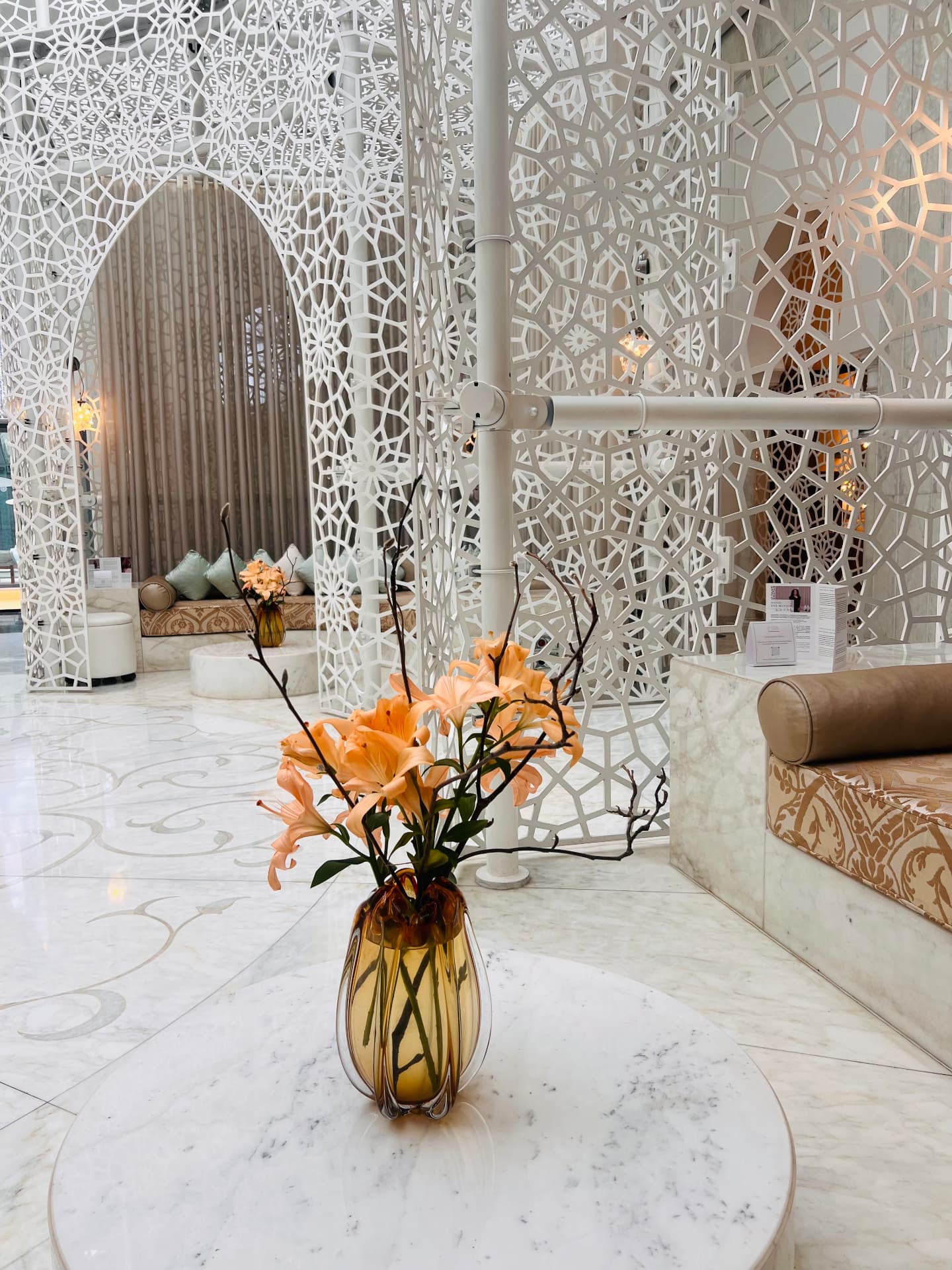
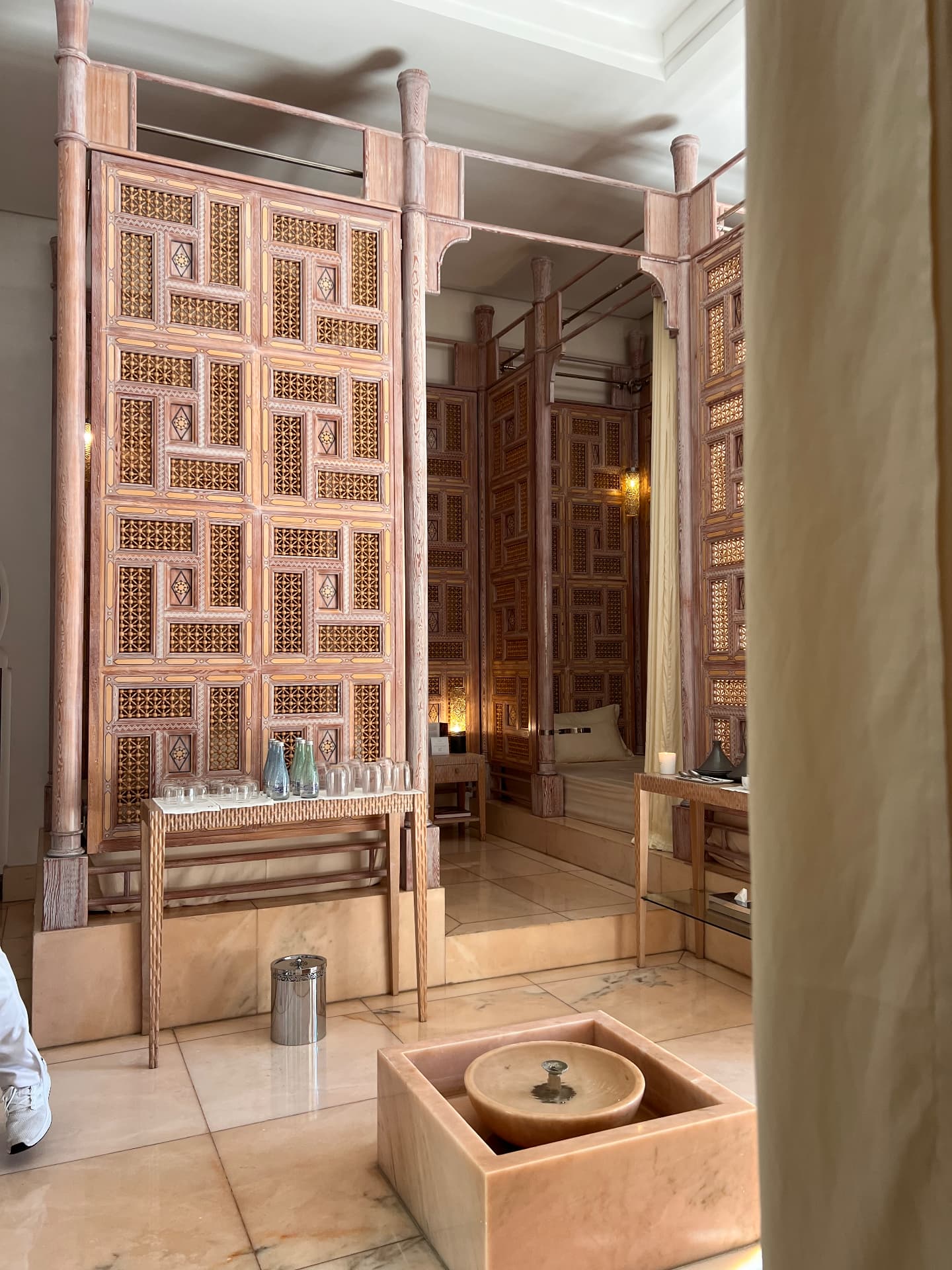
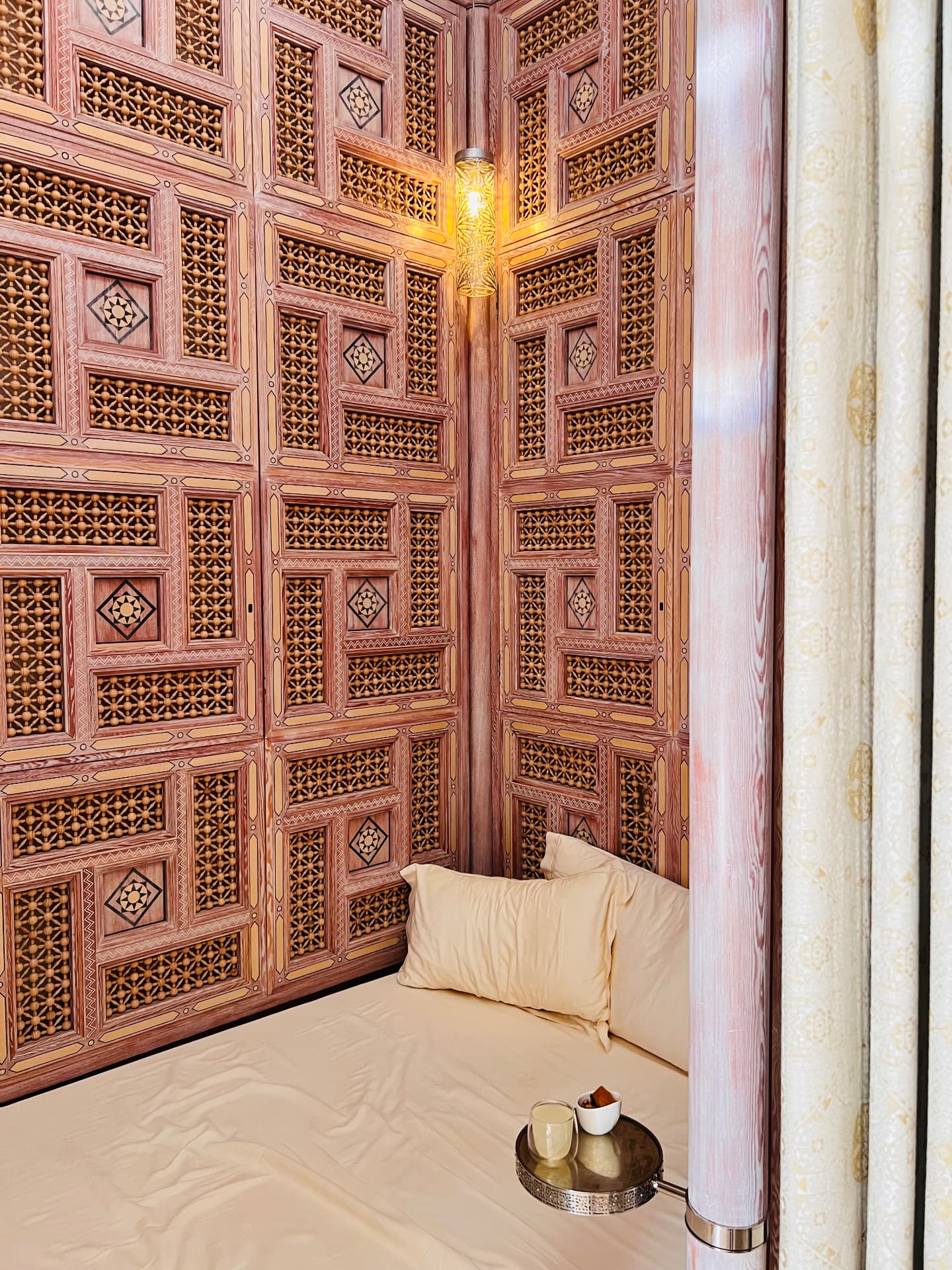
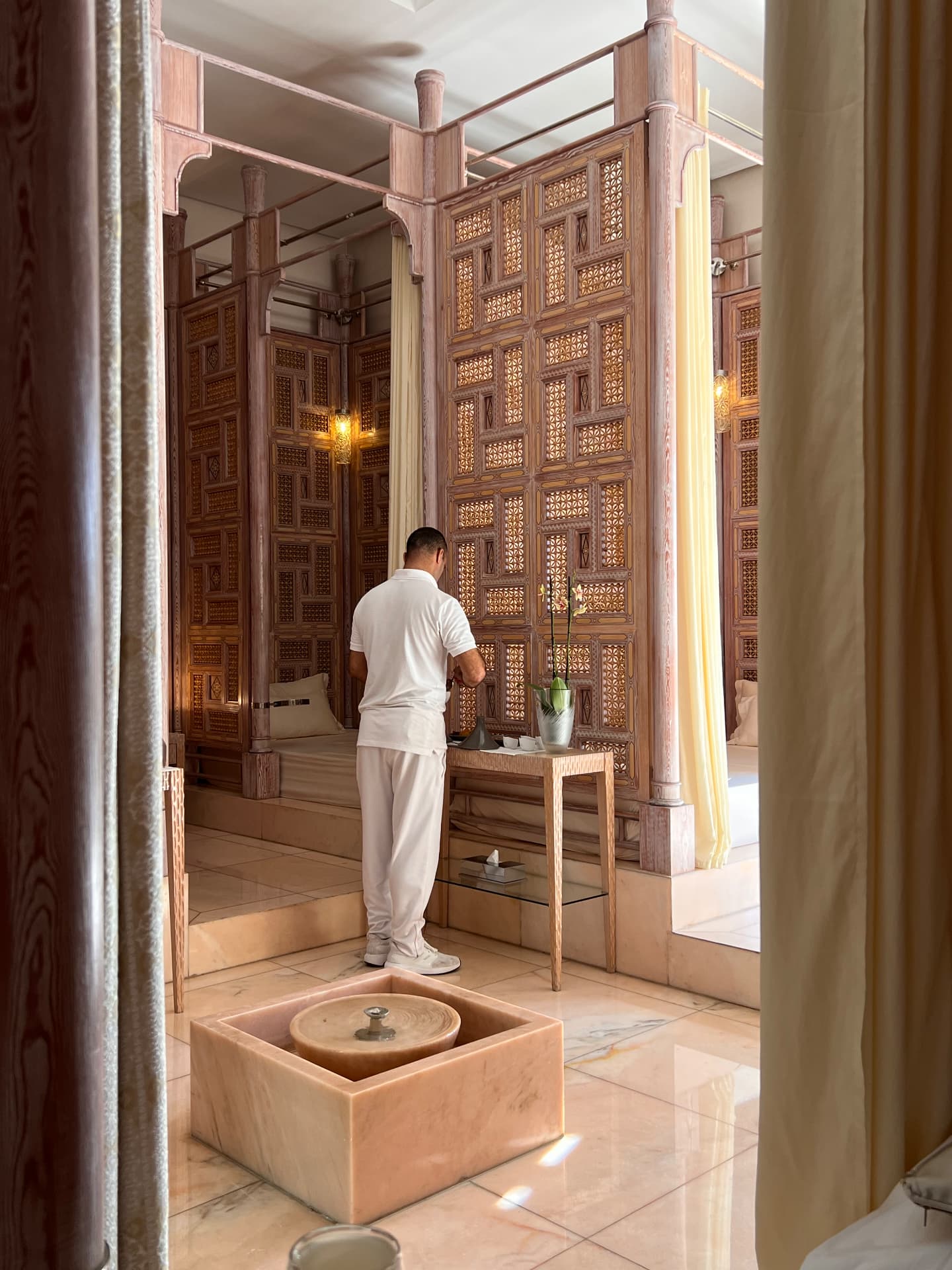
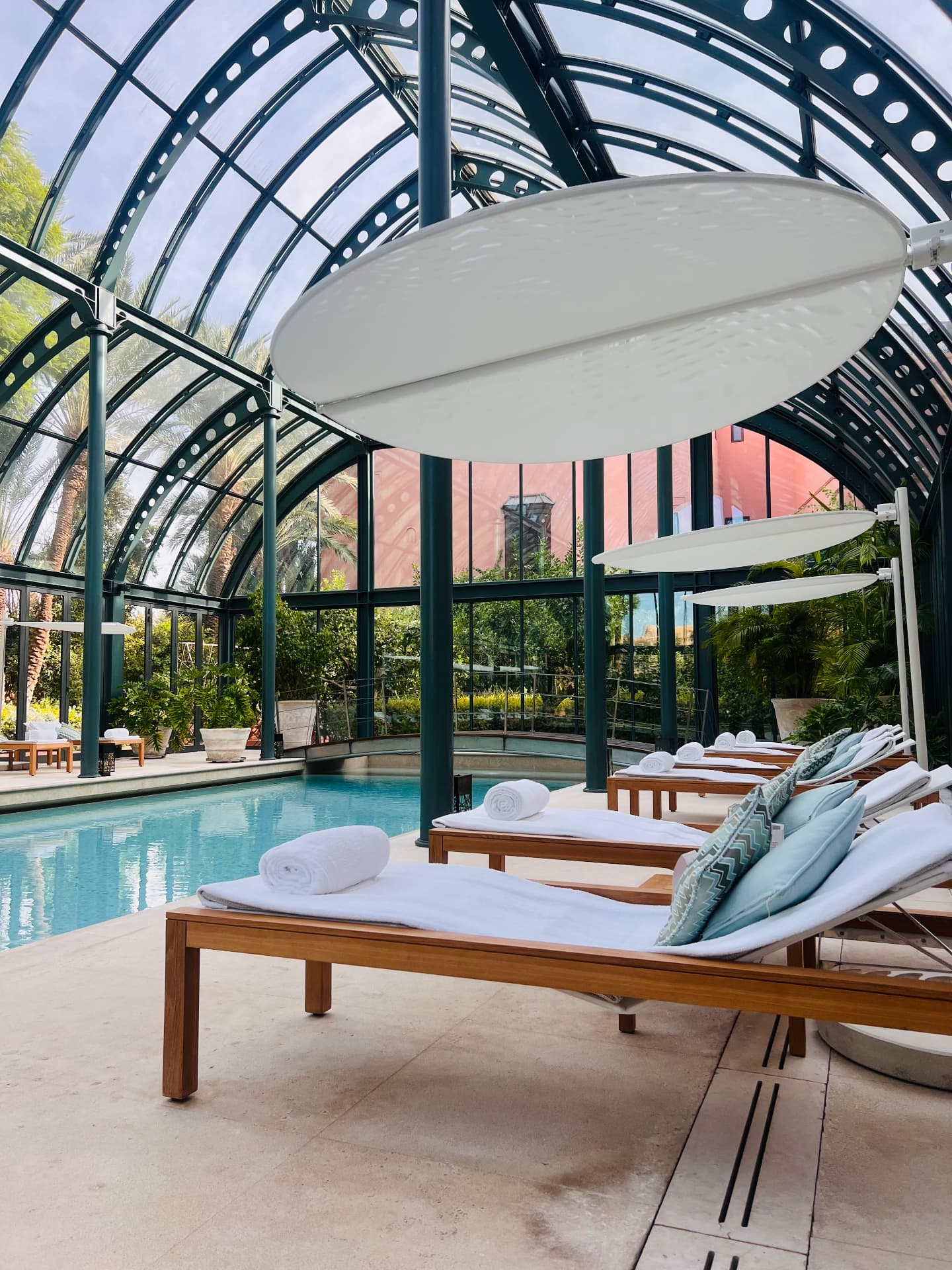
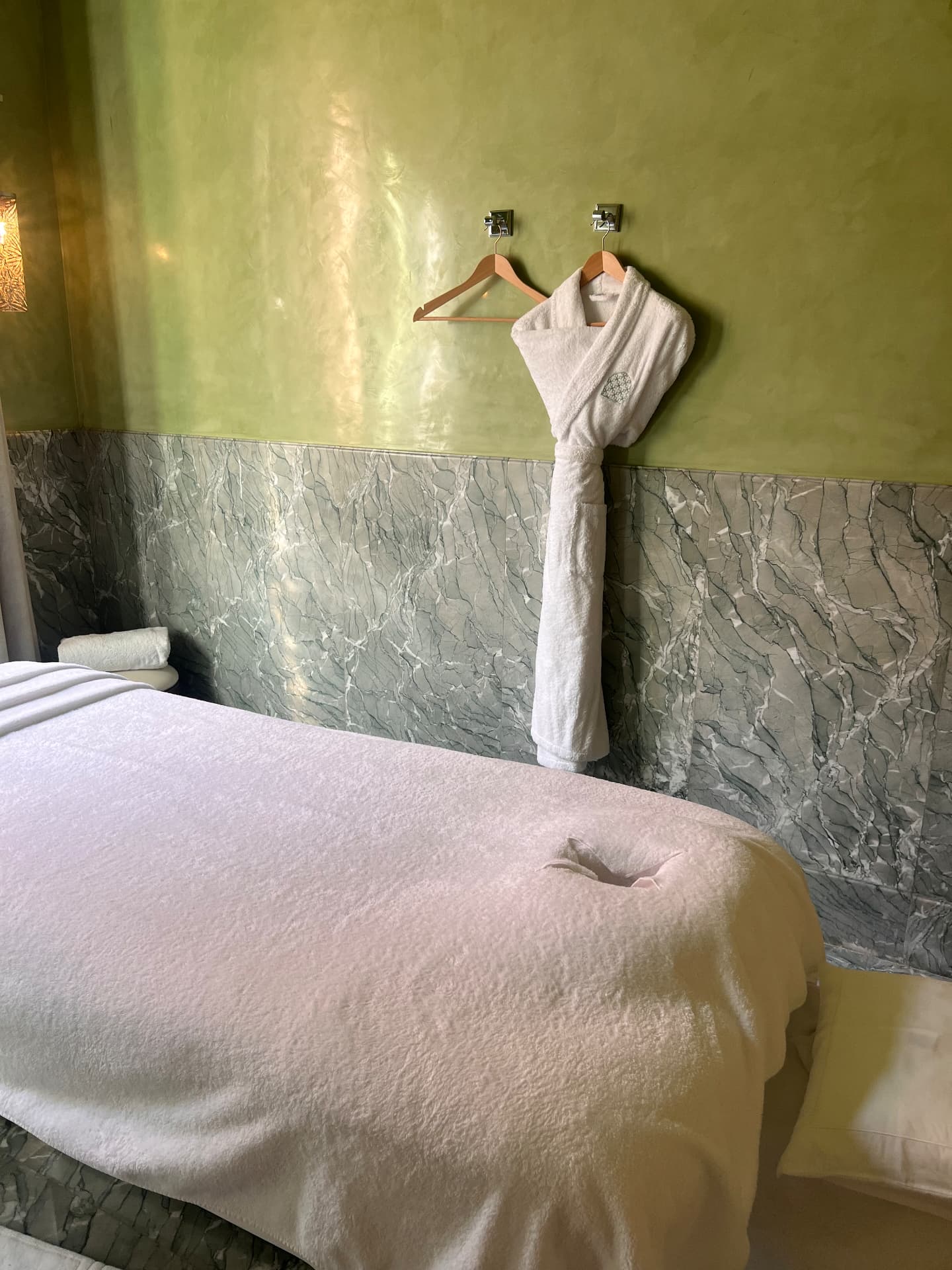
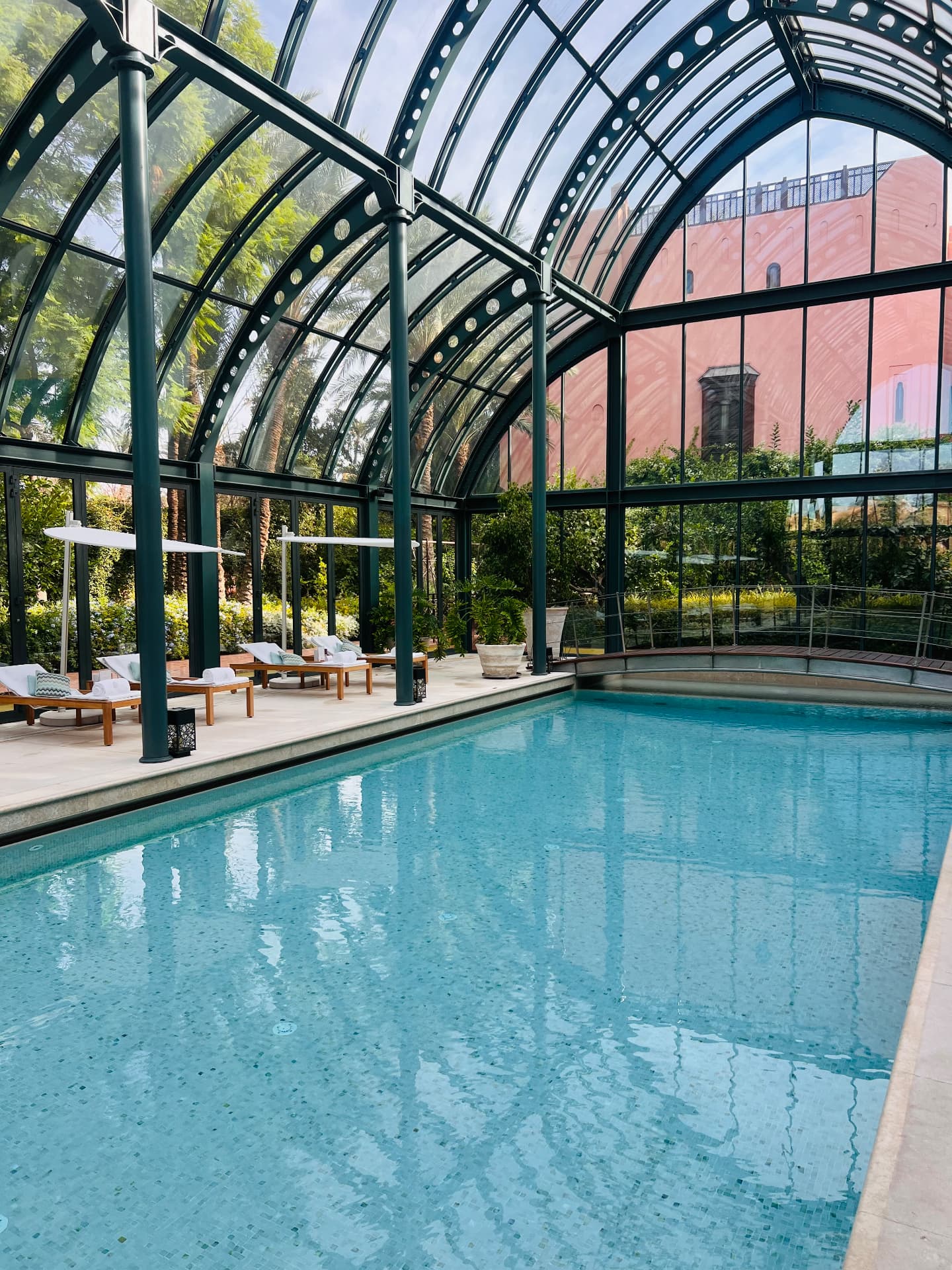
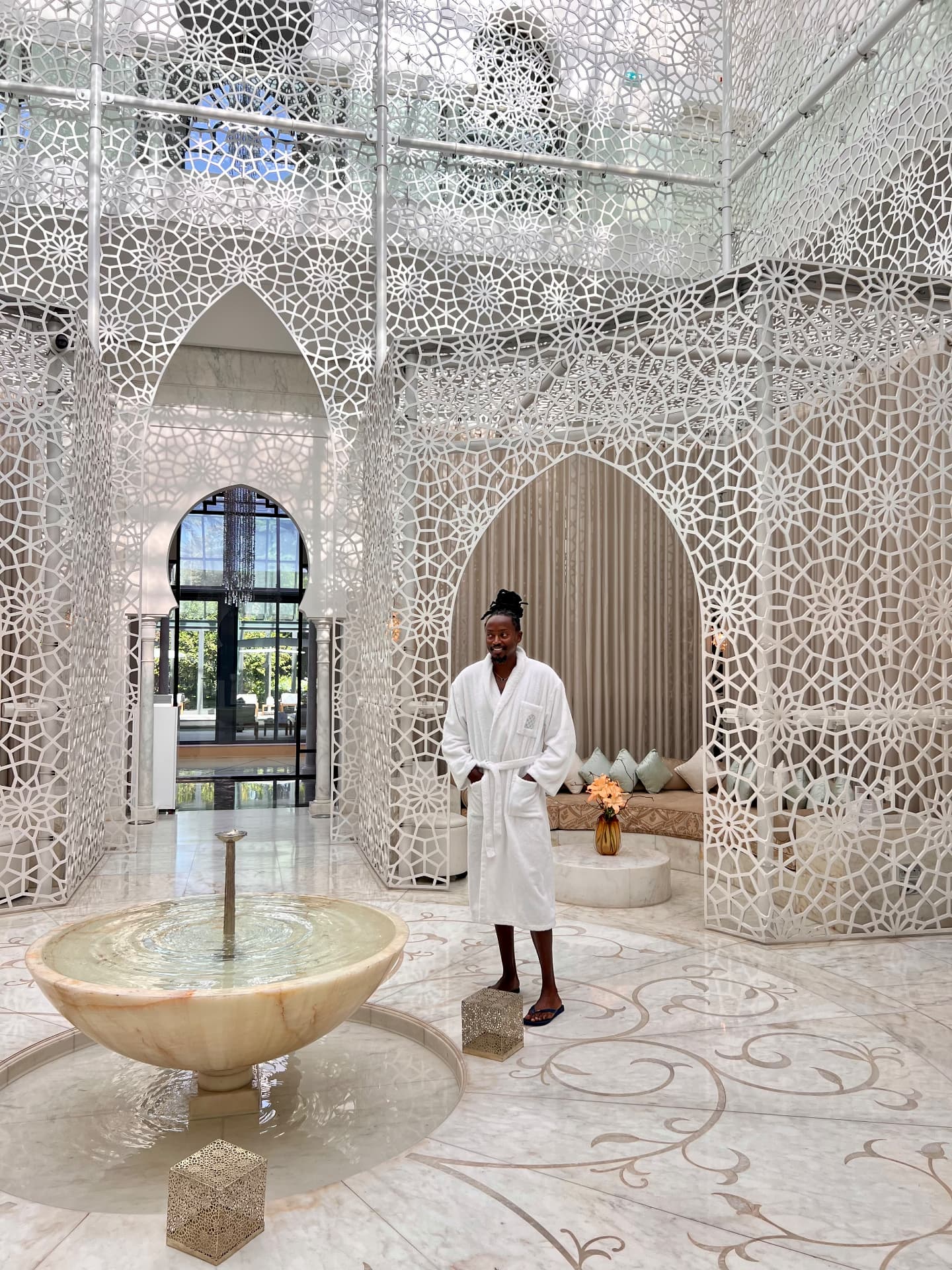
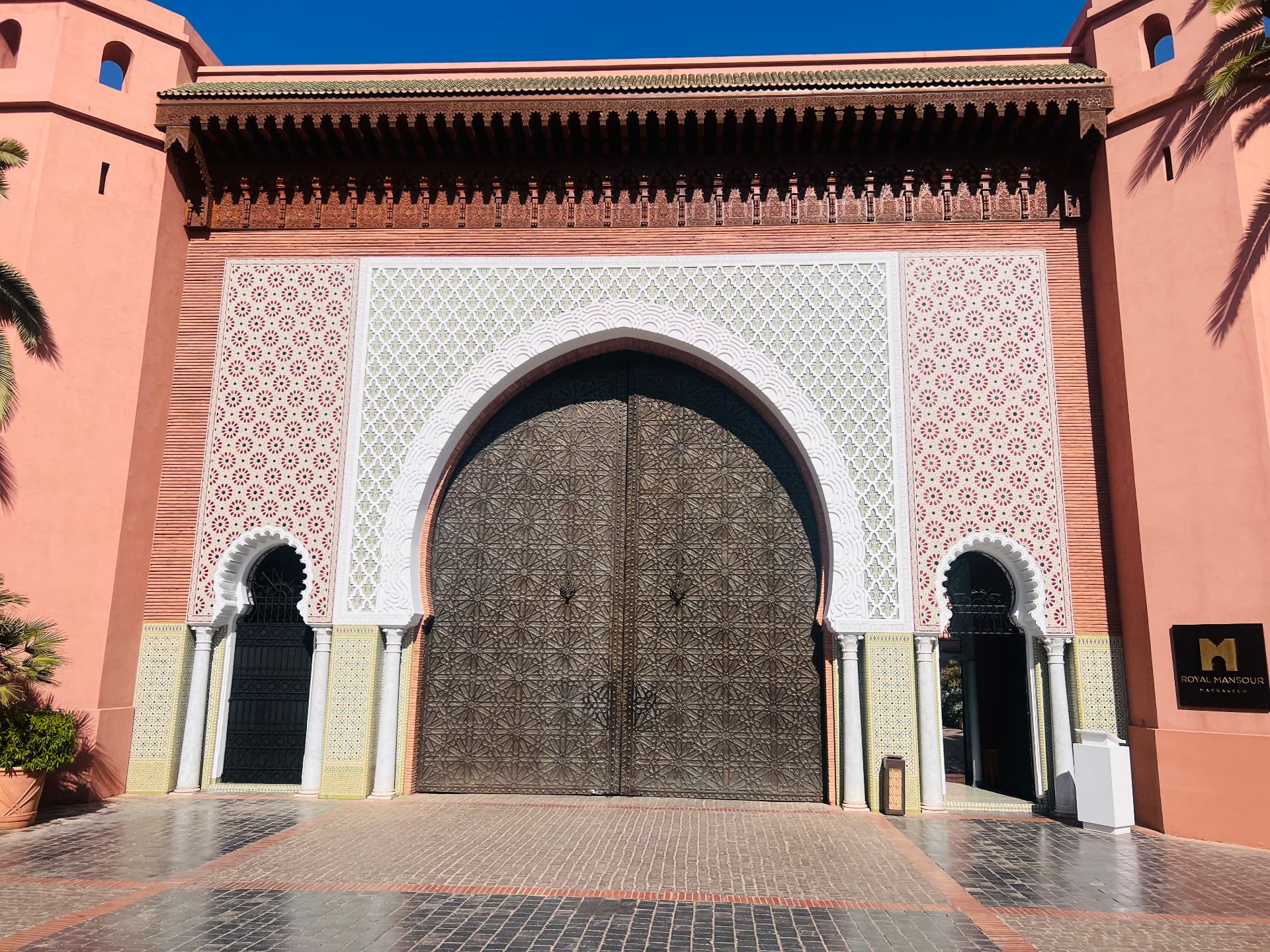
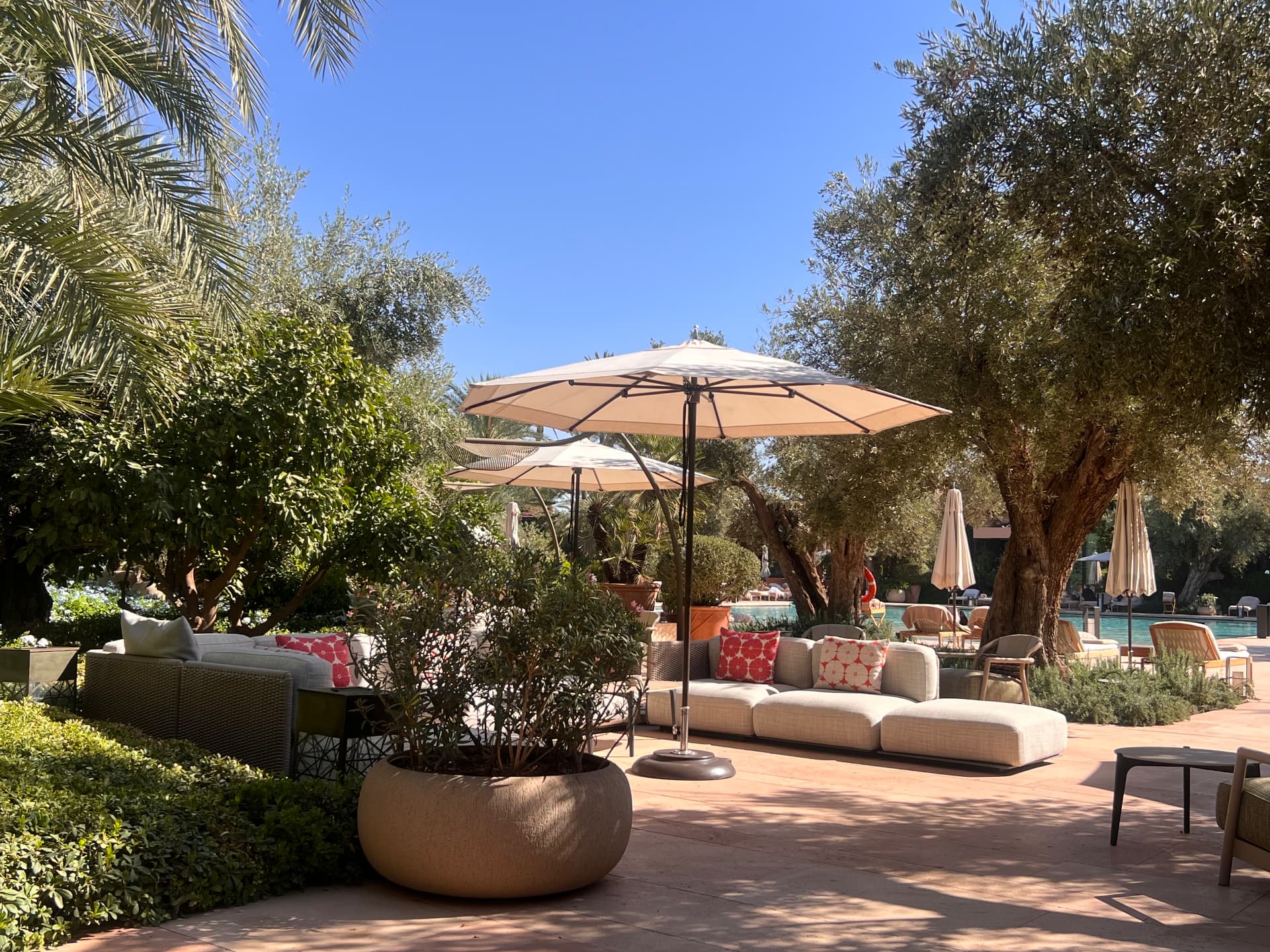
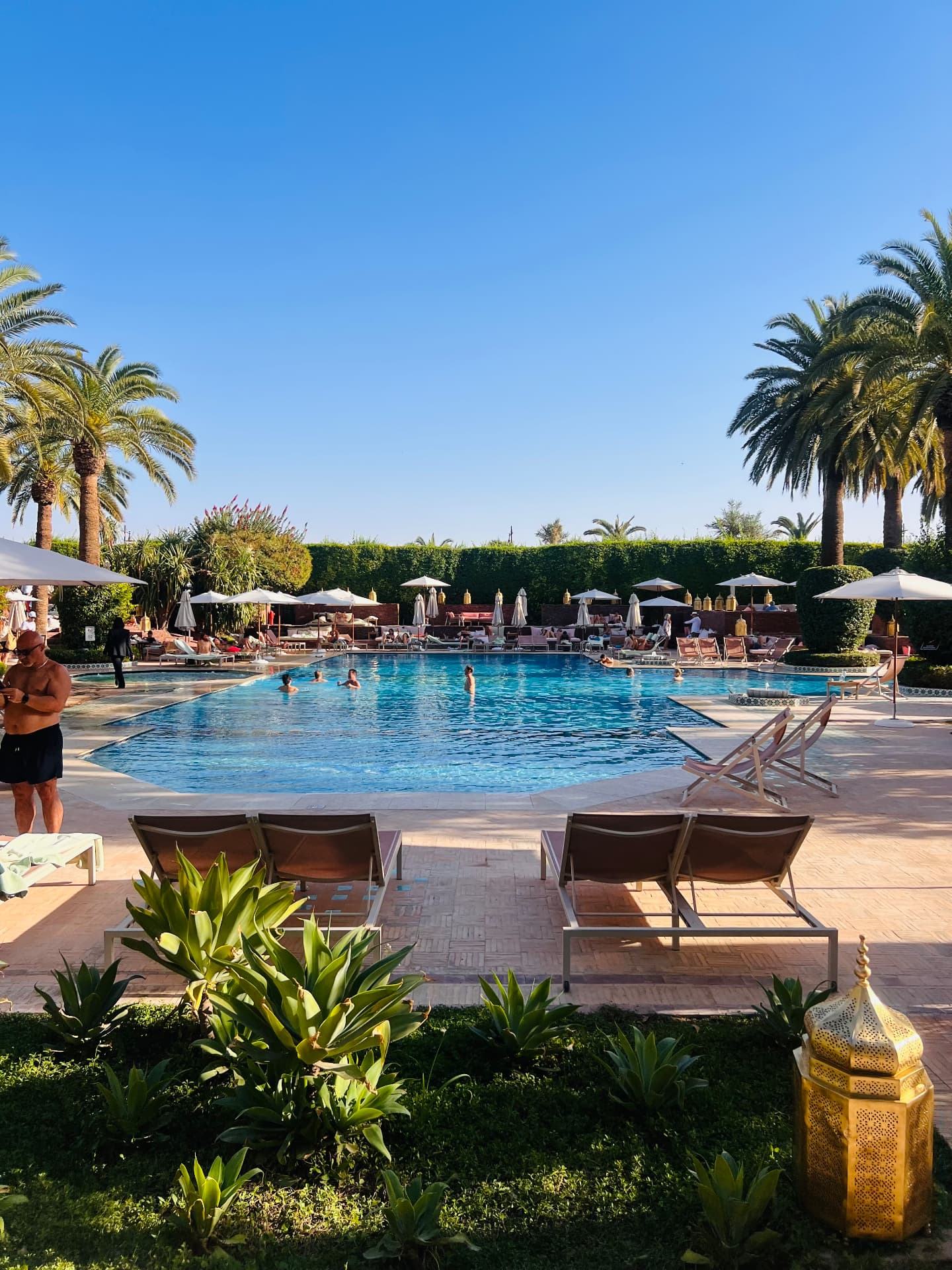
A palace within the medina walls — and the spa alone is worth the journey. My treatments were exceptional from start to finish: unhurried, precise and deeply restoring, in rooms of green tadelakt and grey marble where every detail is considered. The white lace atrium, the glasshouse pool and the quiet relaxation beds make it one of the most beautiful spas I have ever seen. And the service is on another level entirely — warm, discreet and always one step ahead, the kind of care that makes you feel like the only guest in the house.
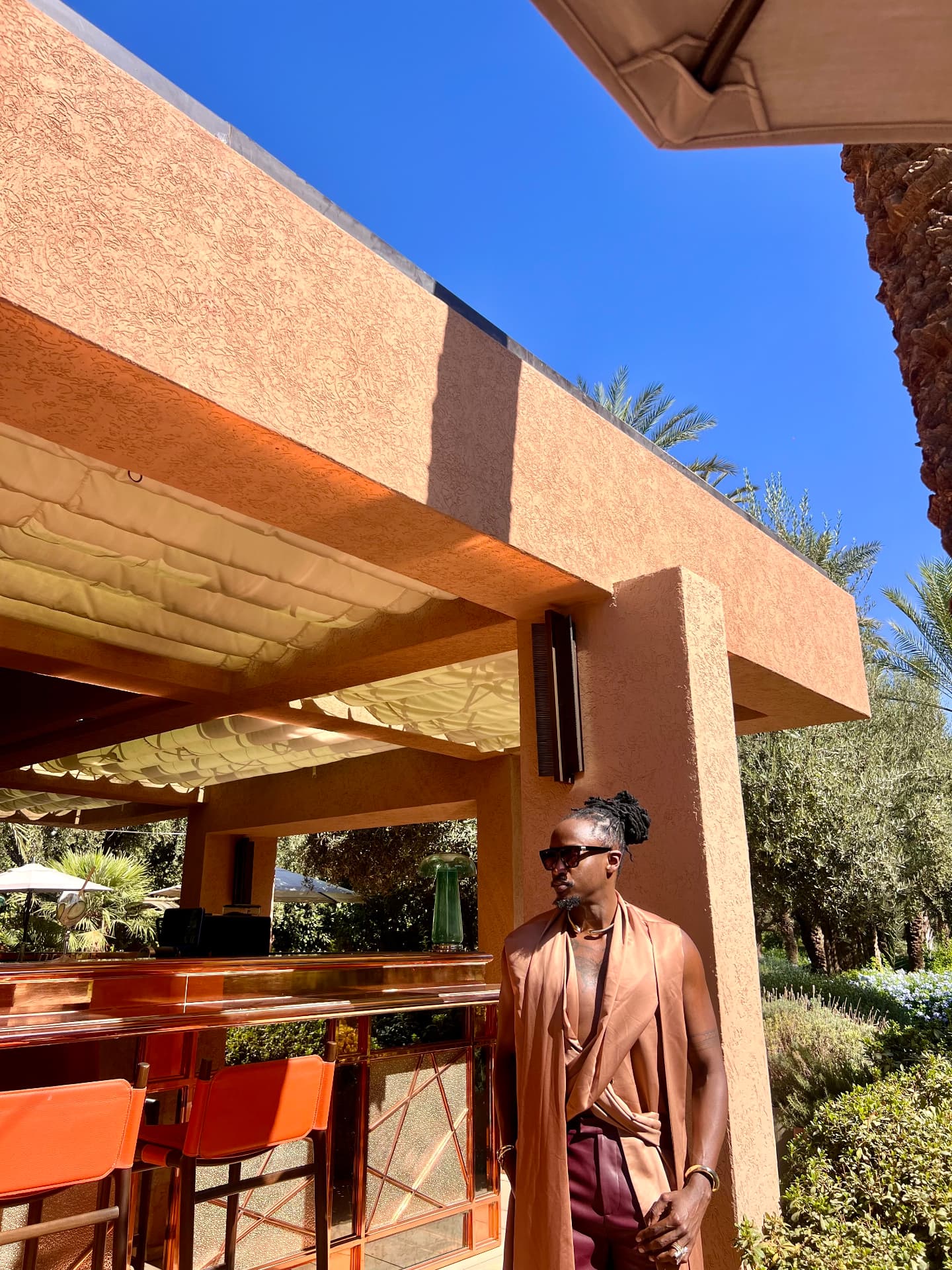
Sofitel
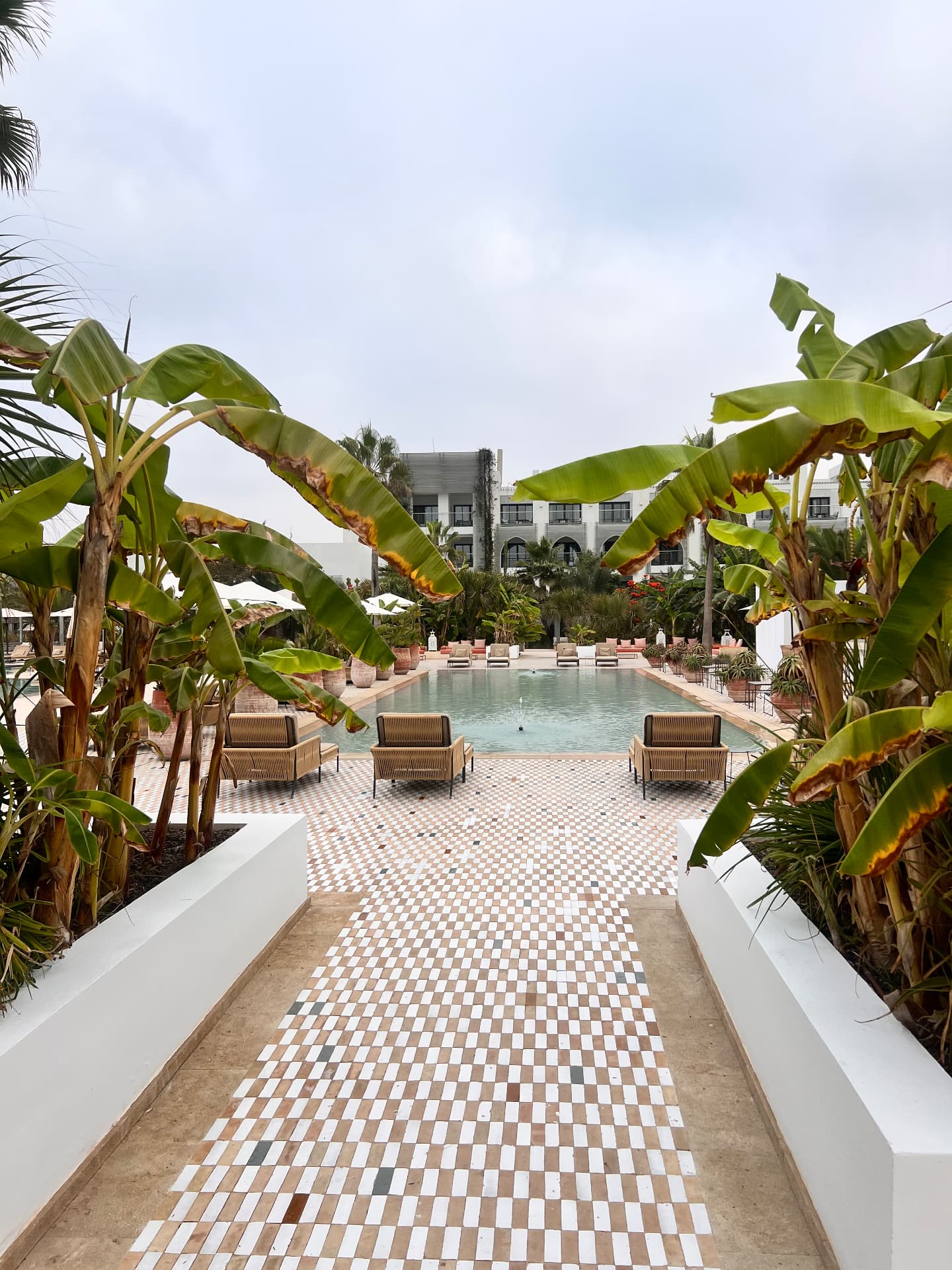
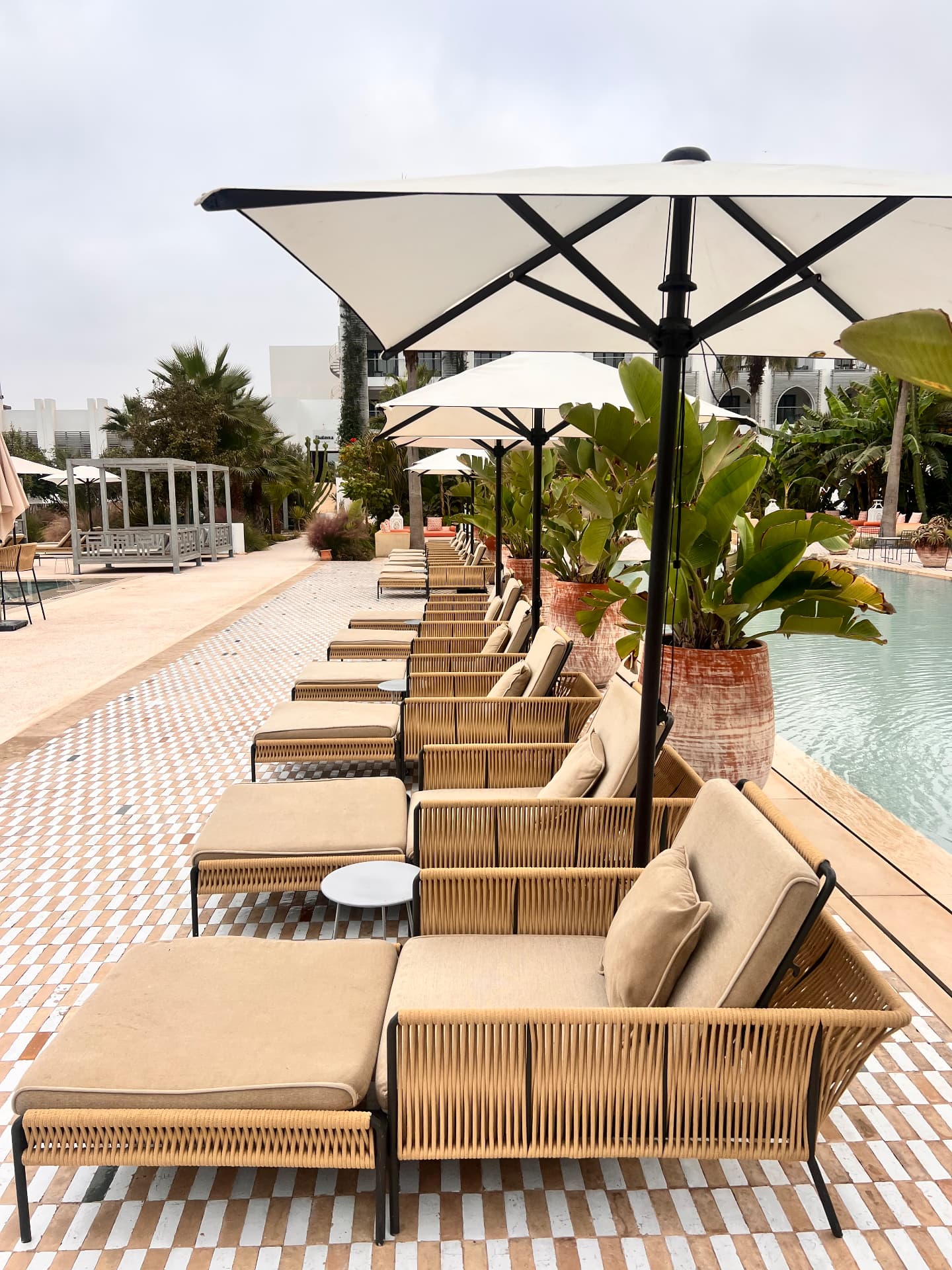
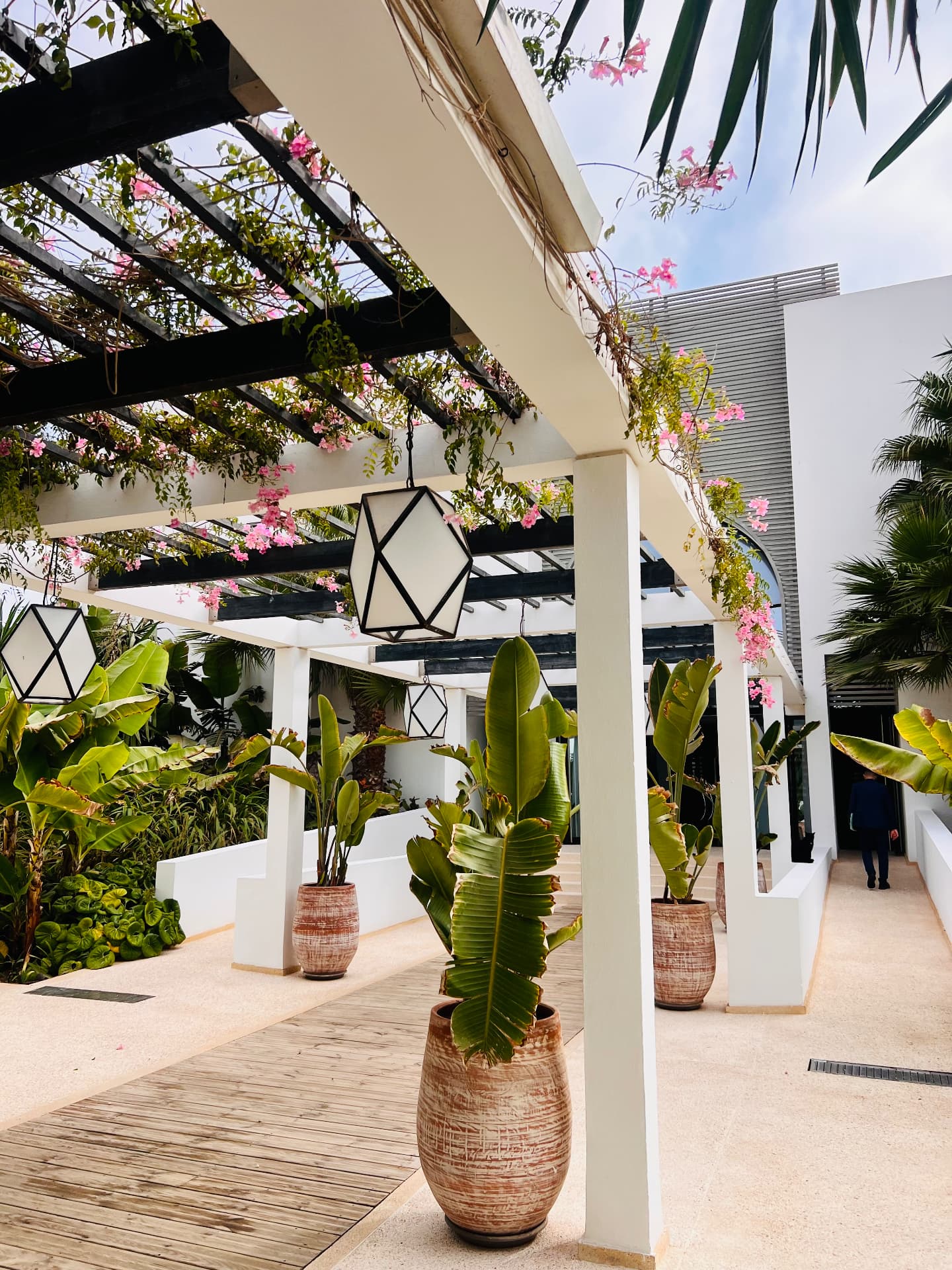
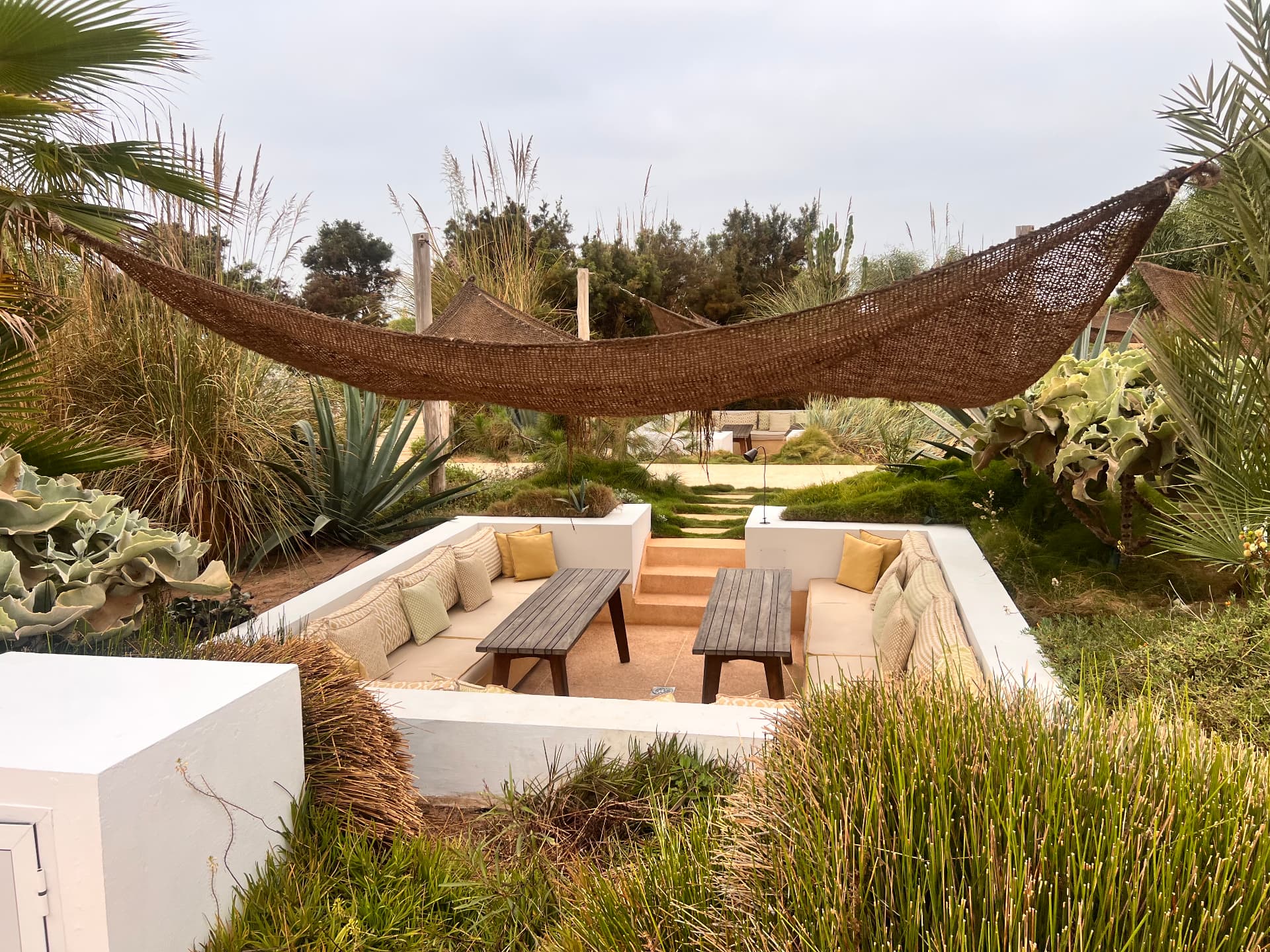
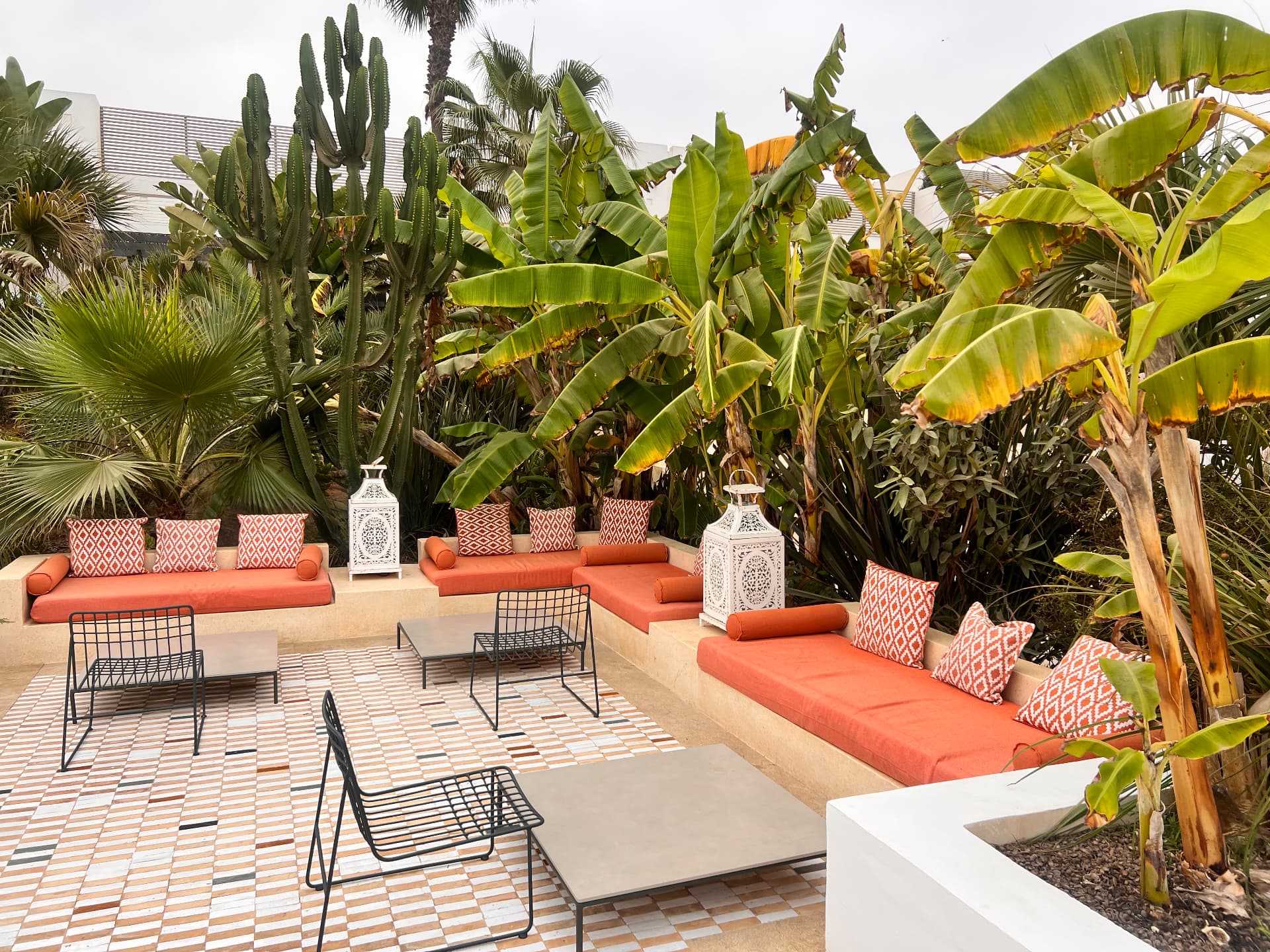
The Sofitel Marrakech Palais Impérial & Spa is a palace of white arches and palm-filled gardens in the Hivernage district, where French art de vivre meets Moroccan craftsmanship. Days here drift between the mosaic-tiled pool walkways, the shaded garden lounges with their orange cushions and lanterns, and the So Spa's hammams and treatments. The bougainvillea-draped pergolas, the warm service and the calm of the gardens made it one of the most relaxing stays of the trip.
Marina Agadir
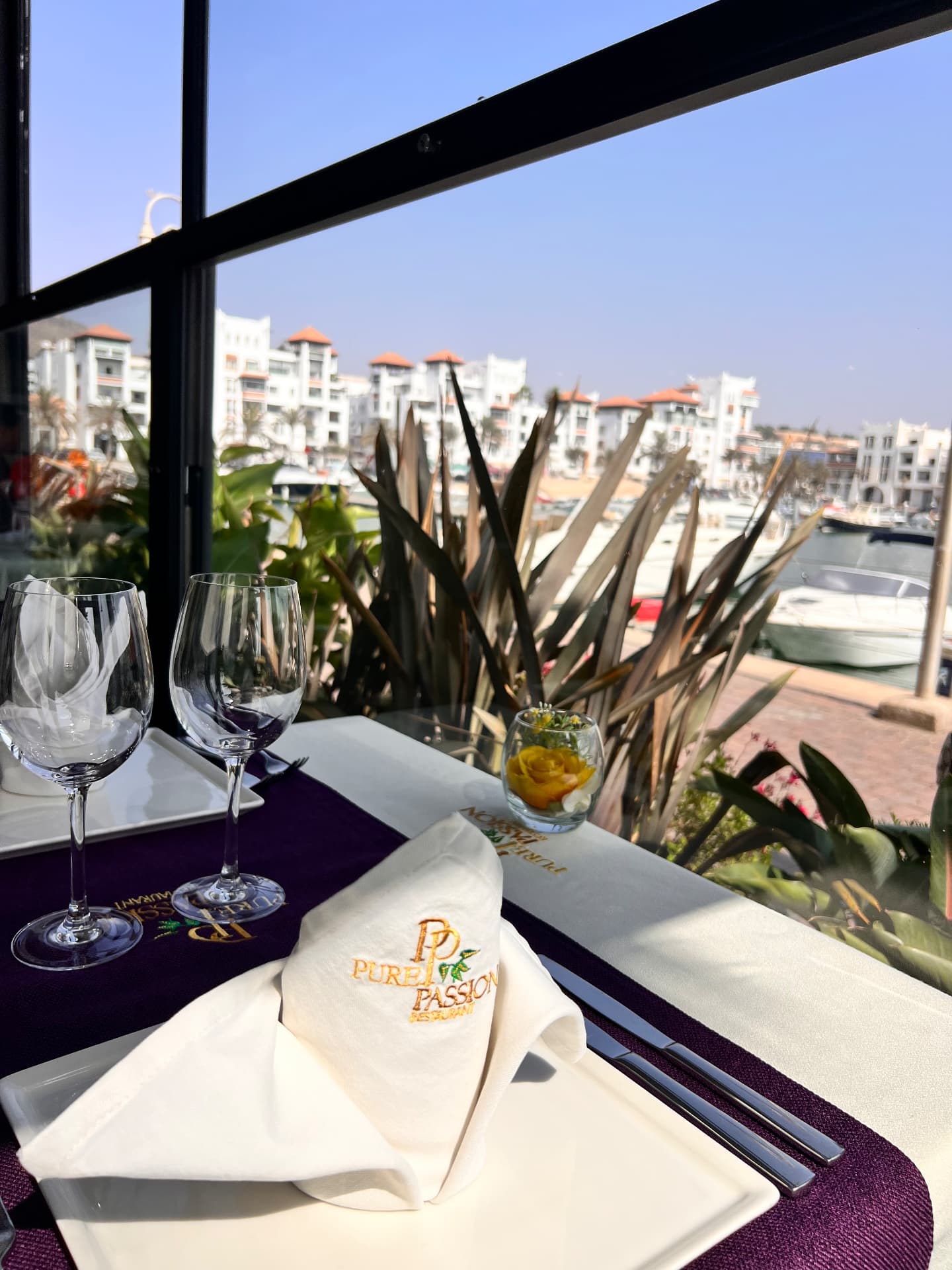
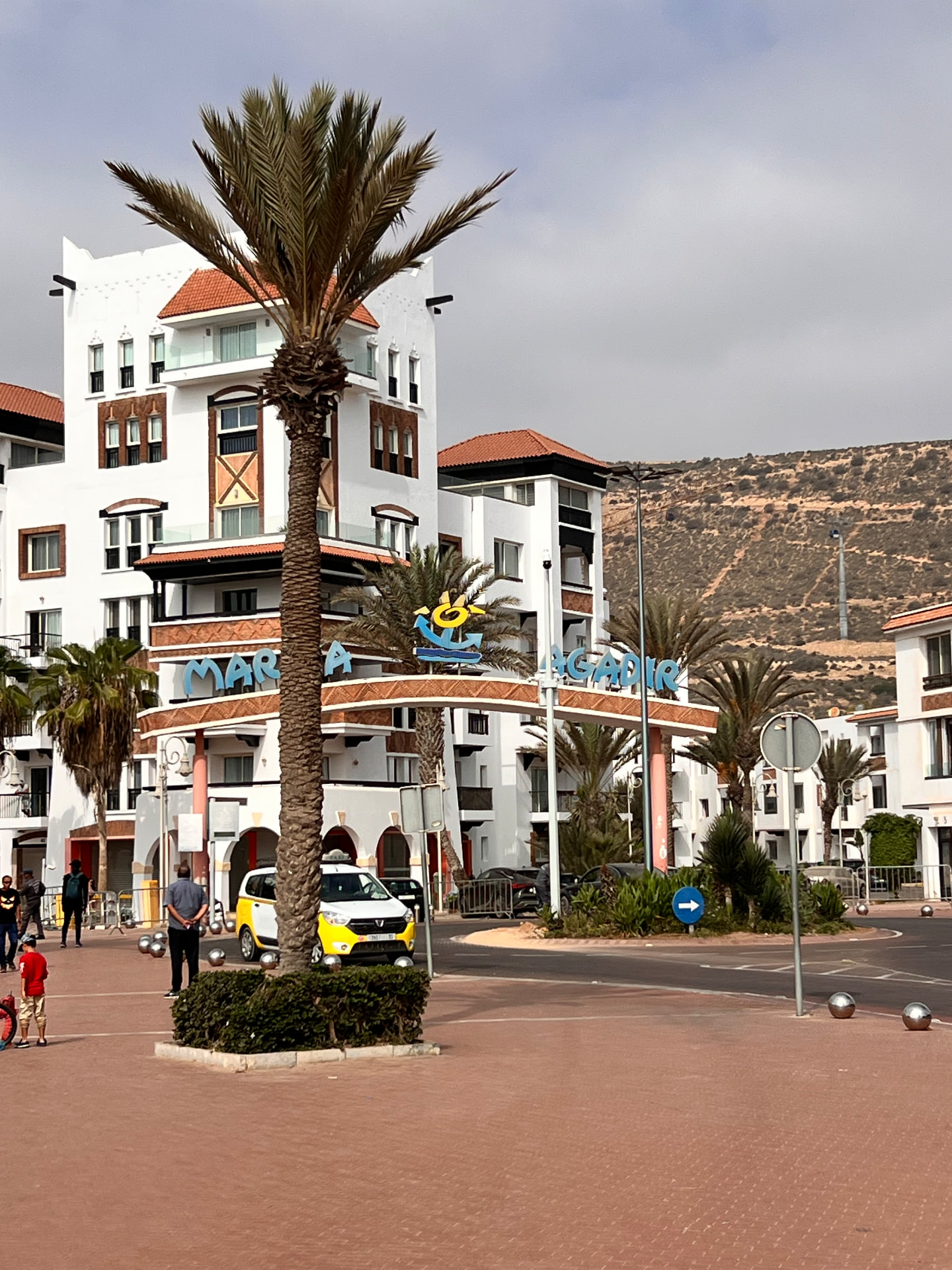
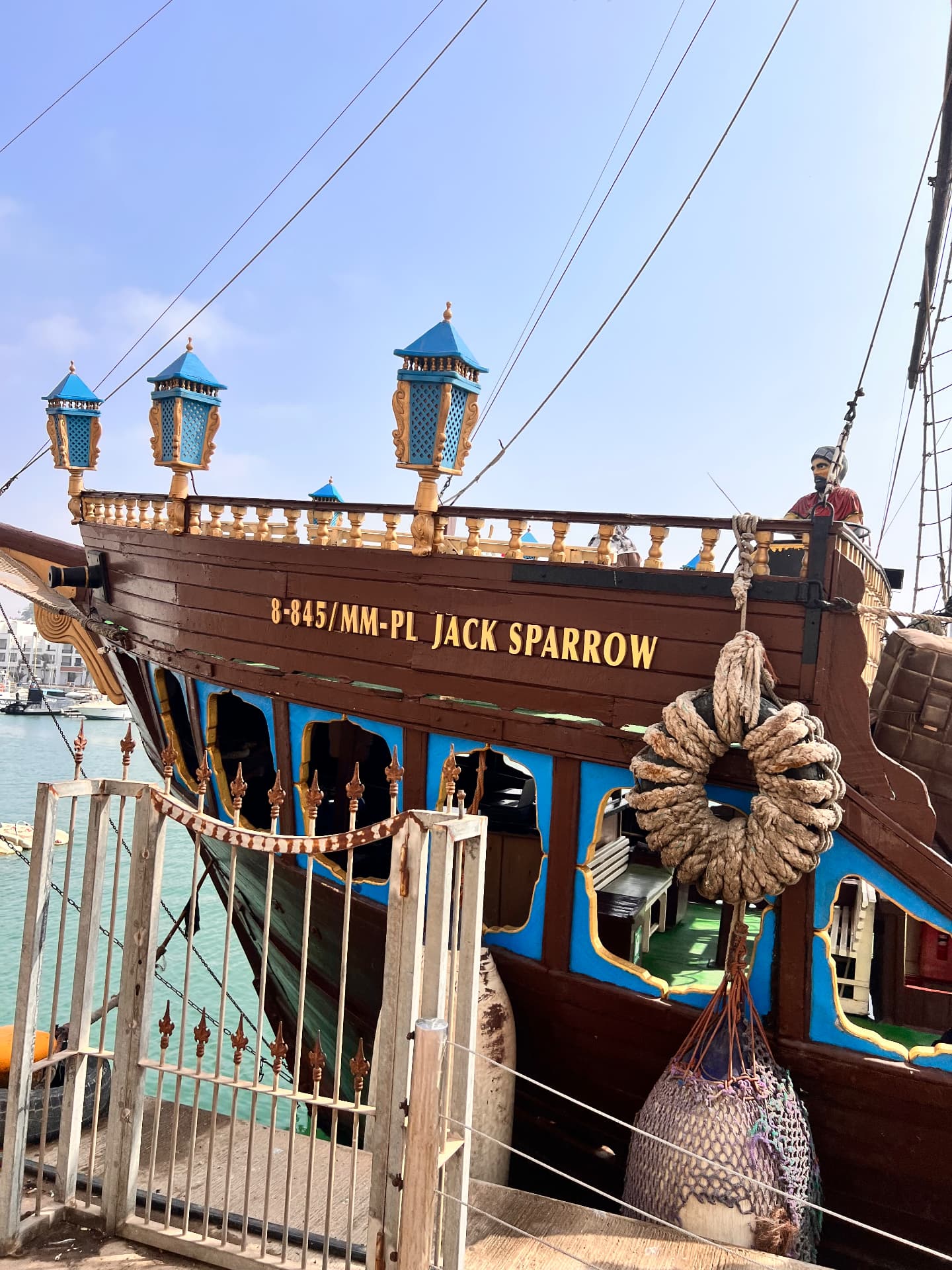
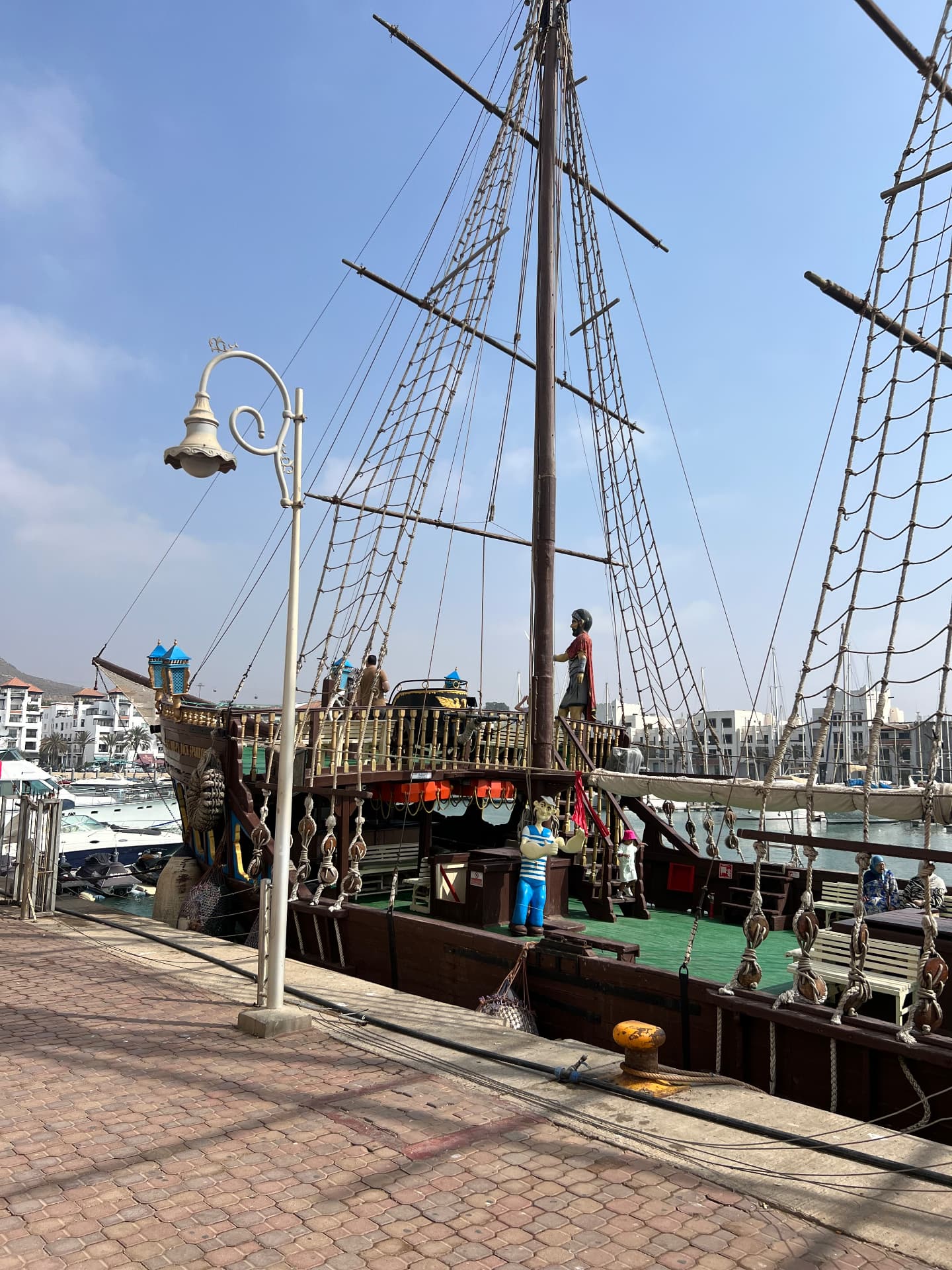
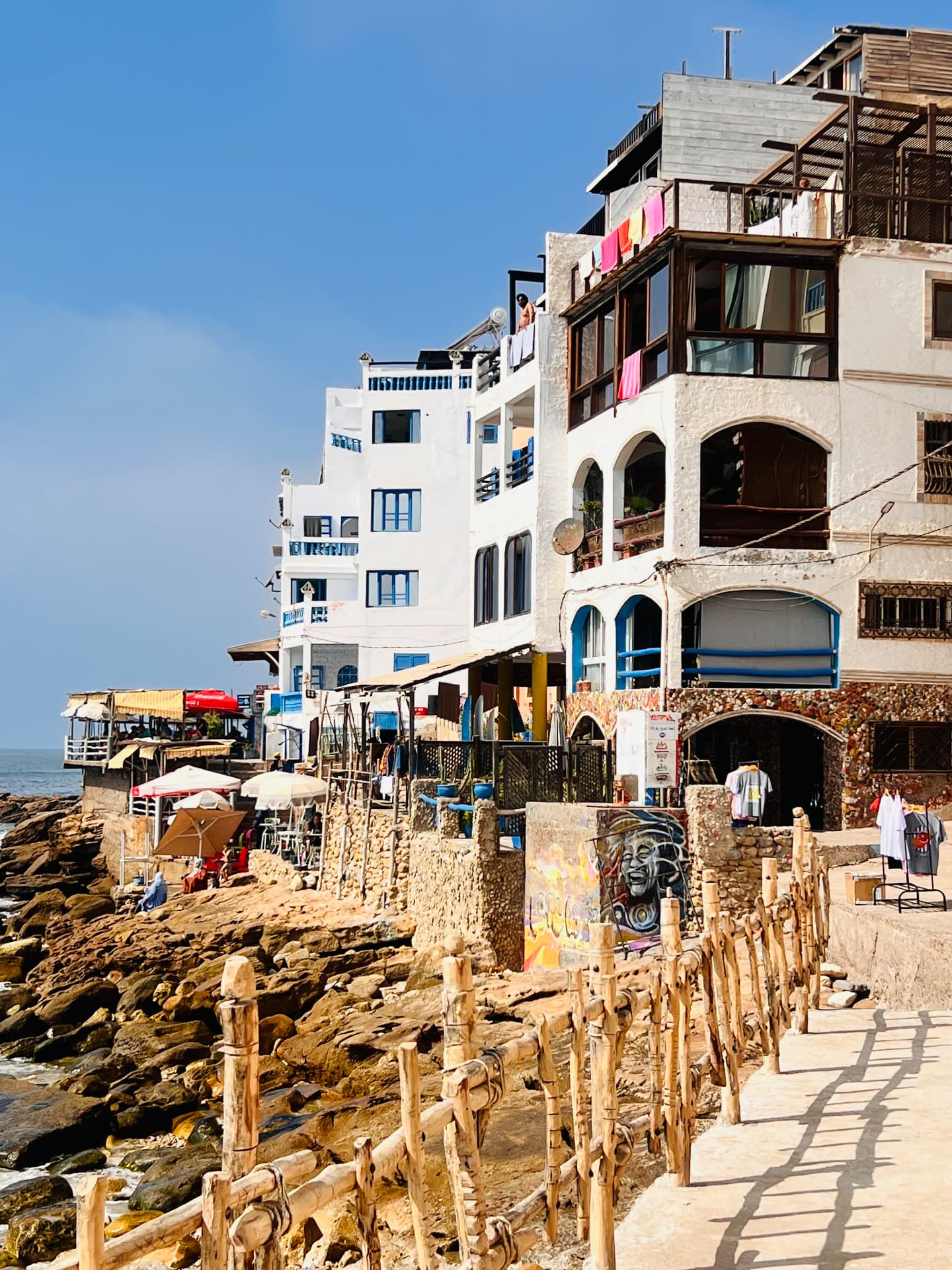
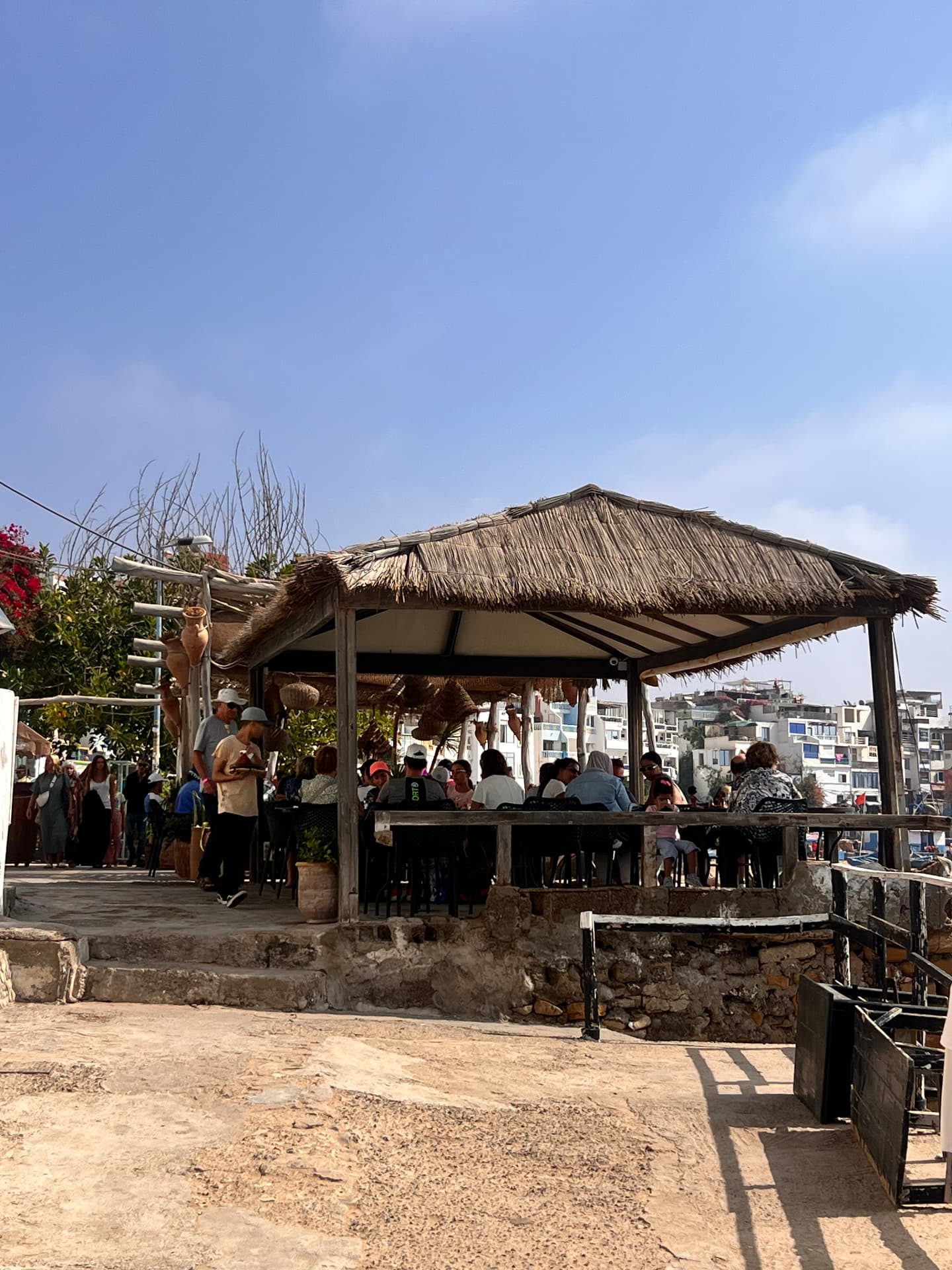
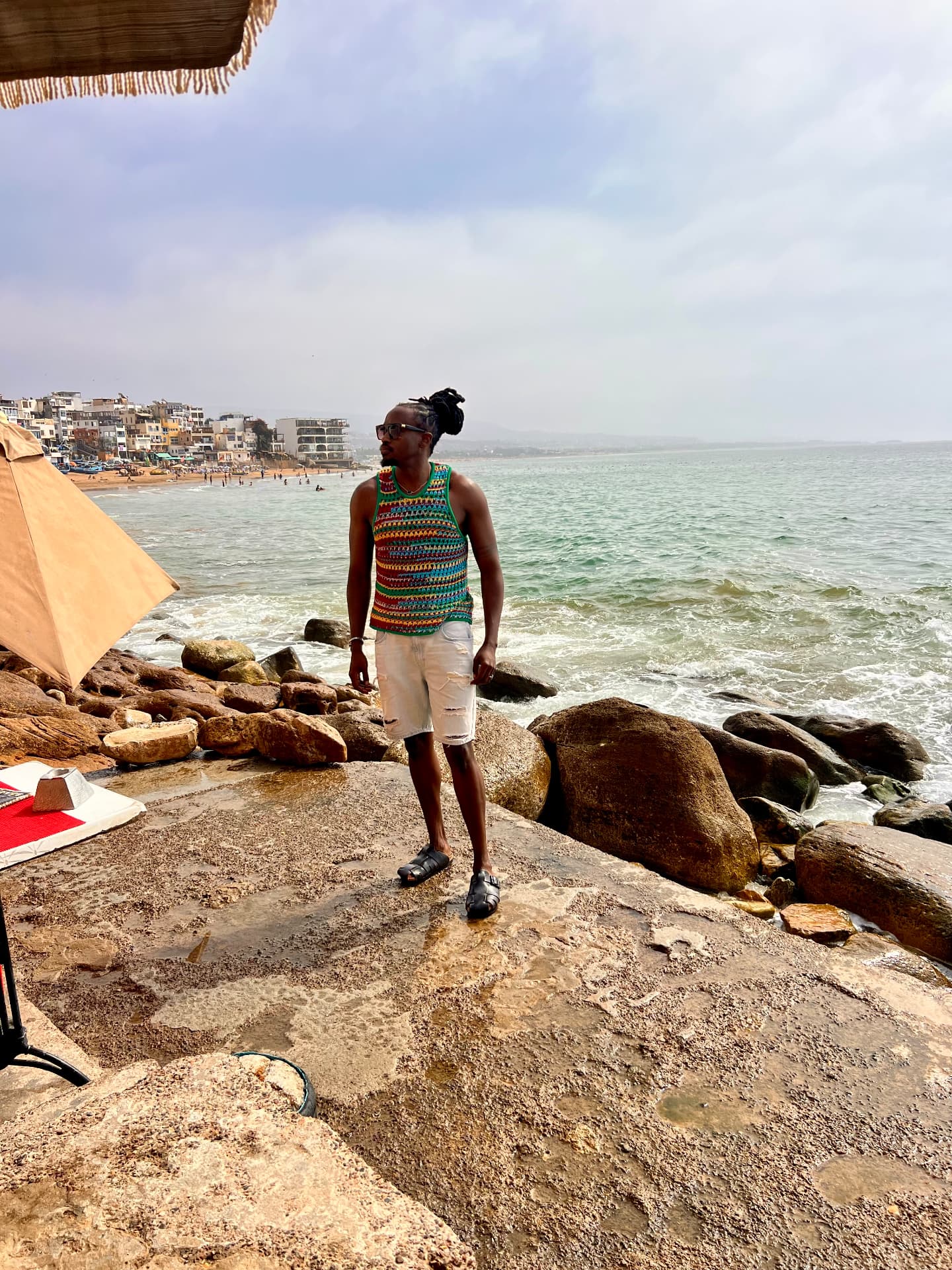
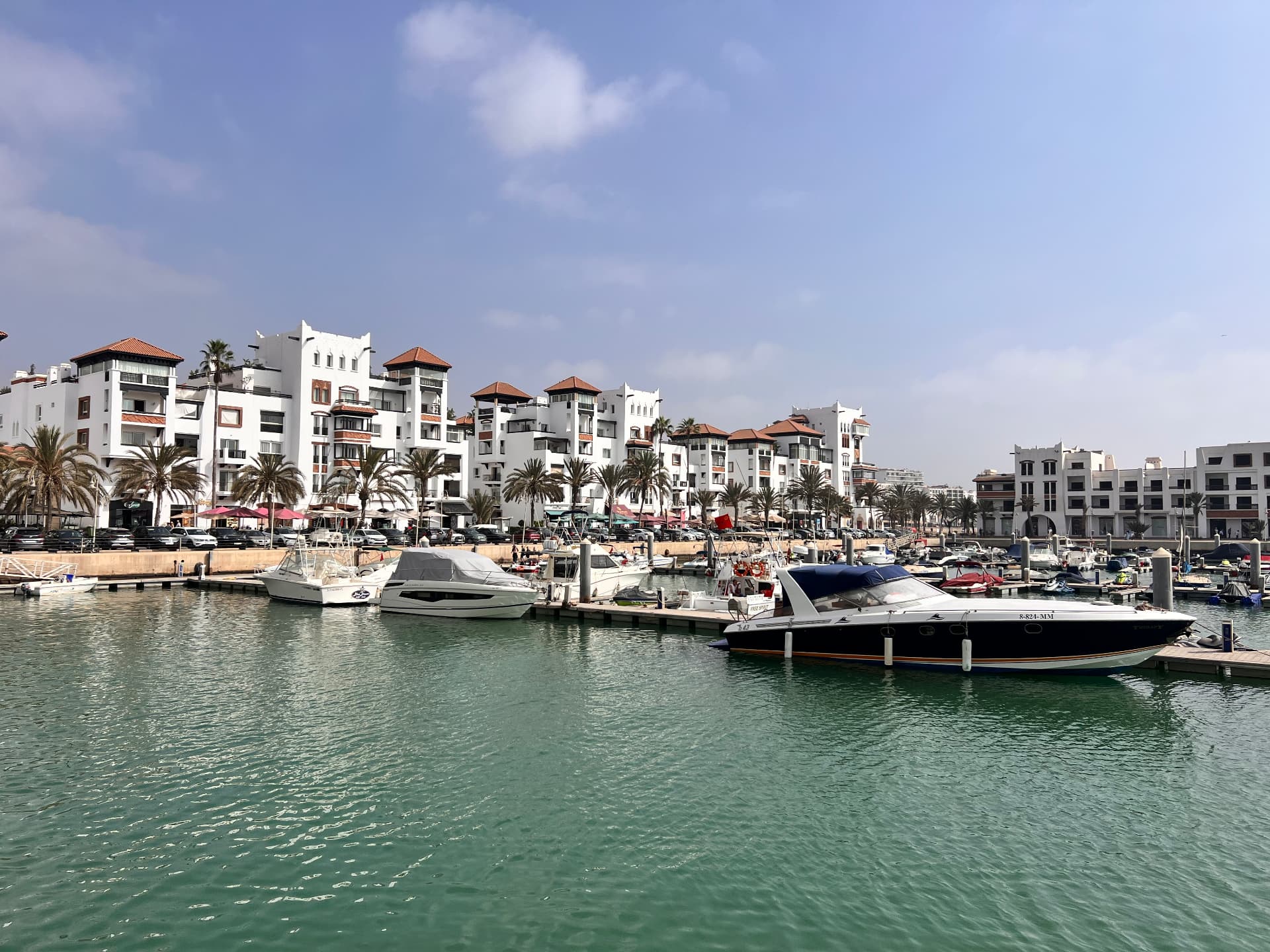
Agadir's marina is the city's polished seaside quarter — yachts and fishing boats moored beneath whitewashed, terracotta-roofed residences, with palm-lined promenades of cafés and restaurants running along the water. From here boat trips head out onto the Atlantic, including the old wooden galleon Jack Sparrow, and the long golden beach stretches for kilometres under nearly year-round sunshine. A slow lunch by the rocks, watching the waves come in, was the perfect way to end the Moroccan journey.
The YSL museum
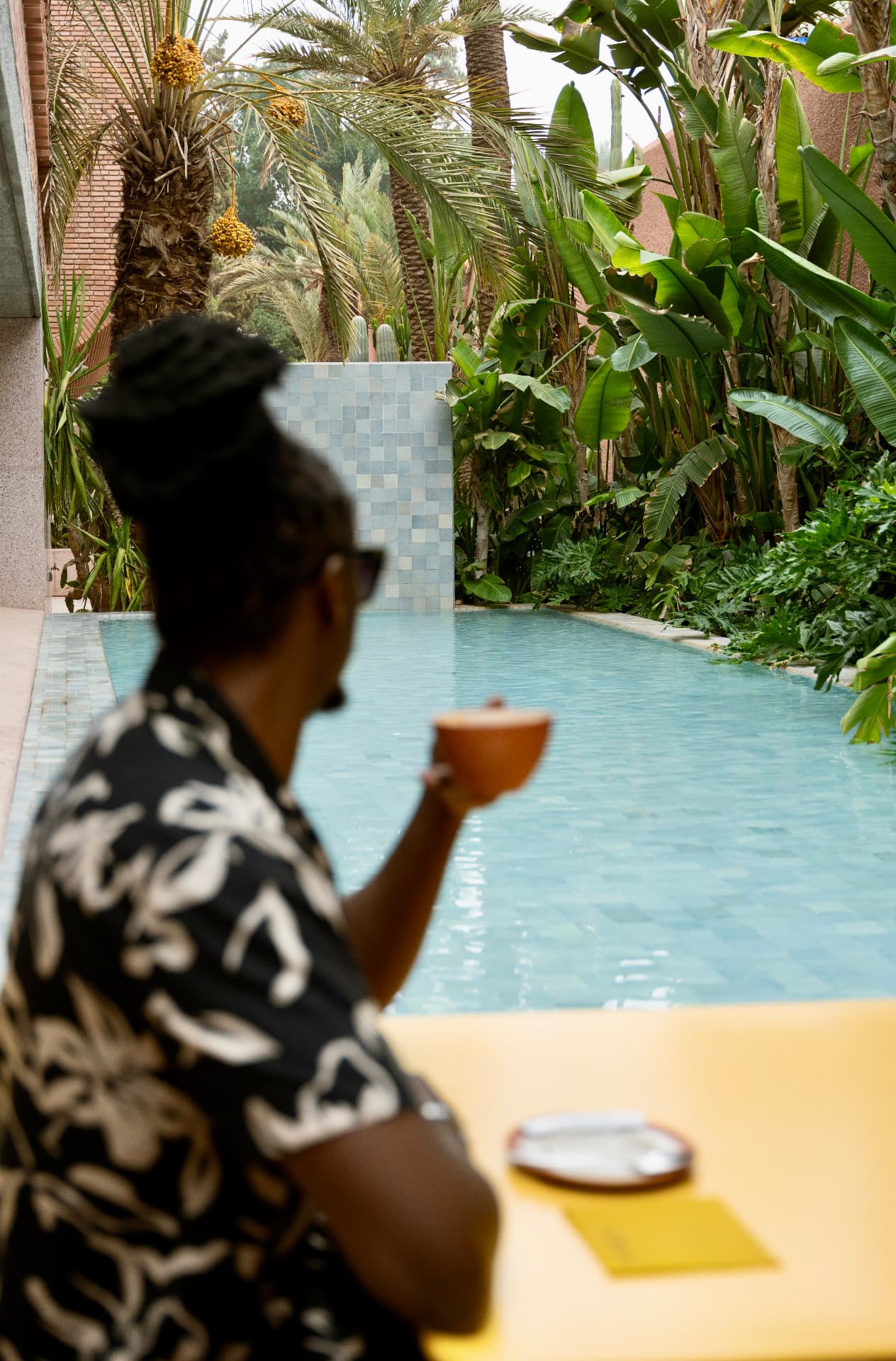
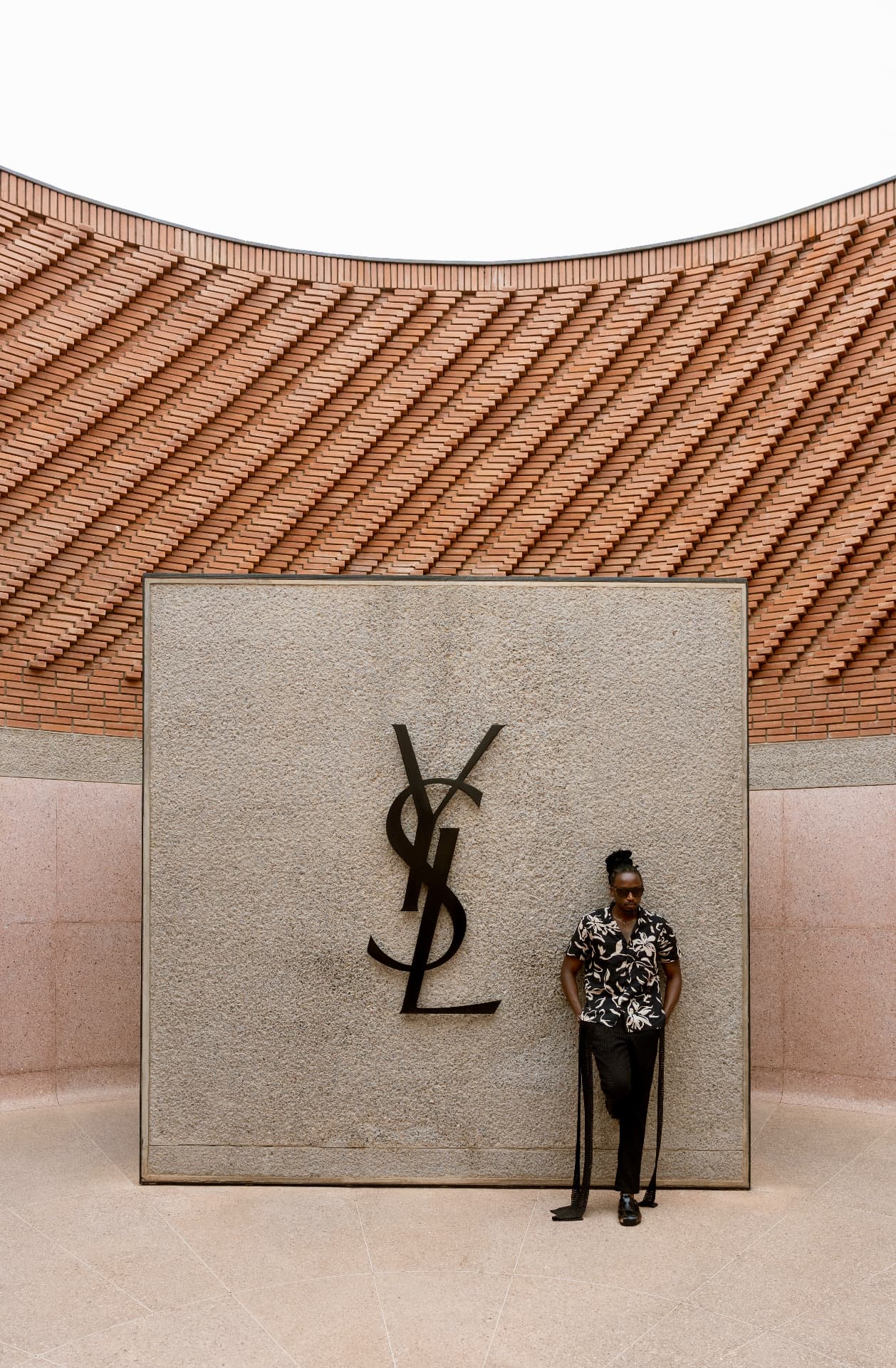
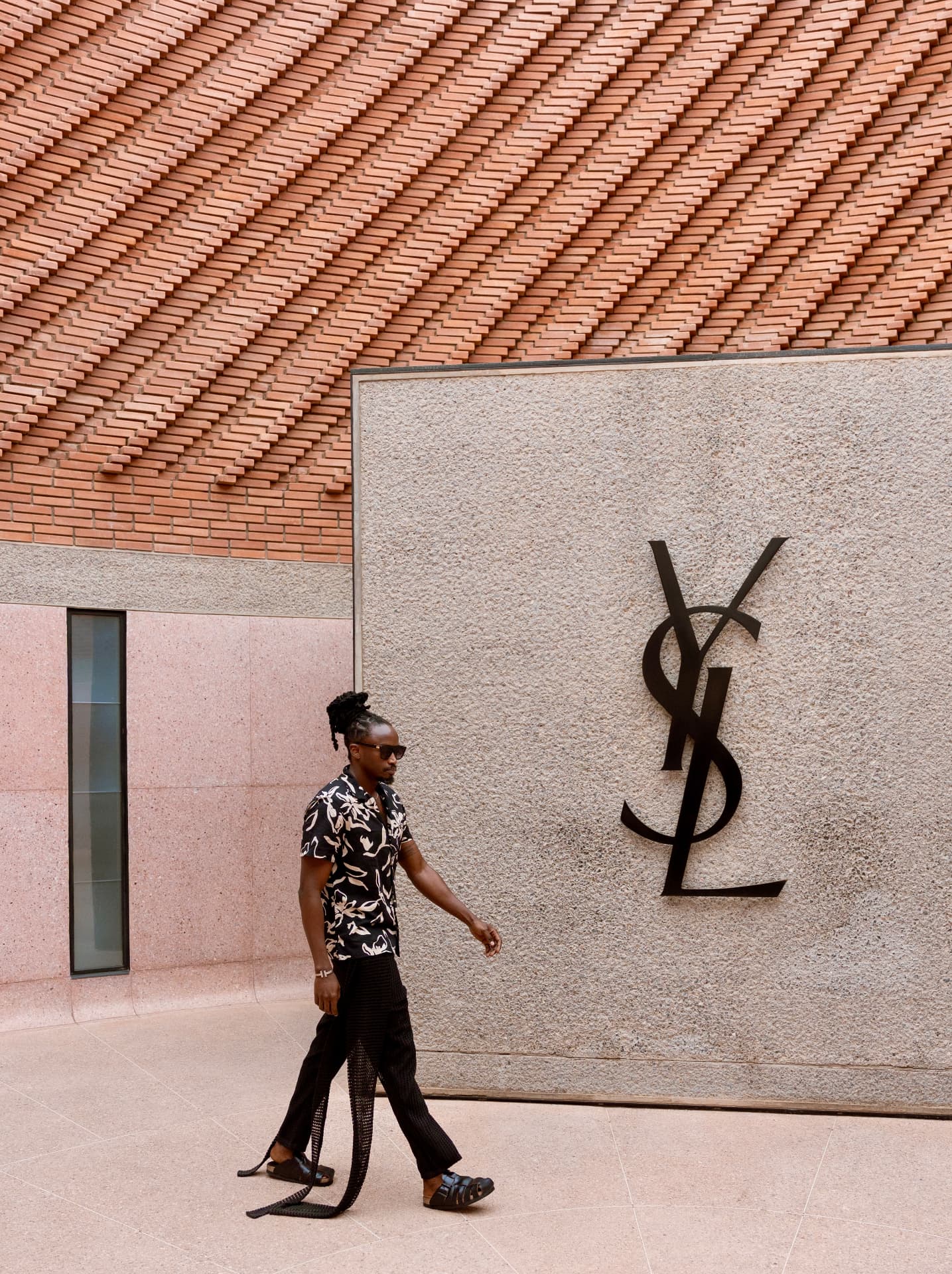
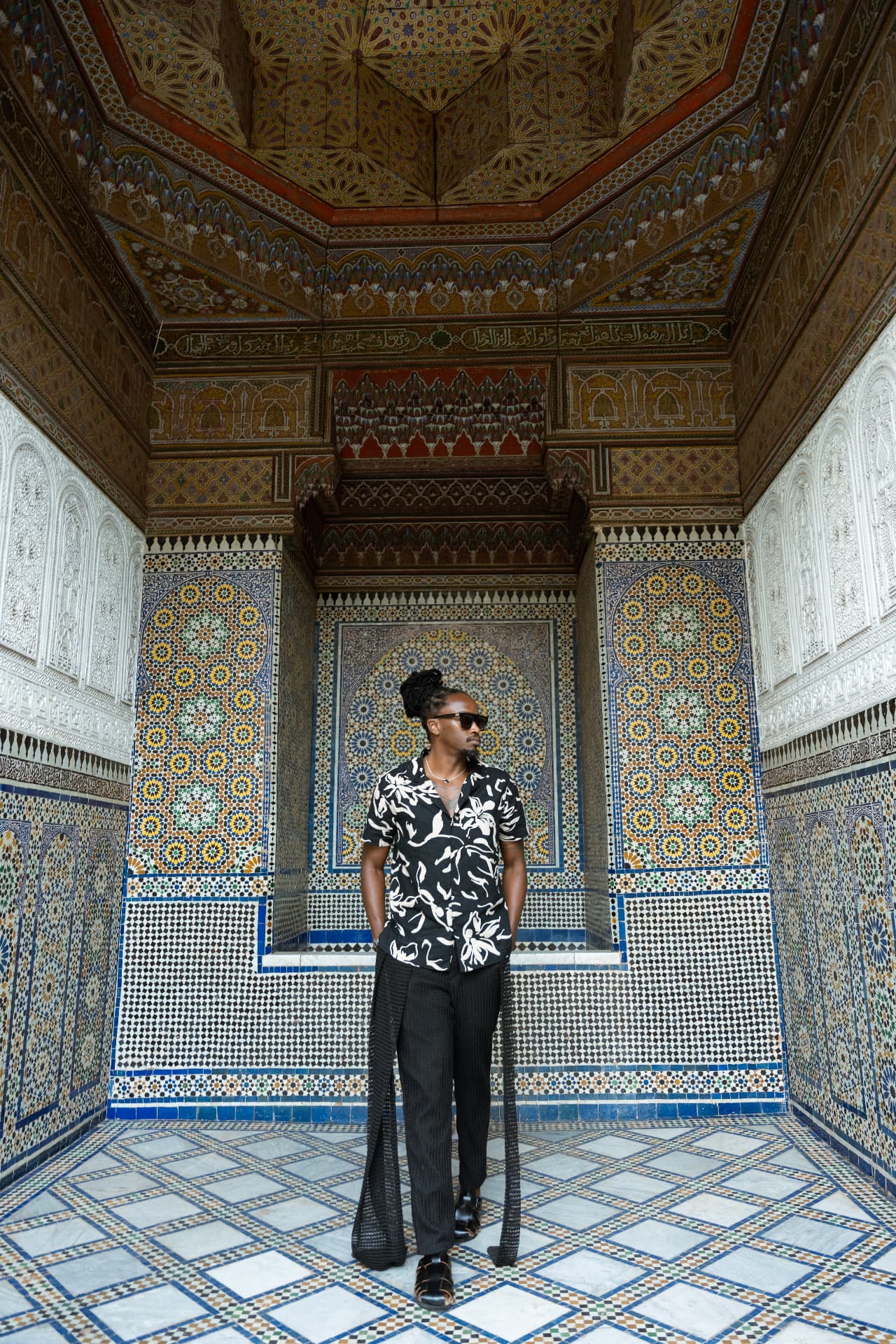
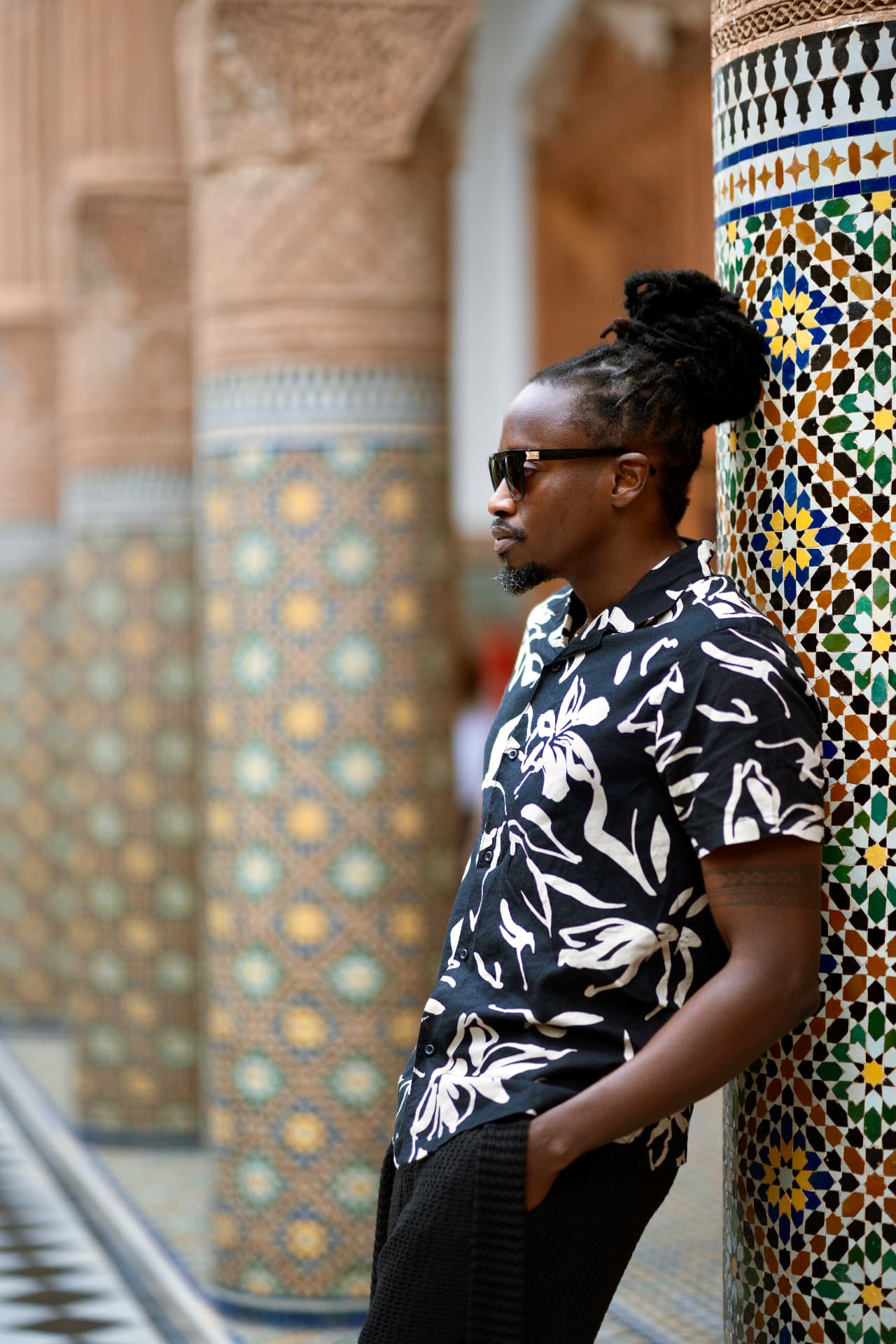
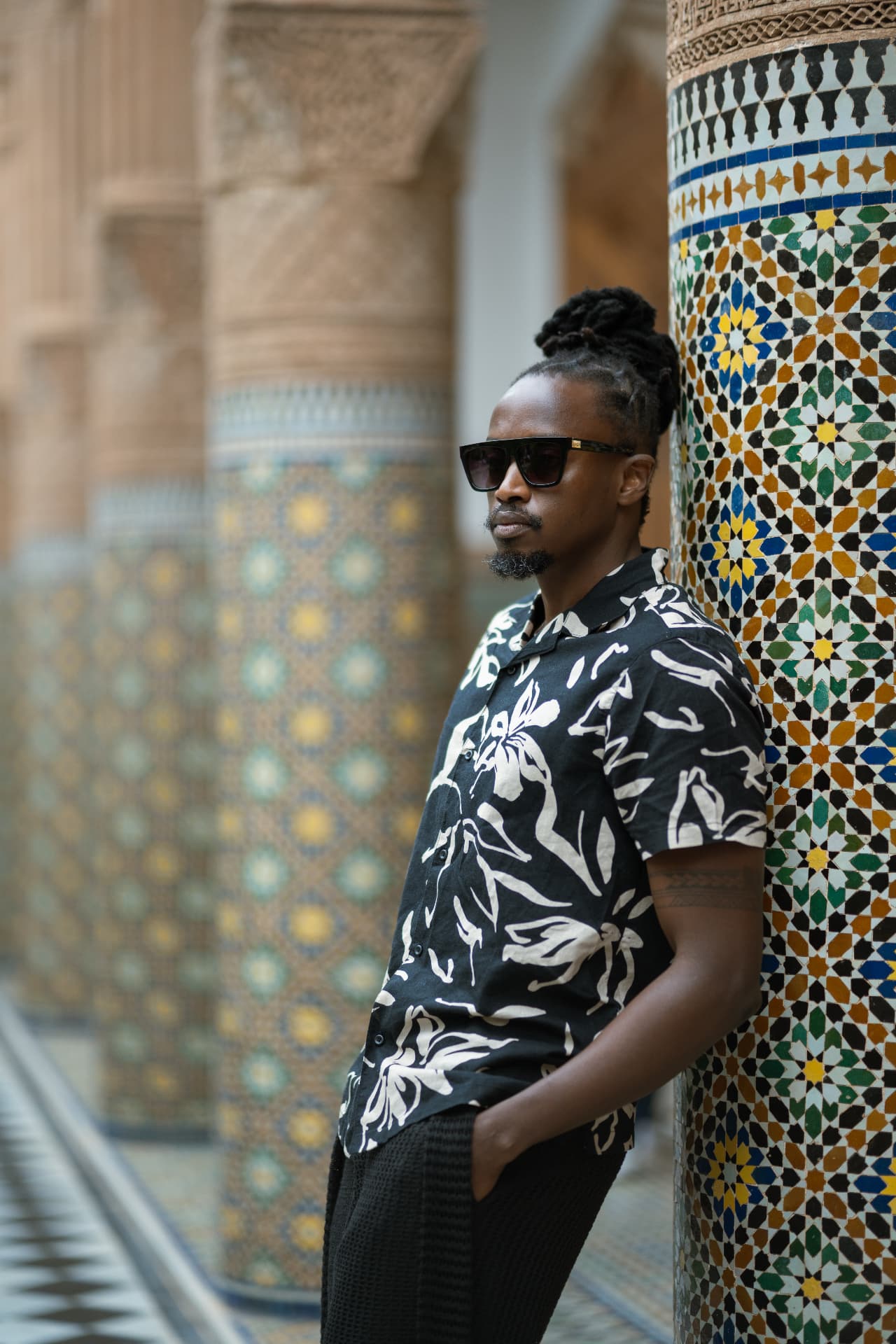
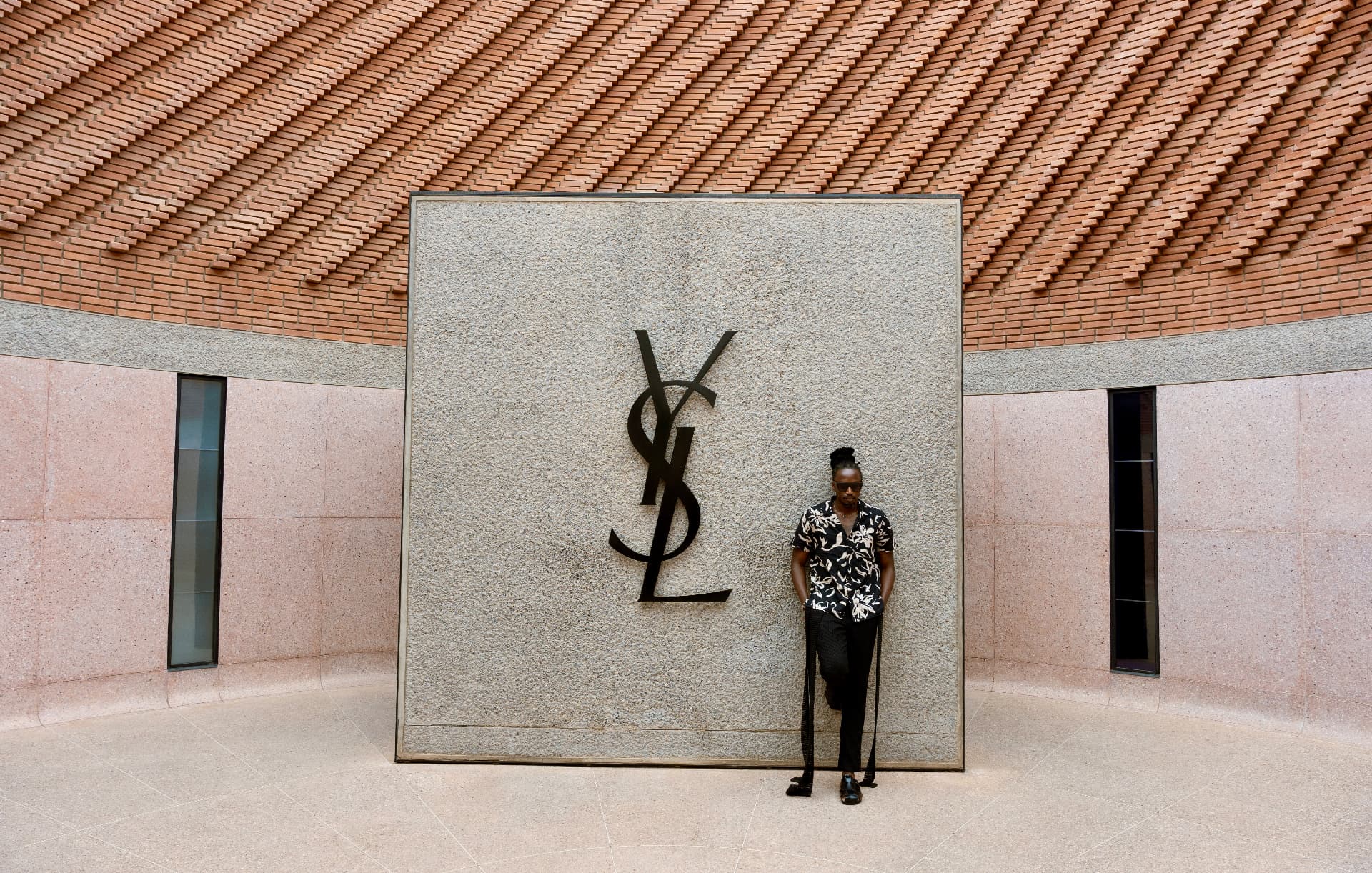
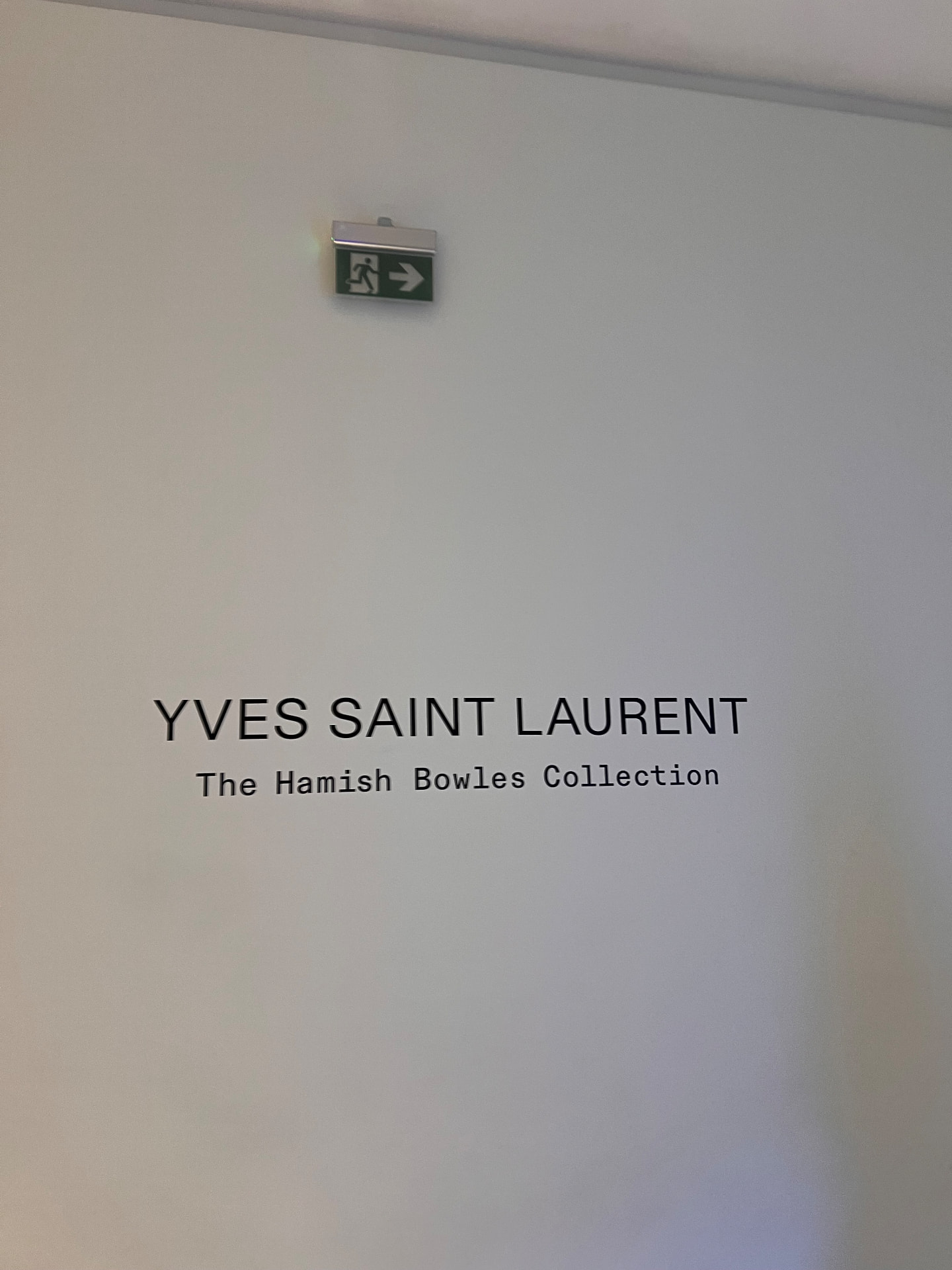
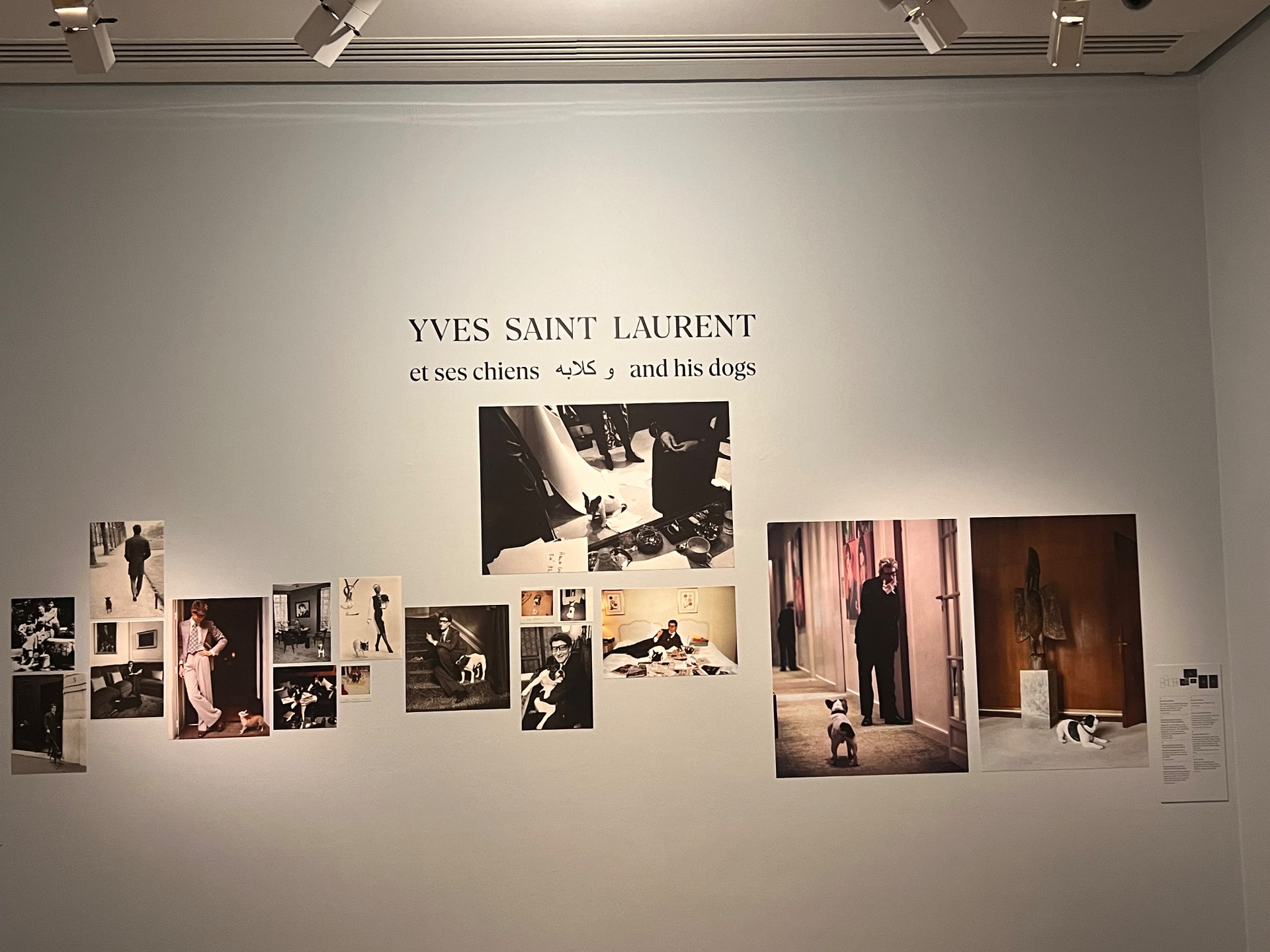
I was amazed by the aesthetics of this visit — the YSL museum’s sculptural terracotta brickwork, soft pink stone and striking monogram make such a beautiful statement in Marrakech. The Moroccan craftsmanship captured in these photos was just as mesmerising: intricate zellige tiles in blue, green and gold, carved arches and richly decorated ceilings, with every pattern inviting a closer look. From the bold geometry to the quiet, palm-filled spaces, it was a wonderful celebration of colour, texture and design that stayed with me long after I left.
Agafay desert
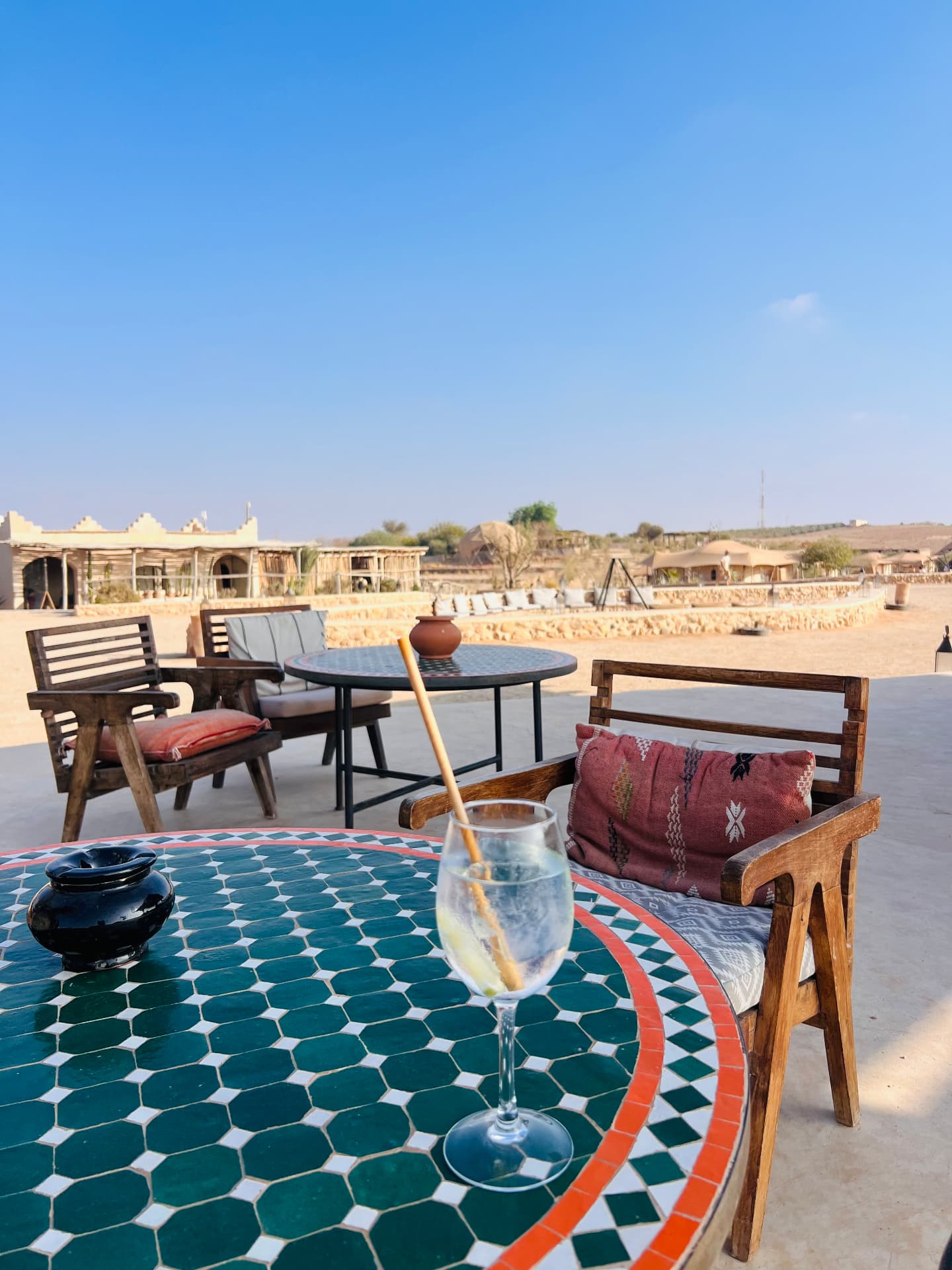
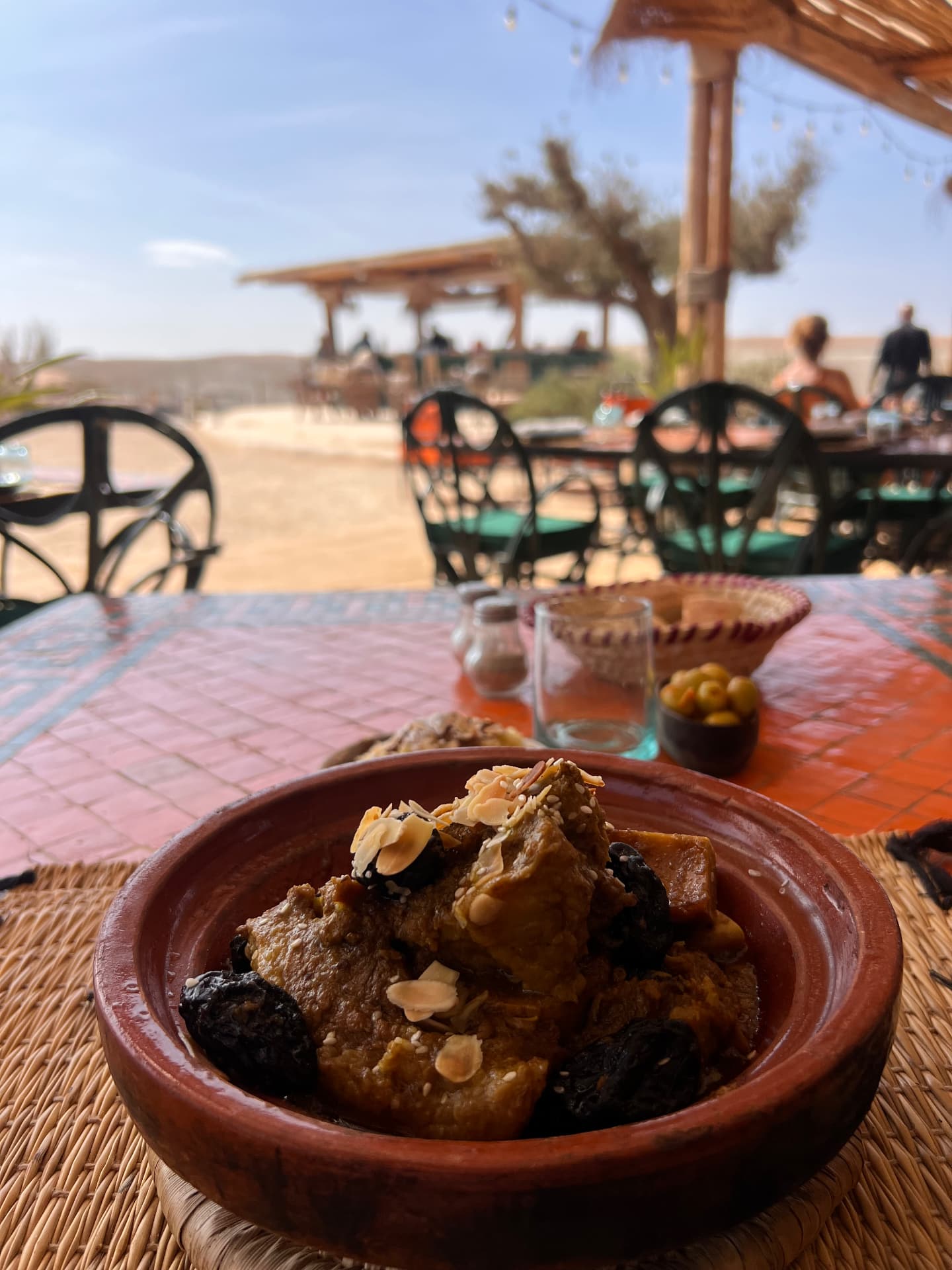
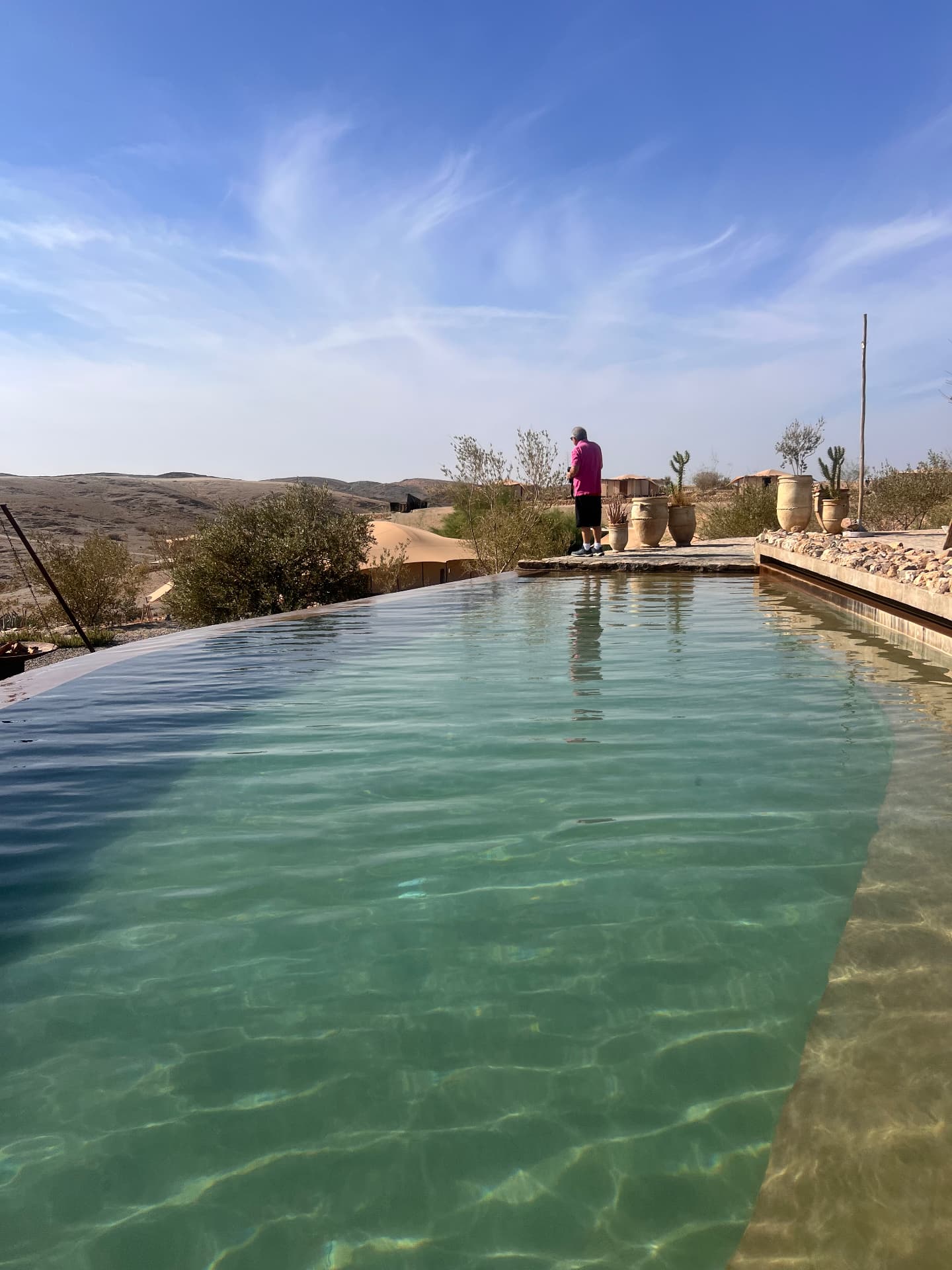
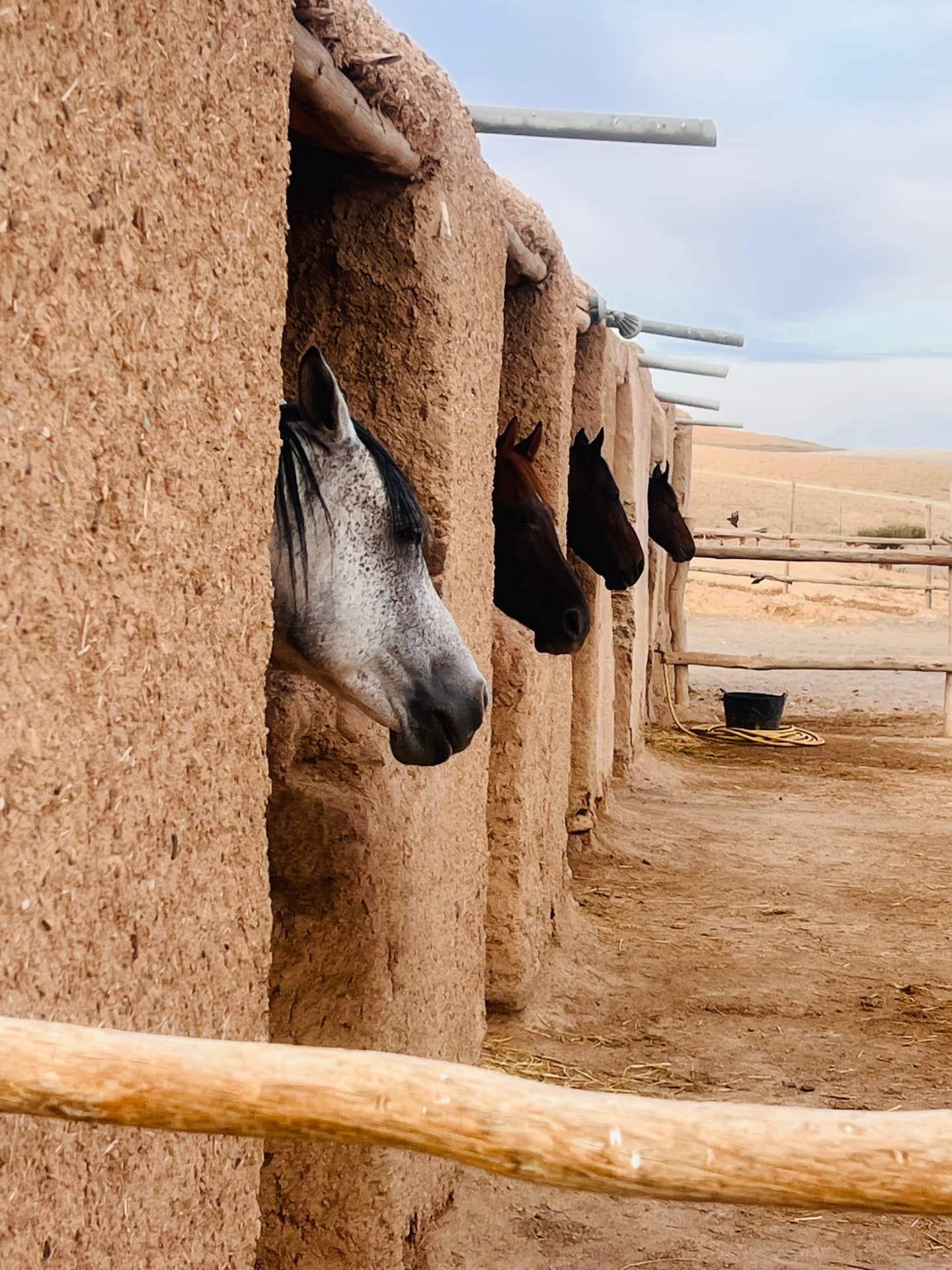
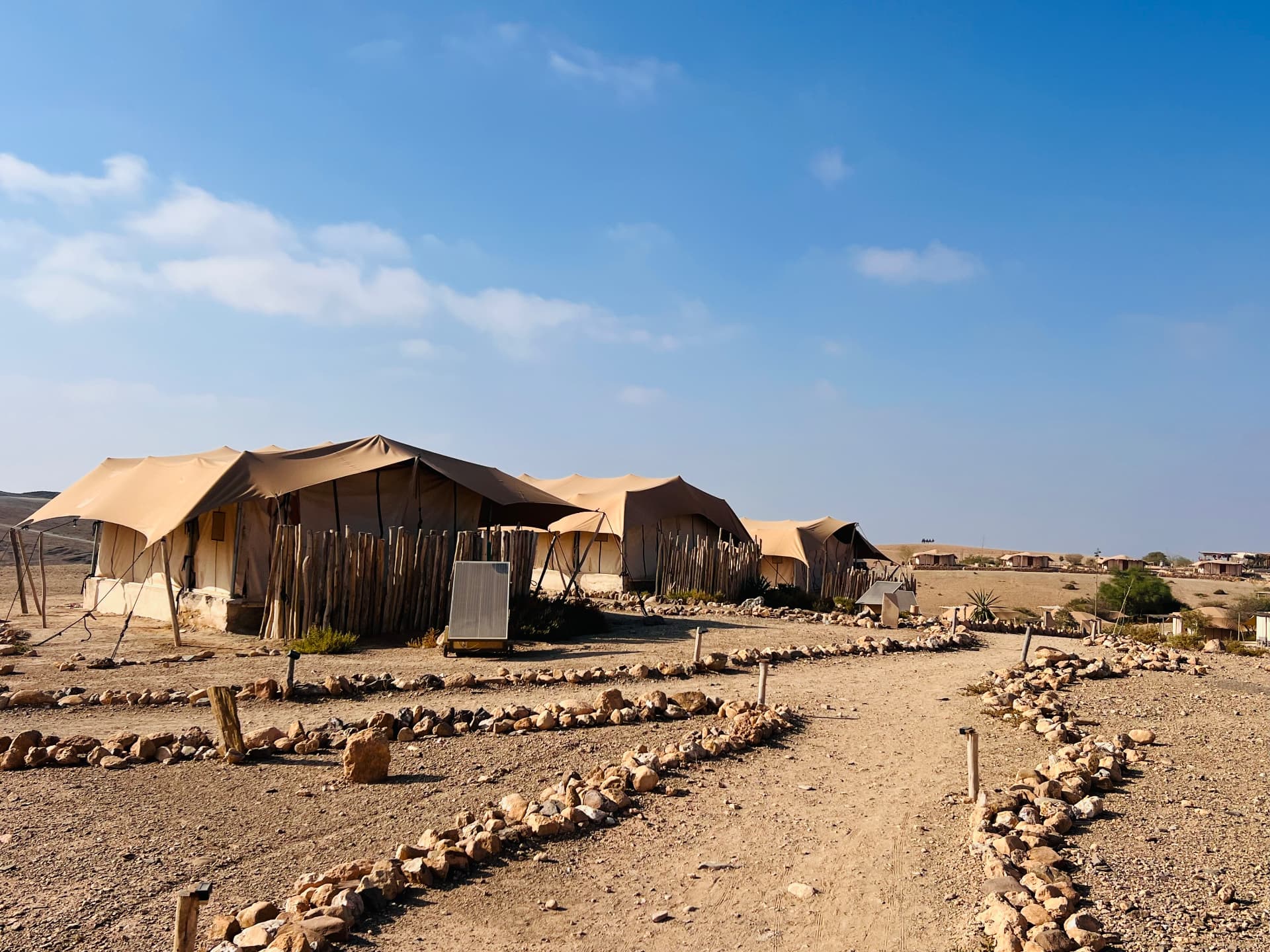
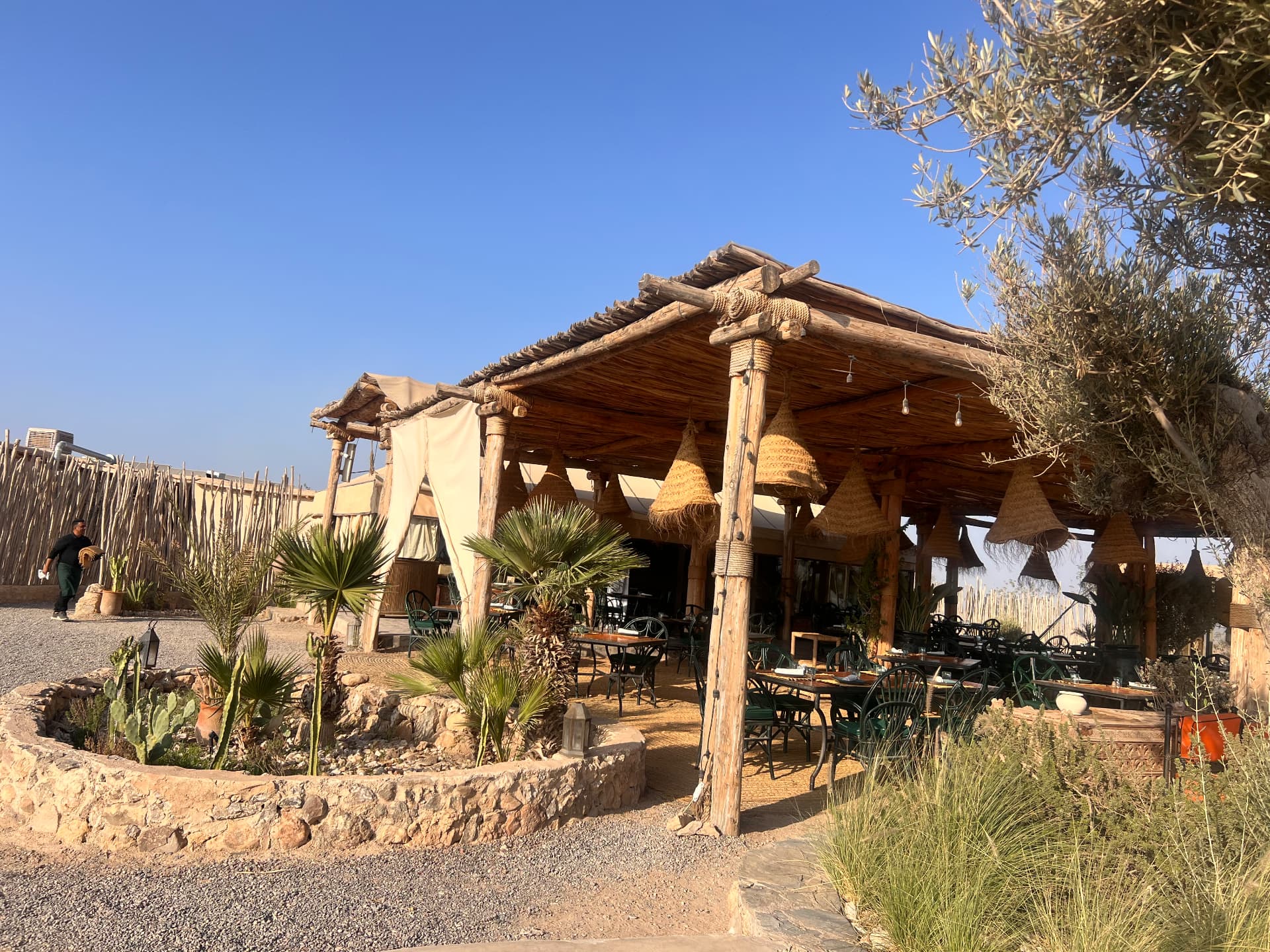
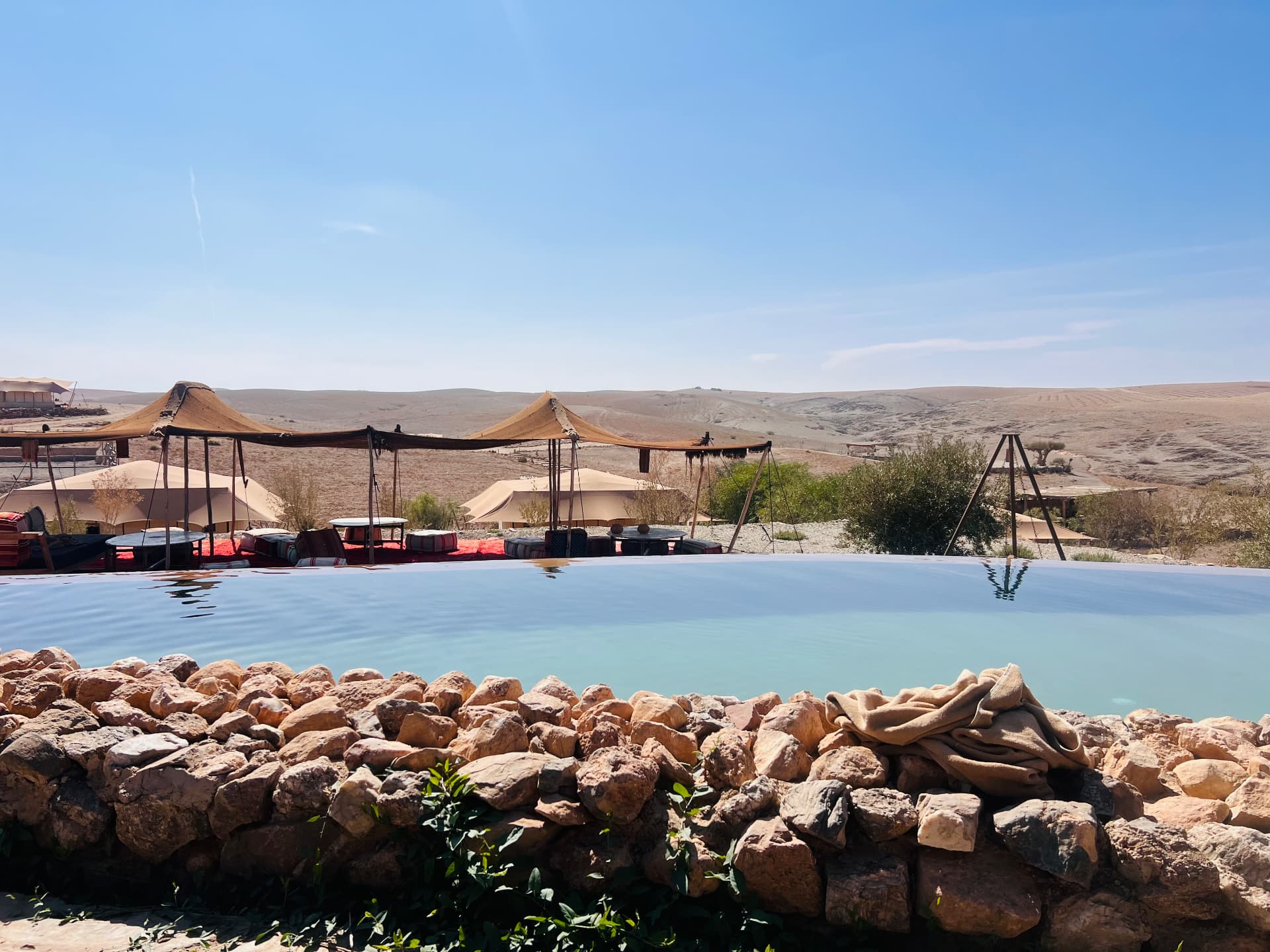
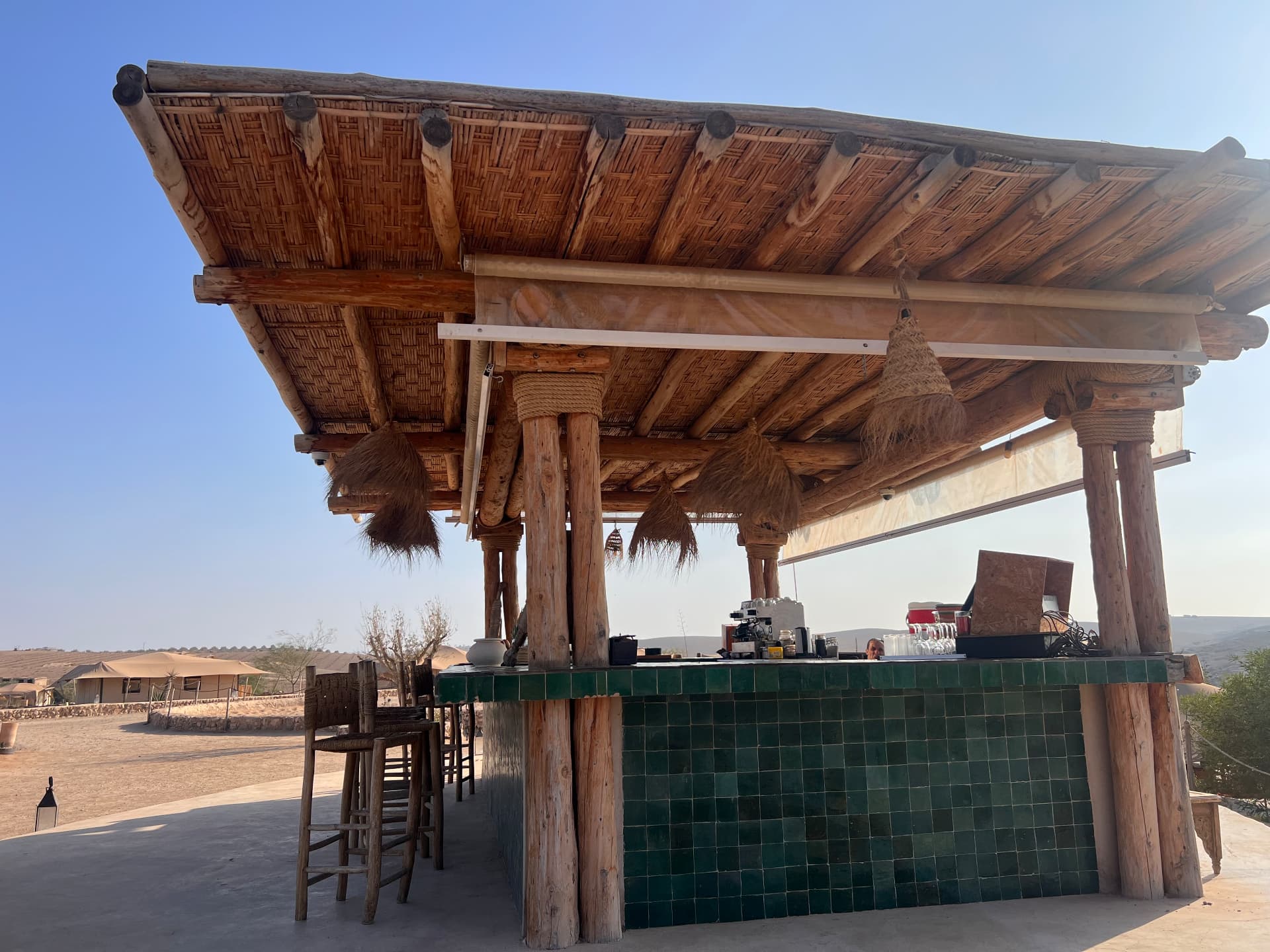
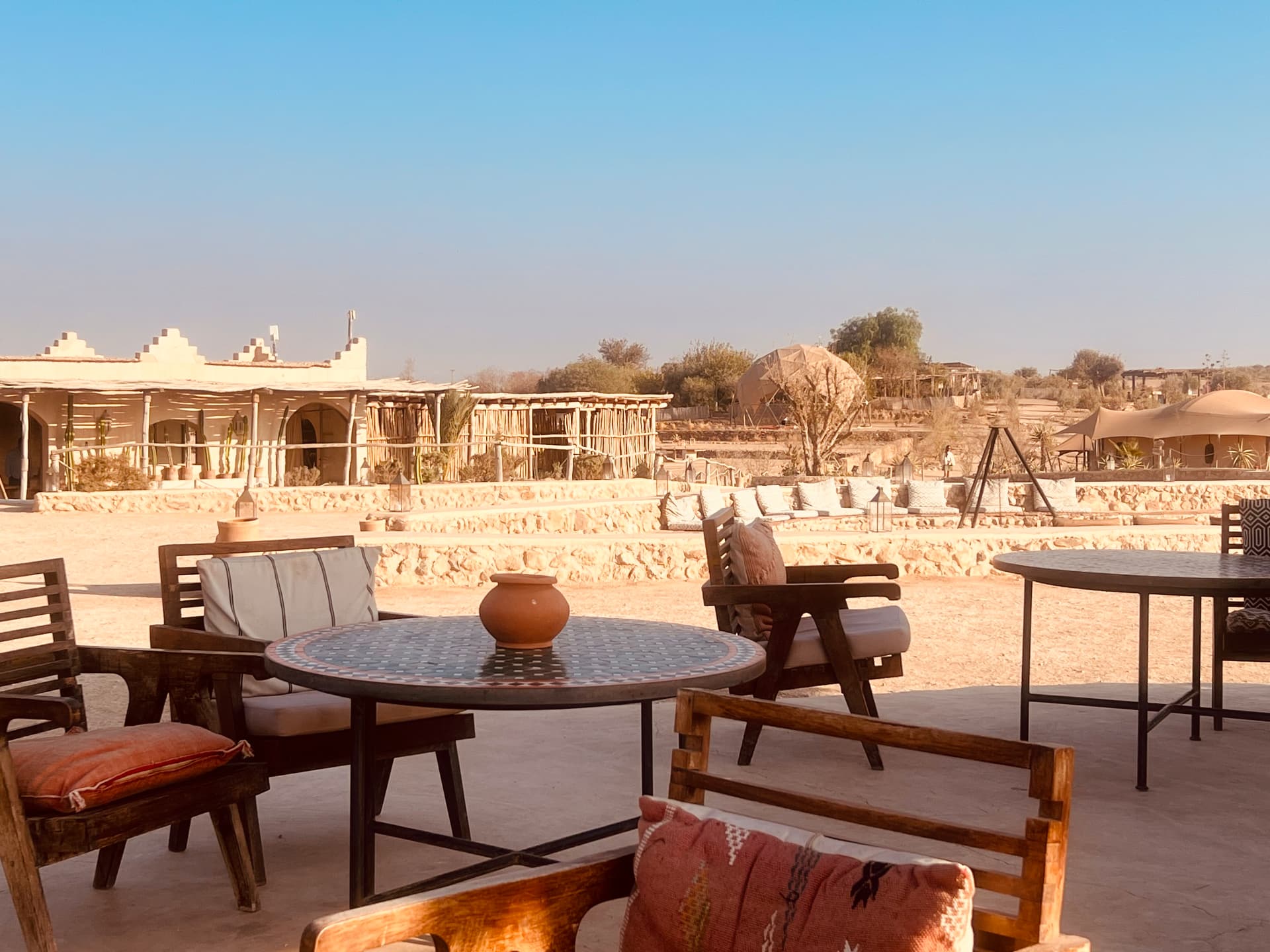
An hour from Marrakech the city gives way to a moon-like sea of pale stone hills — the Agafay. Here we swapped the medina for desert tracks: quad bikes over the rocky dunes, horses resting in their earthen stables, slow-cooked tagine beneath woven canopies and a swim in an infinity pool that spills straight into the landscape. The golden light, the wide horizons and the quiet of the desert made this one of the most unforgettable days of the journey.
La Trattoria
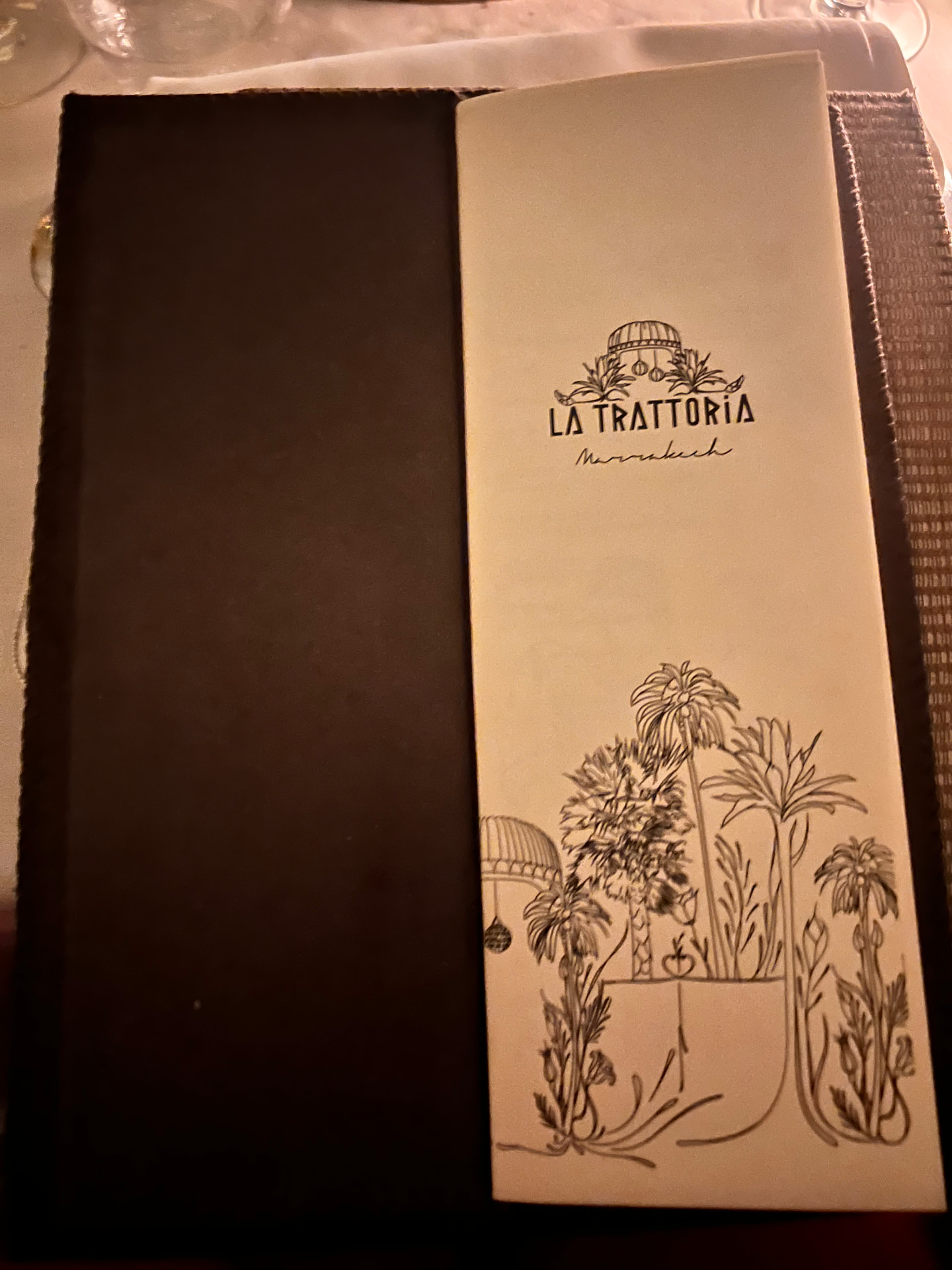
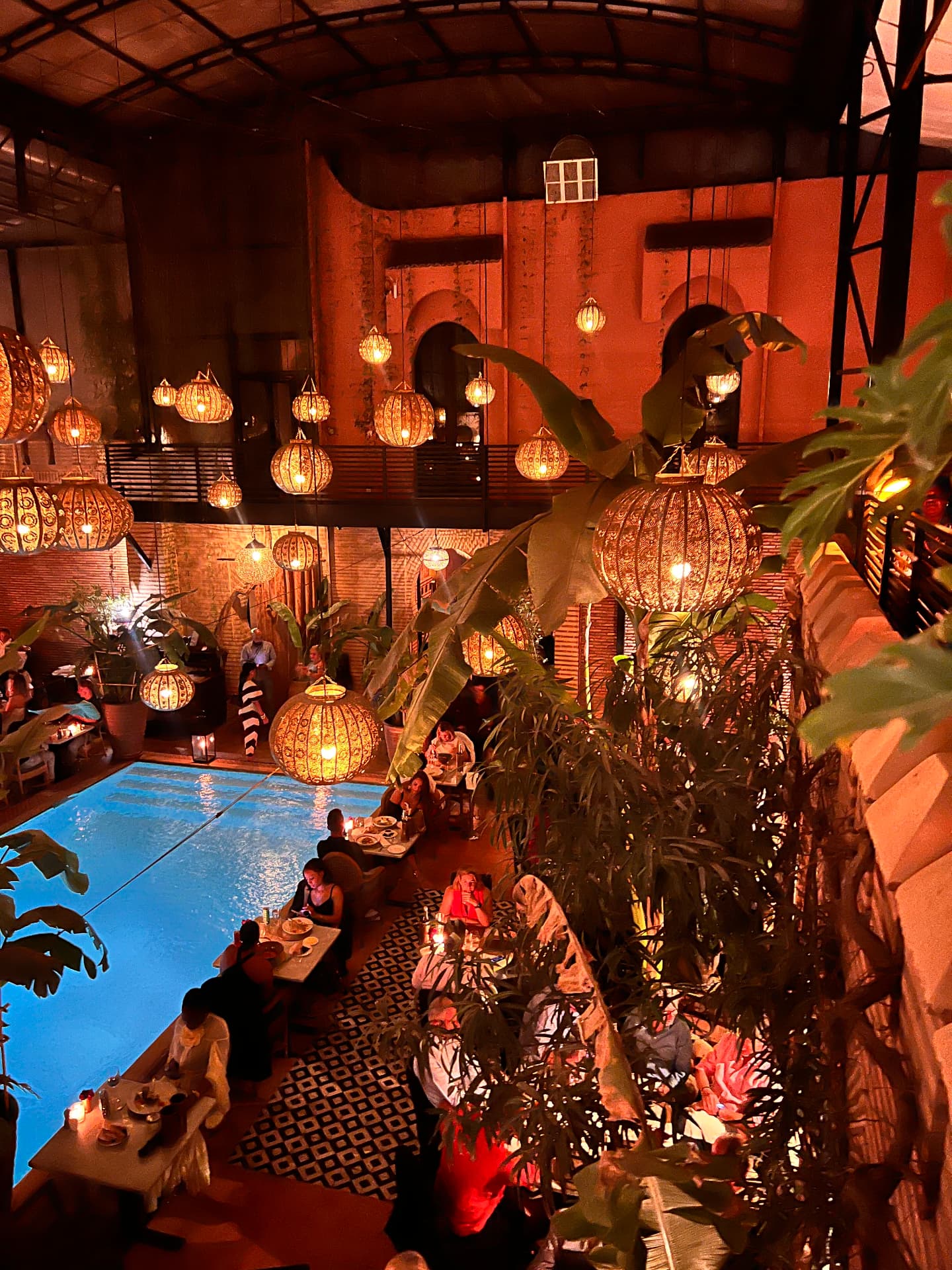
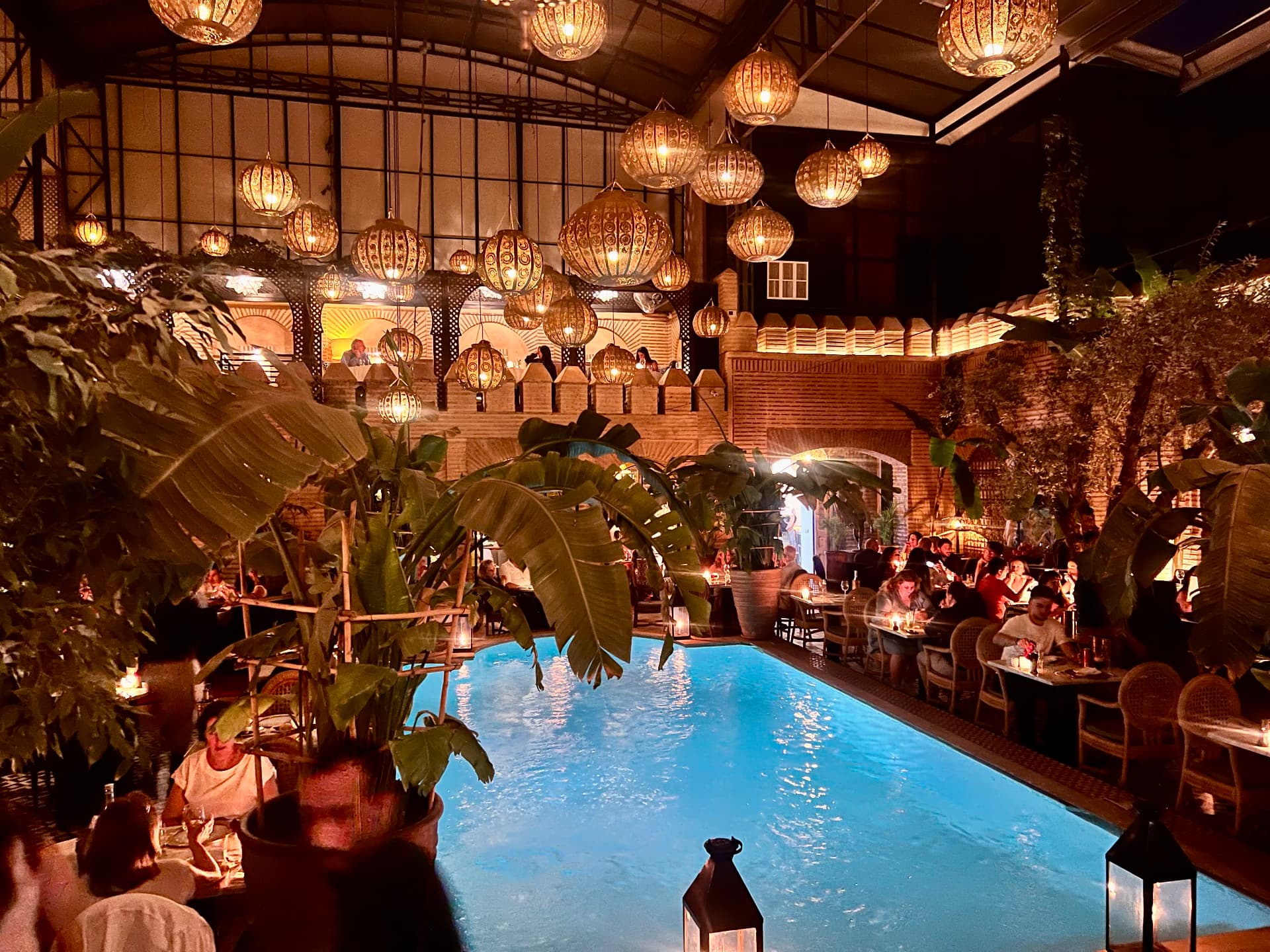
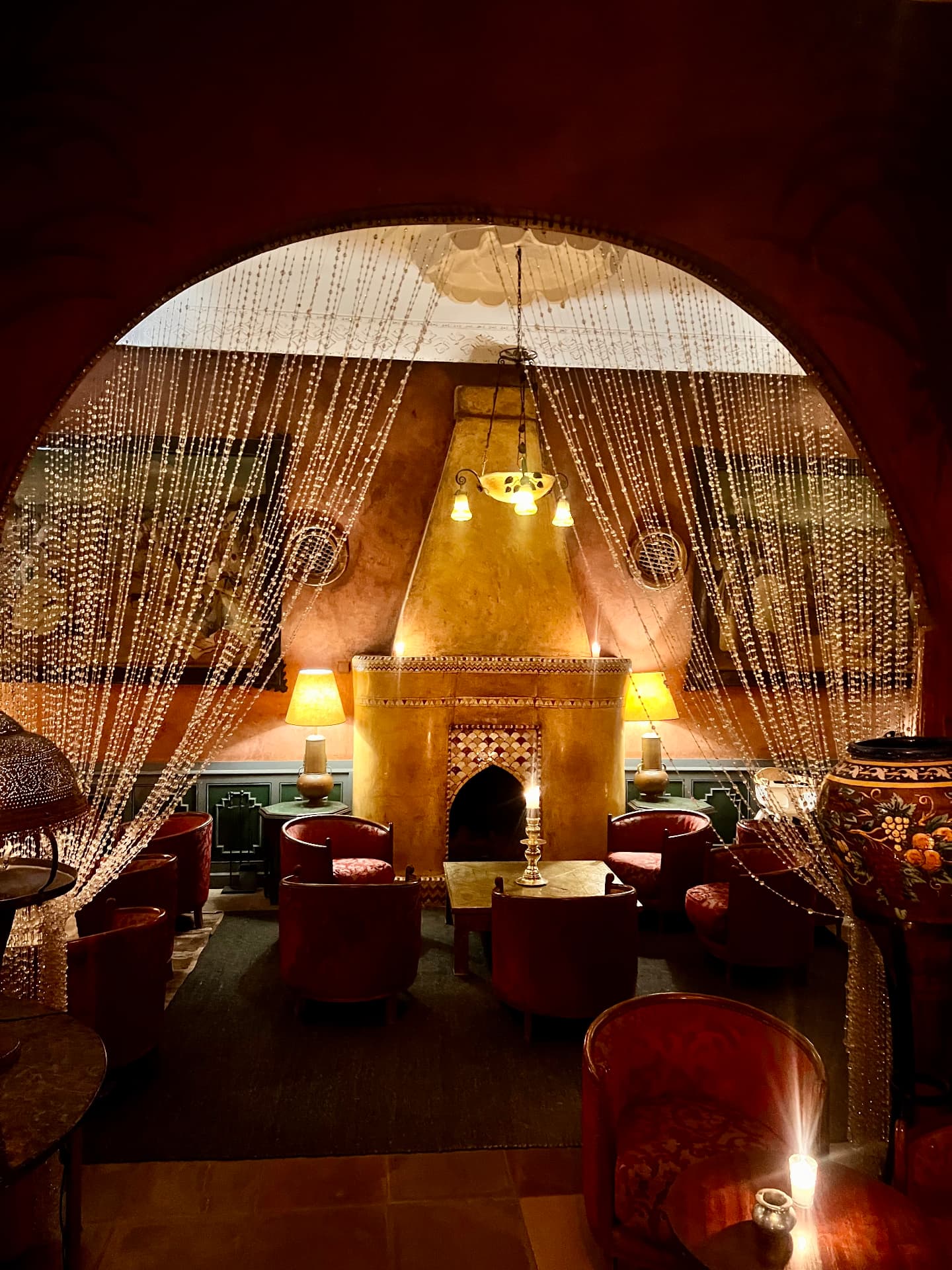
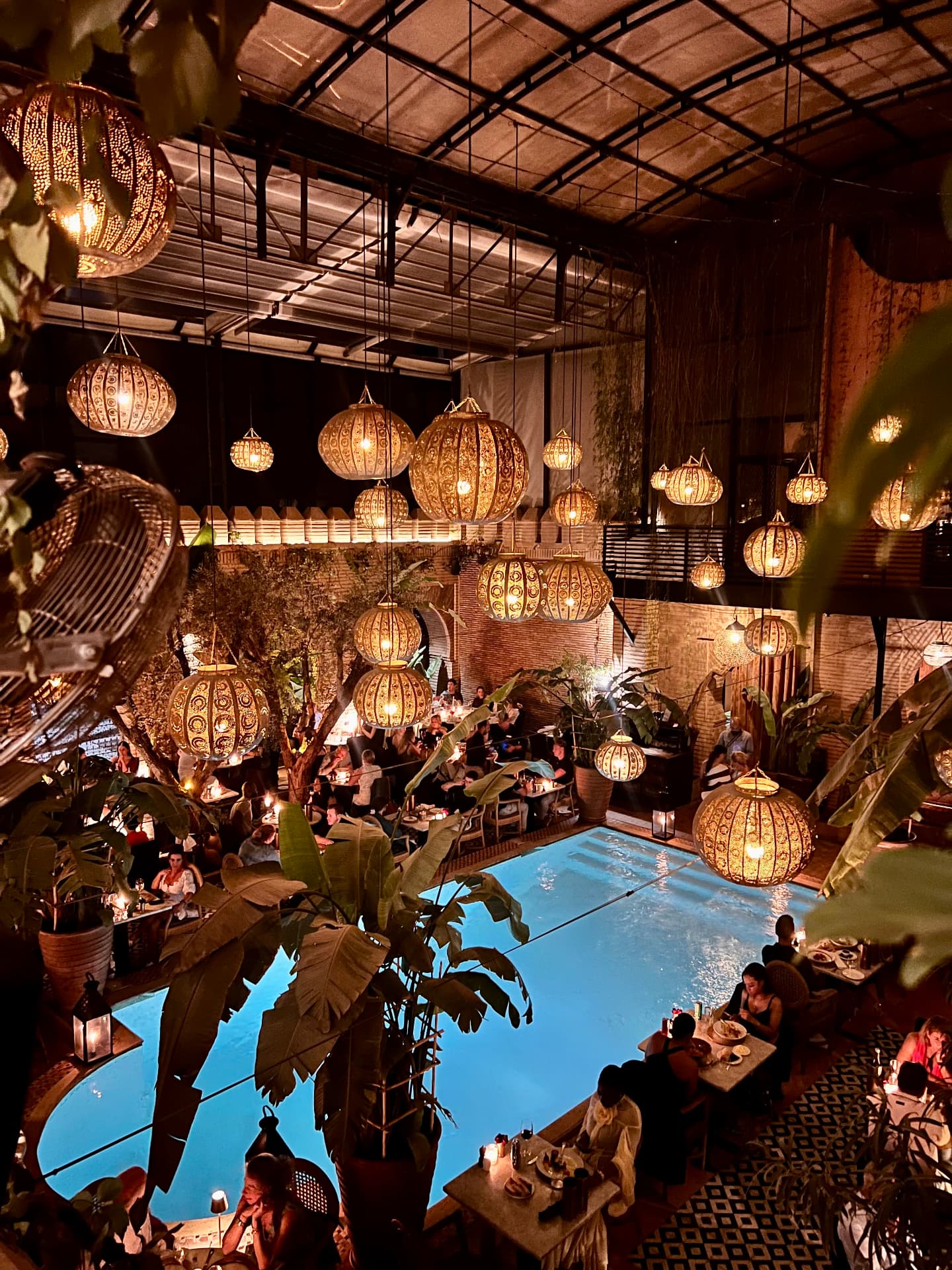
La Trattoria Marrakech has brought Italian cooking to Guéliz since 1974, with garden tables shaded by palms and a poolside dining room beneath a glass roof. Its layered Italian, Moroccan and Art Deco character includes a bar associated with designer Bill Willis. In these photographs, glowing lanterns, lush greenery and the blue pool give the evening a wonderfully theatrical setting. I enjoyed both the food and the atmosphere — together, they made this a memorable stop on my Moroccan journey.
Le Jardin Secret (the Secret Garden)
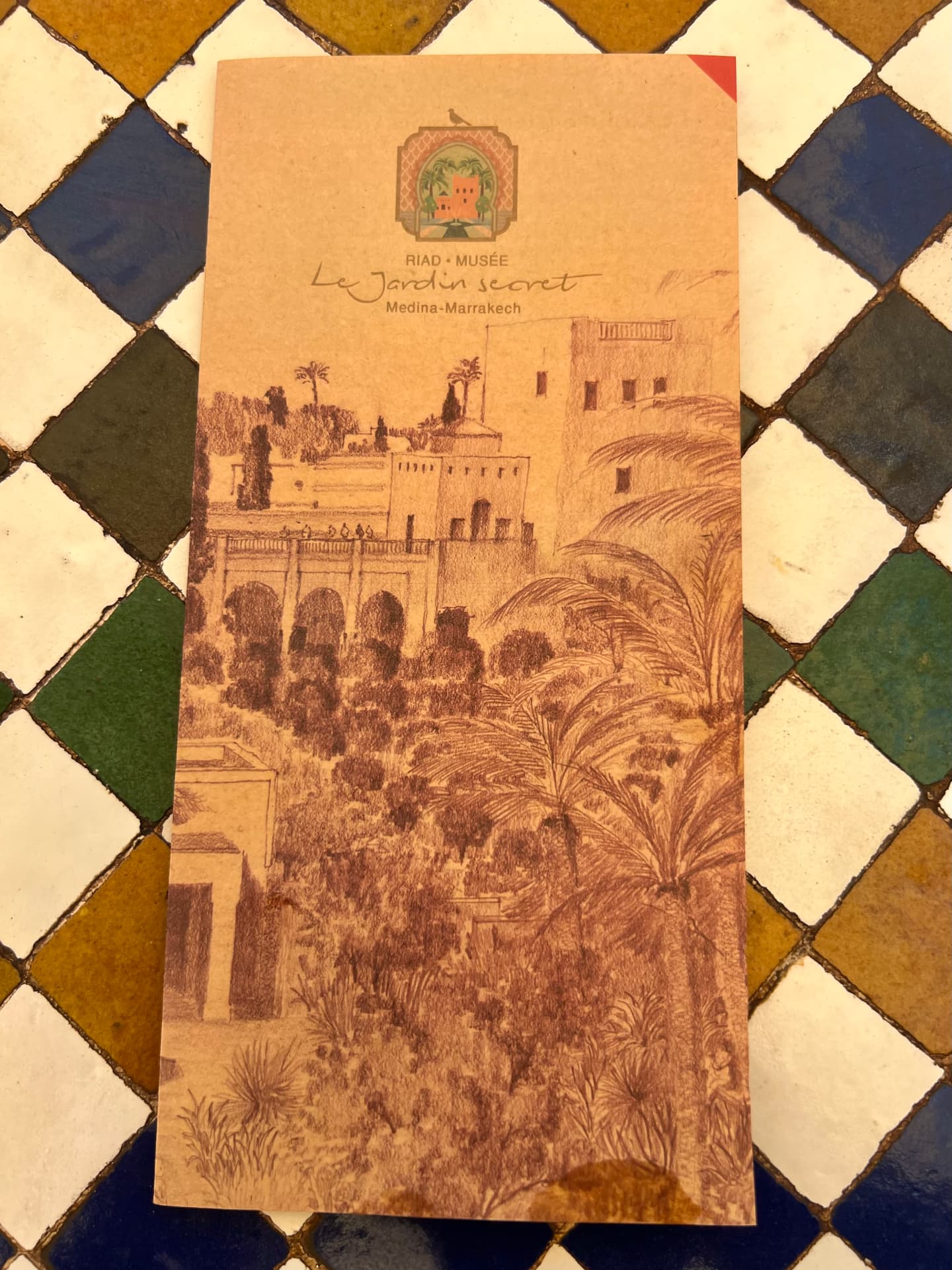
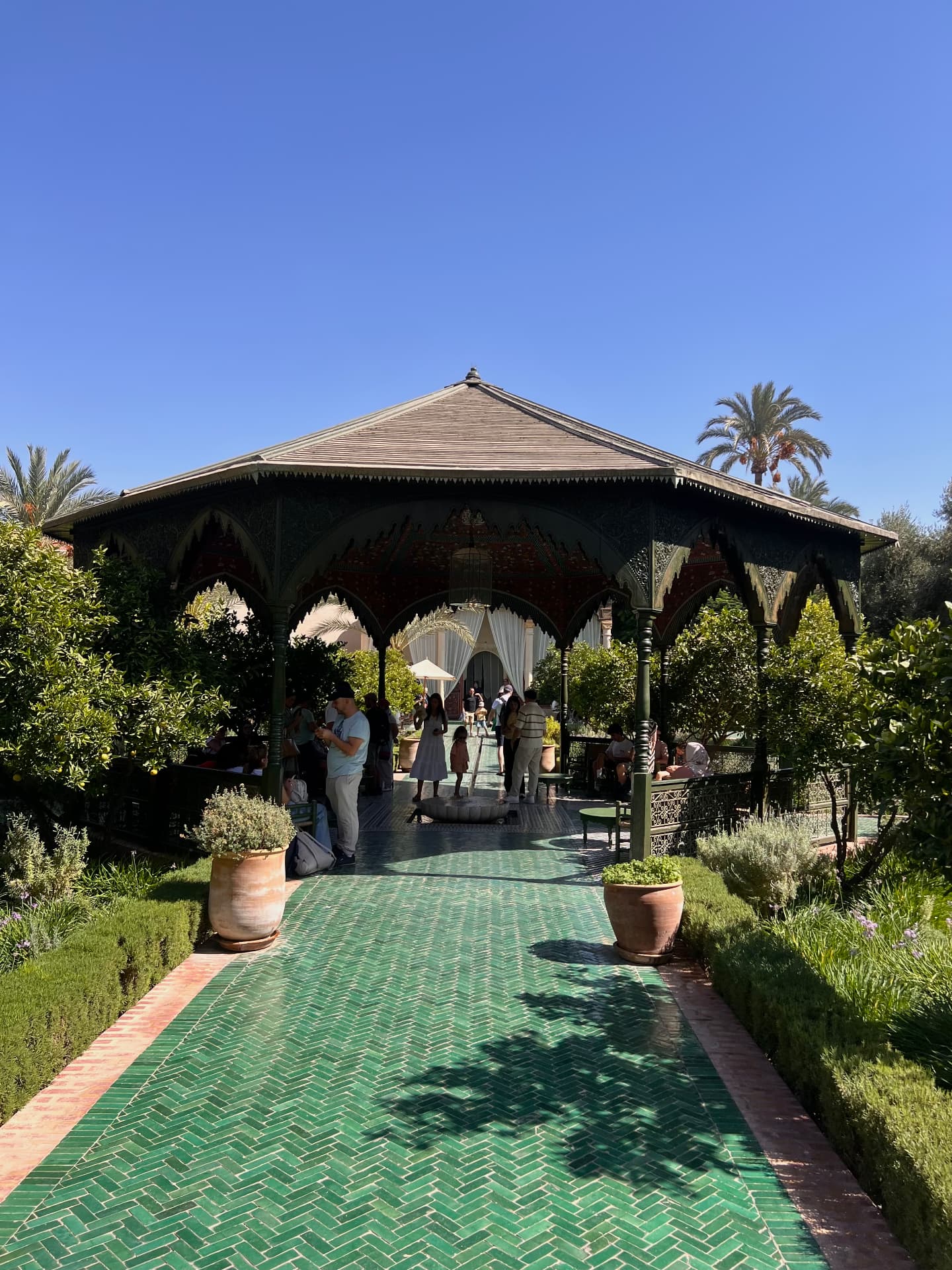
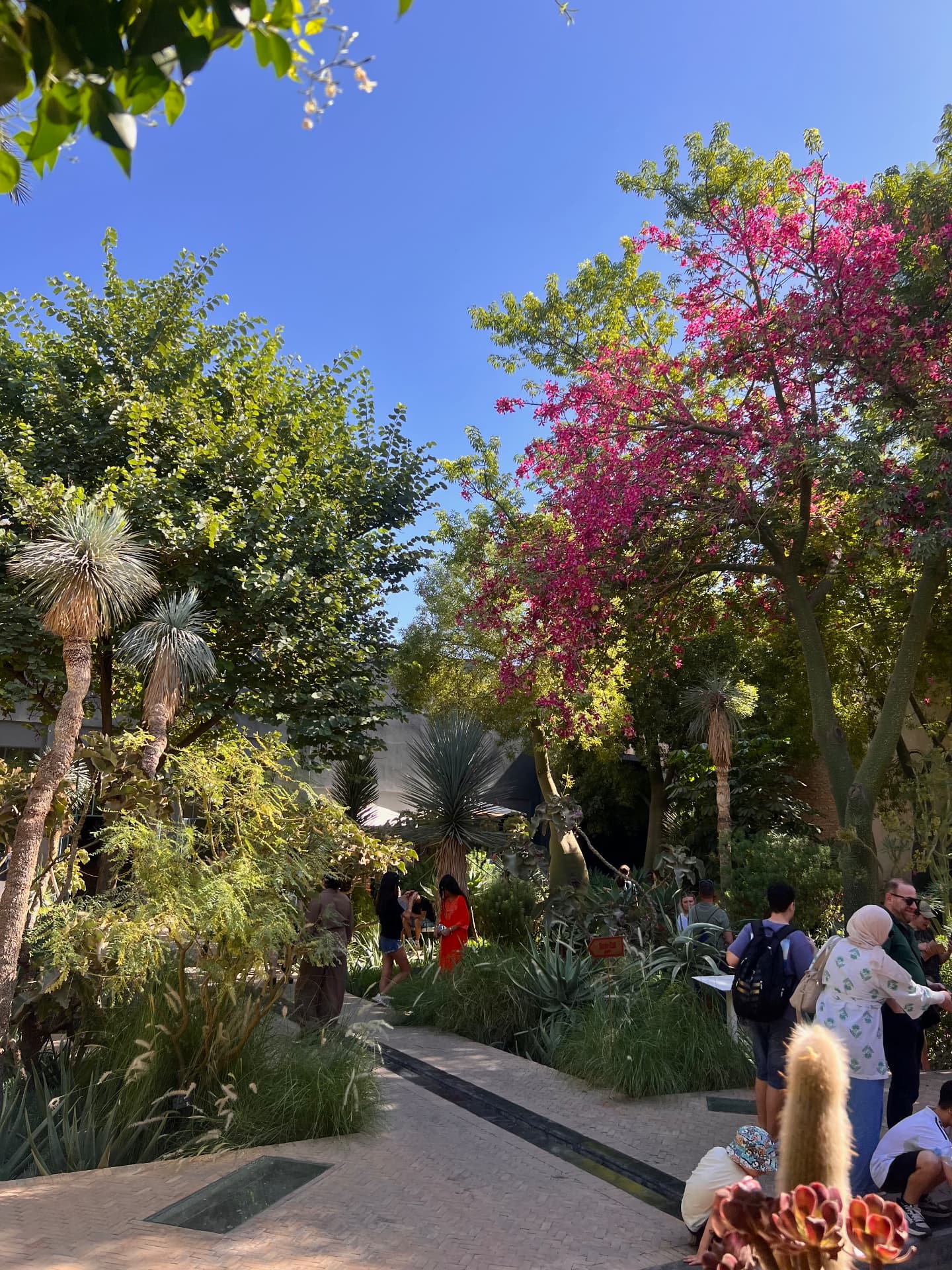
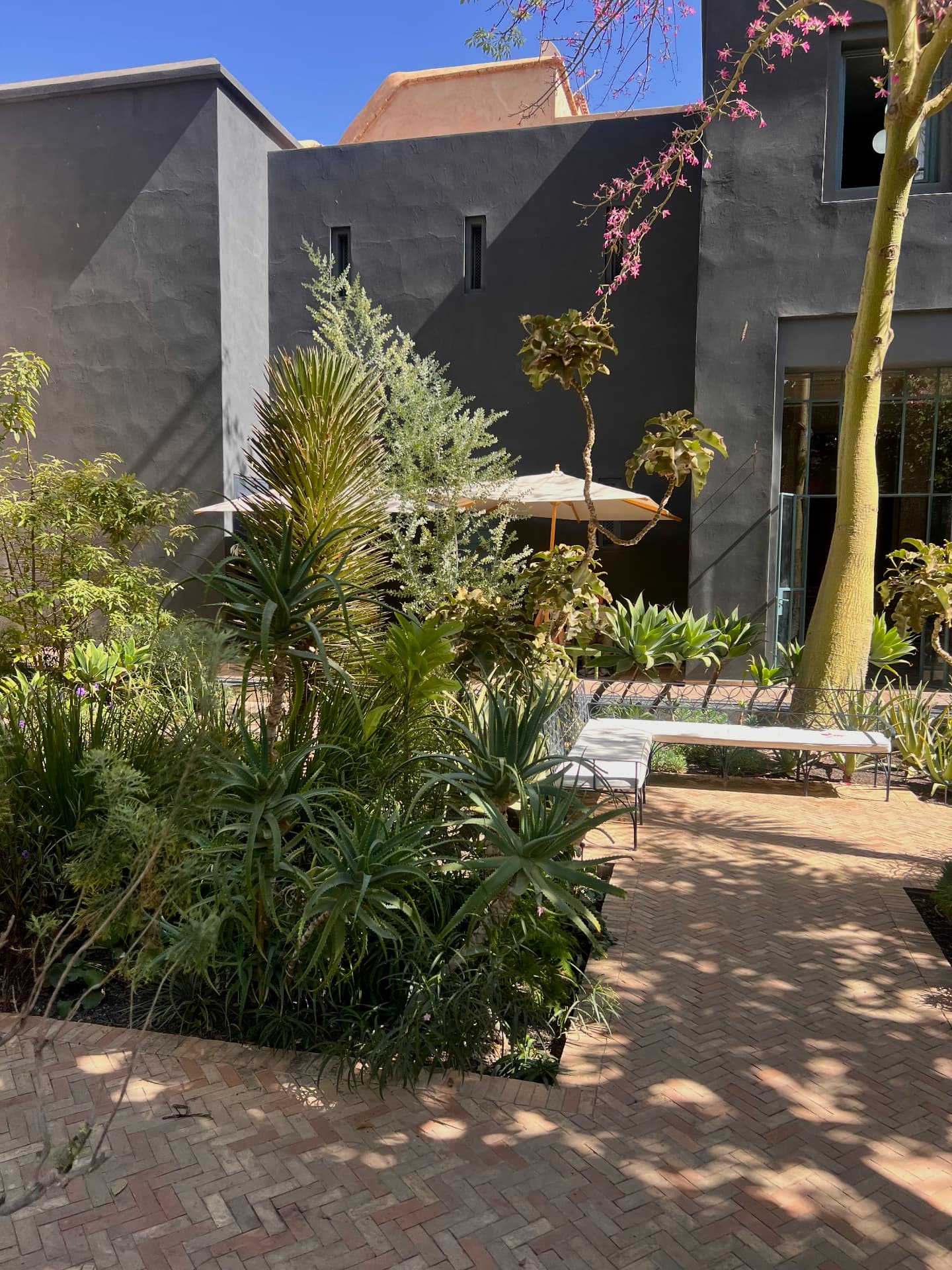
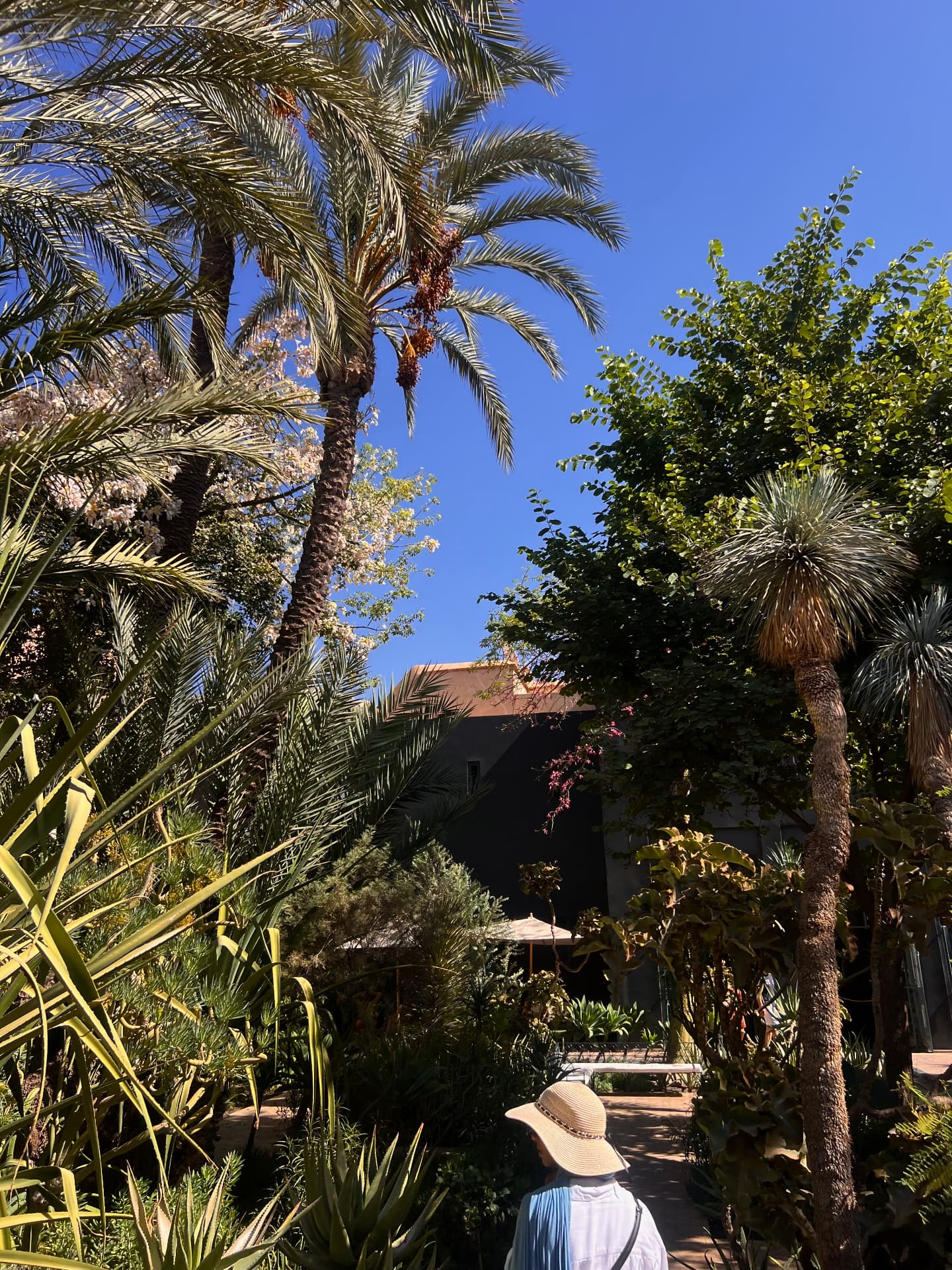
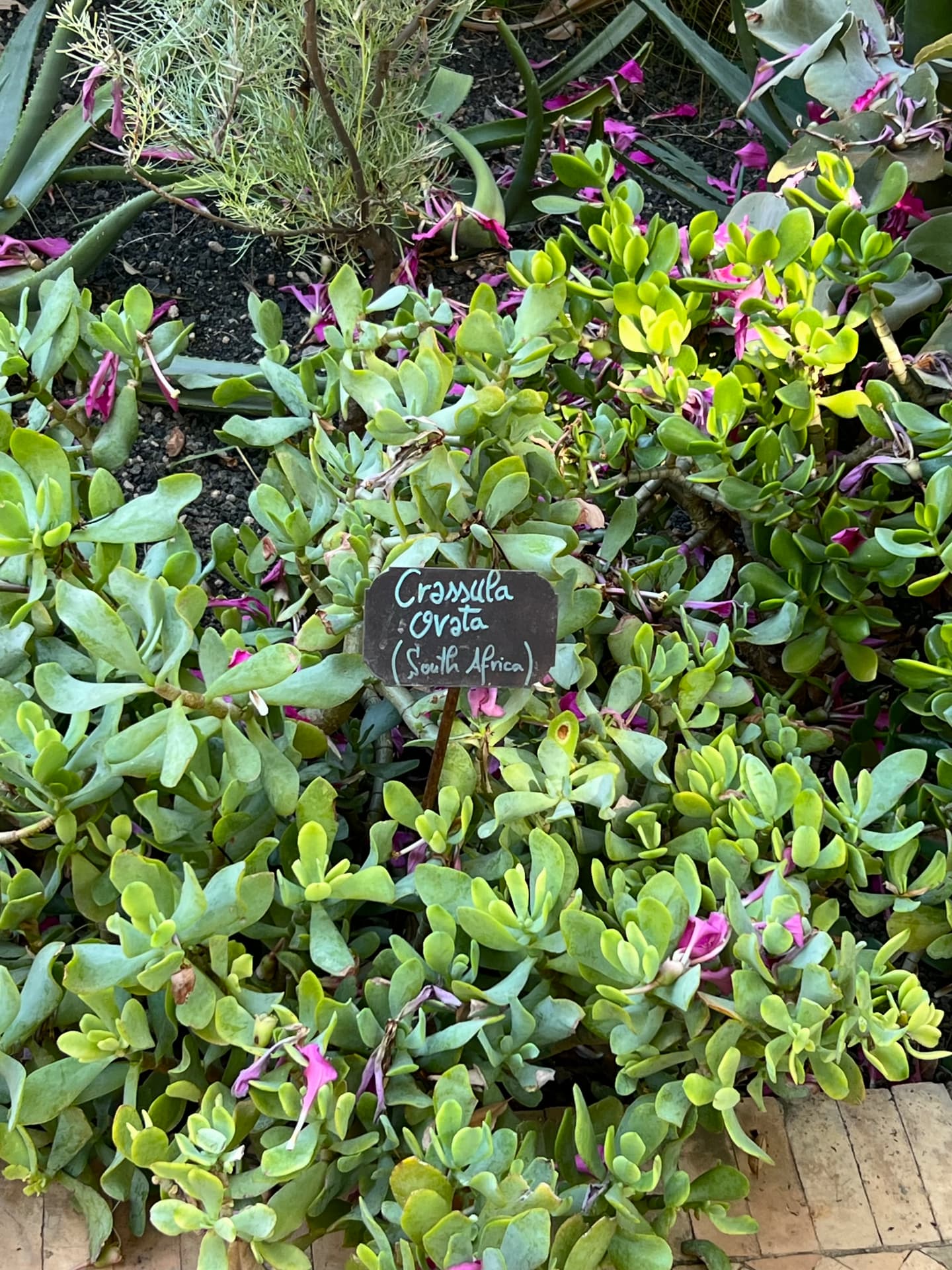
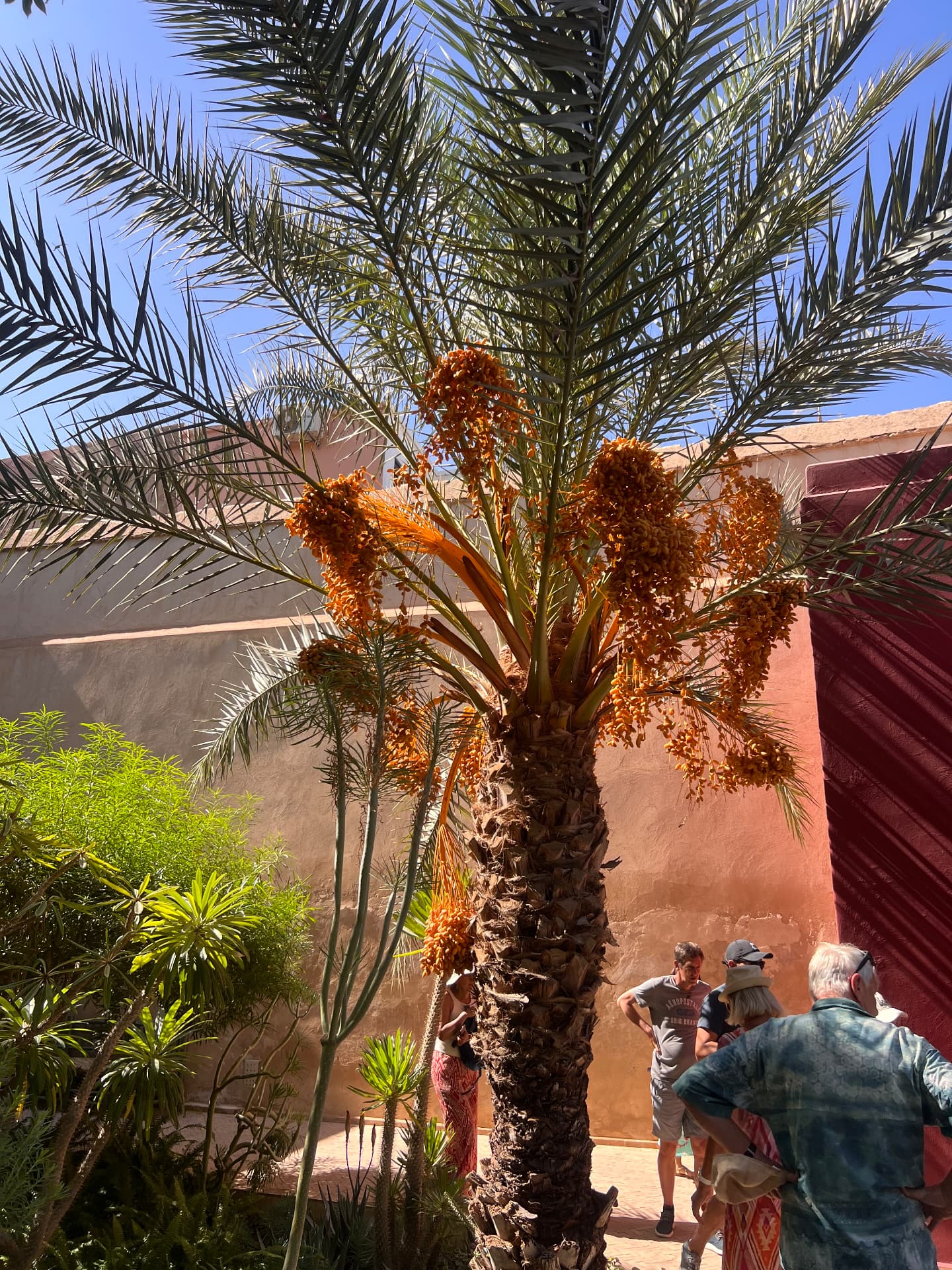
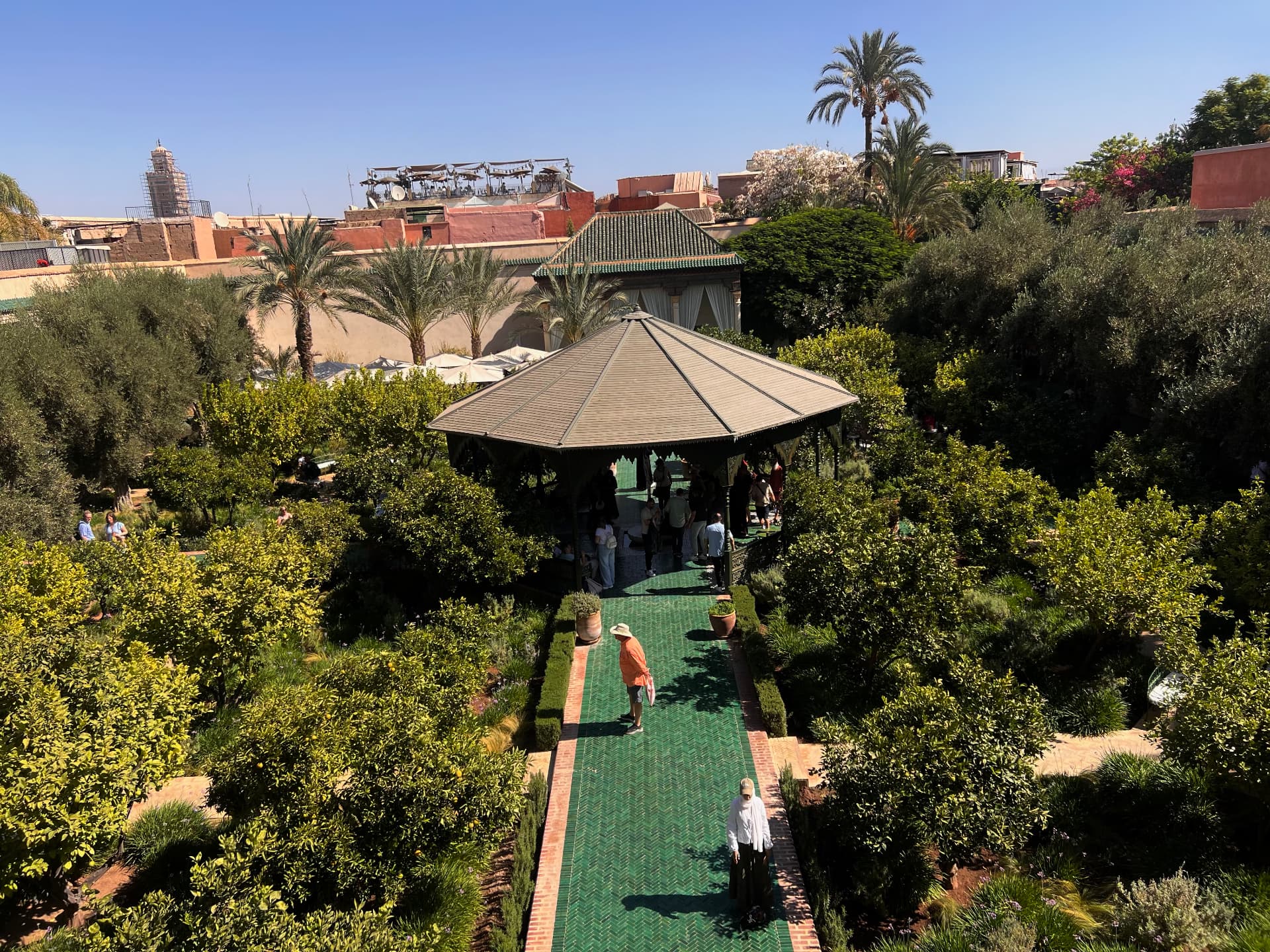
Behind a plain doorway on Rue Mouassine, in the heart of the medina, hides one of Marrakech's most remarkable riads. Its story reaches back to the Saadian sultans of the 16th century, and its 19th-century gardens were painstakingly restored before opening to the public in 2016. Landscape designer Tom Stuart-Smith shaped two contrasting worlds: an Islamic garden restored to its historic four-part geometry, and a freer exotic garden of plants gathered from around the globe — a touch of home among them, with a South African crassula labelled by hand. At the heart of it all flows water, still arriving through a restored khettara, the underground channel that has nourished Marrakech's gardens for centuries. From the tower, the medina spreads out in every direction towards the Atlas Mountains — a secret world of fountains, groves and quiet shade, seconds away from the busy souk.