September 2026
Croatia
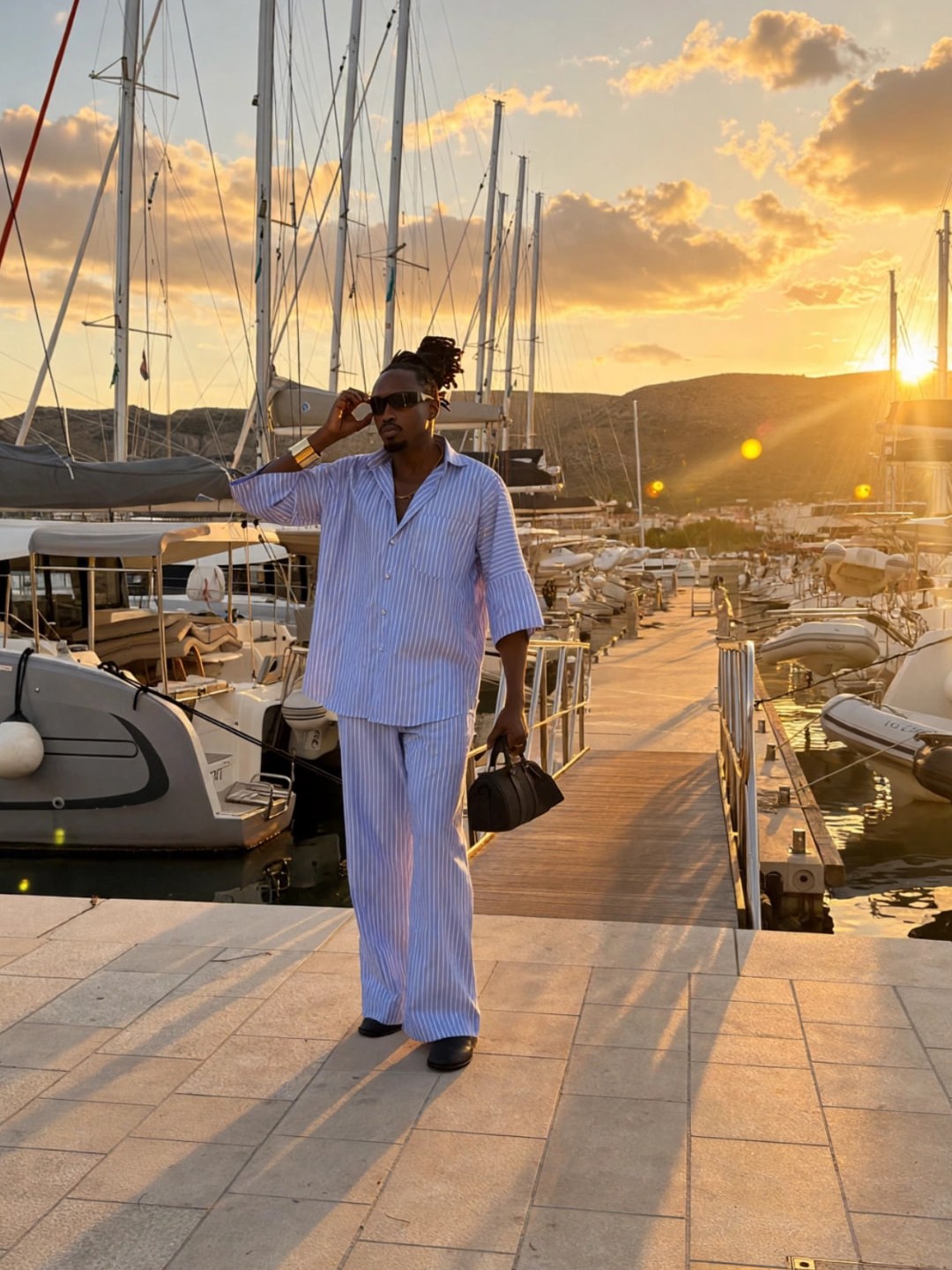
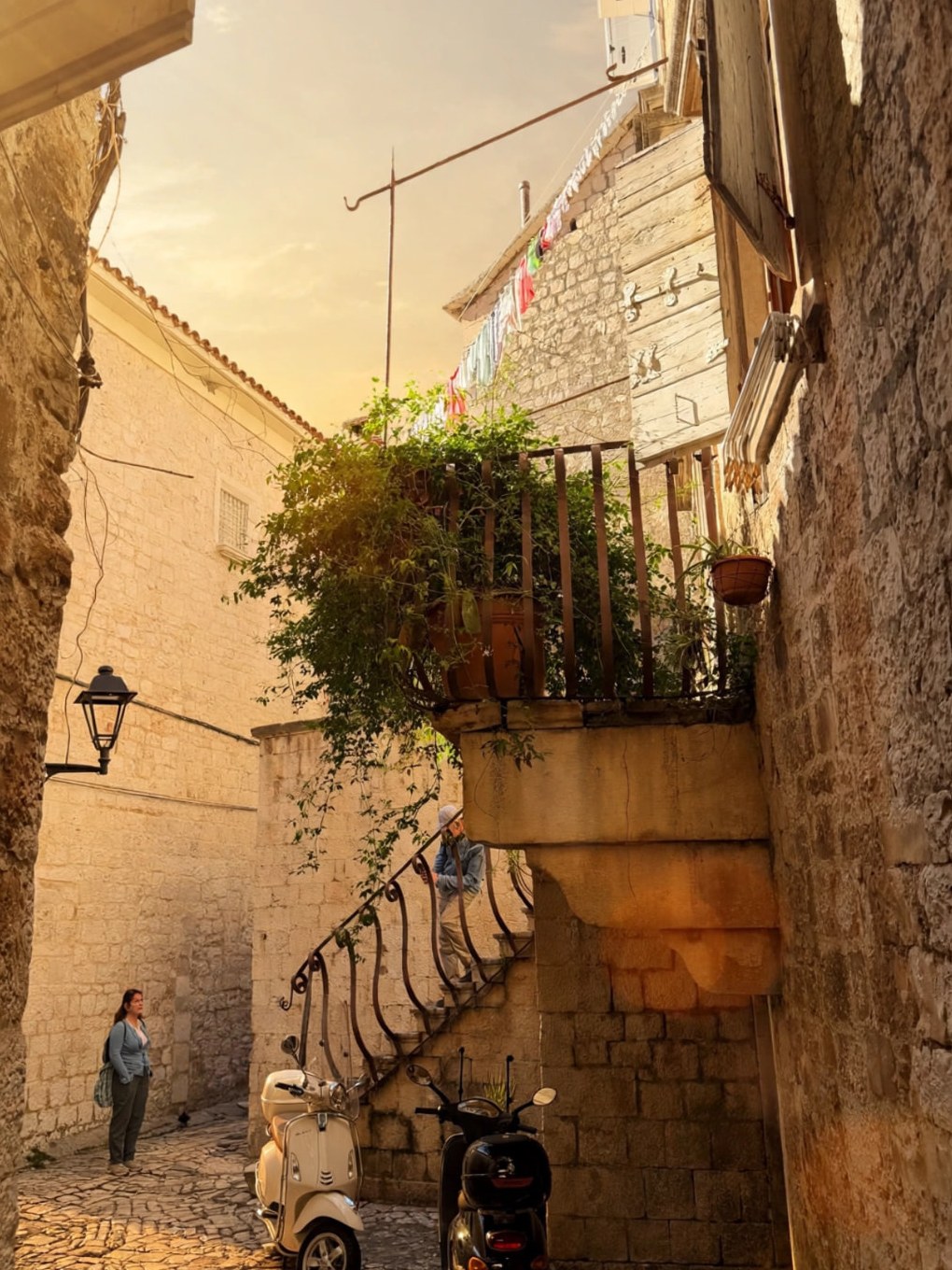
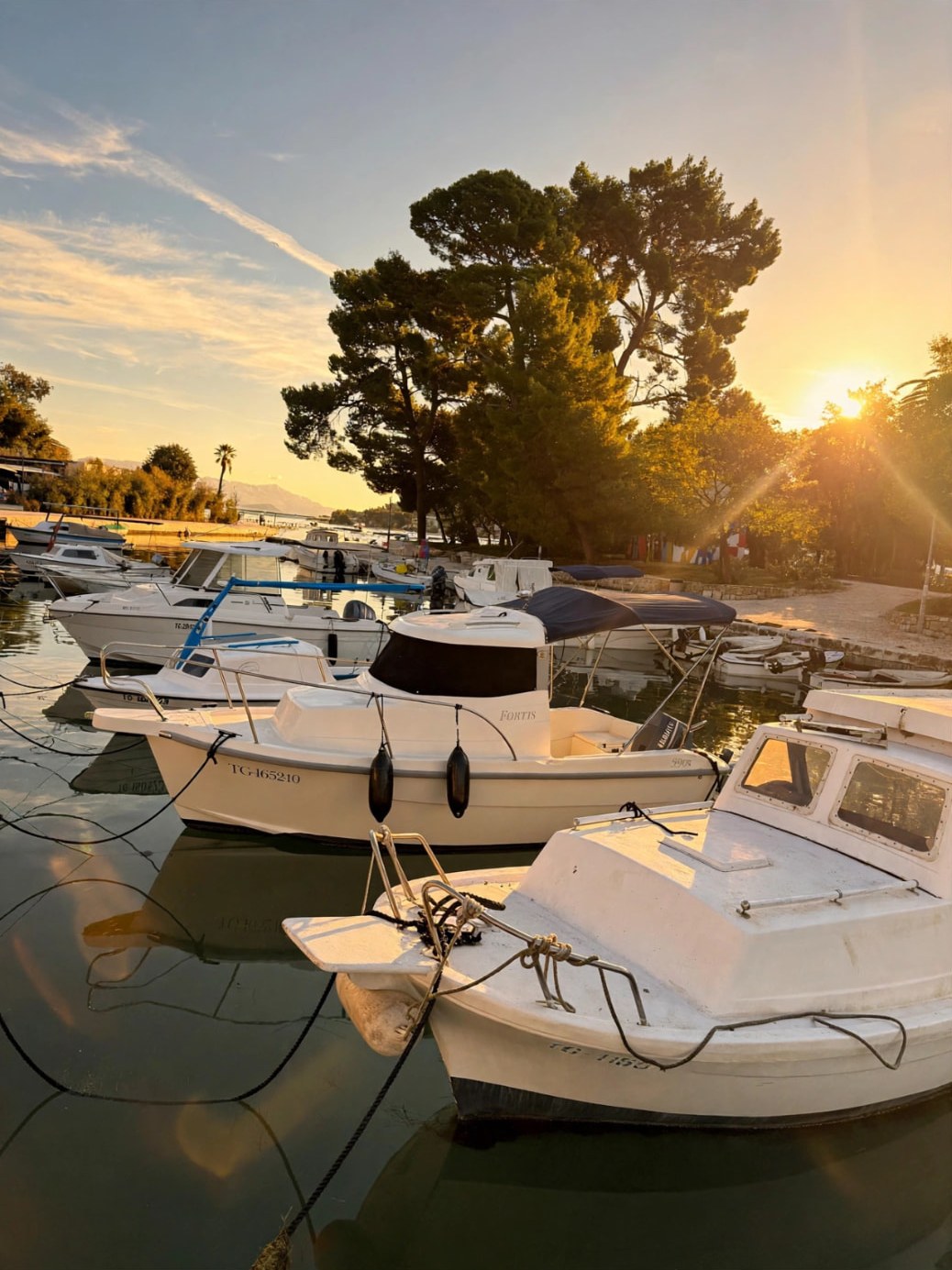
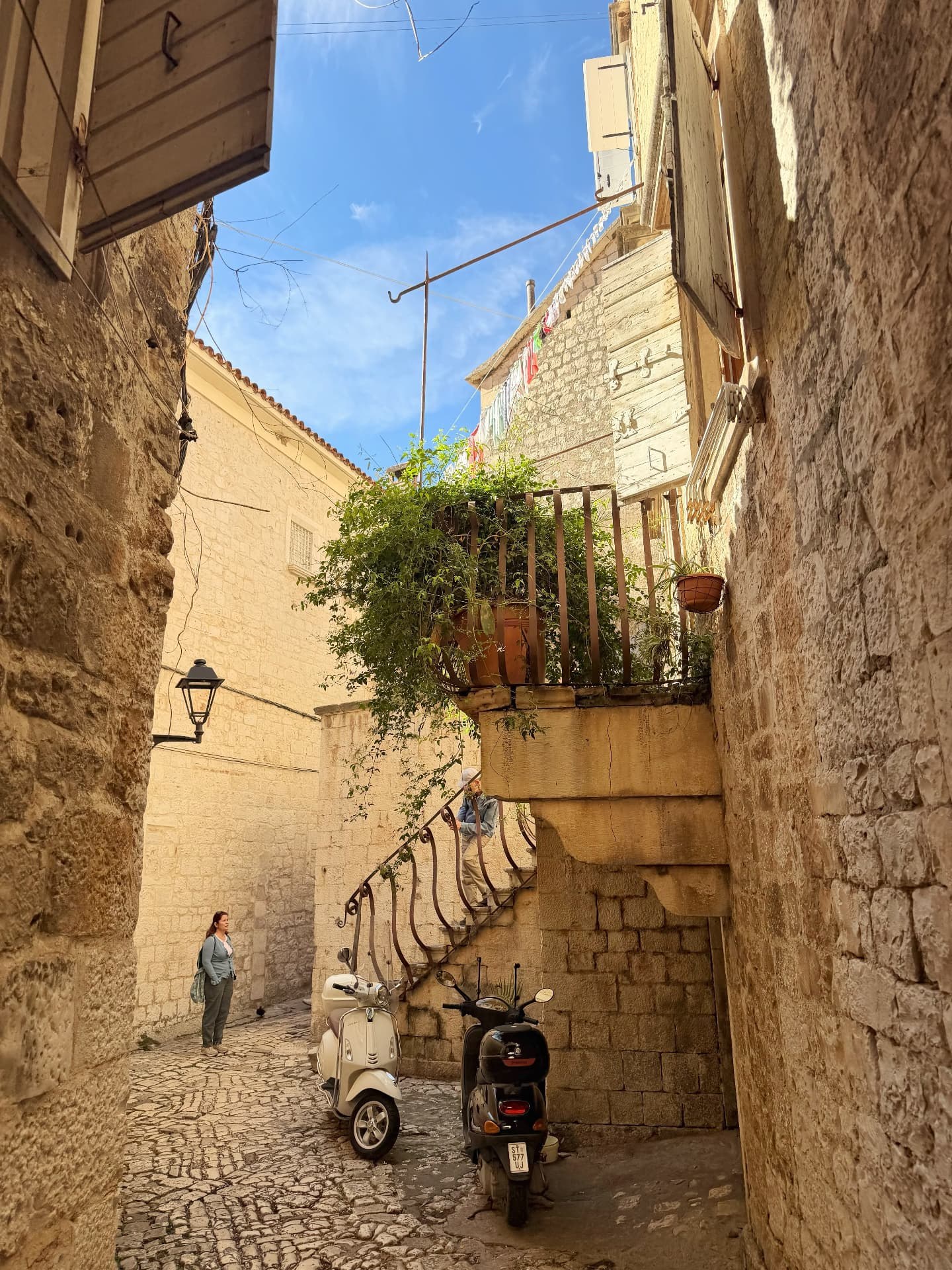
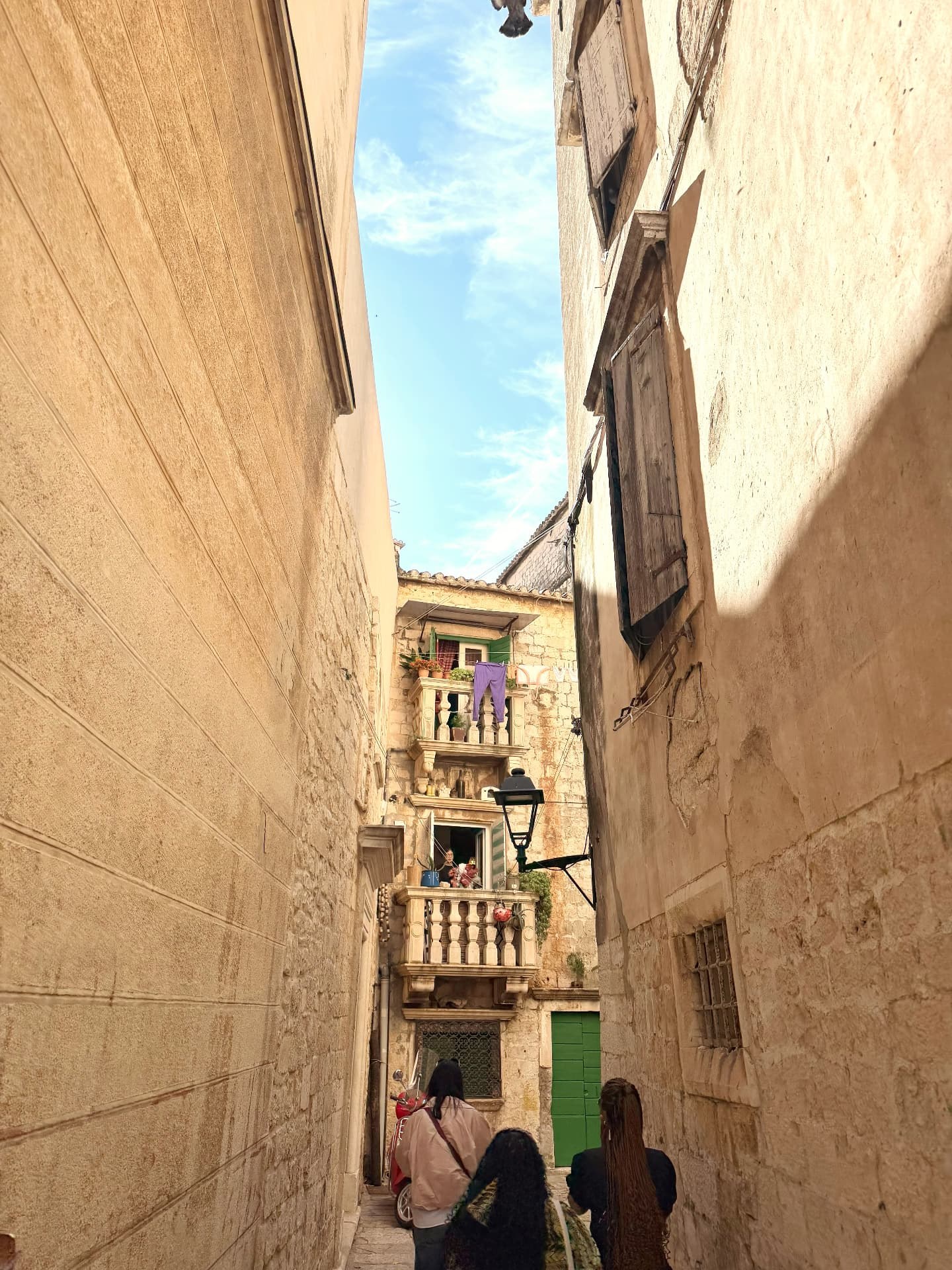
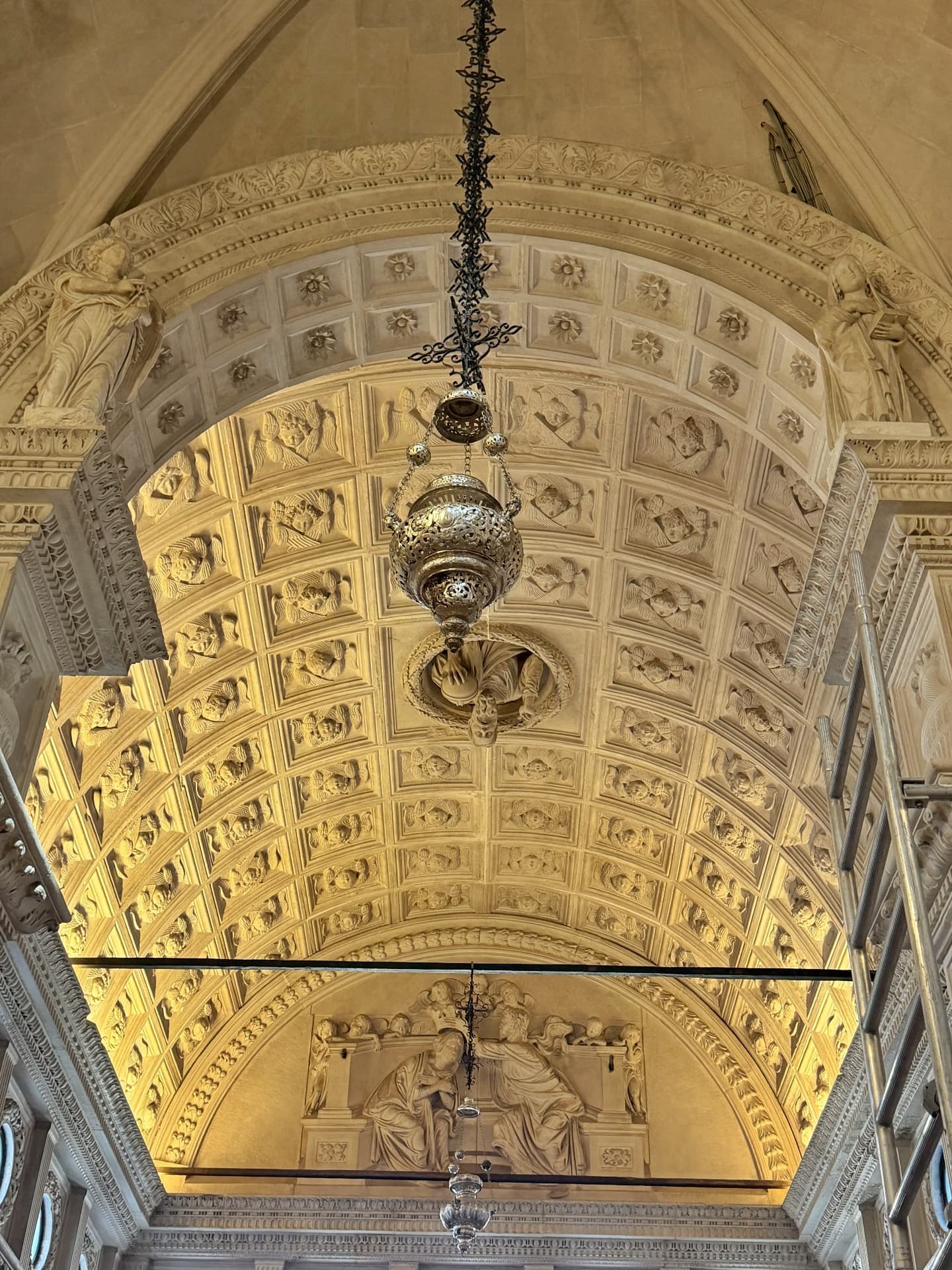
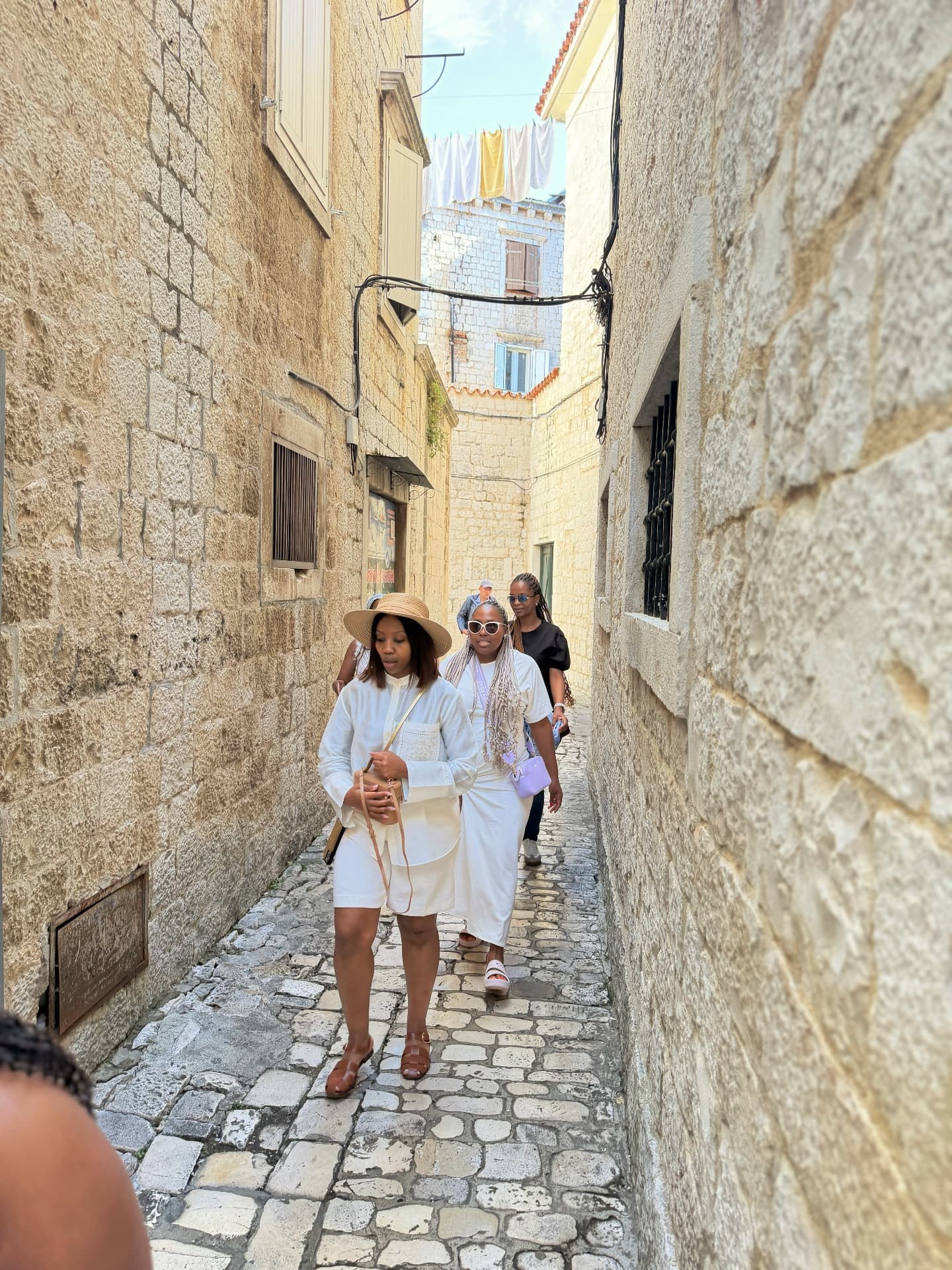
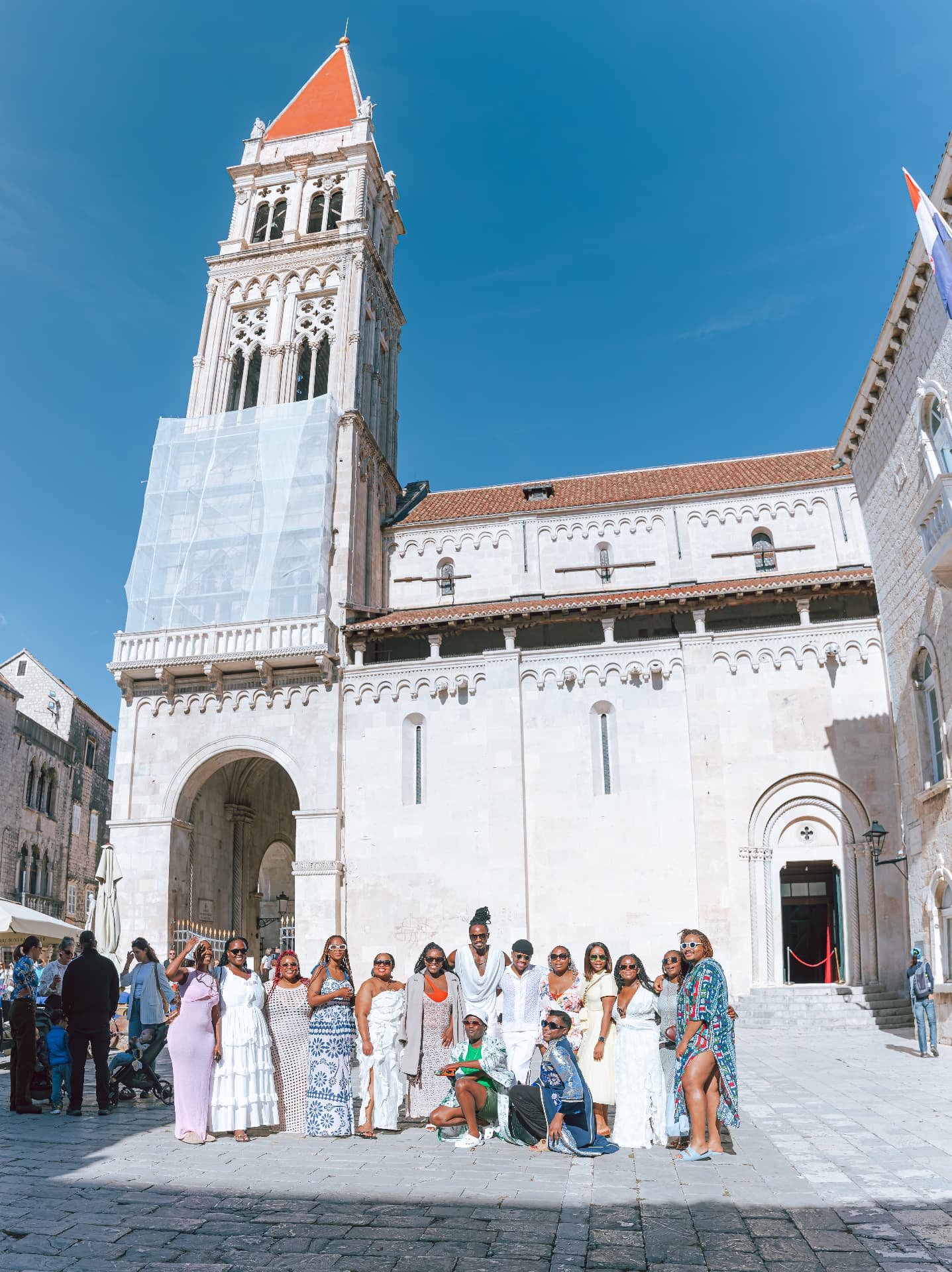
Croatia rewards an unhurried traveller with a glittering Adriatic coast, island-dotted seas and some of Europe's best-preserved historic towns. May, June and September are lovely times for the Dalmatian coast — warm enough to swim, generally gentler than the peak summer crowds — while July and August bring the liveliest atmosphere and the warmest water; inland, spring and autumn suit city exploring and national parks. Dubrovnik's walled old town, Split's Diocletian's Palace, the waterfalls of Plitvice Lakes and islands such as Hvar and Korčula make wonderful starting points, and the Istrian peninsula adds hilltop towns and a celebrated food culture. Croatian culture is warm and sociable, shaped by Mediterranean, Central European and Balkan influences, with coffee culture an unhurried daily ritual. The country is predominantly Roman Catholic, and churches, shrines and feast-day processions remain part of community life; dress modestly in churches and follow local guidance on photography. A friendly greeting, a slow meal by the water and respect for local customs make a Croatian journey especially memorable. The Adriatic is the long, narrow arm of the Mediterranean between Italy and the Balkans — roughly 800 km long and never more than about 200 km wide. Croatia holds most of its eastern shore, with more than a thousand islands and islets scattered along the coast, and its water is famous as some of the clearest in Europe, with visibility often reaching well past 30 metres. It is also saltier than most of the Mediterranean and warm enough to swim from late May into October. Along this coast the days move slowly: golden-stone lanes in old towns like Trogir, harbours full of little white boats, long dinners on terraces above the marinas, and sunsets that turn the whole sea to honey.
















Photographs
98 photosSplit Croatia
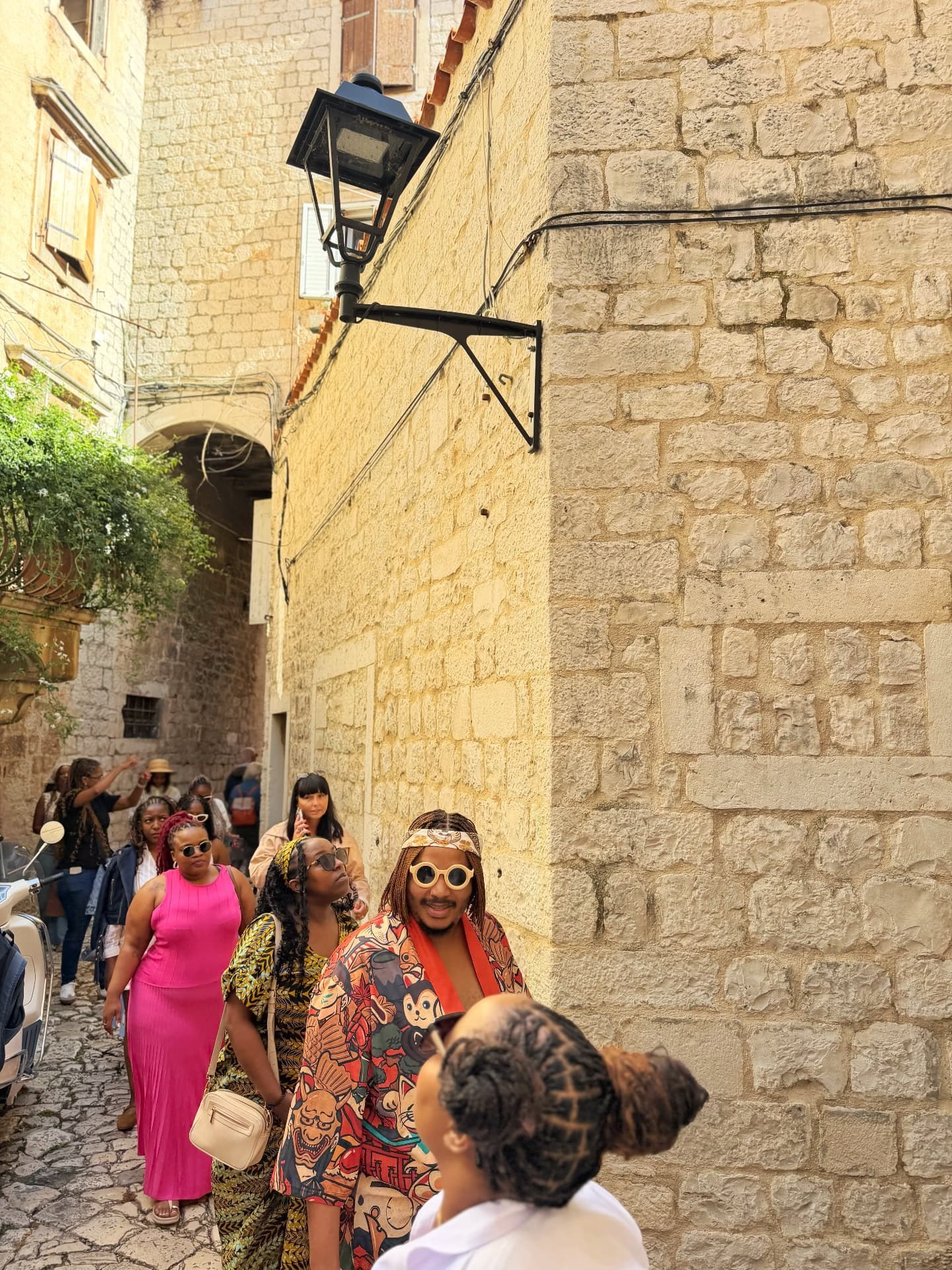
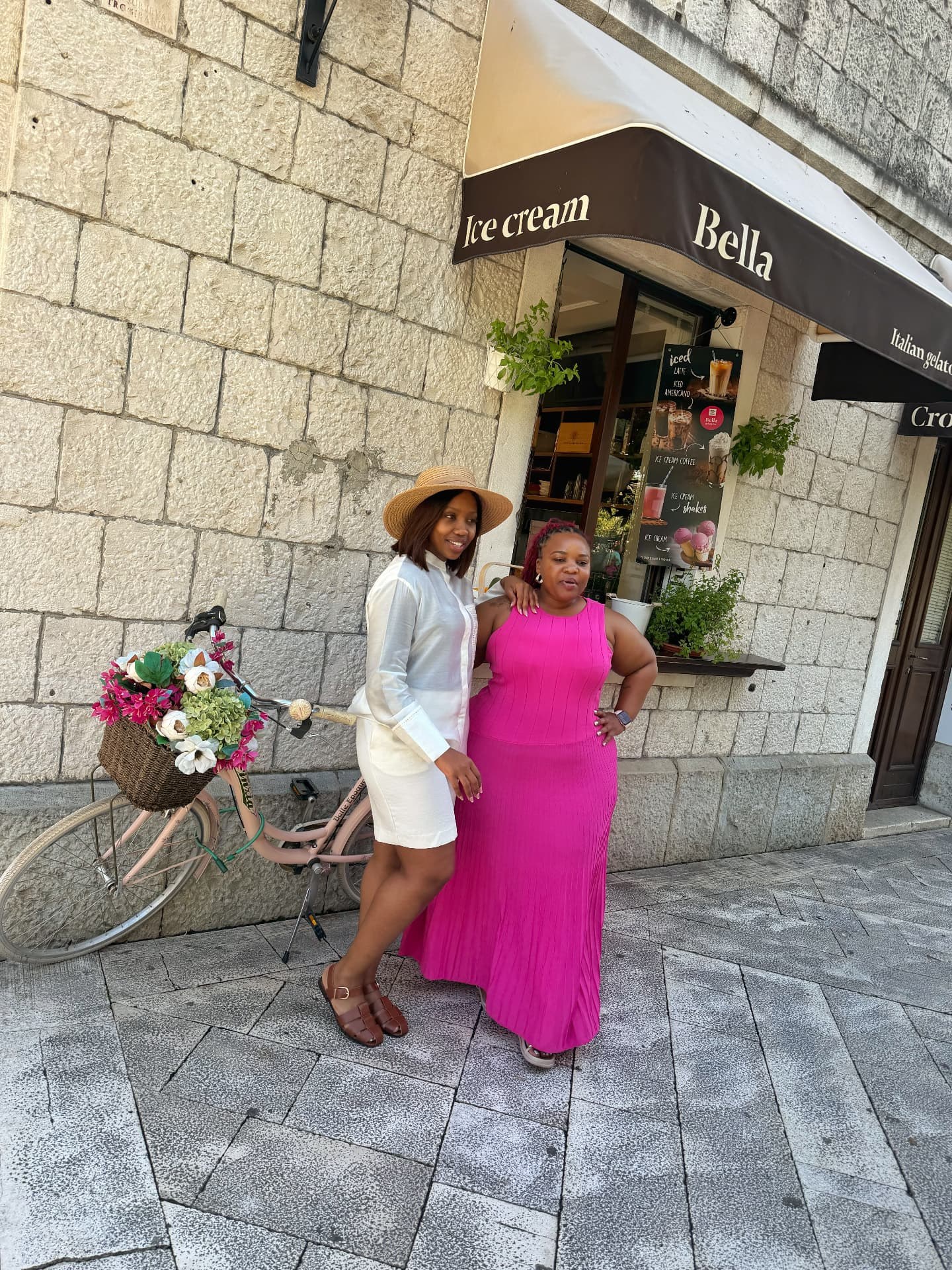
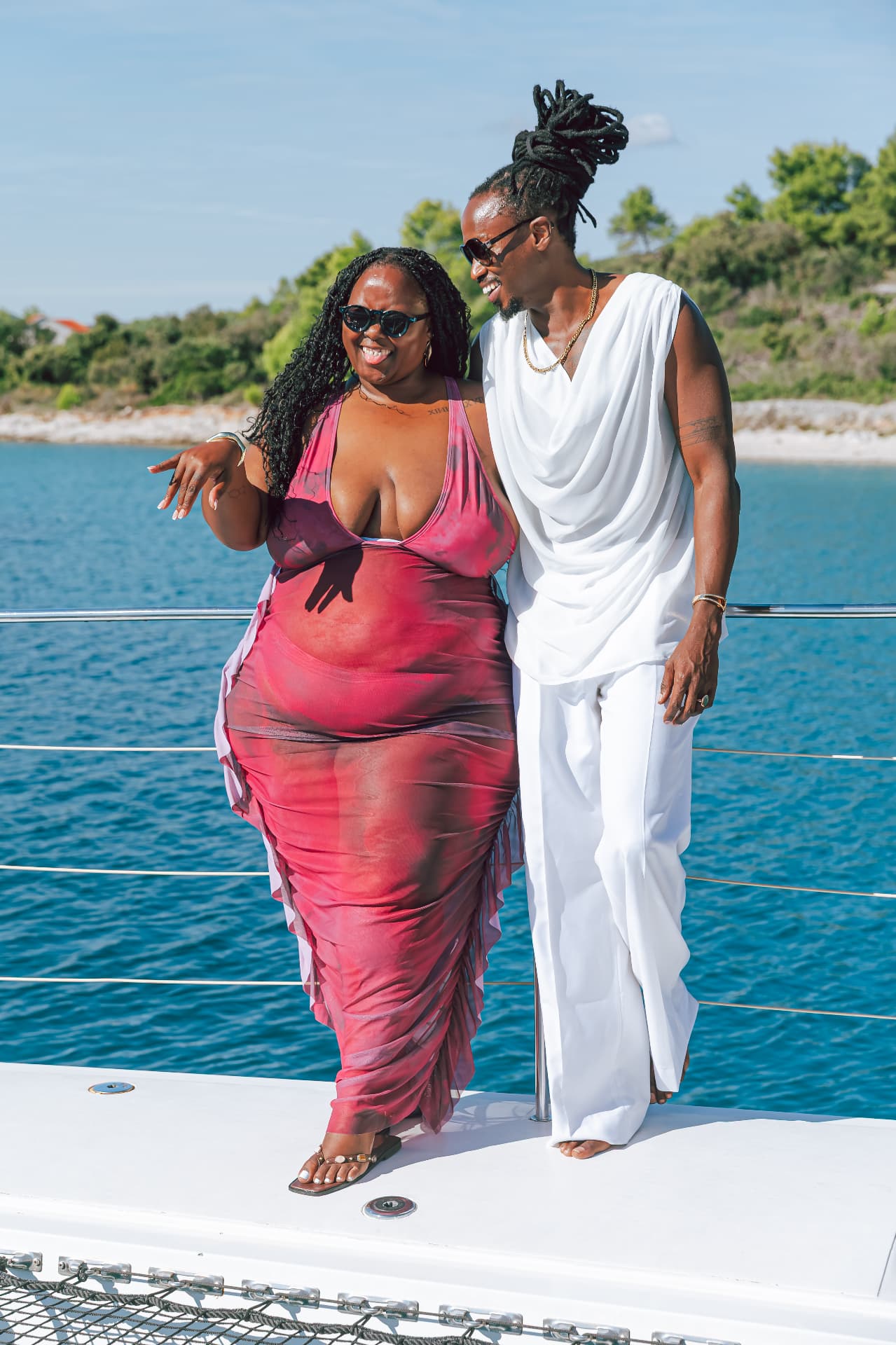
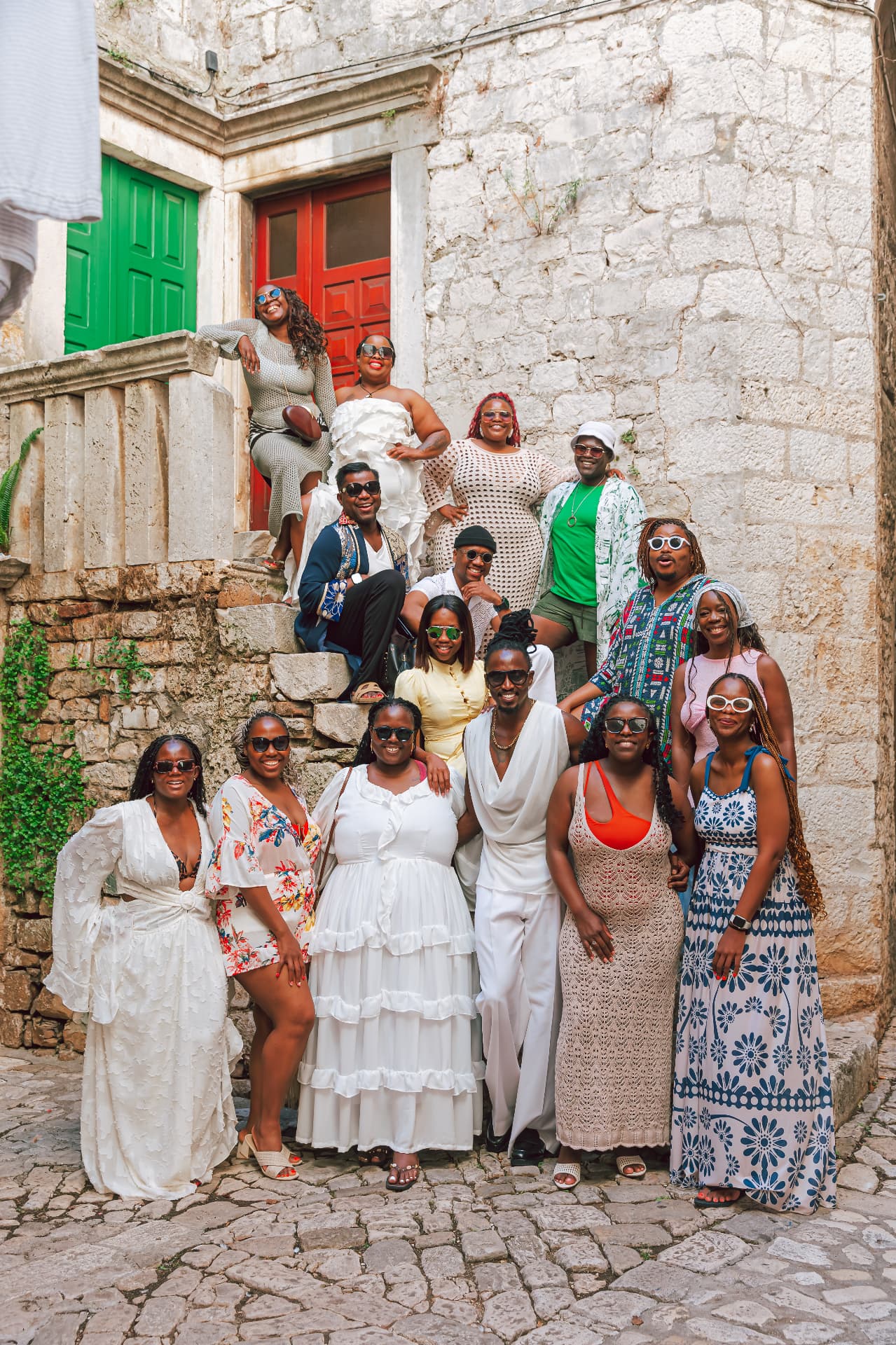
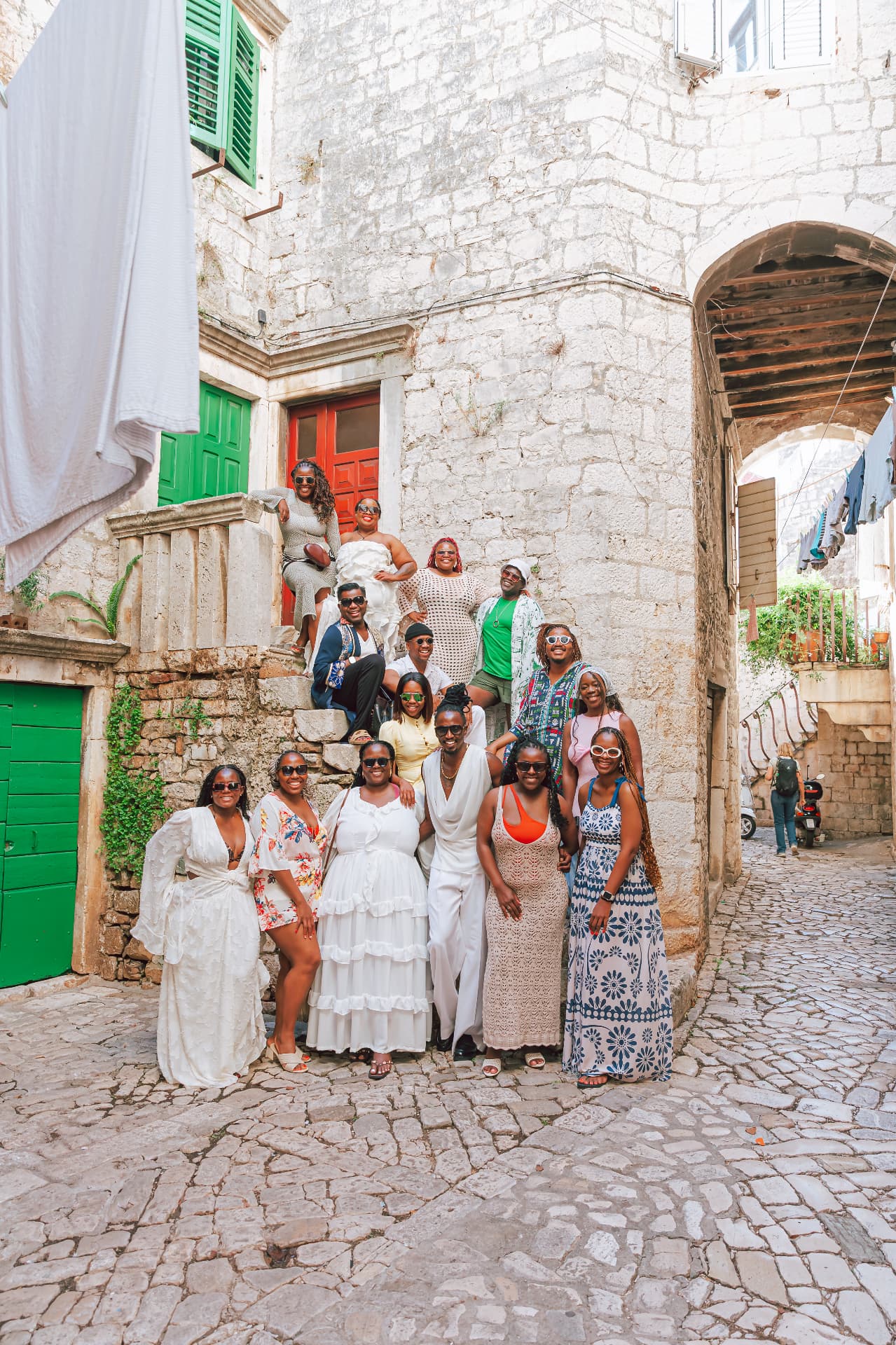
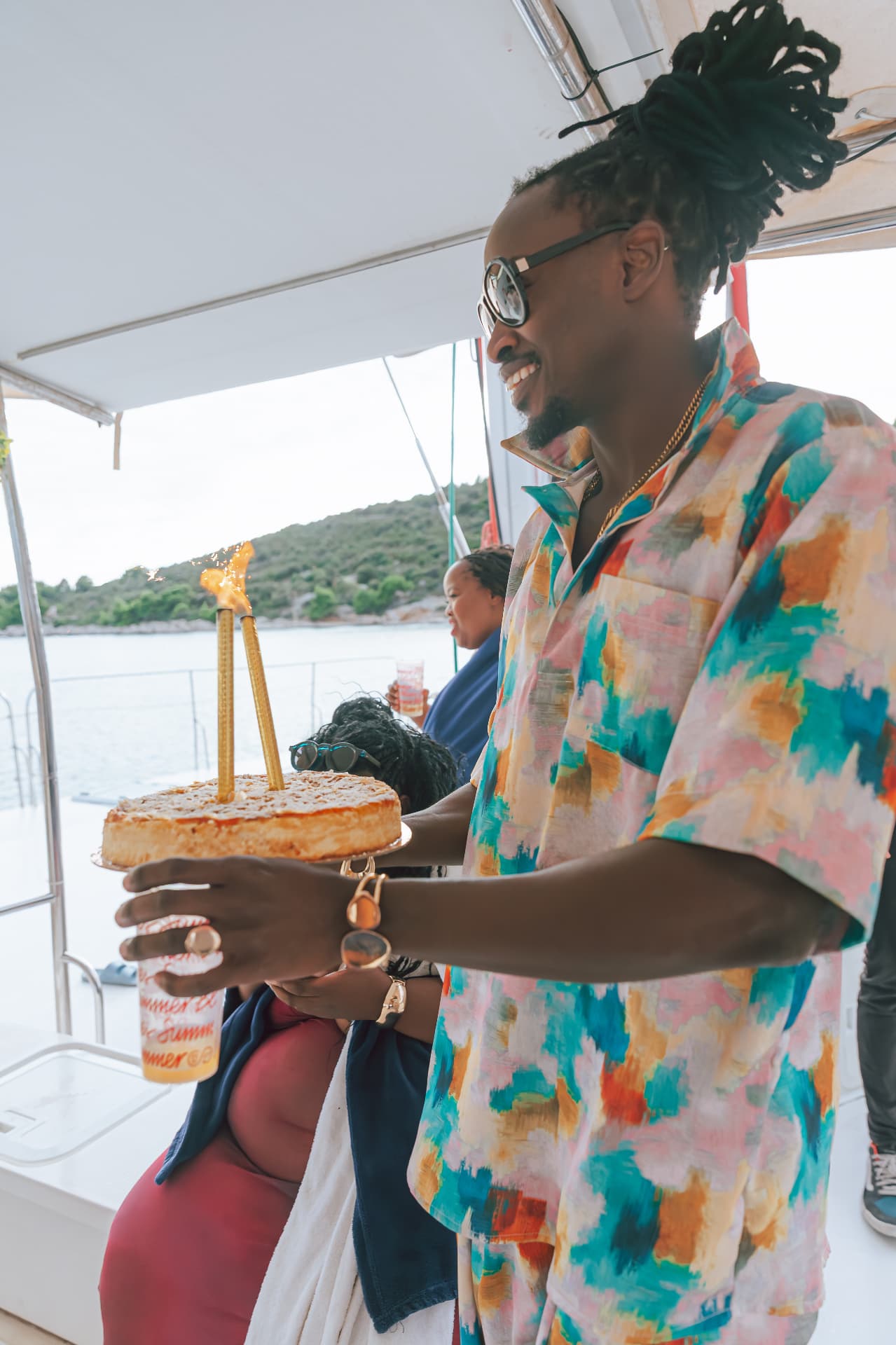
I went to Split to celebrate my birthday with 13 good friends of mine — a beautiful setting for shared meals, sunshine and memories together. On Croatia’s Dalmatian coast, Split brings ancient history into everyday life: the UNESCO-listed historic centre grew around the Roman emperor Diocletian’s Palace, and its stone lanes open onto lively squares, cafés and the palm-lined Riva waterfront. With the Adriatic on its doorstep, fresh seafood and nearby islands to explore, the city has a wonderfully relaxed Mediterranean spirit.
Mostar
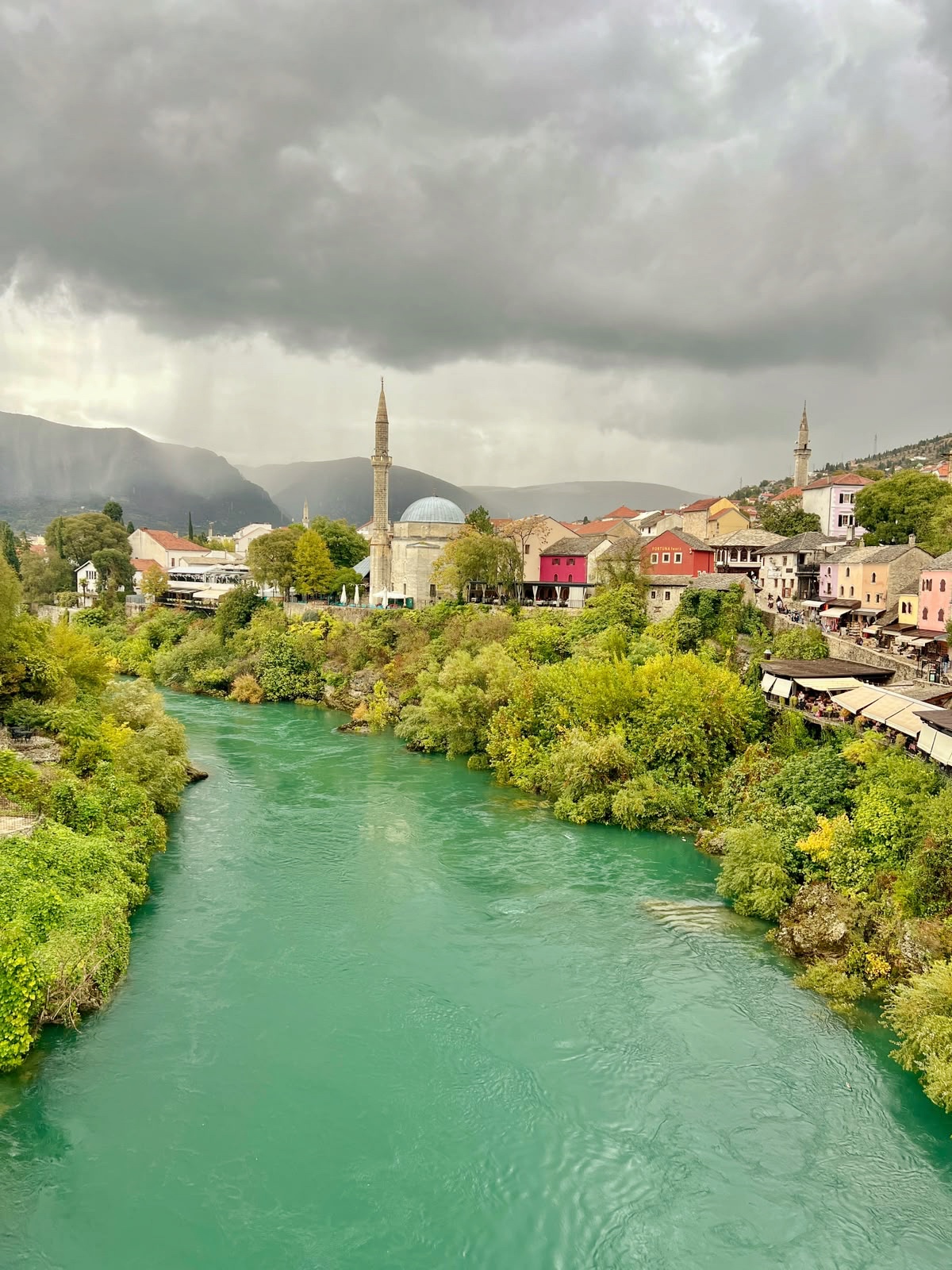
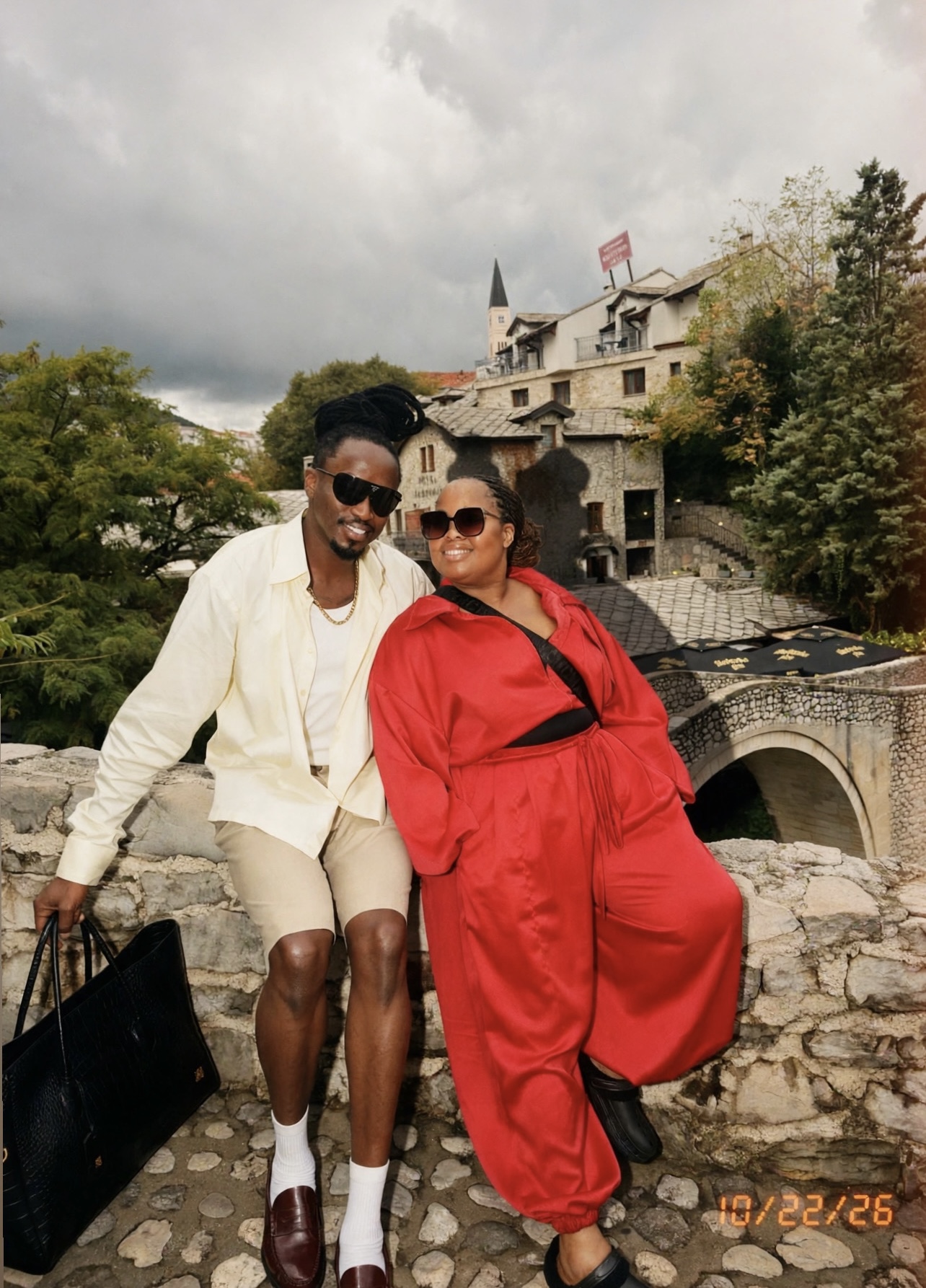
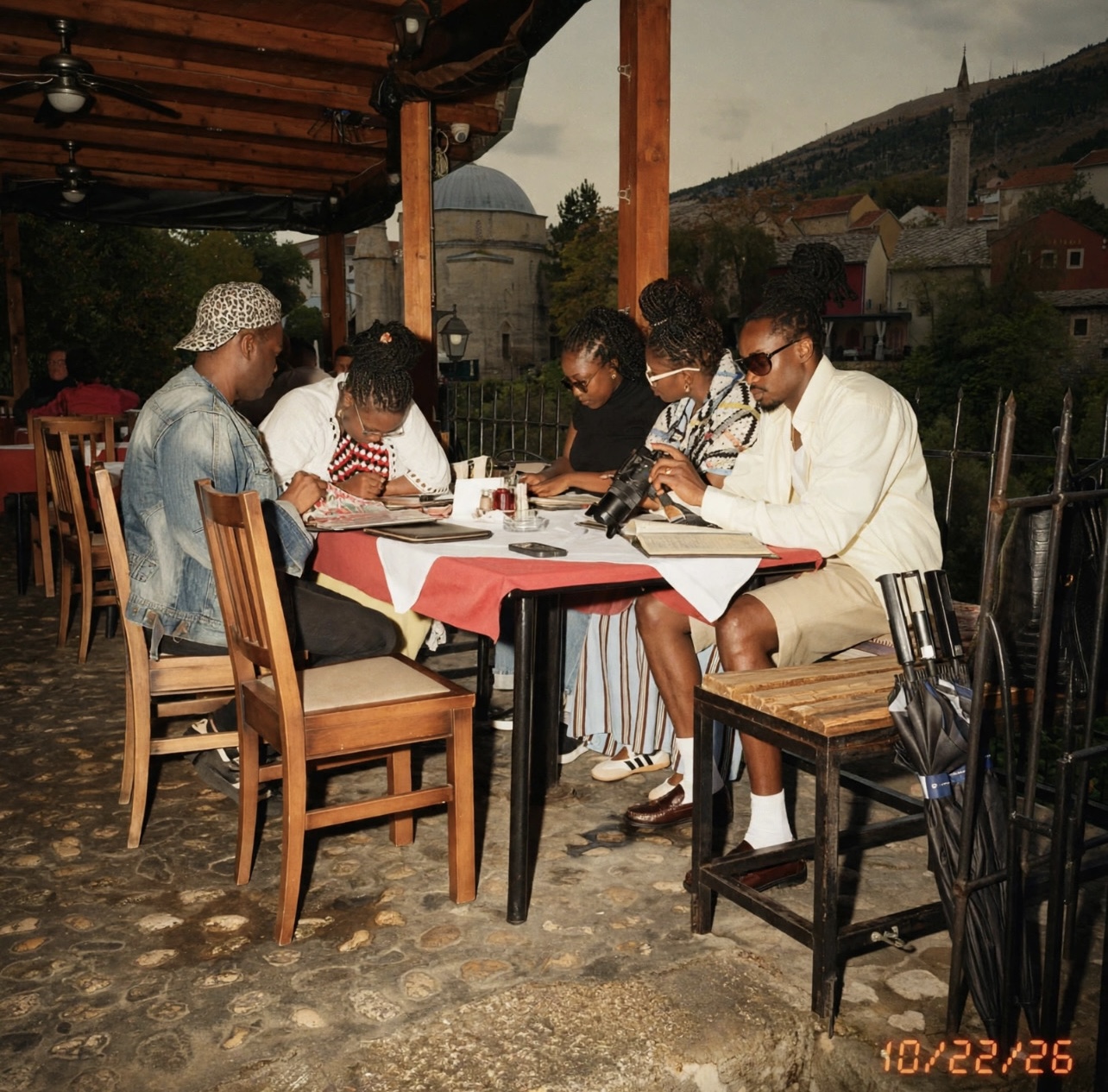
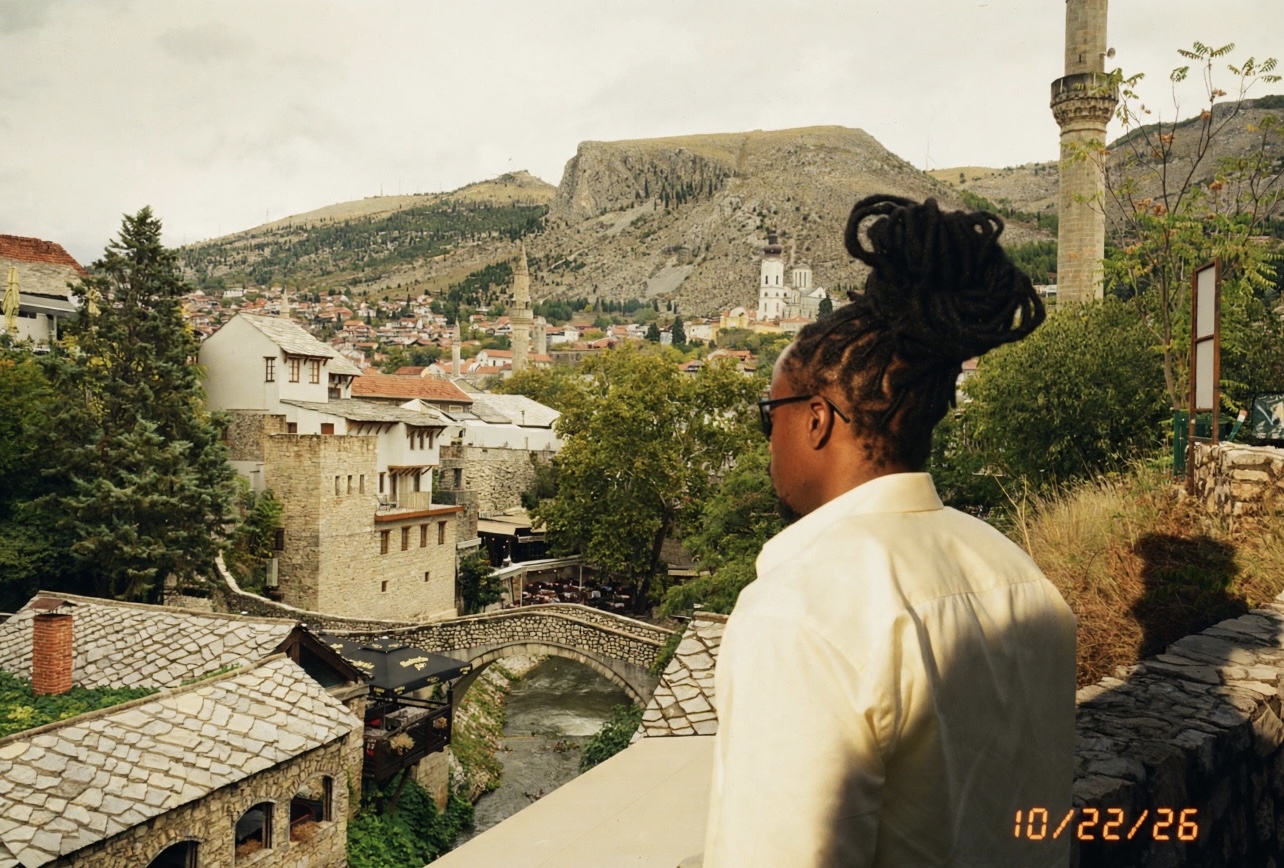
Mostar, in Bosnia and Herzegovina, is a beautiful meeting point of cultures beside the emerald Neretva River. Its celebrated Stari Most — a 16th-century Ottoman bridge rebuilt after the war — is the heart of a UNESCO-listed historic area, surrounded by cobbled lanes, stone houses and slender minarets. Small craft shops, riverside terraces and traditional Bosnian coffee make it a lovely place to slow down, while the city’s architecture tells a story of Ottoman heritage, resilience and renewal.
Boat party in Split
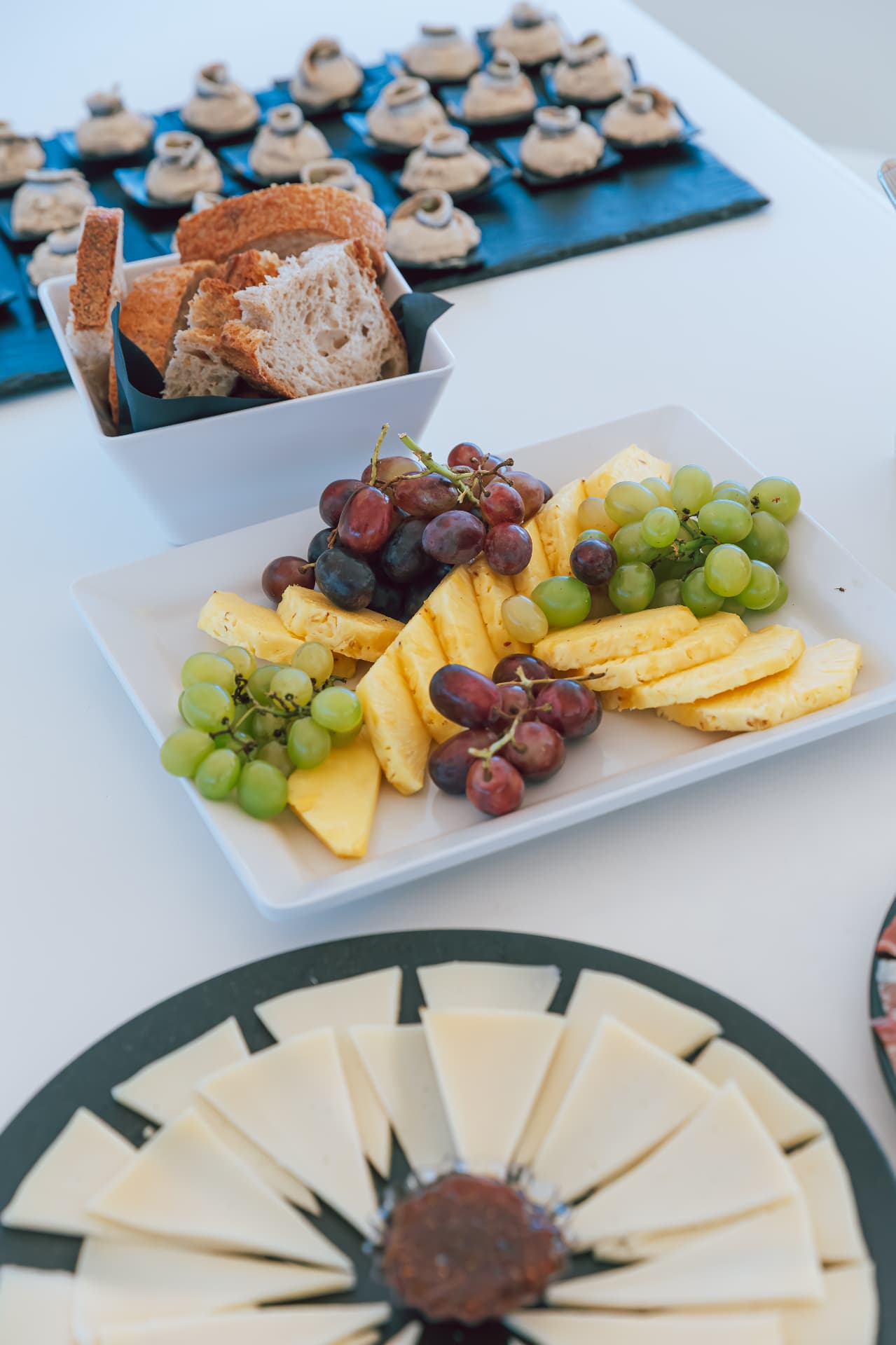
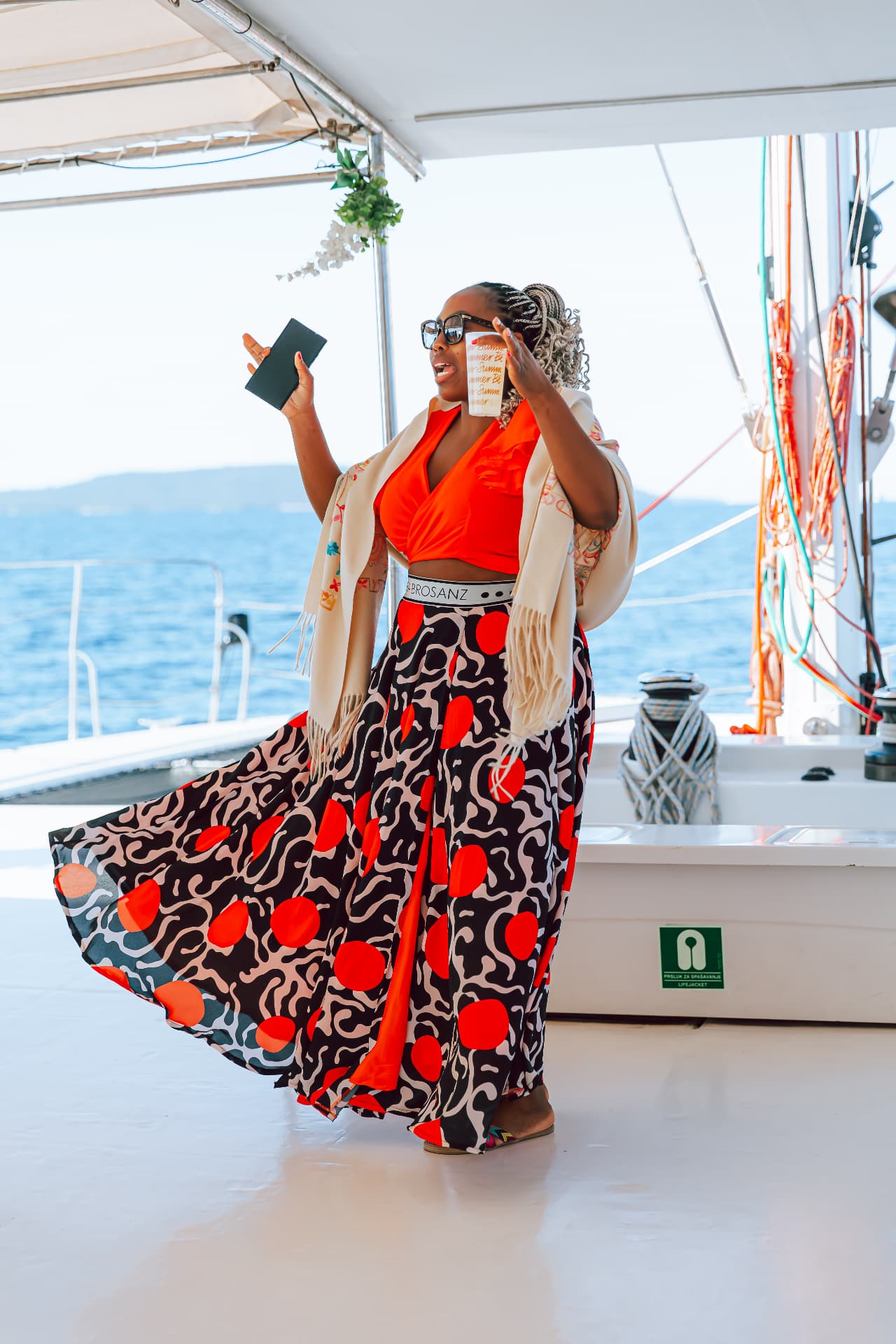
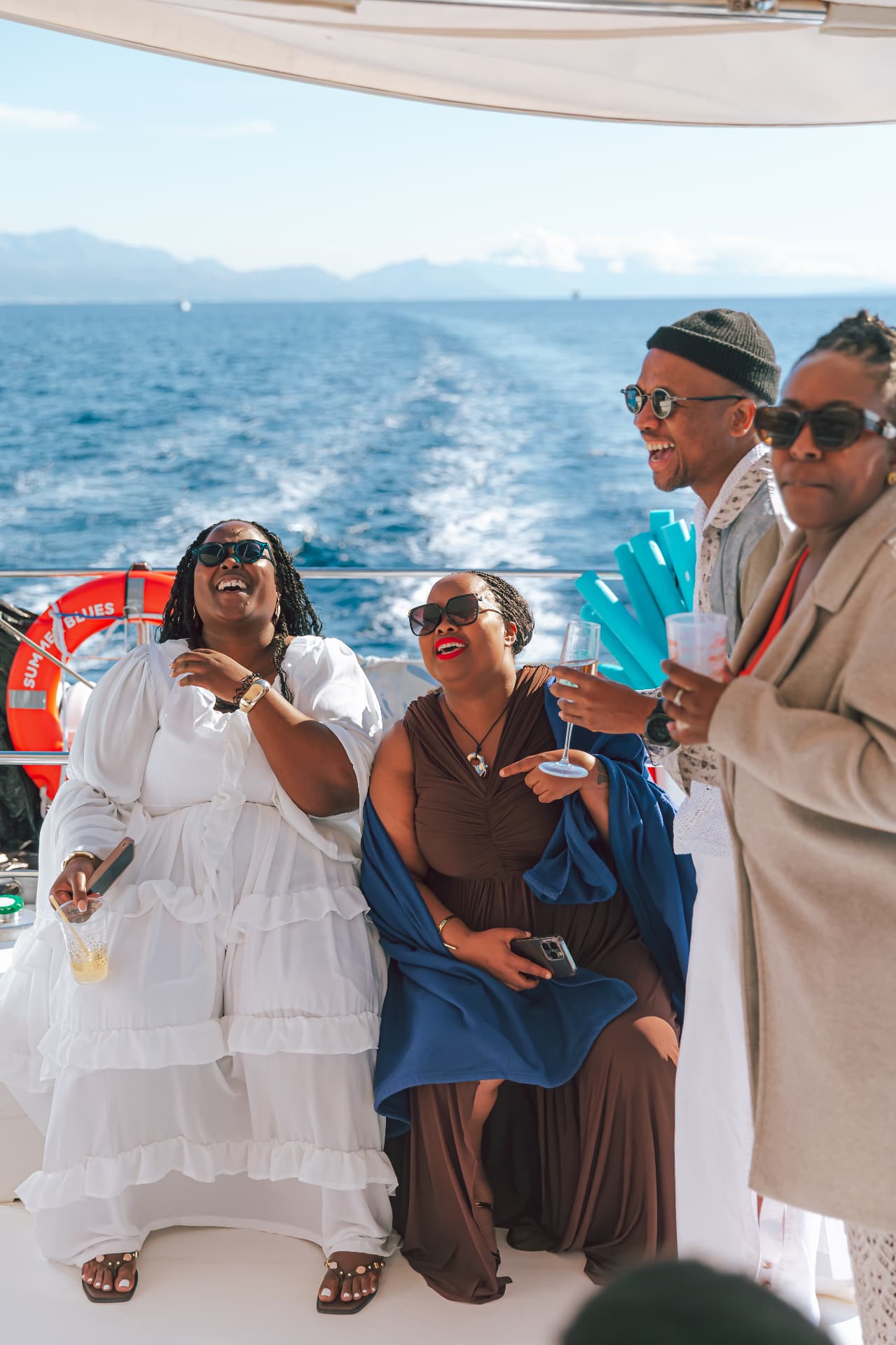
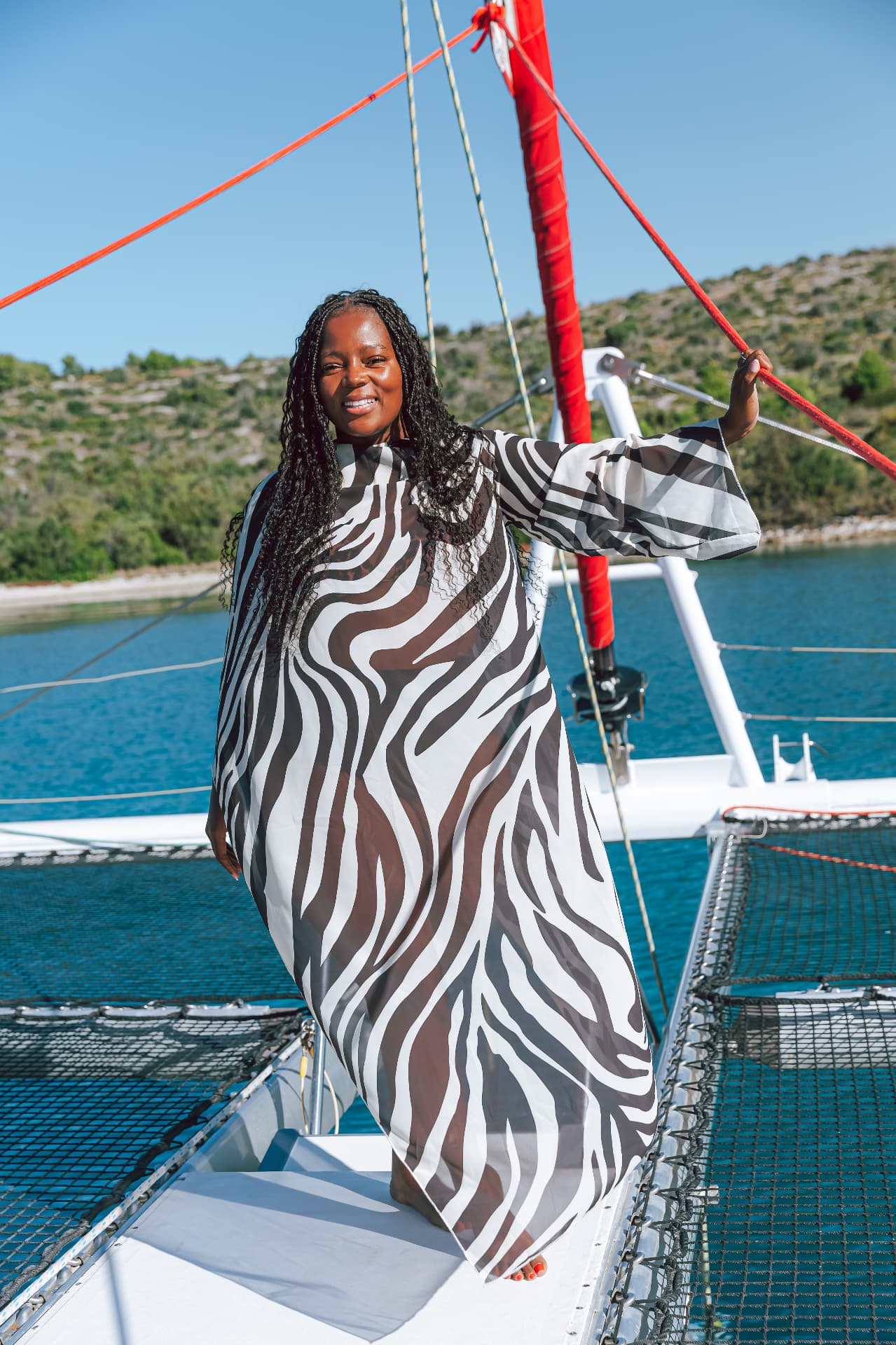
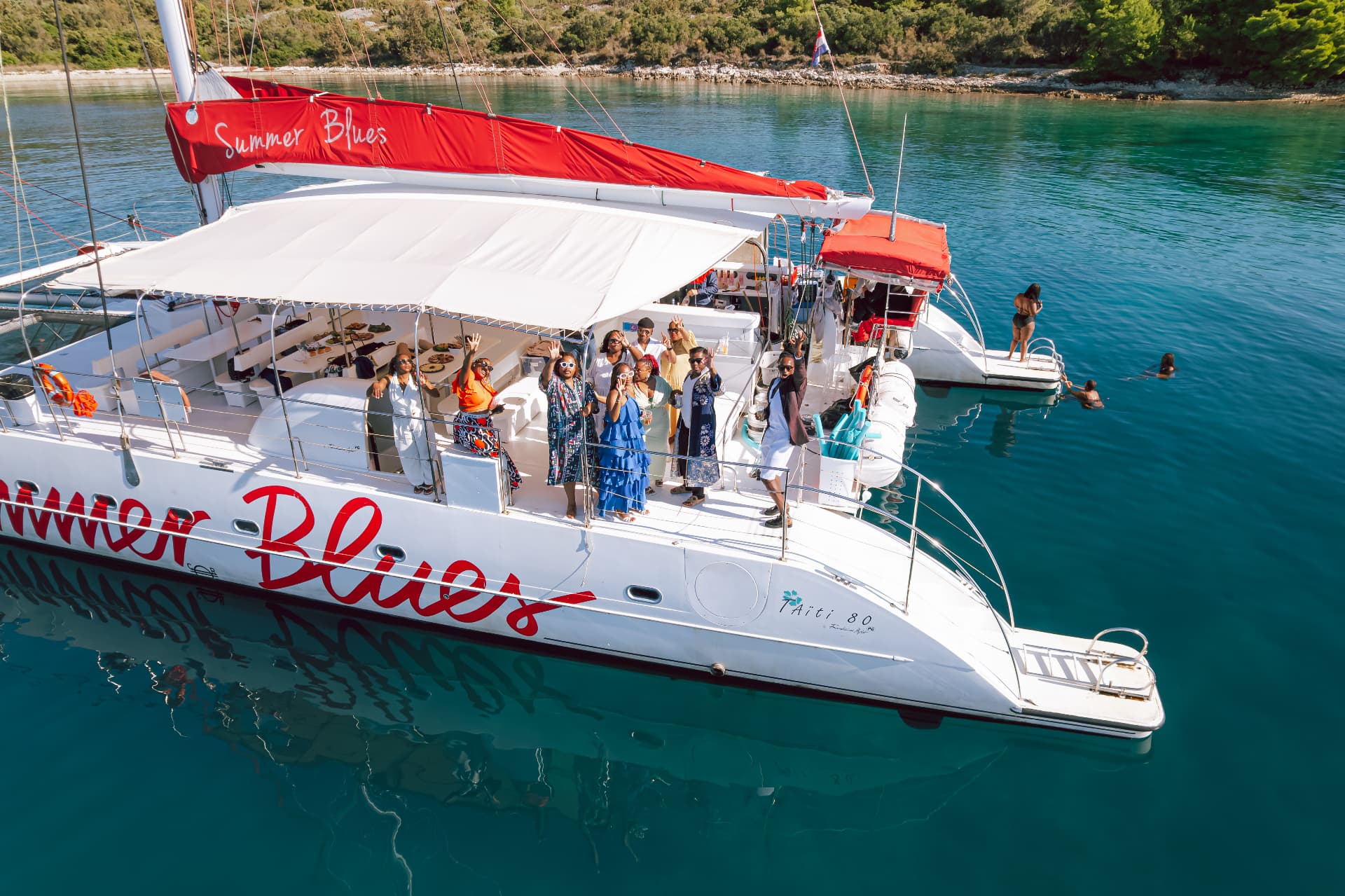
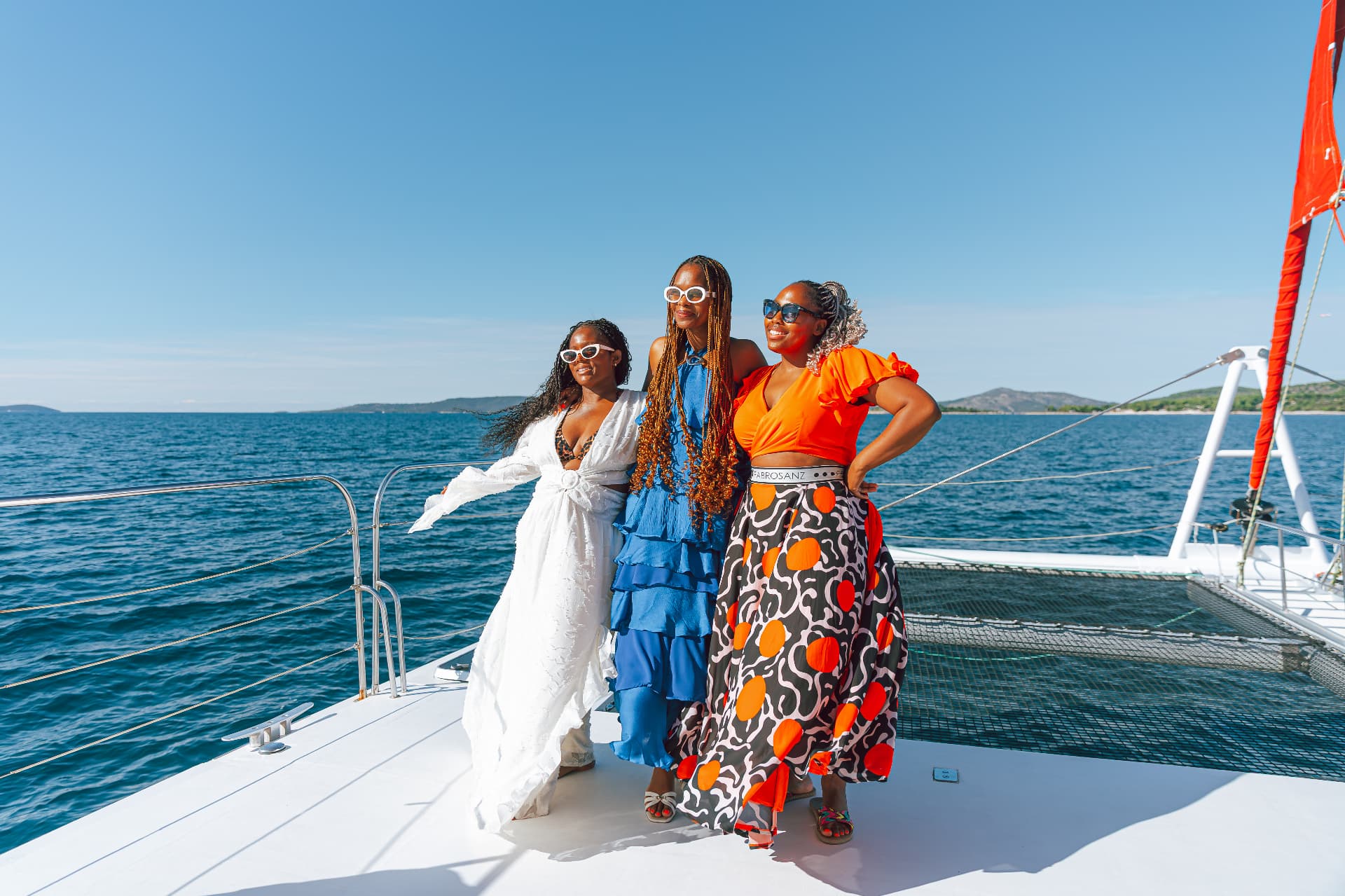
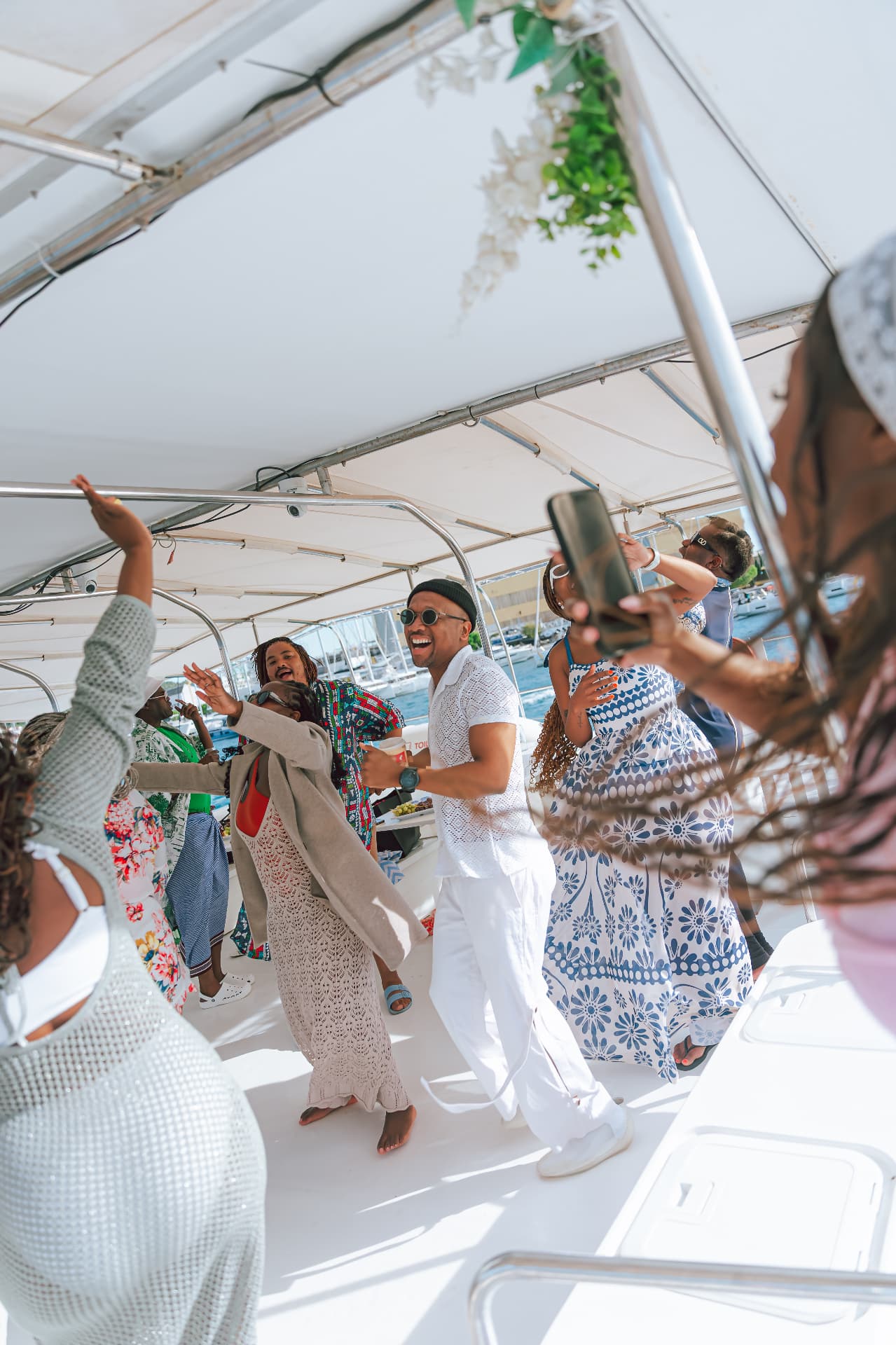
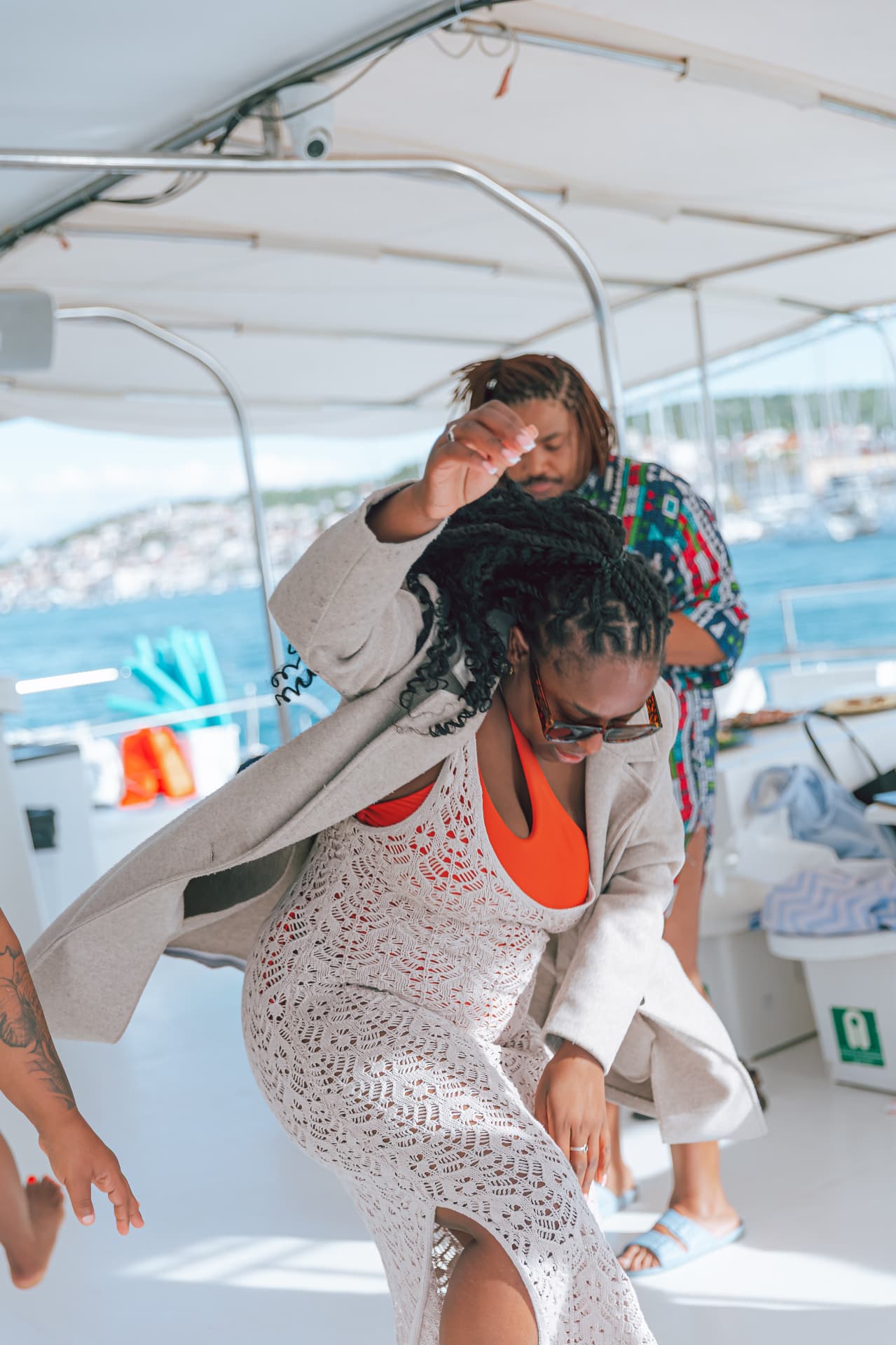
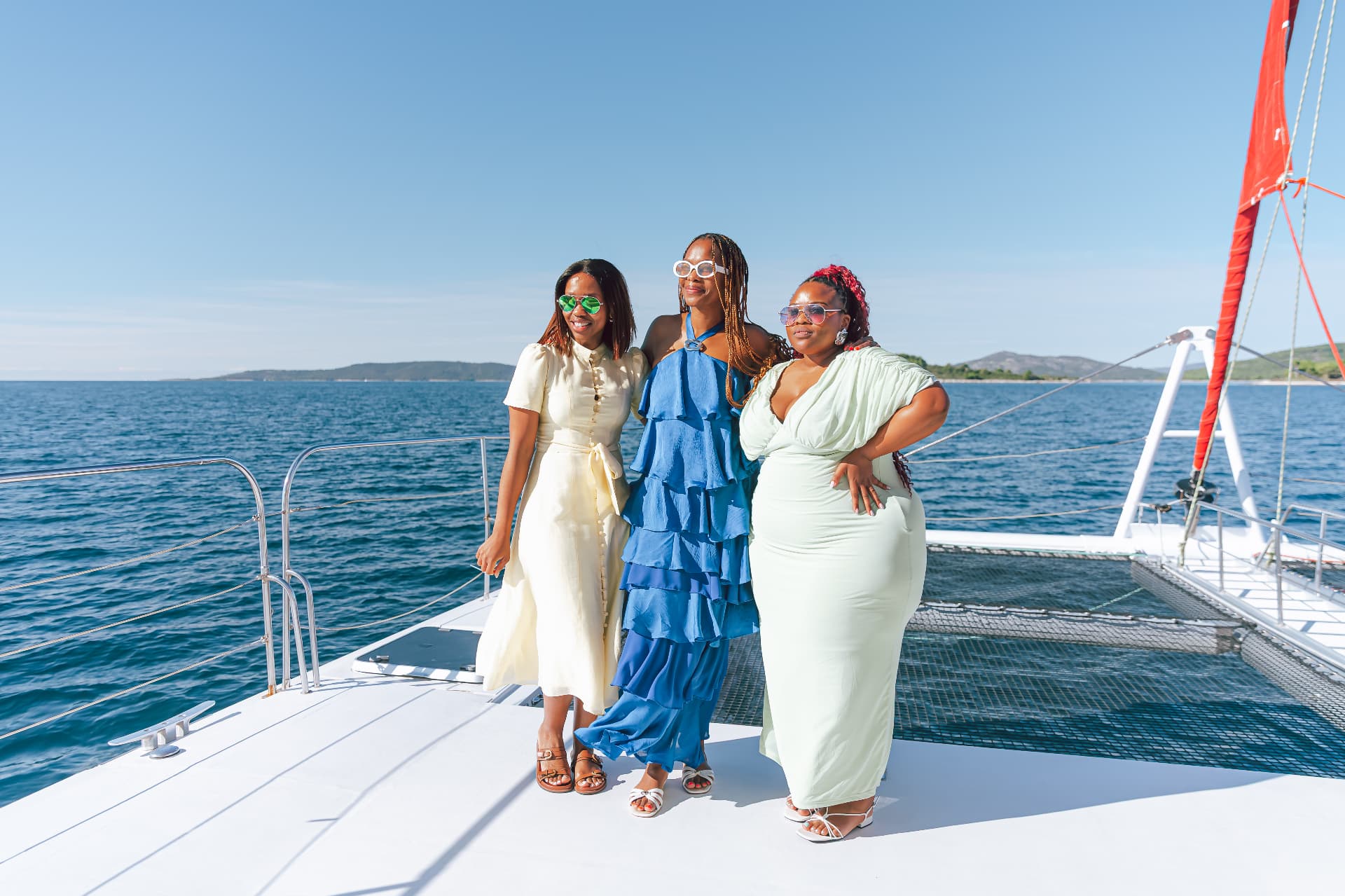
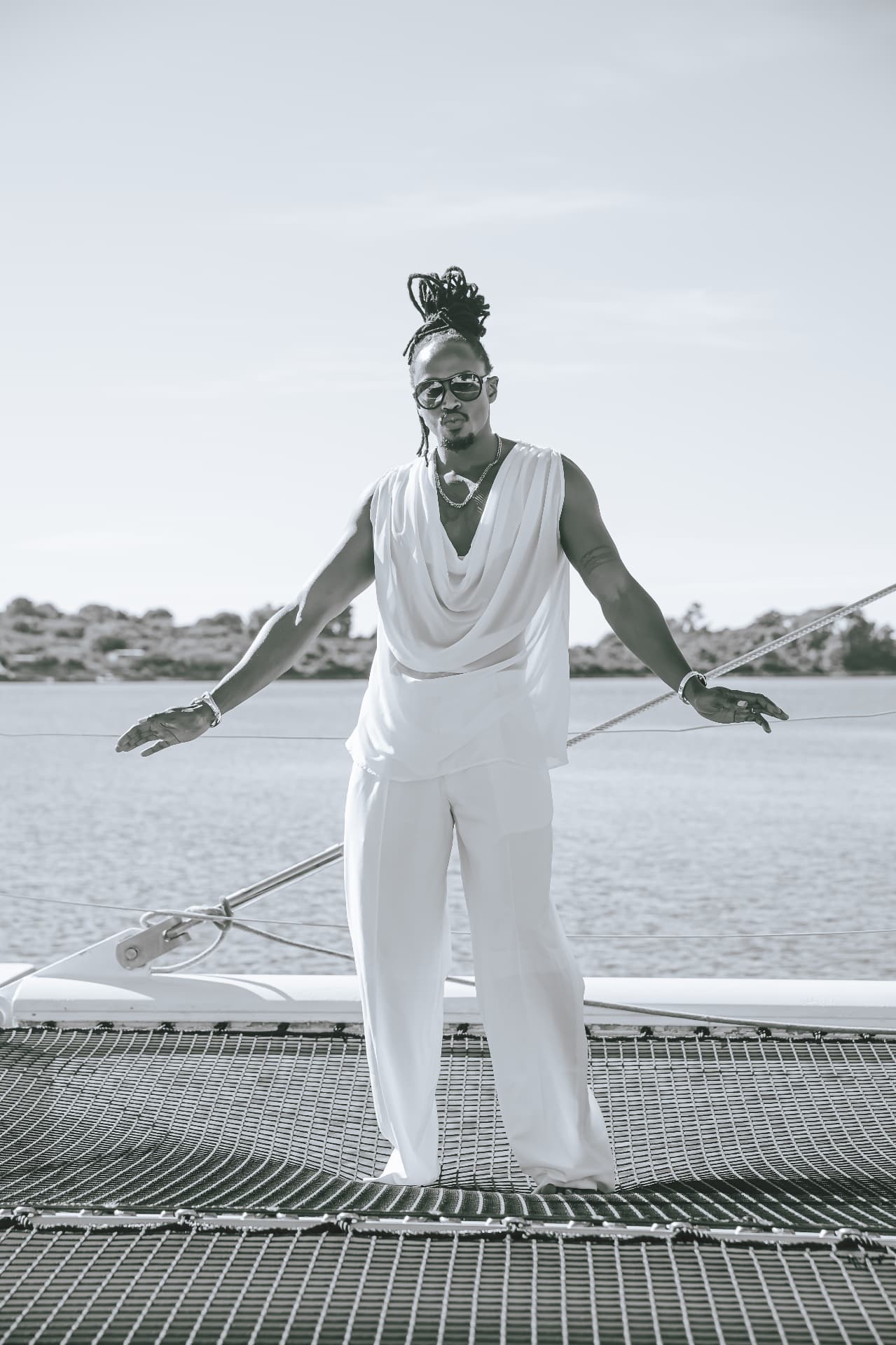
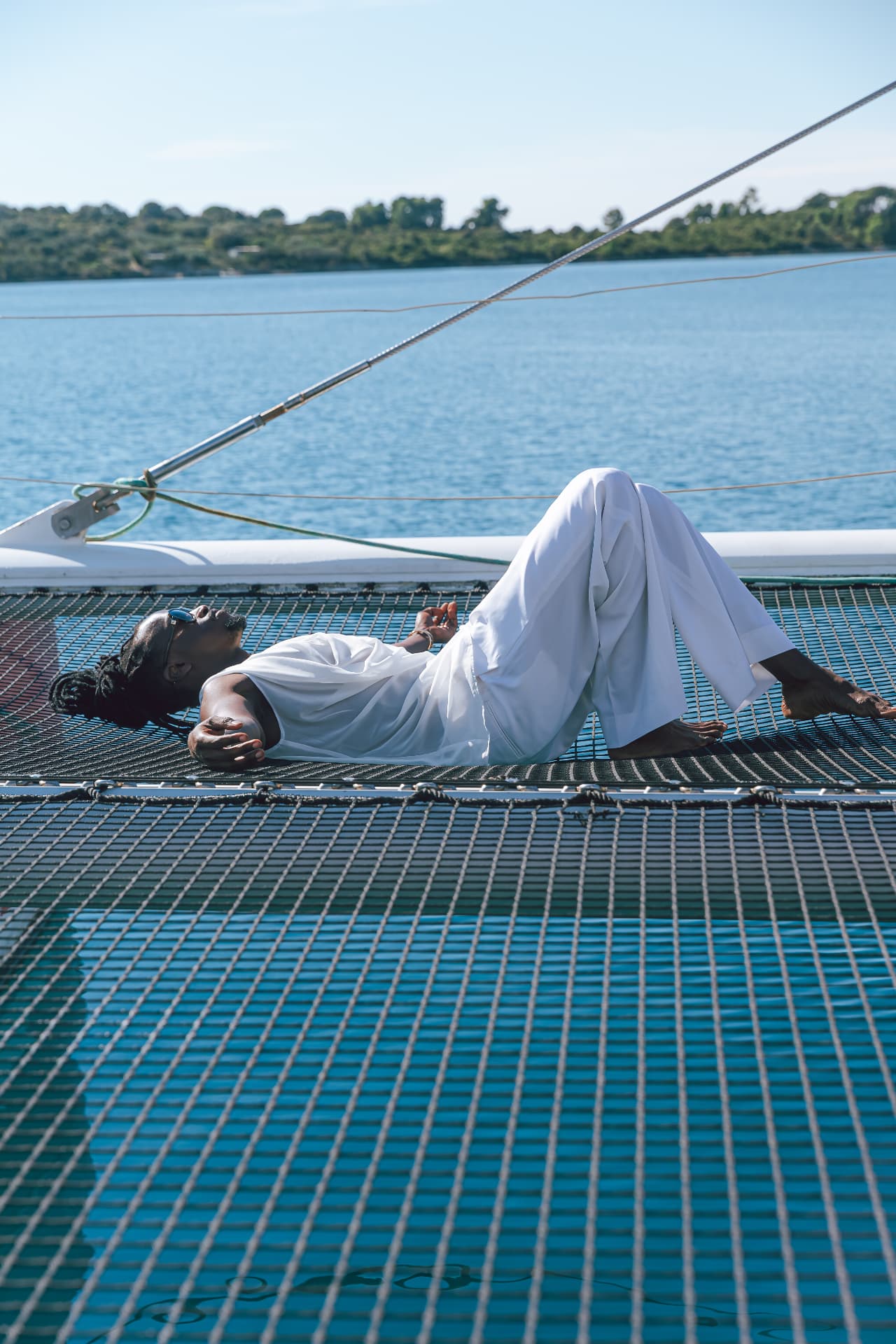
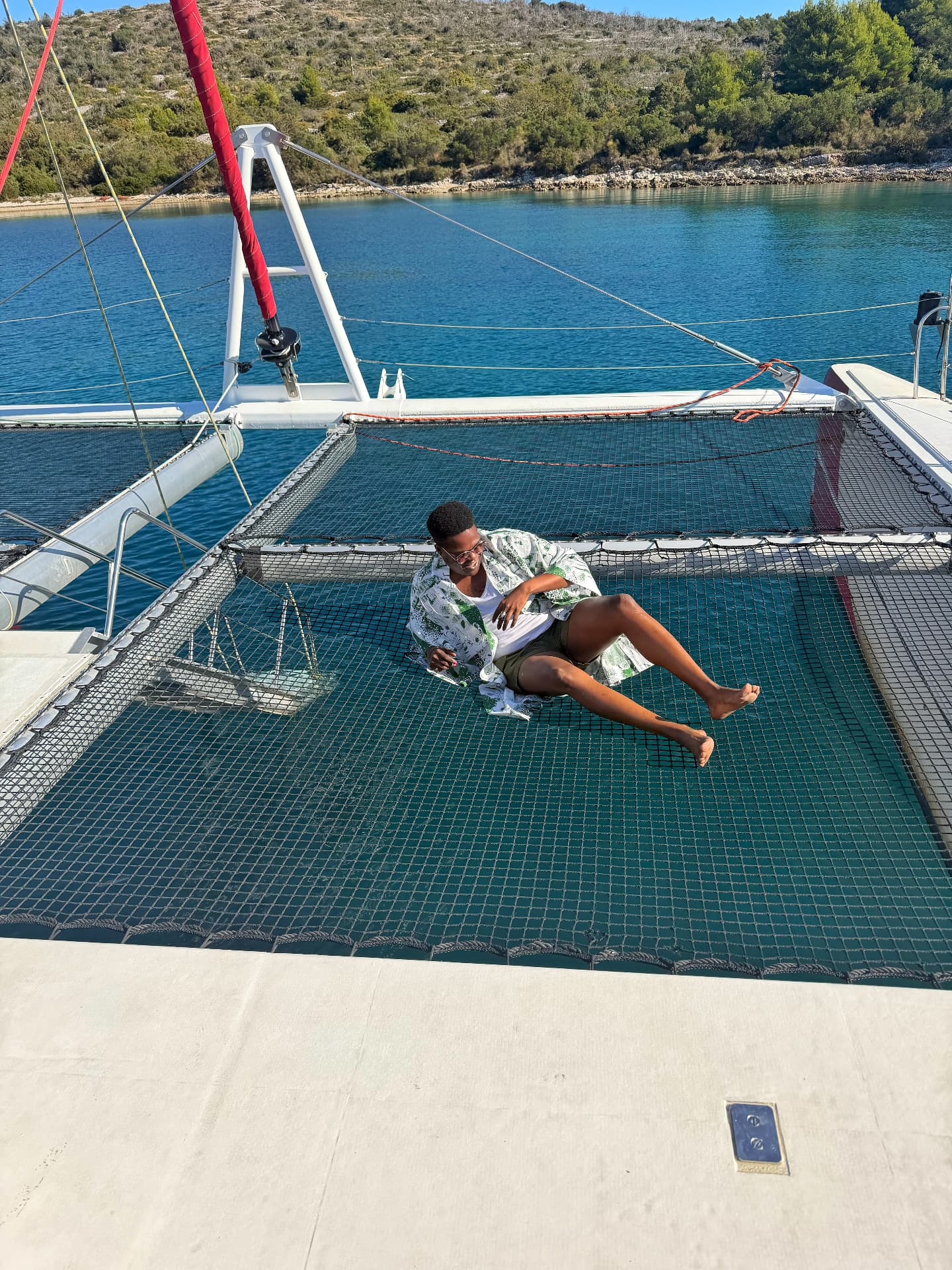
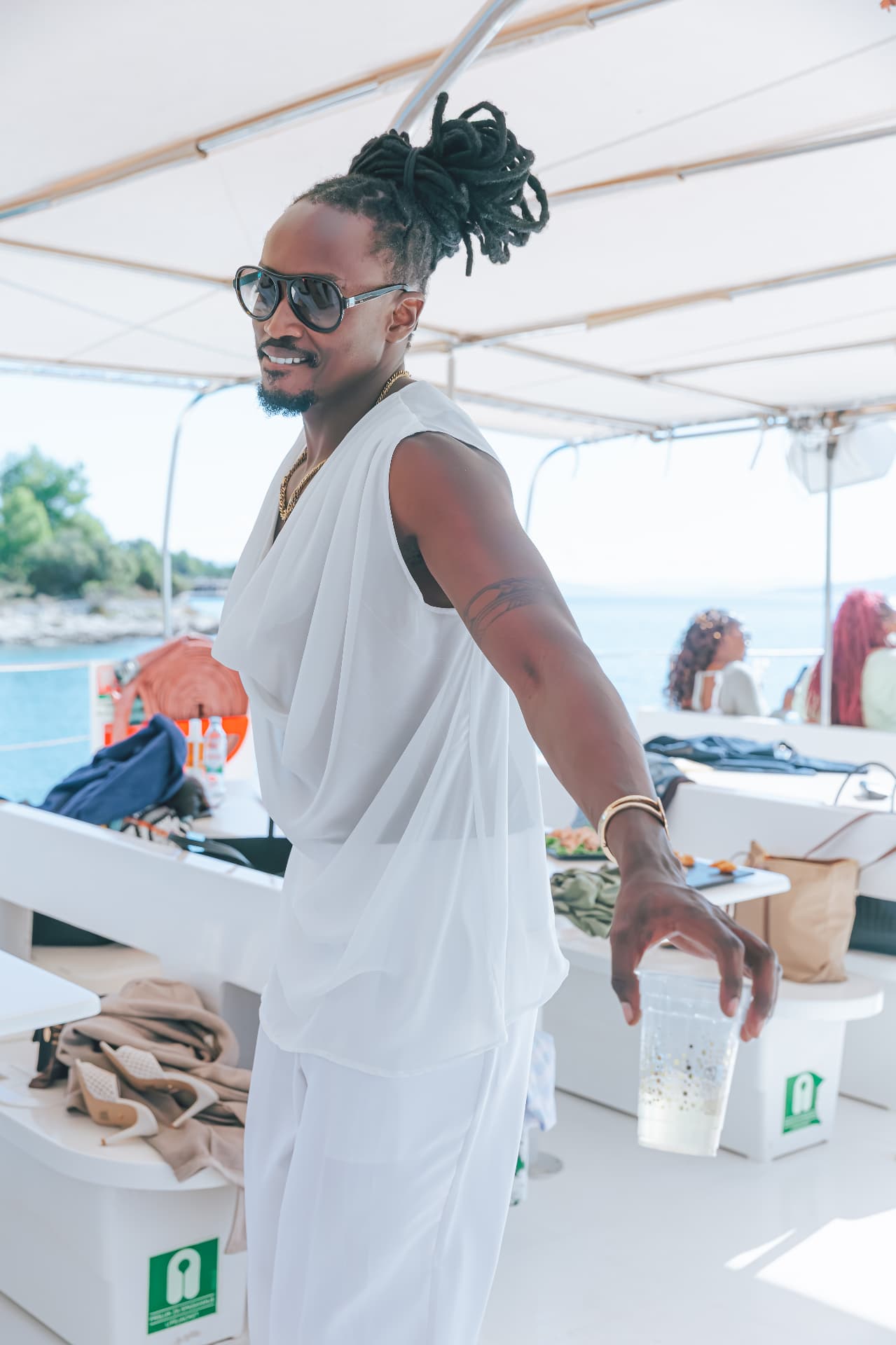
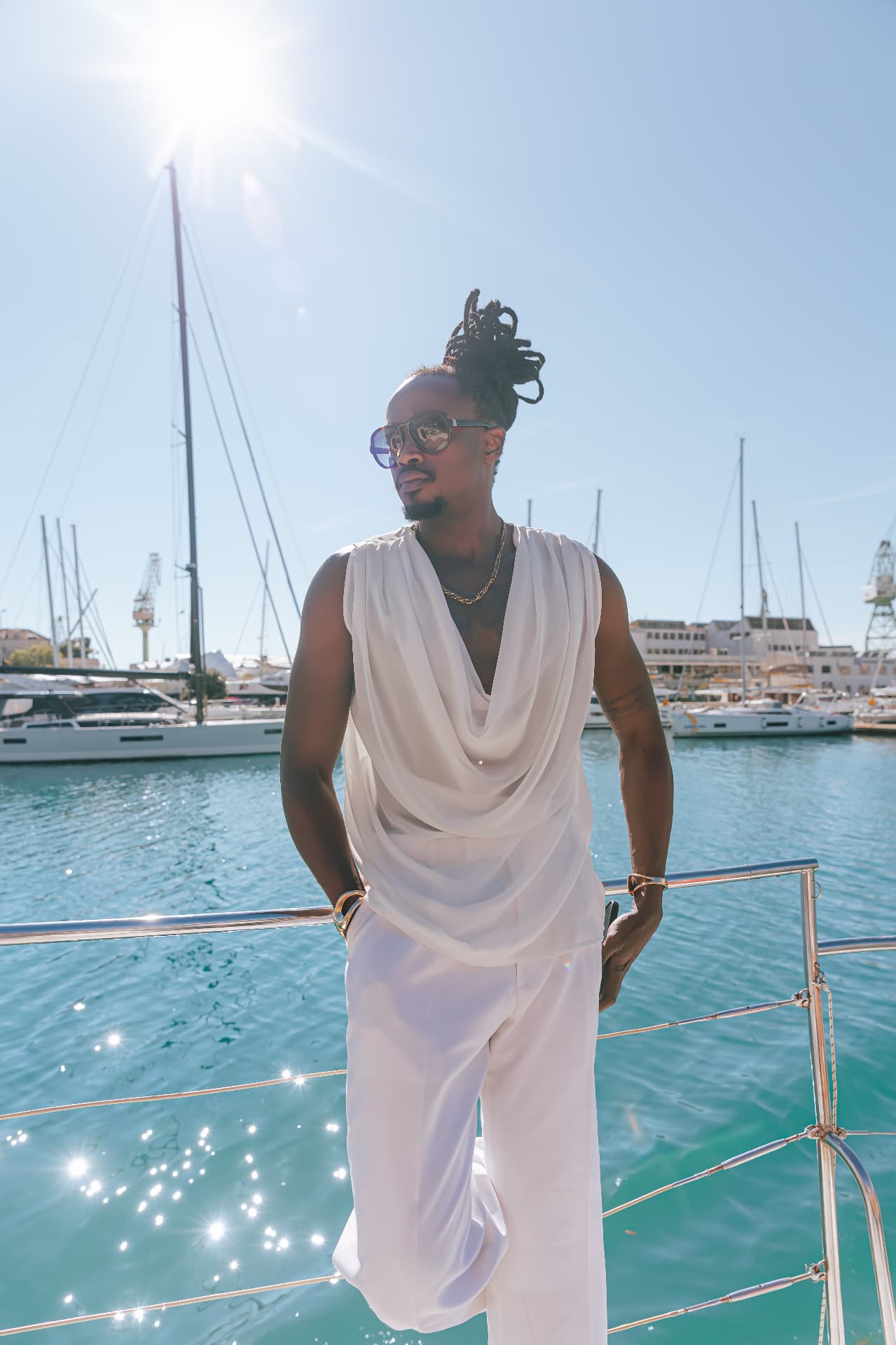
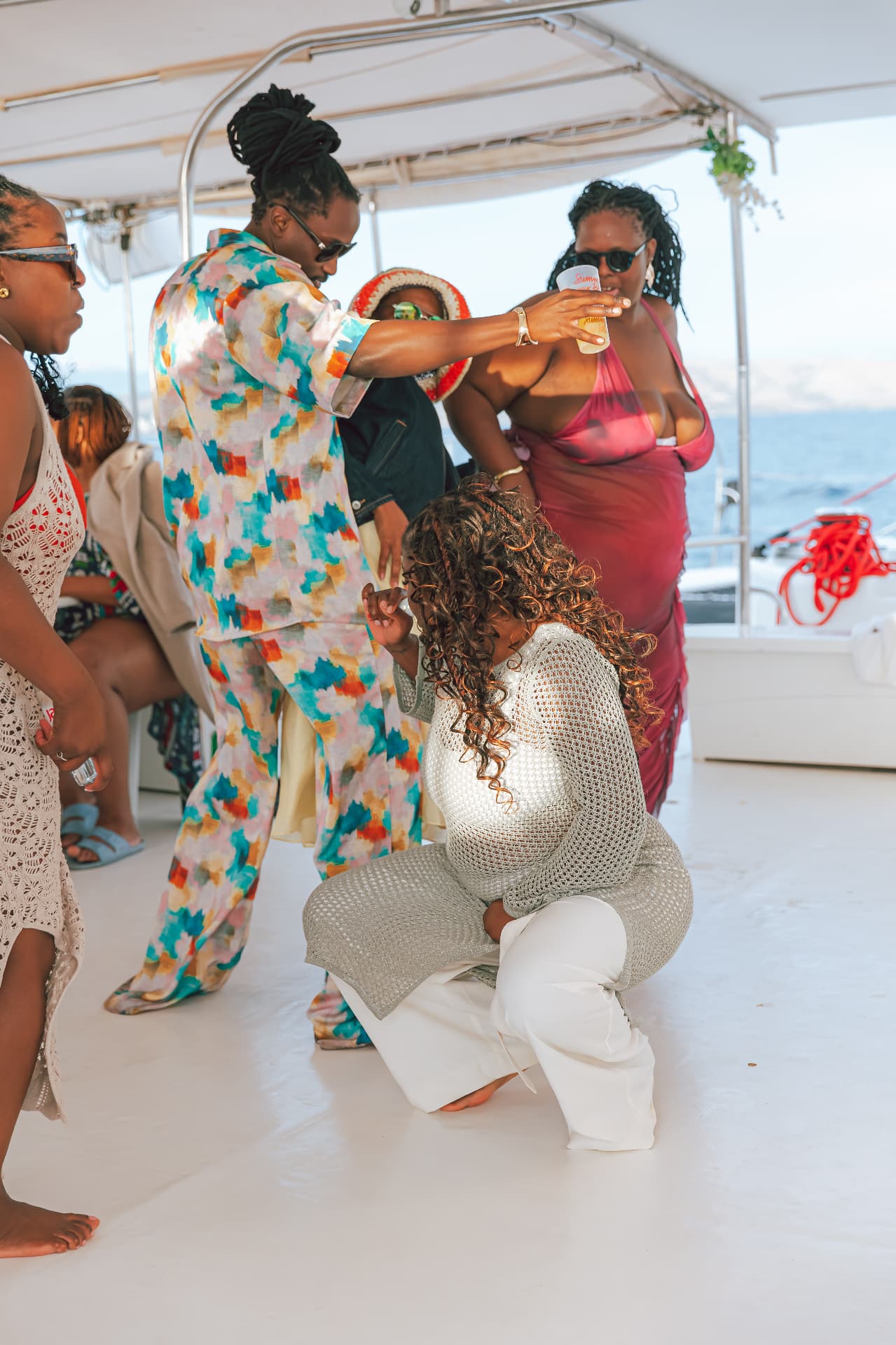
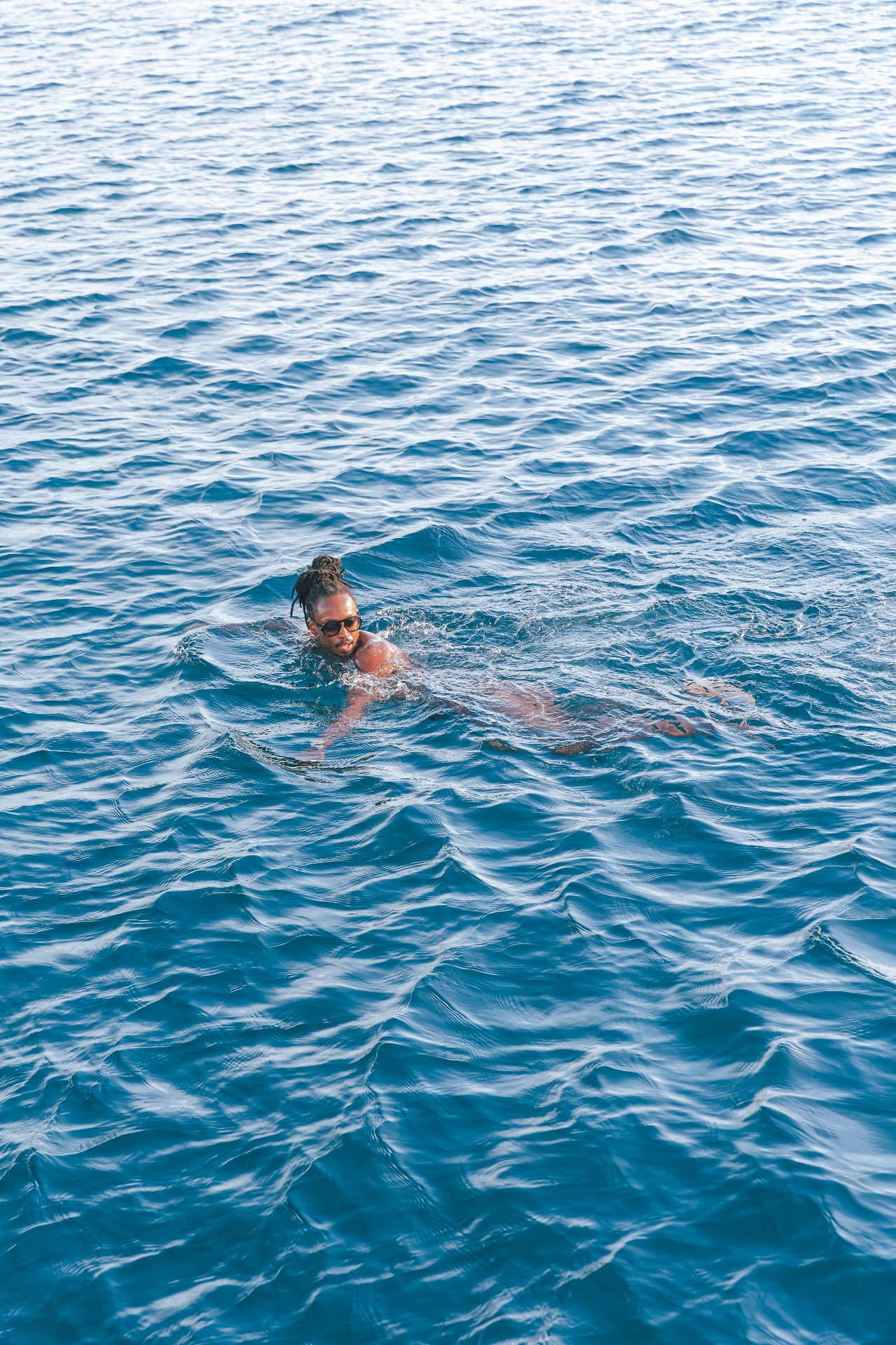
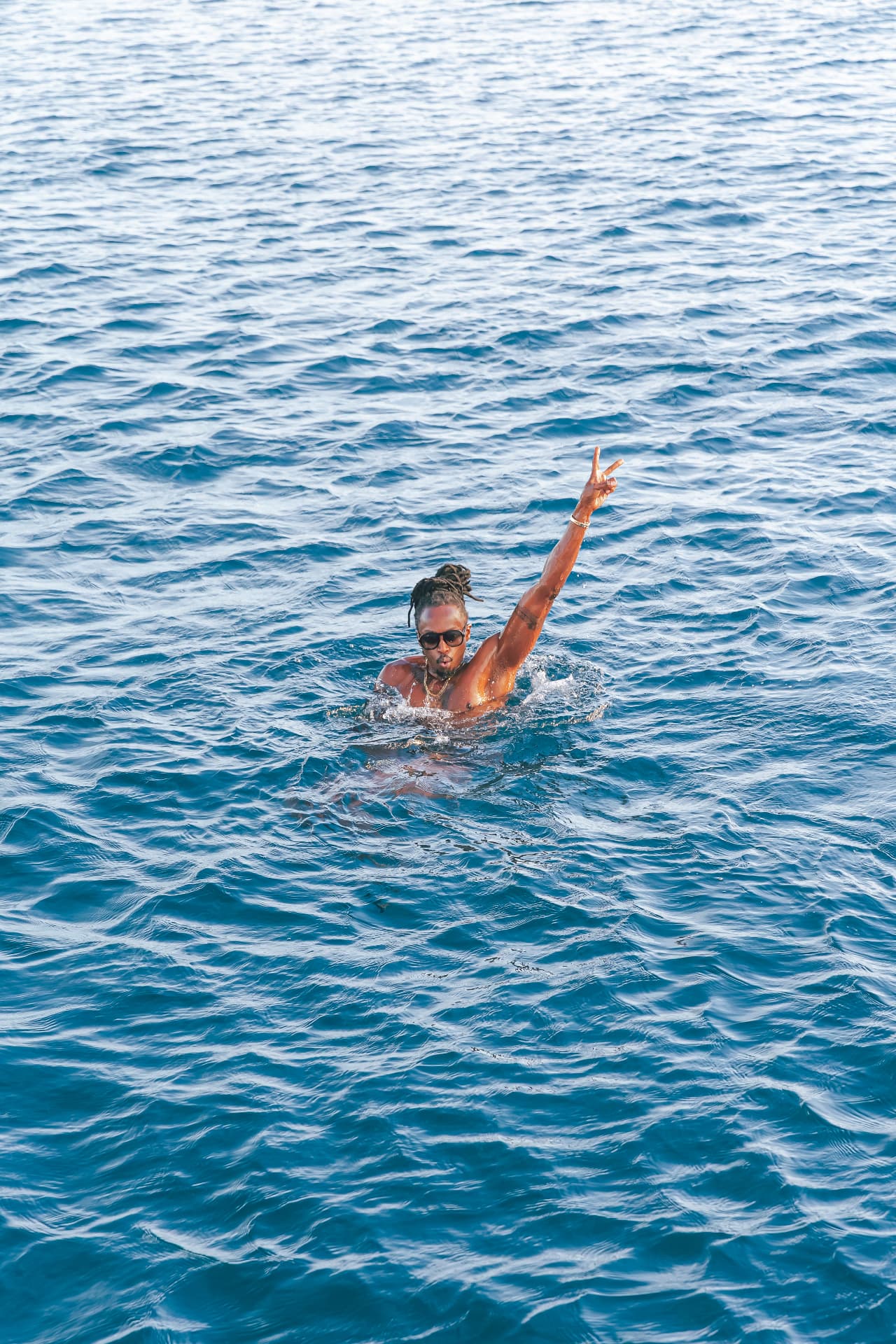
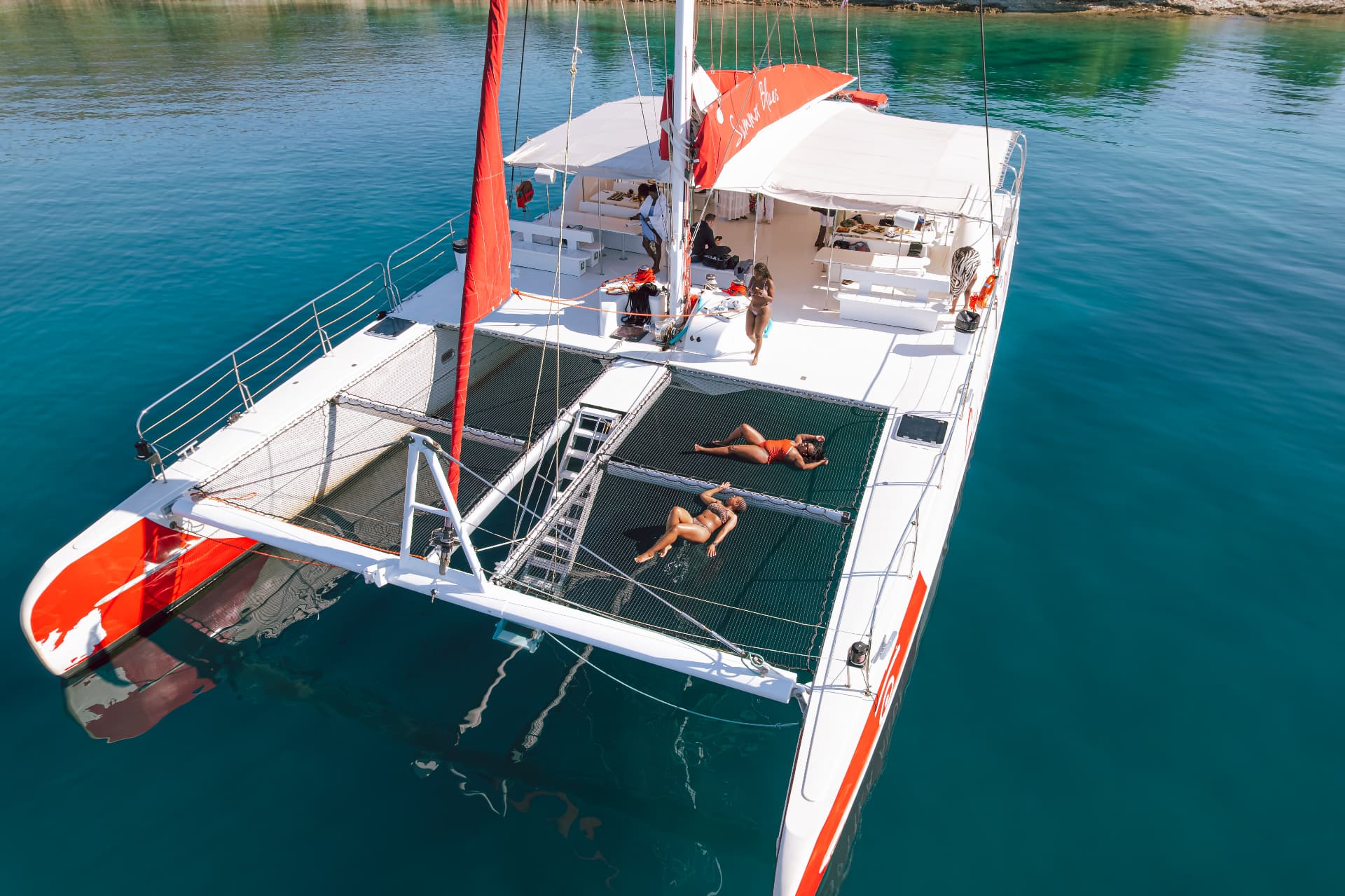
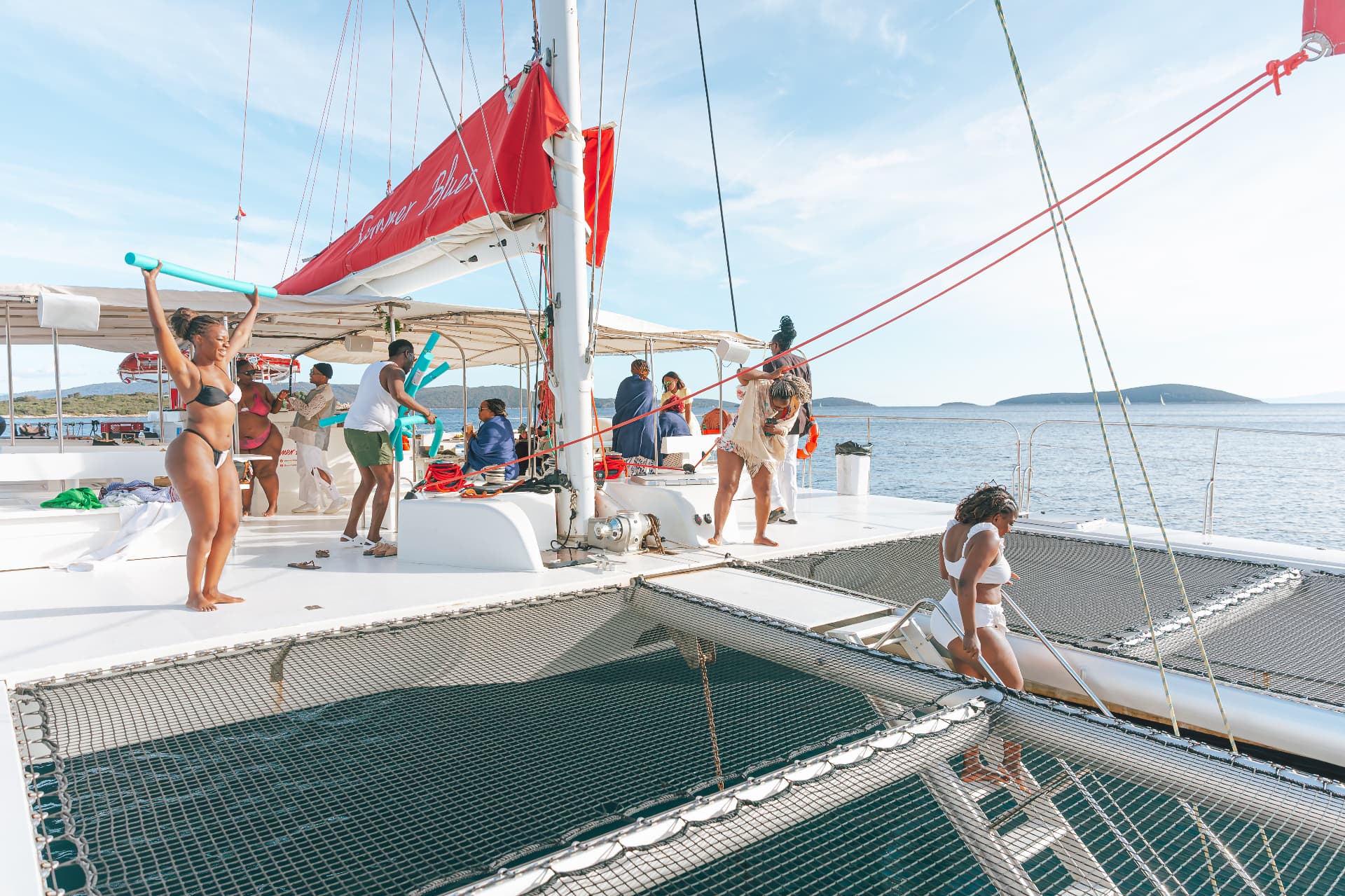
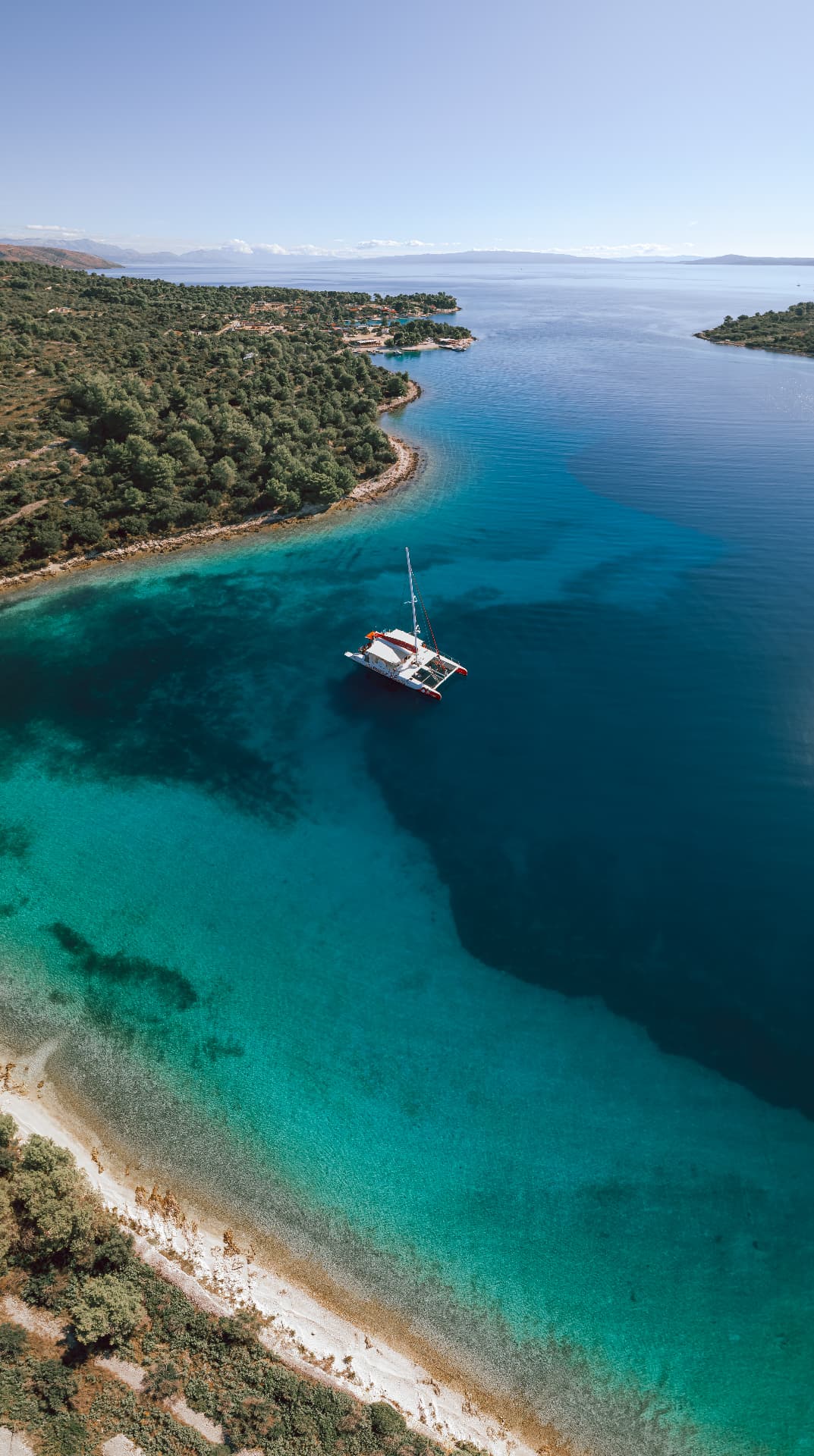
A day out on the Adriatic from Split aboard a red-and-white catamaran — champagne on the bow, music, swims in turquoise bays off the nearby islands, and a spread of crispy prawns, fresh fruit, cheese and canapés under the sunshade. The water was impossibly clear and the whole day felt like one long, sunlit celebration.
Montenegro
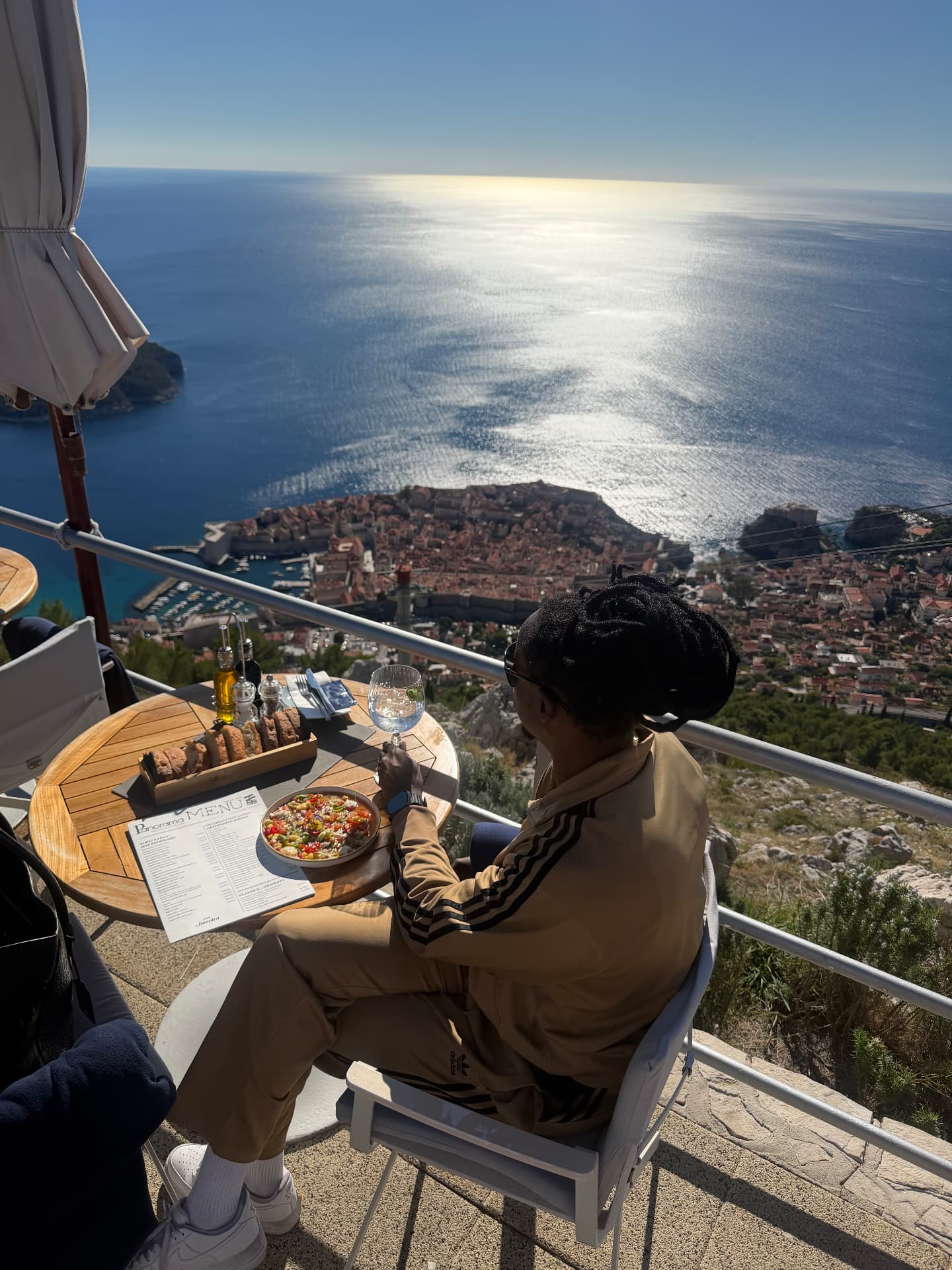
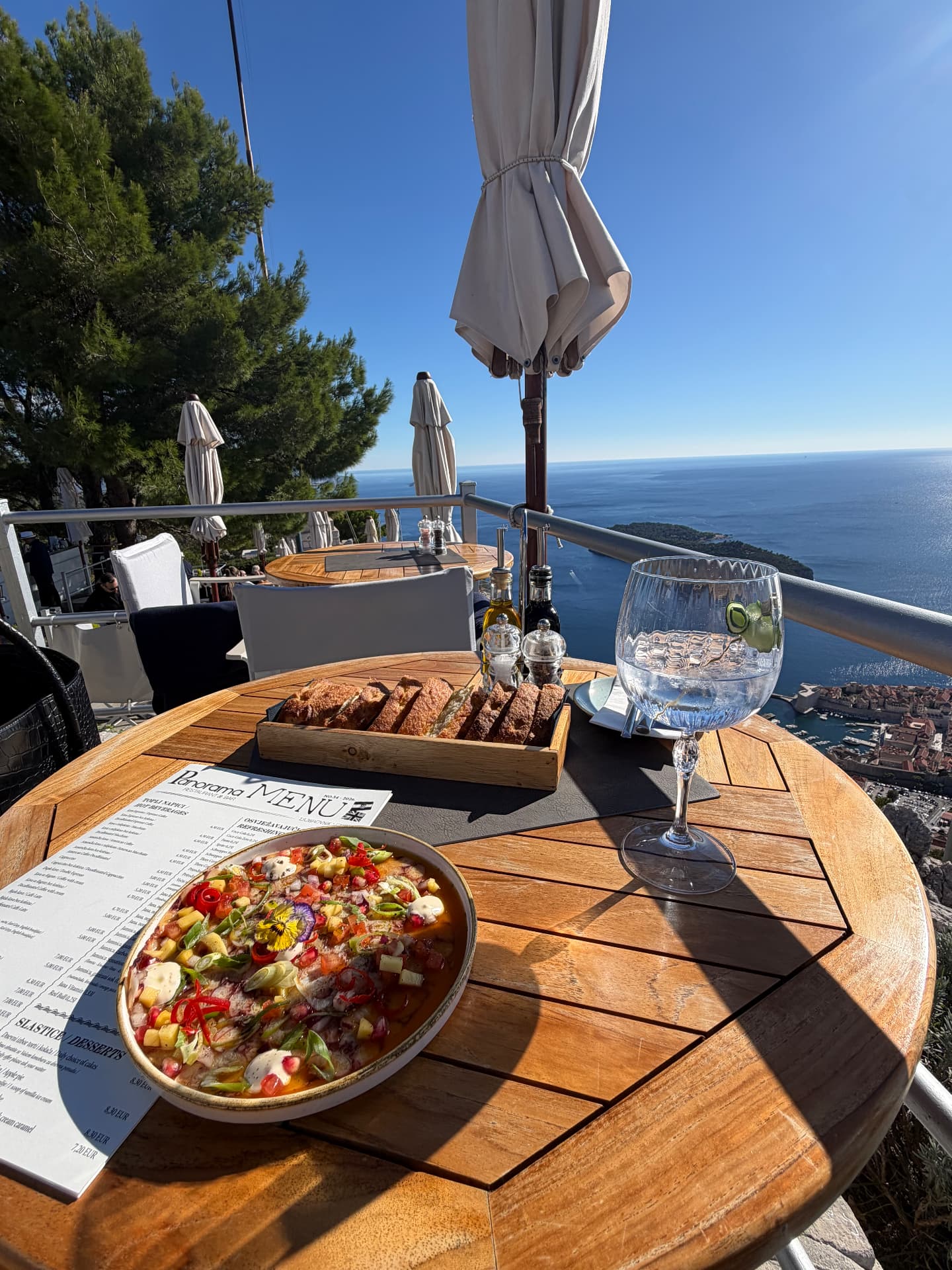
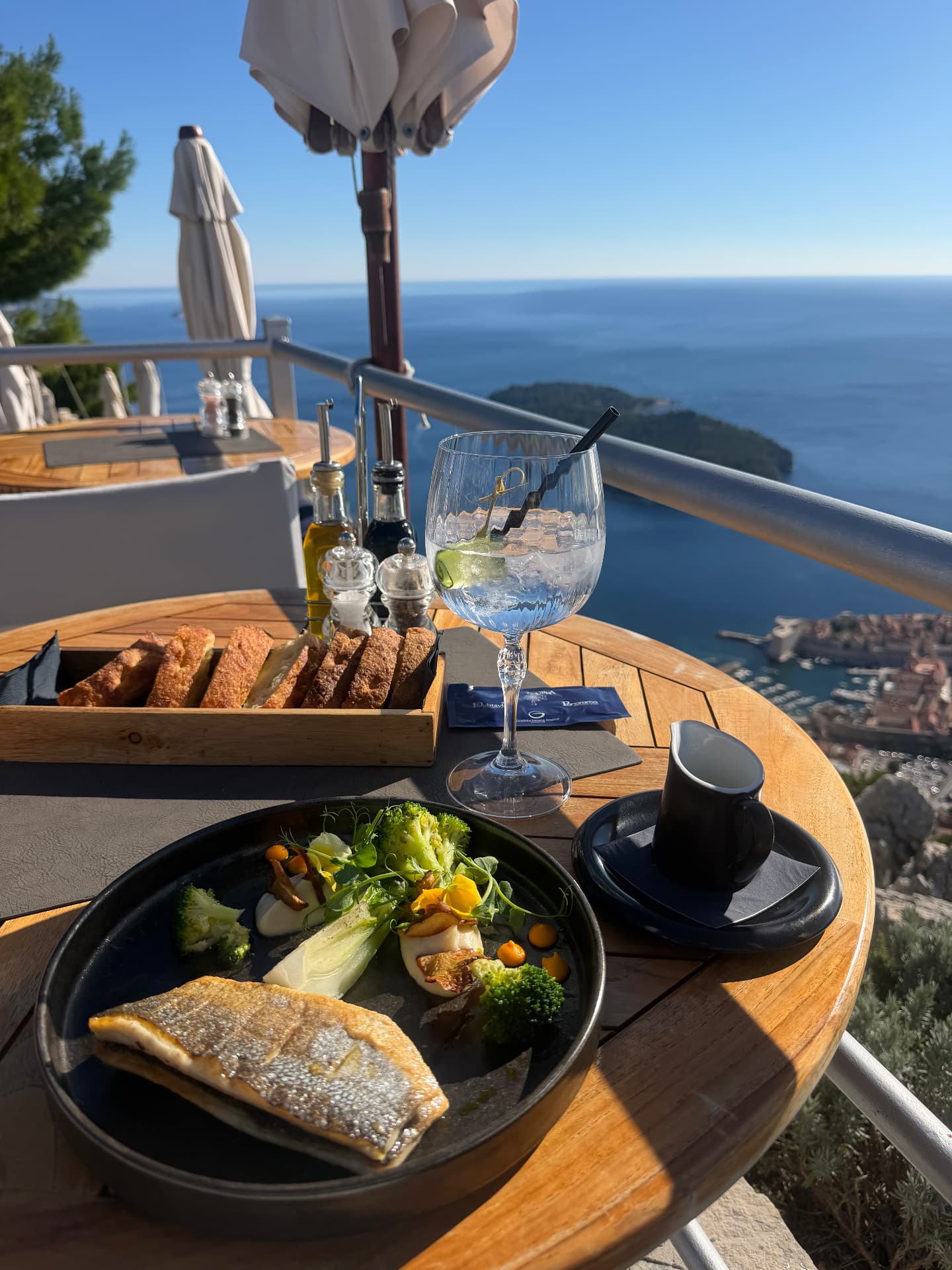
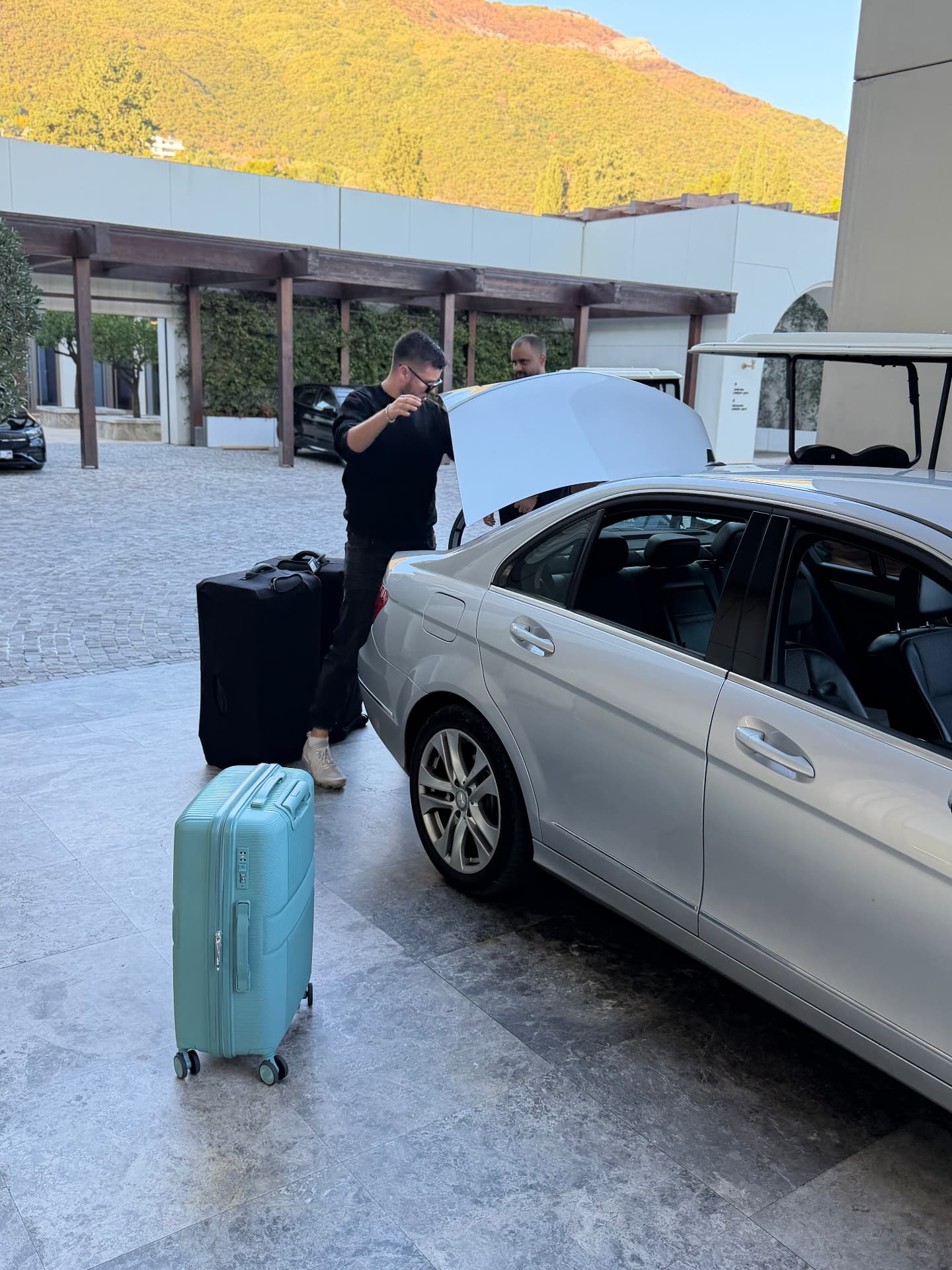
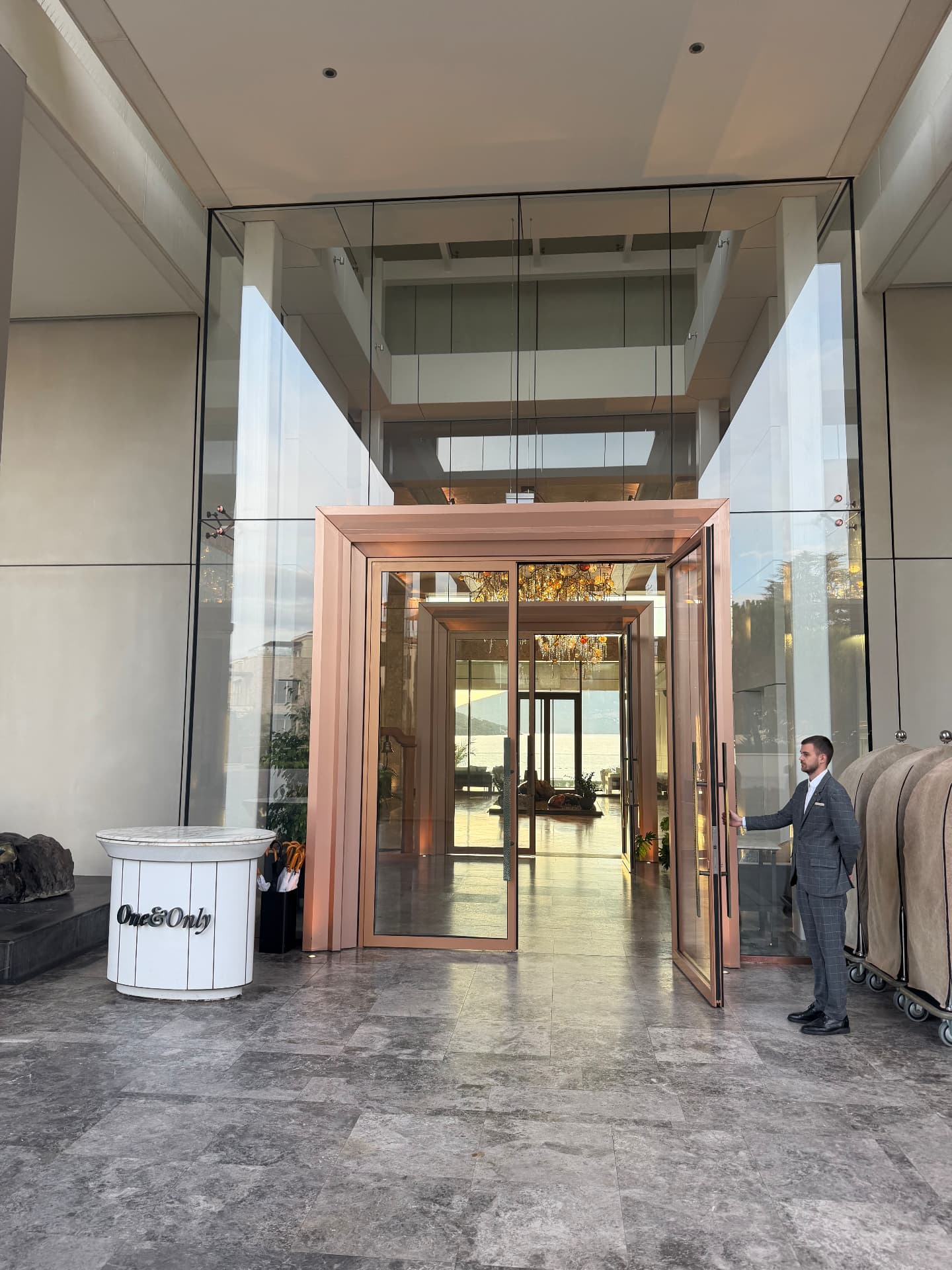
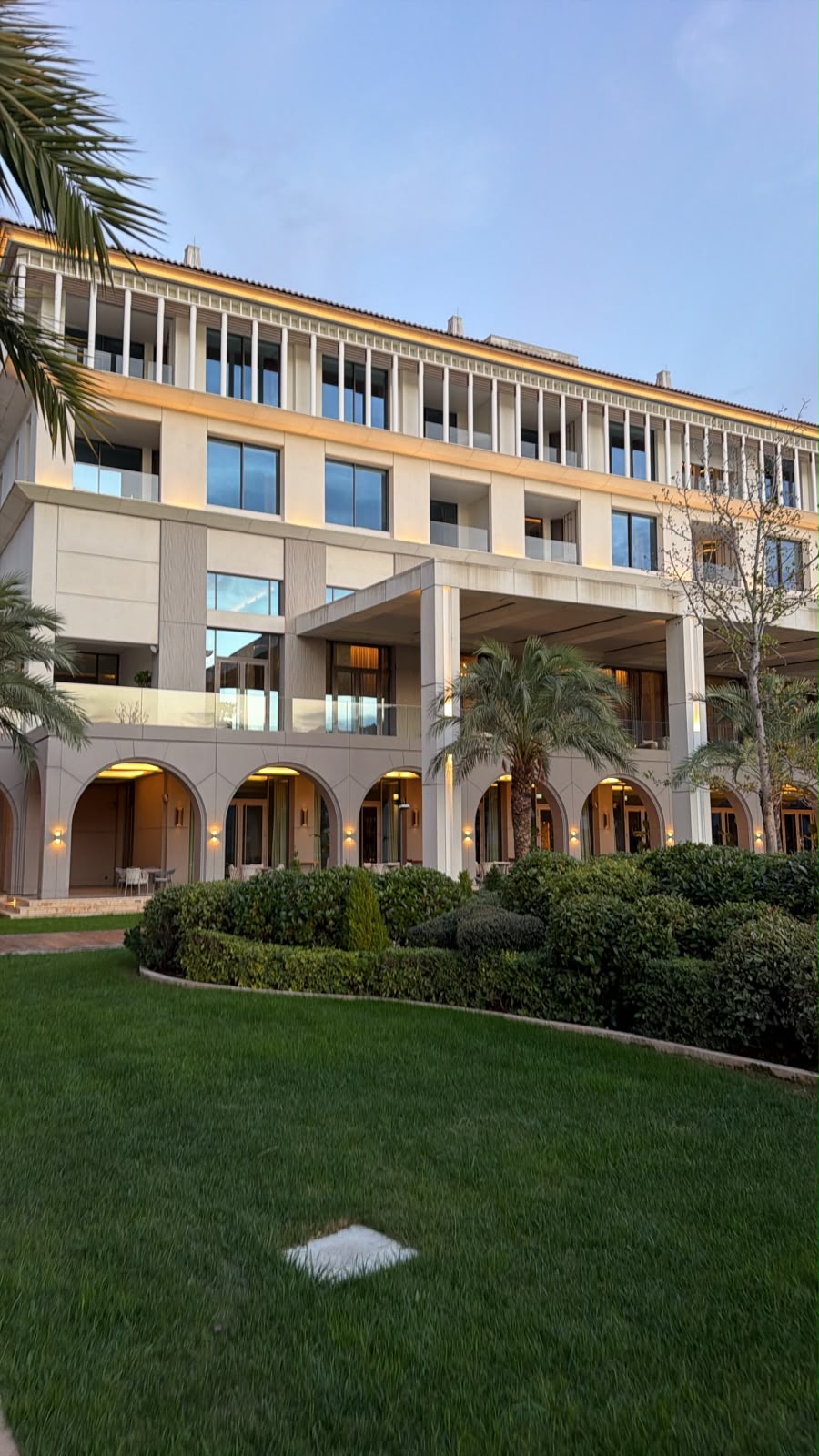
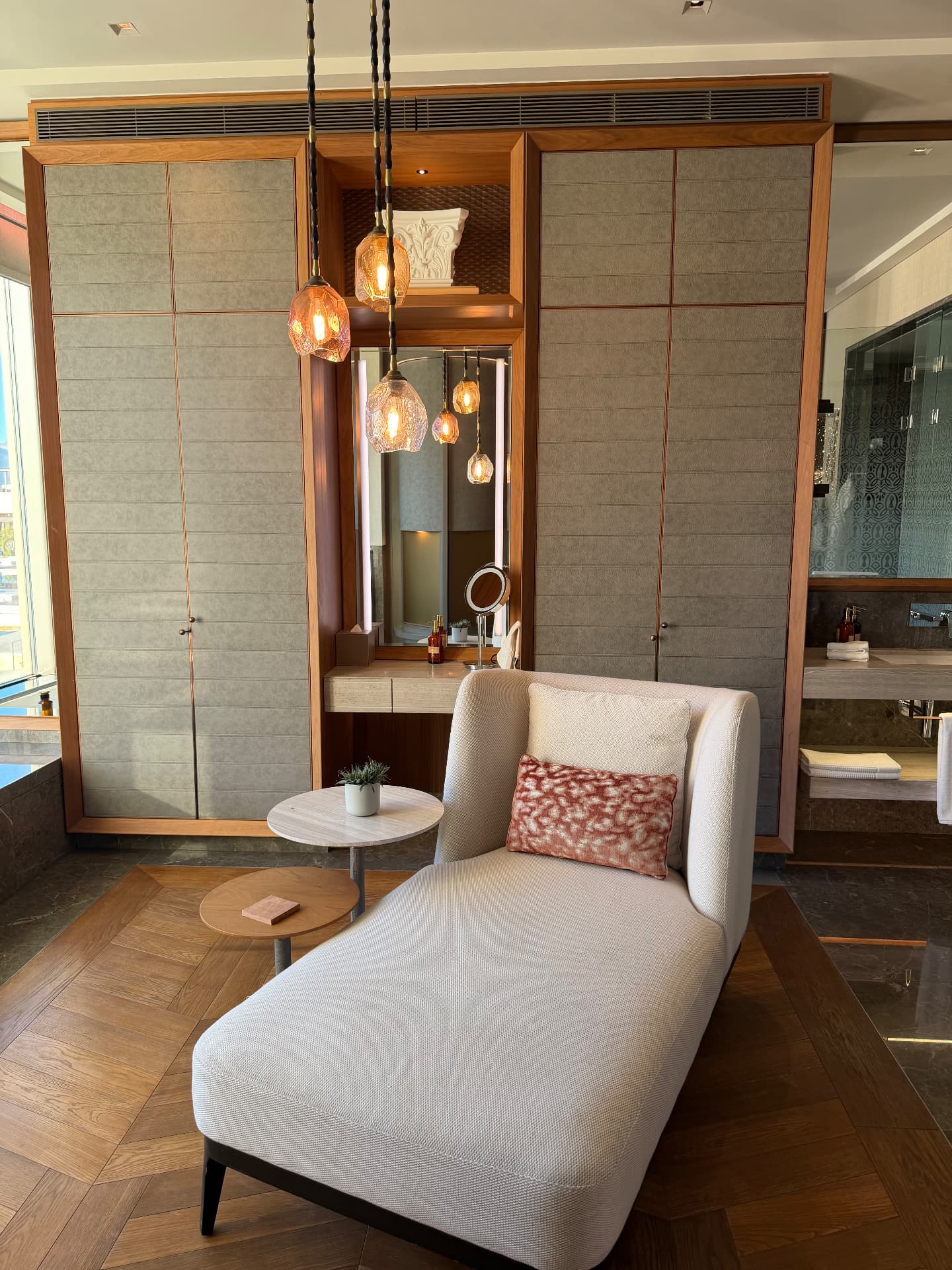
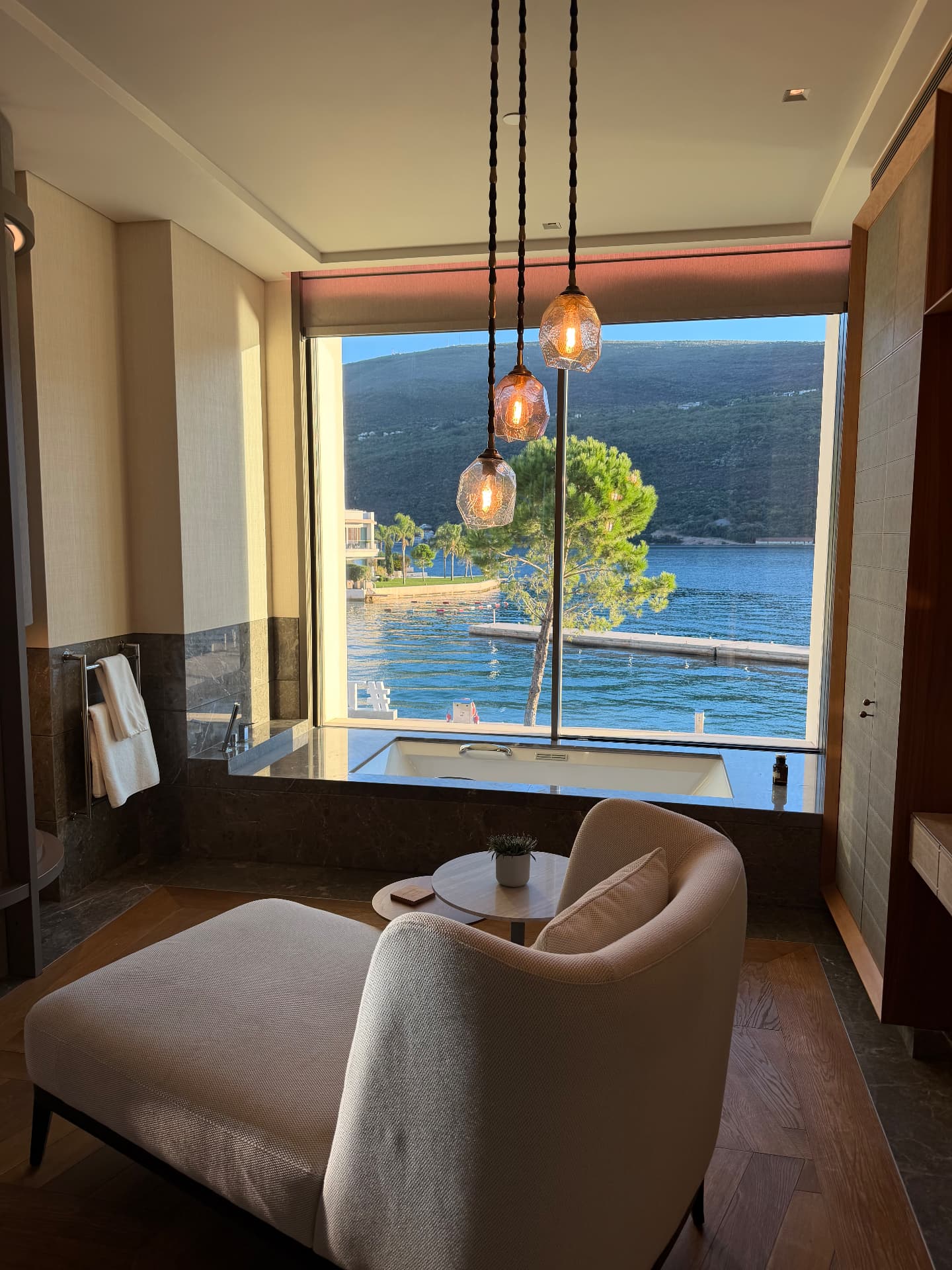
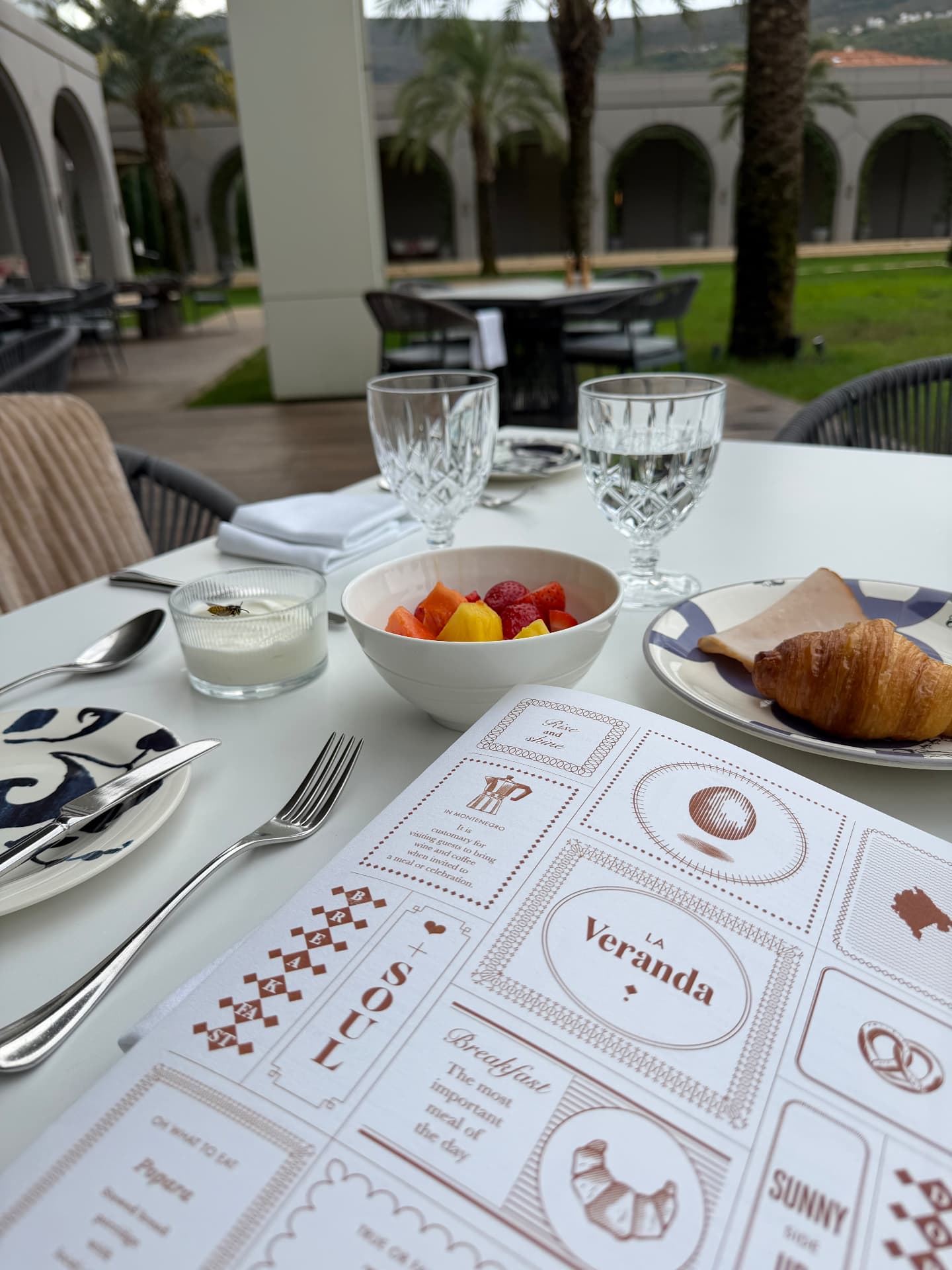
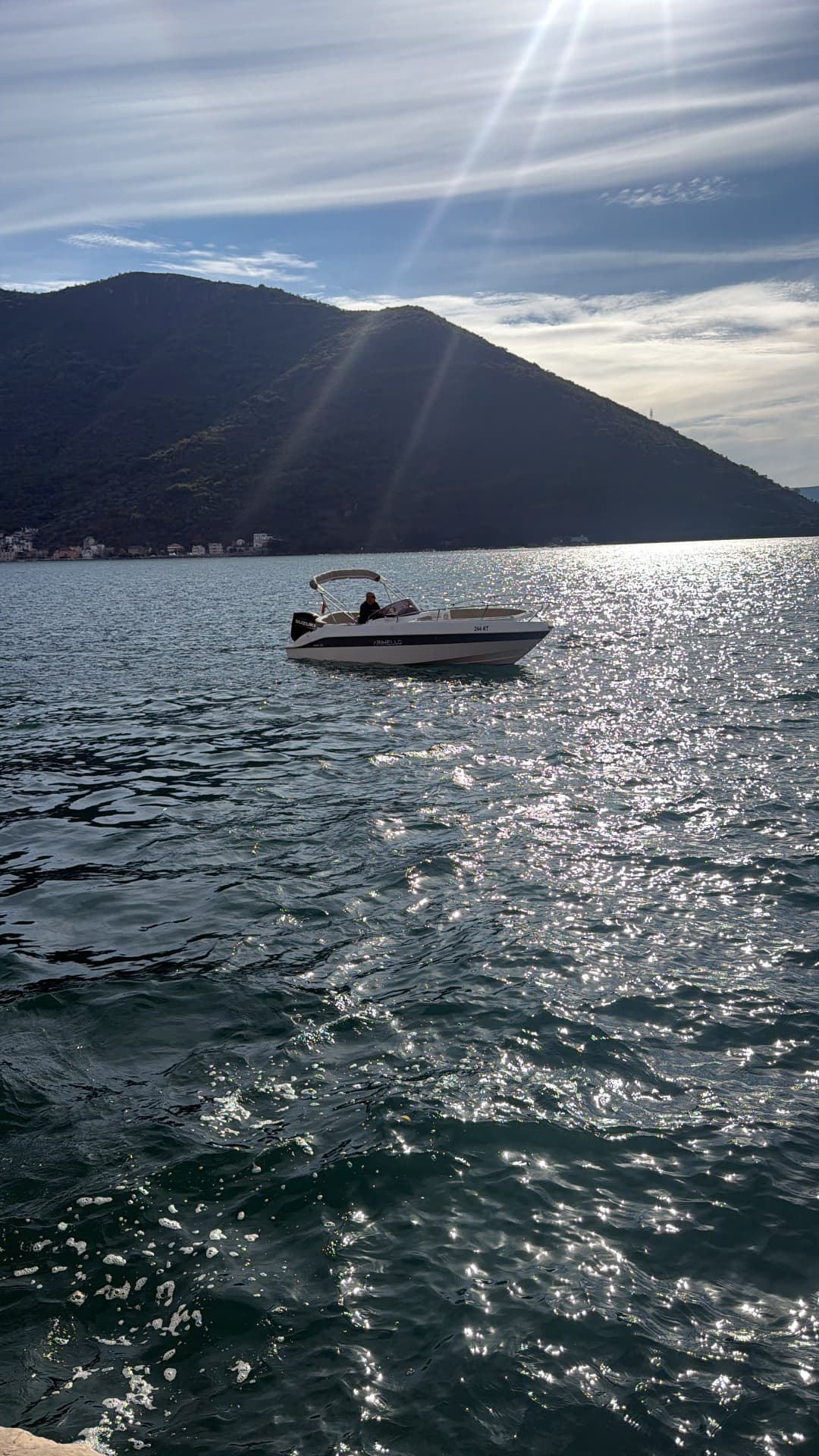
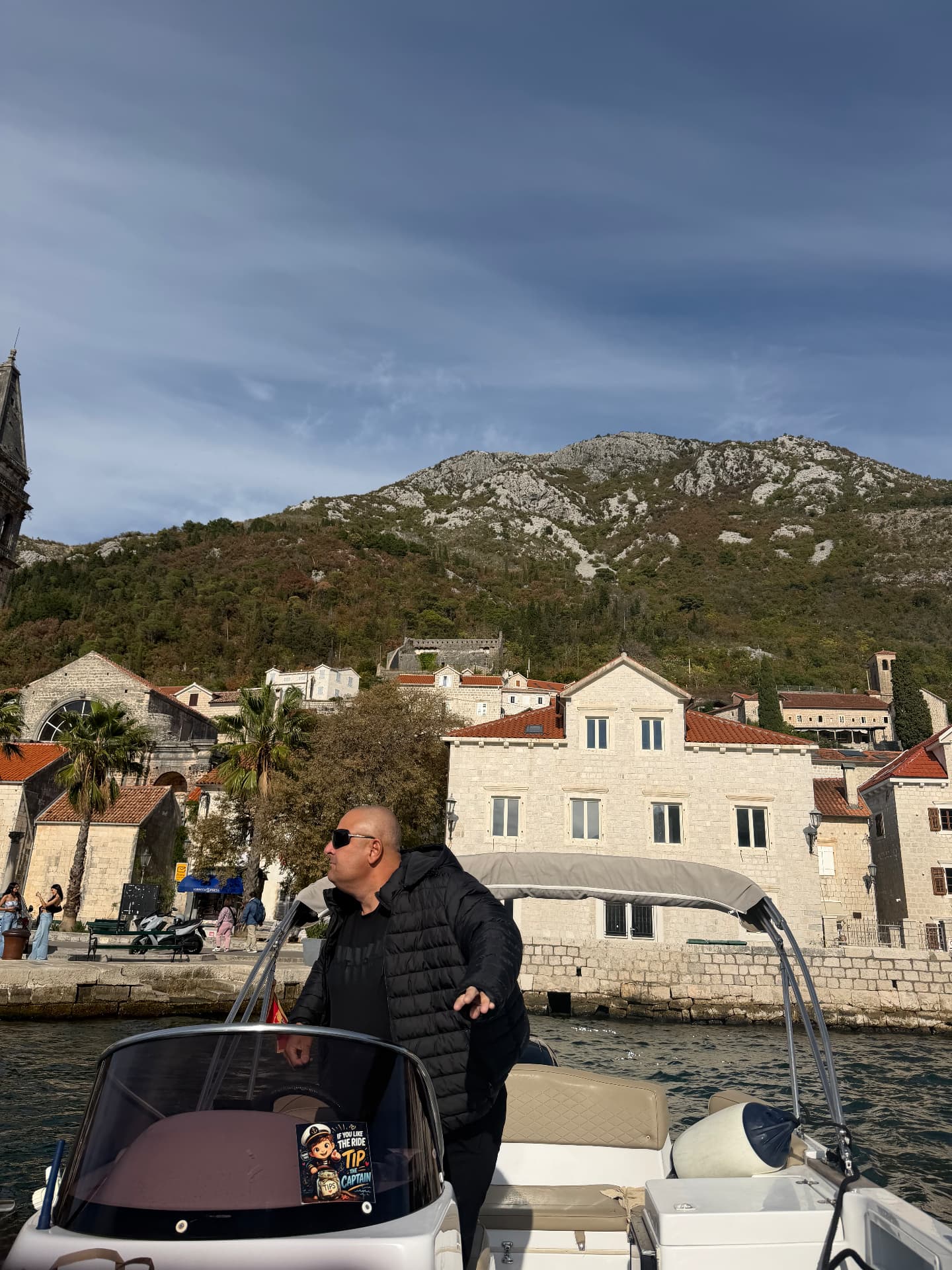
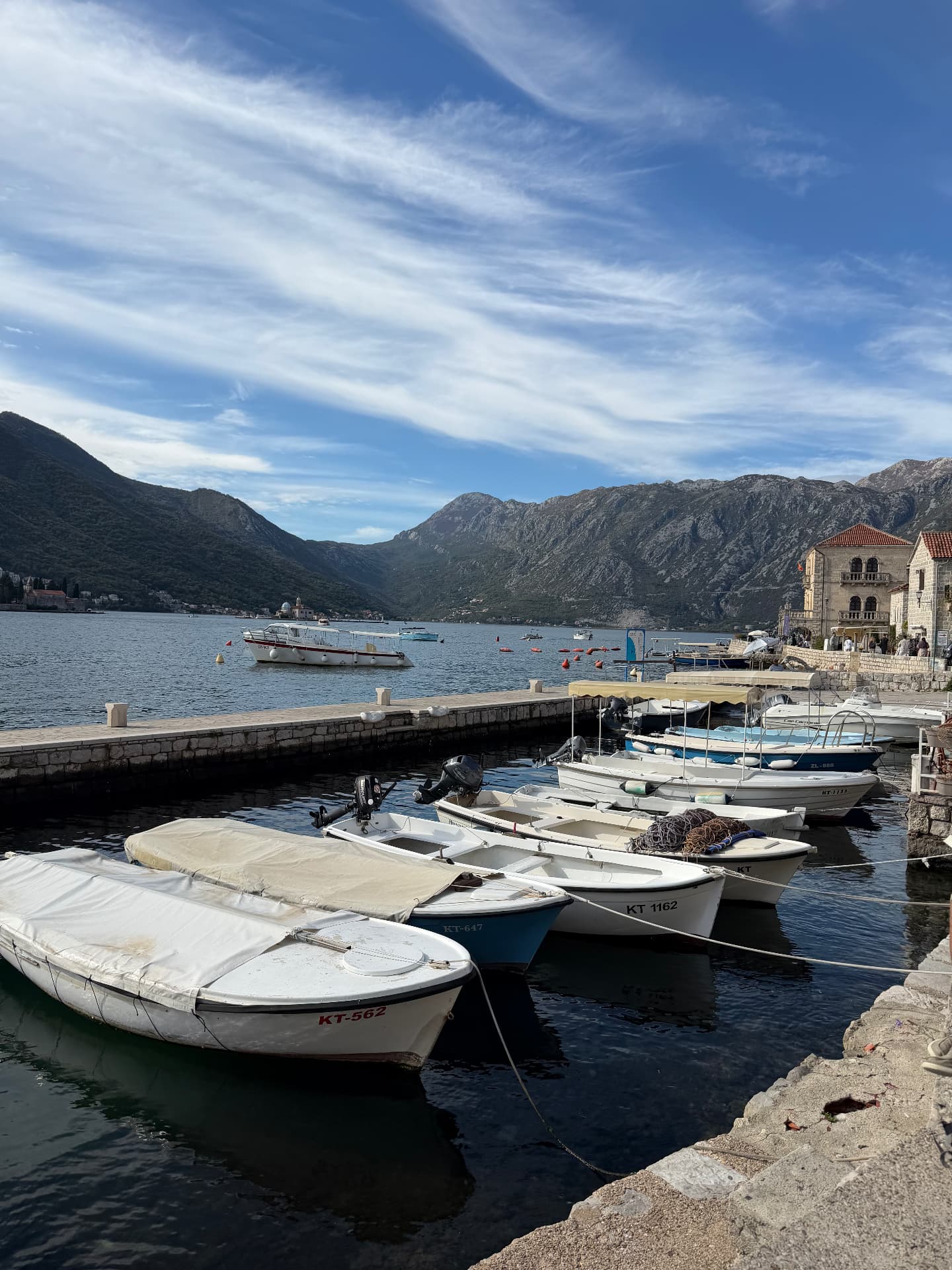
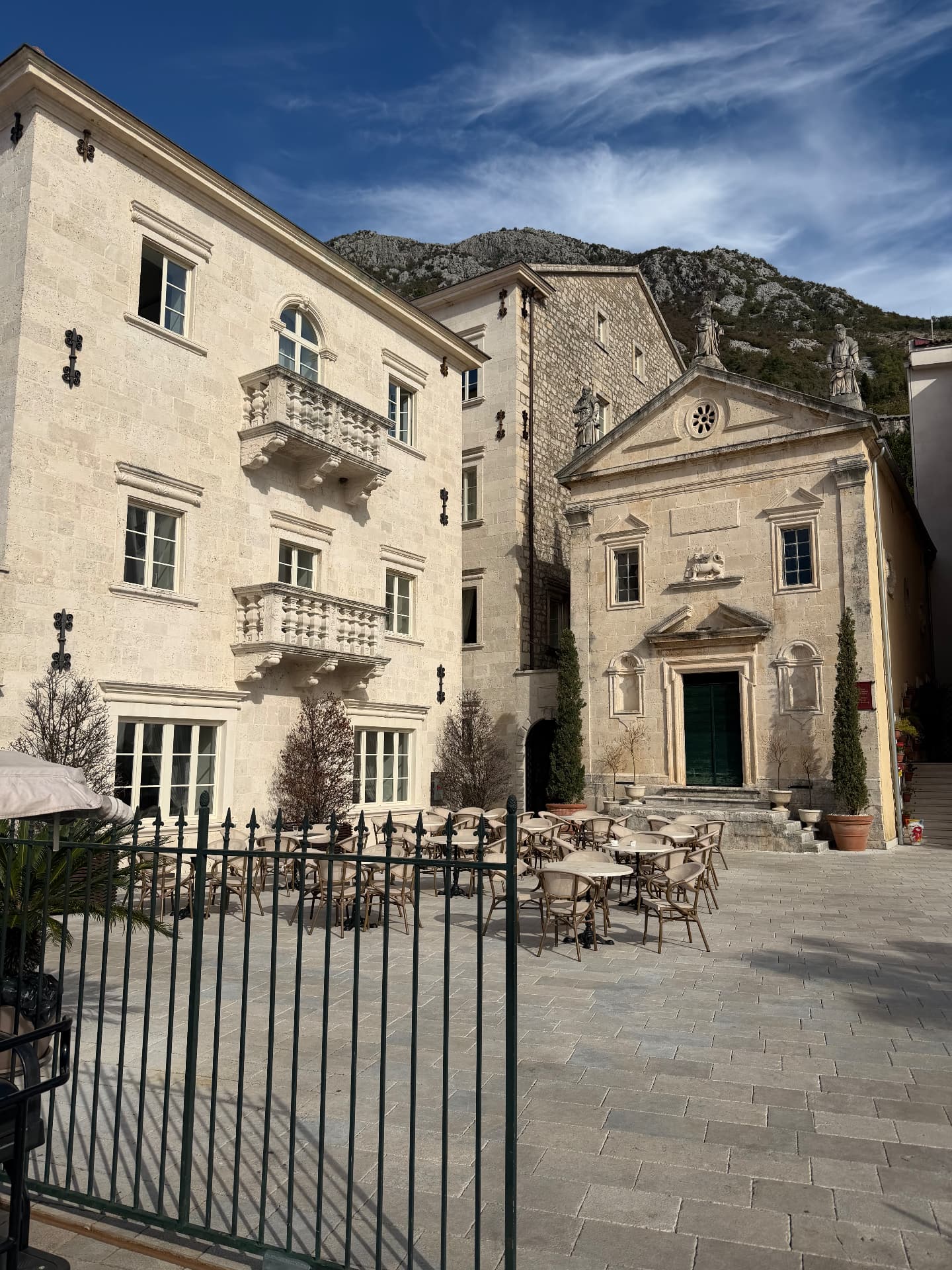
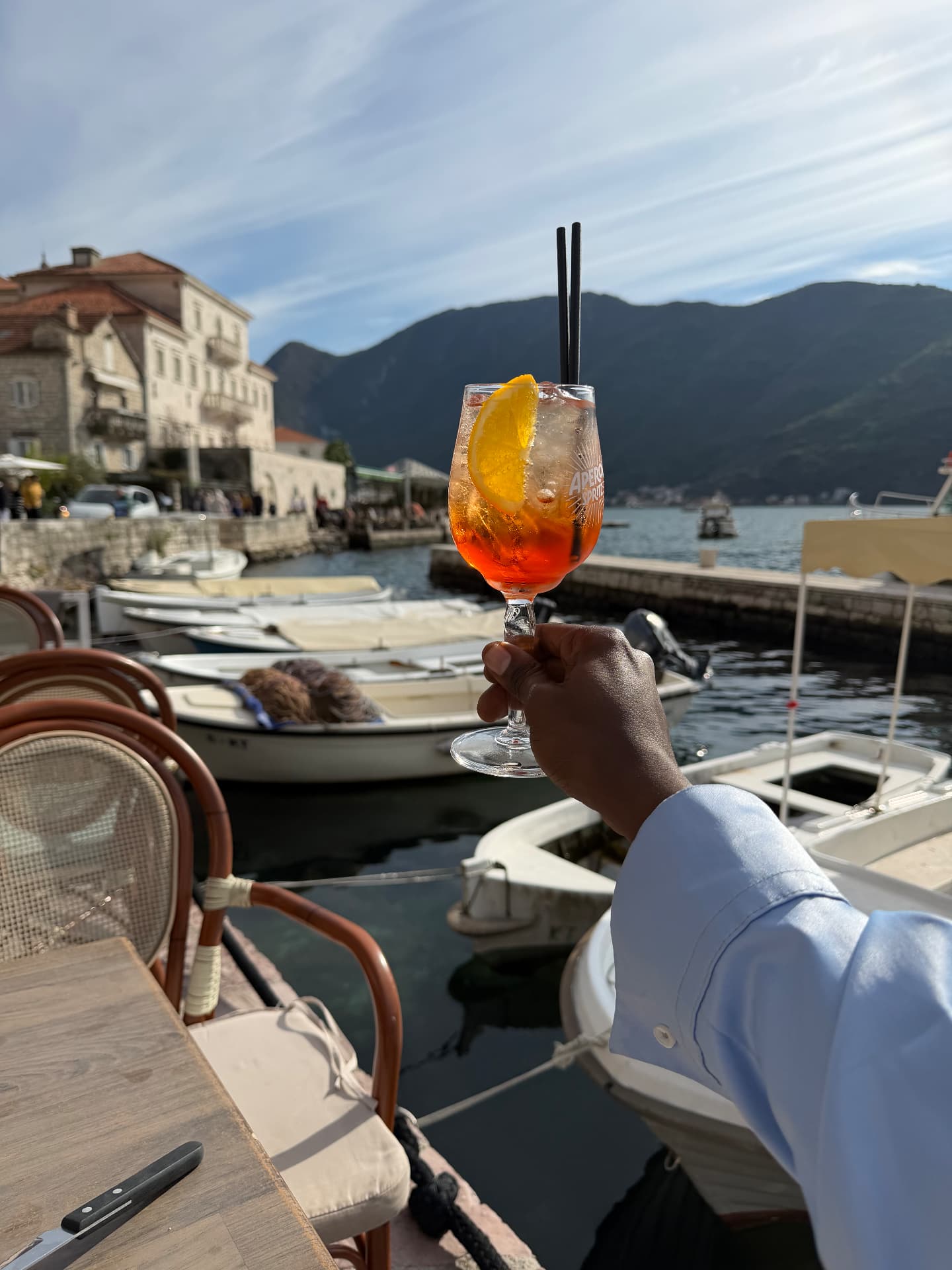
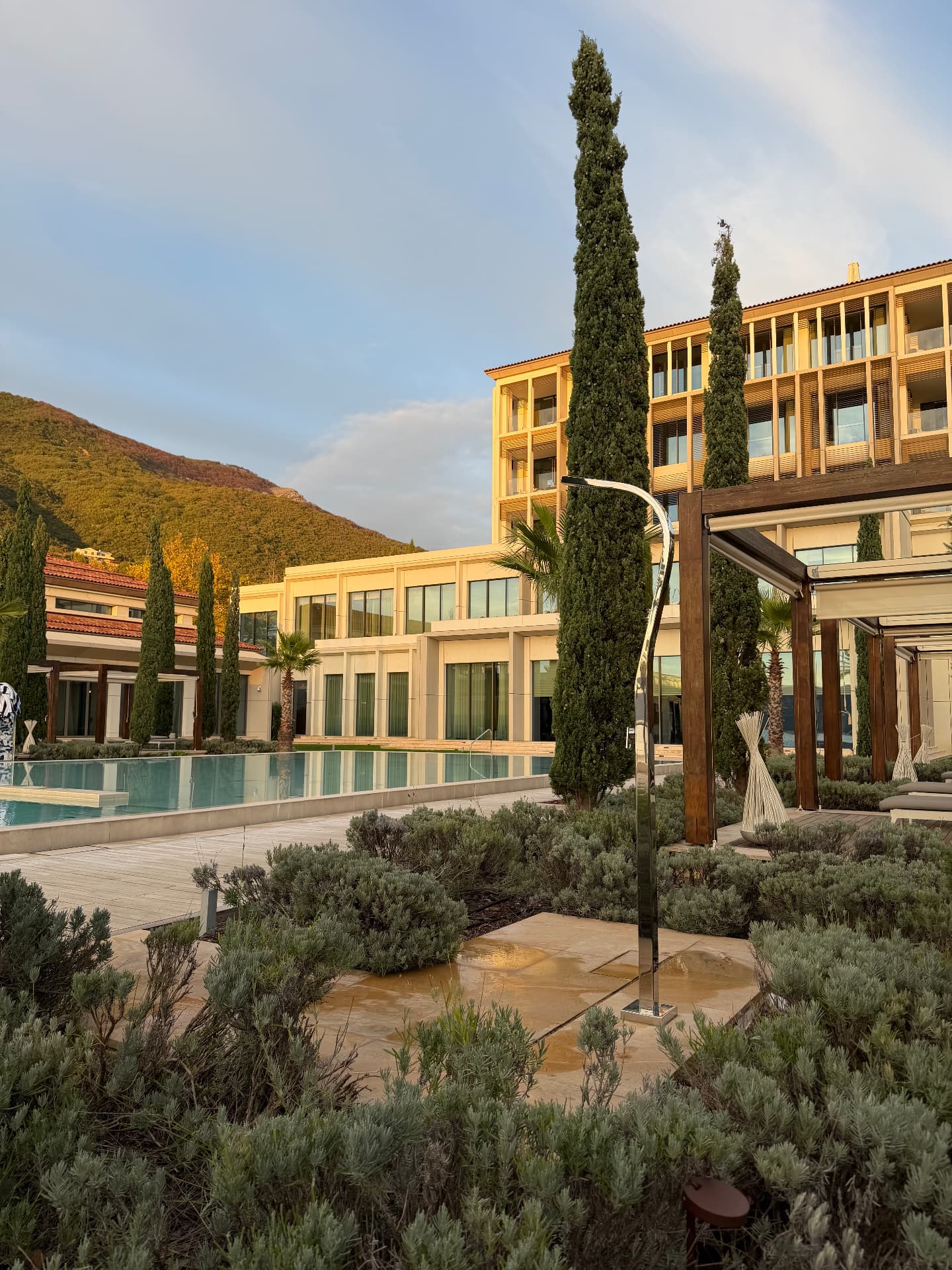
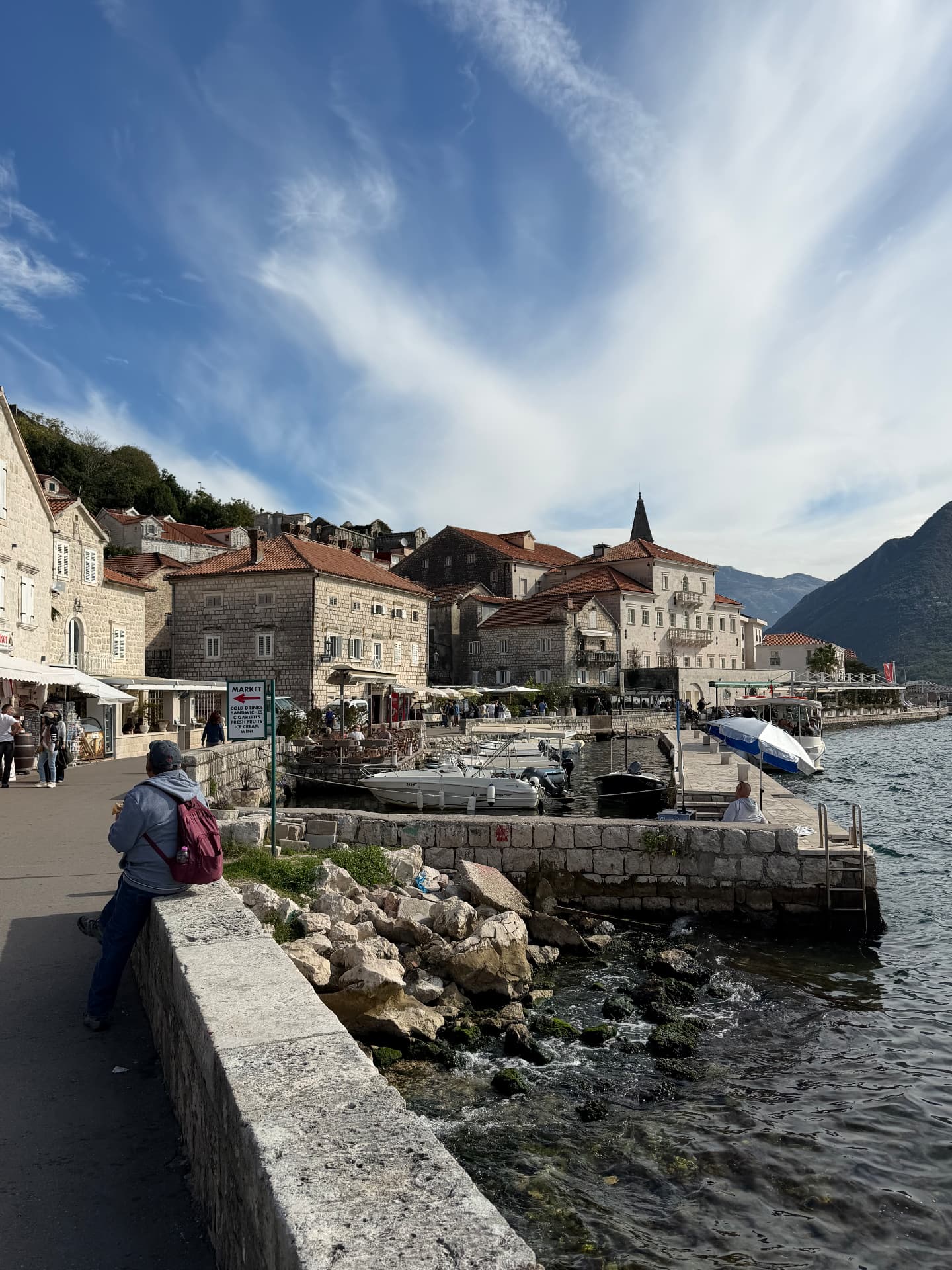
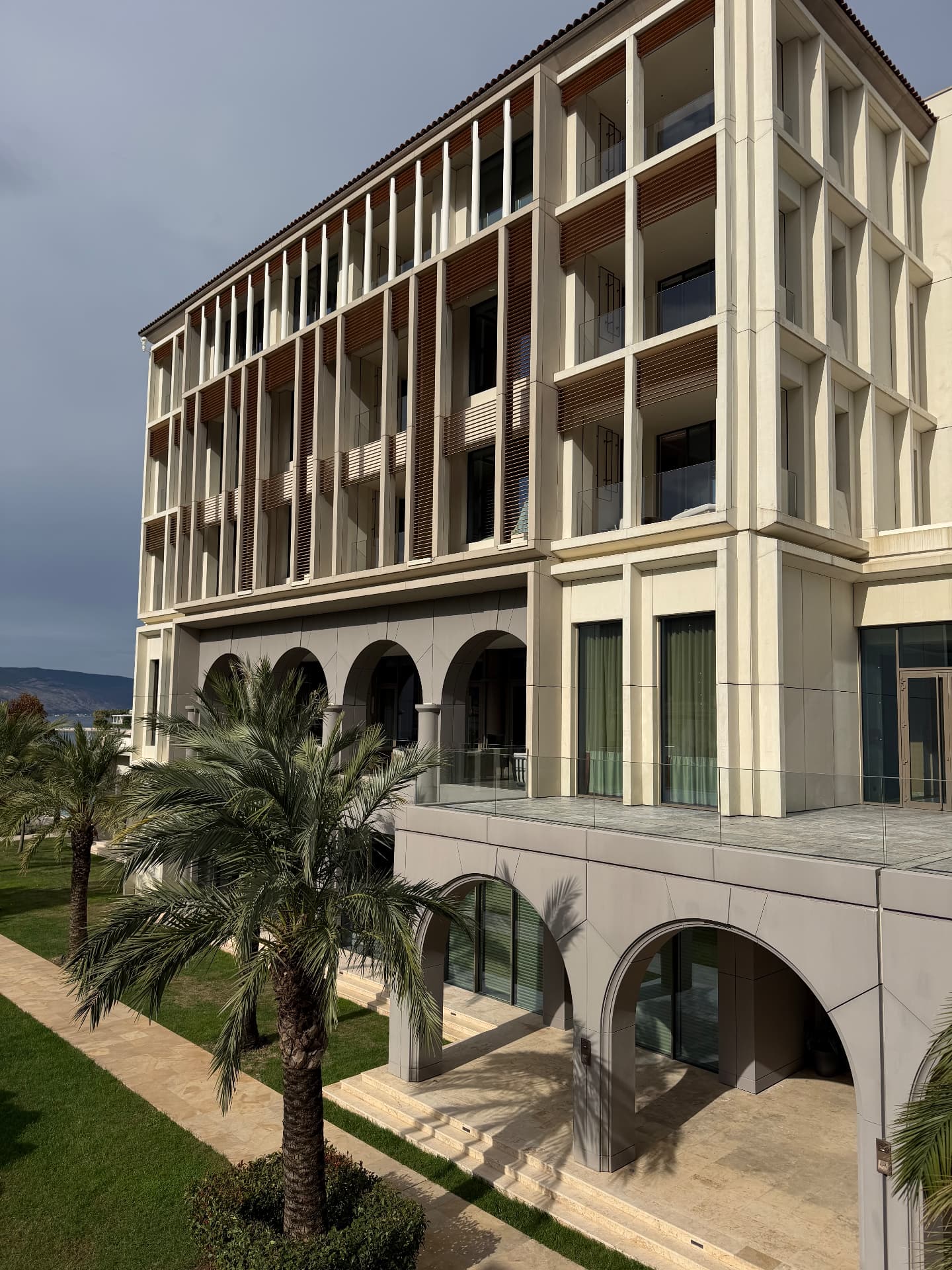
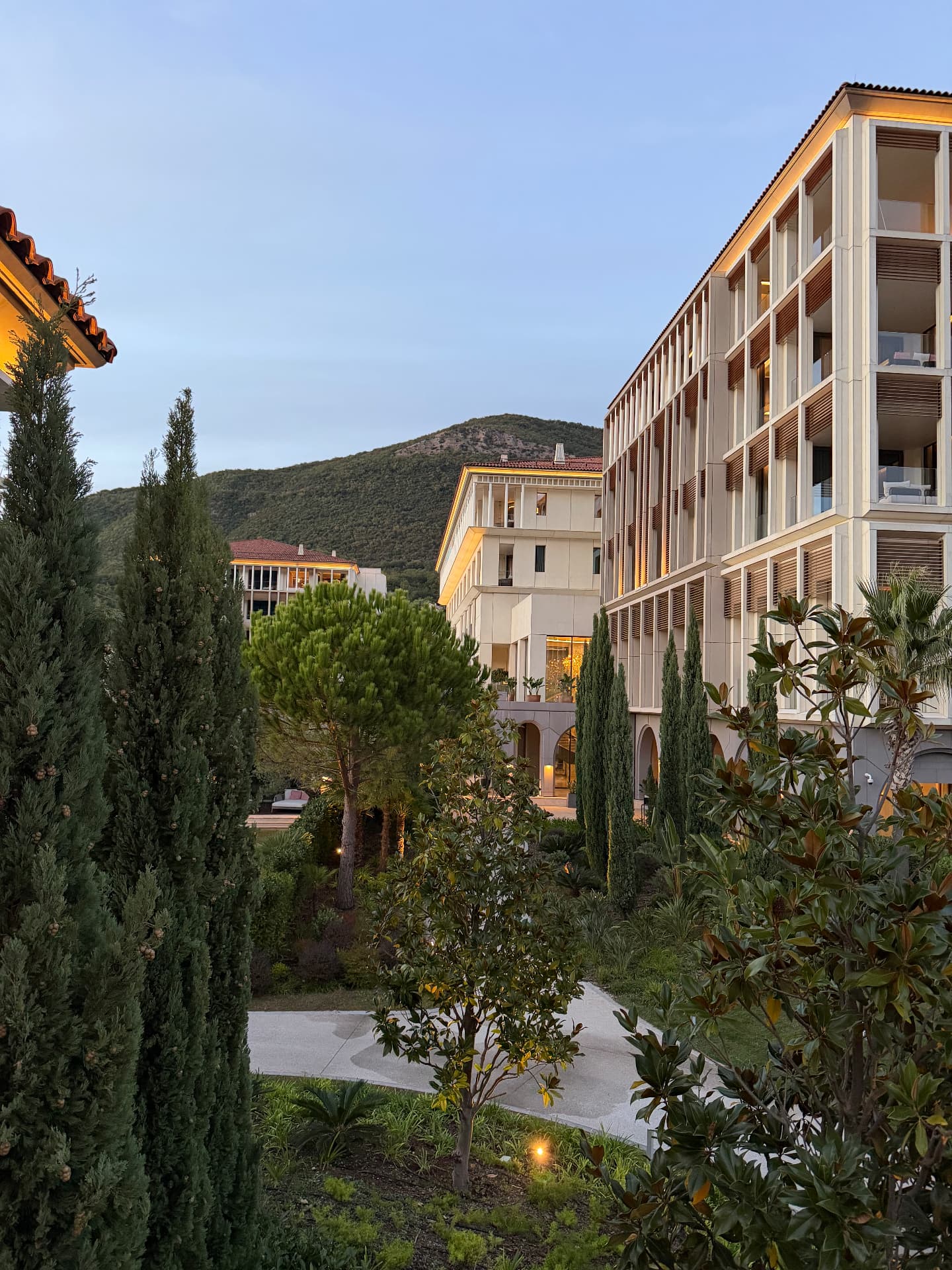
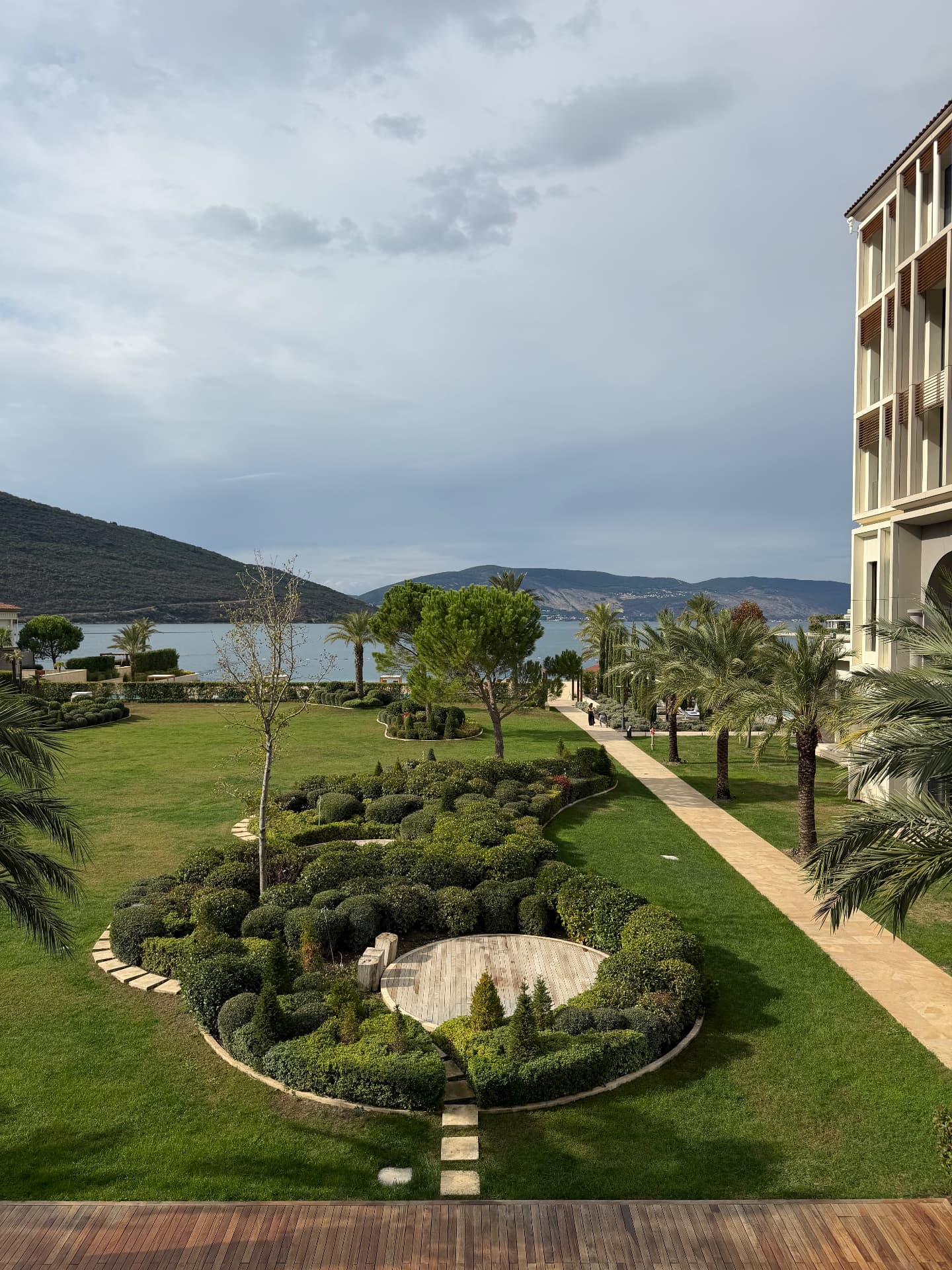
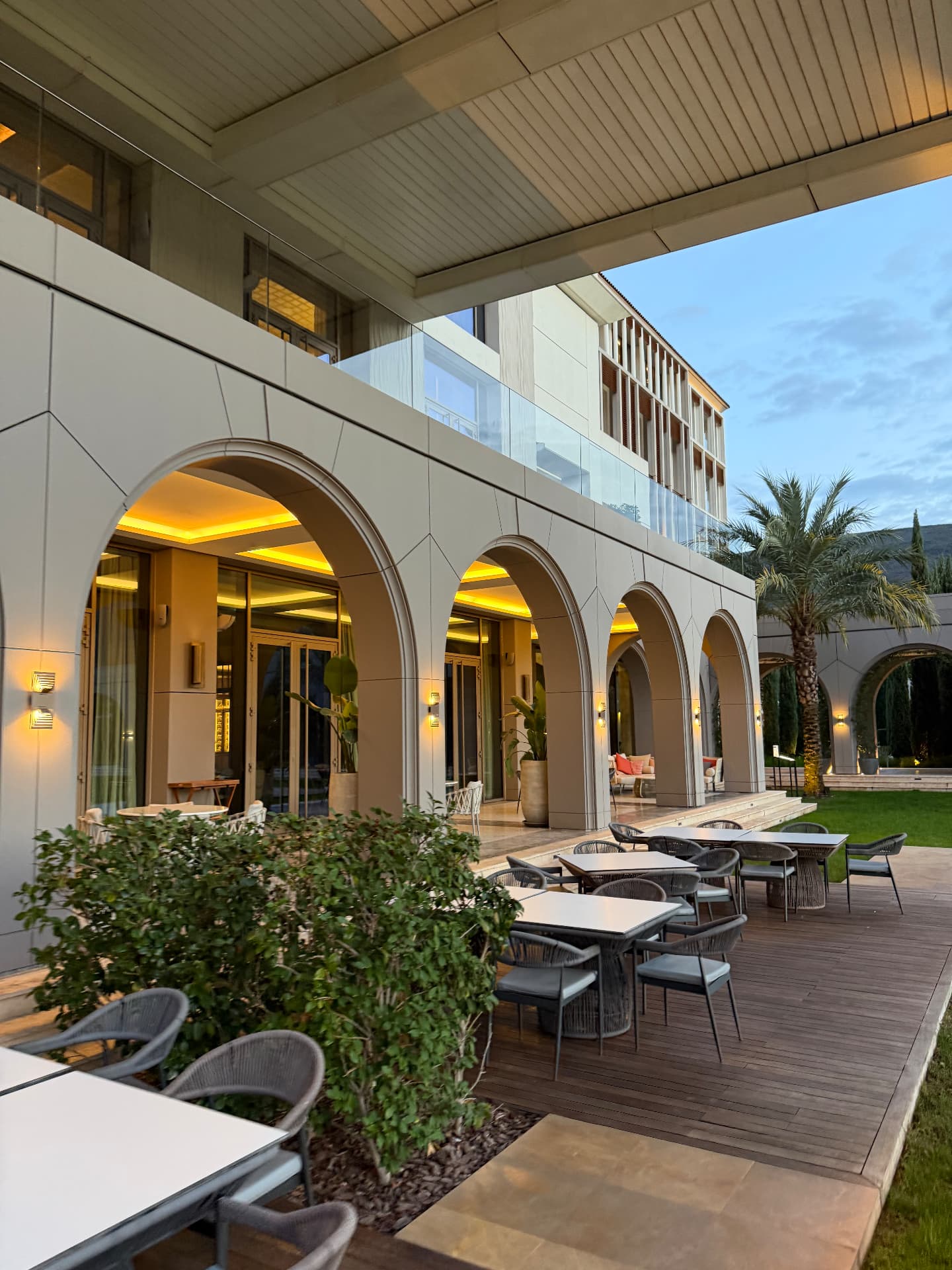
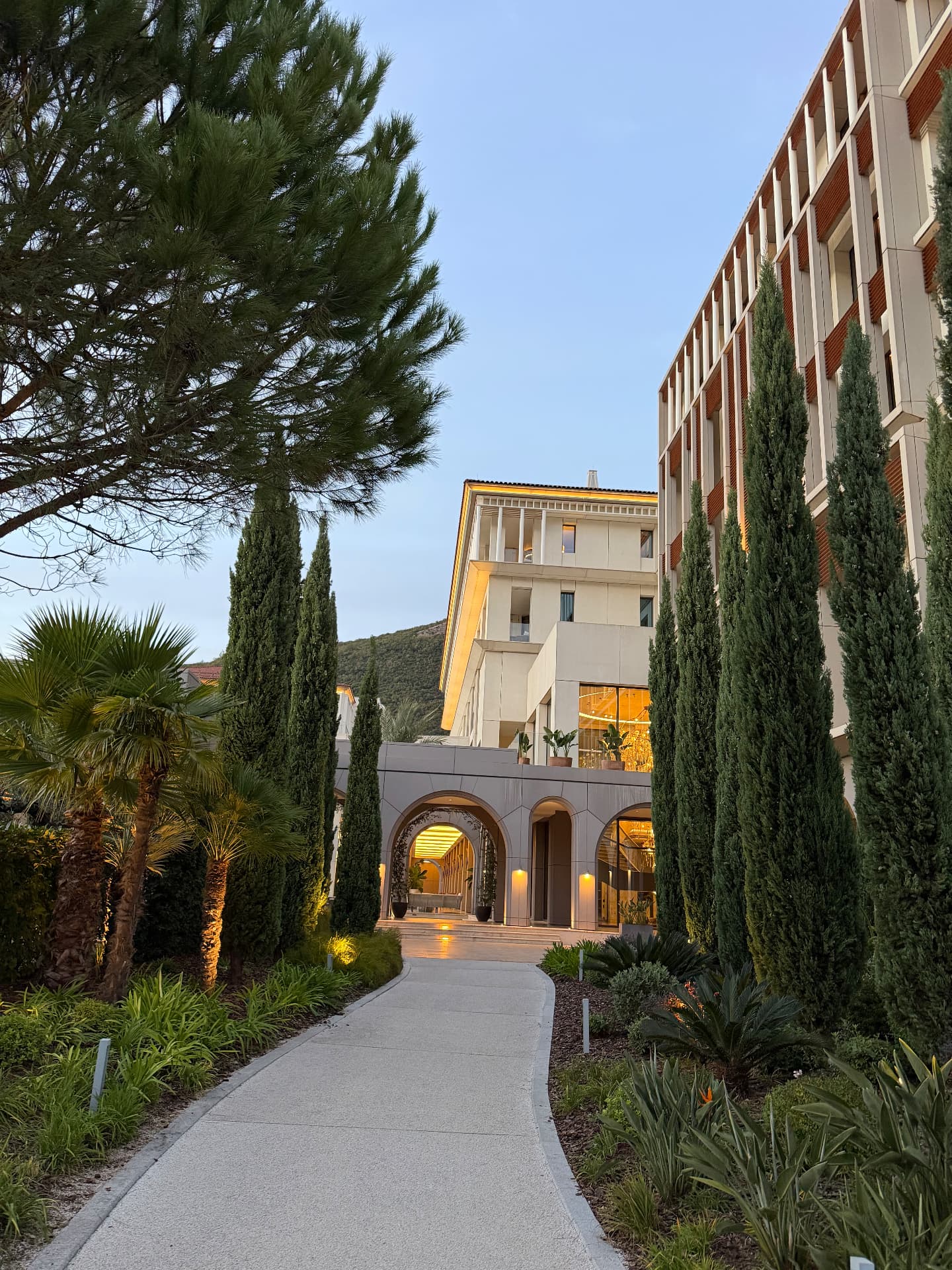
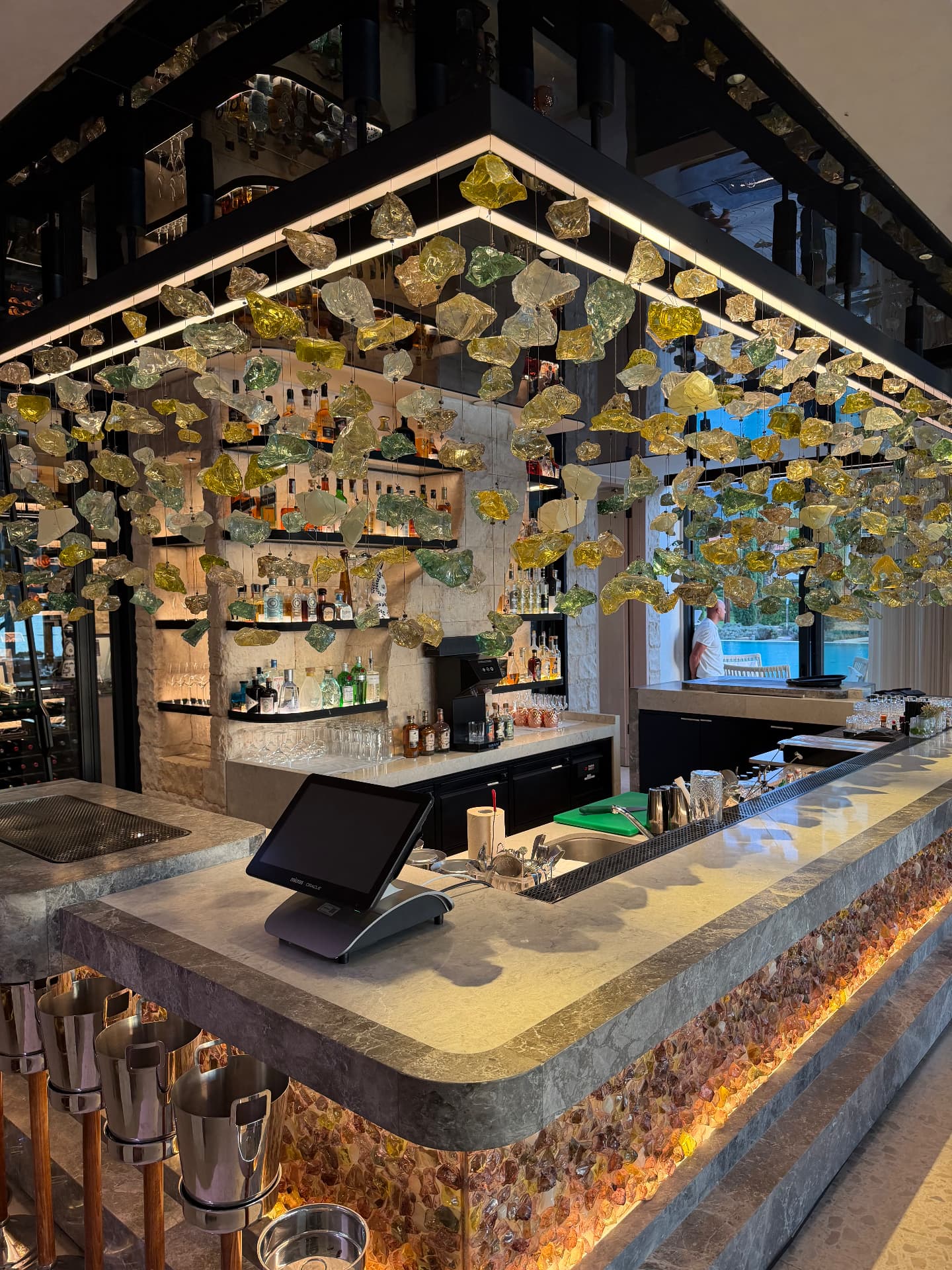
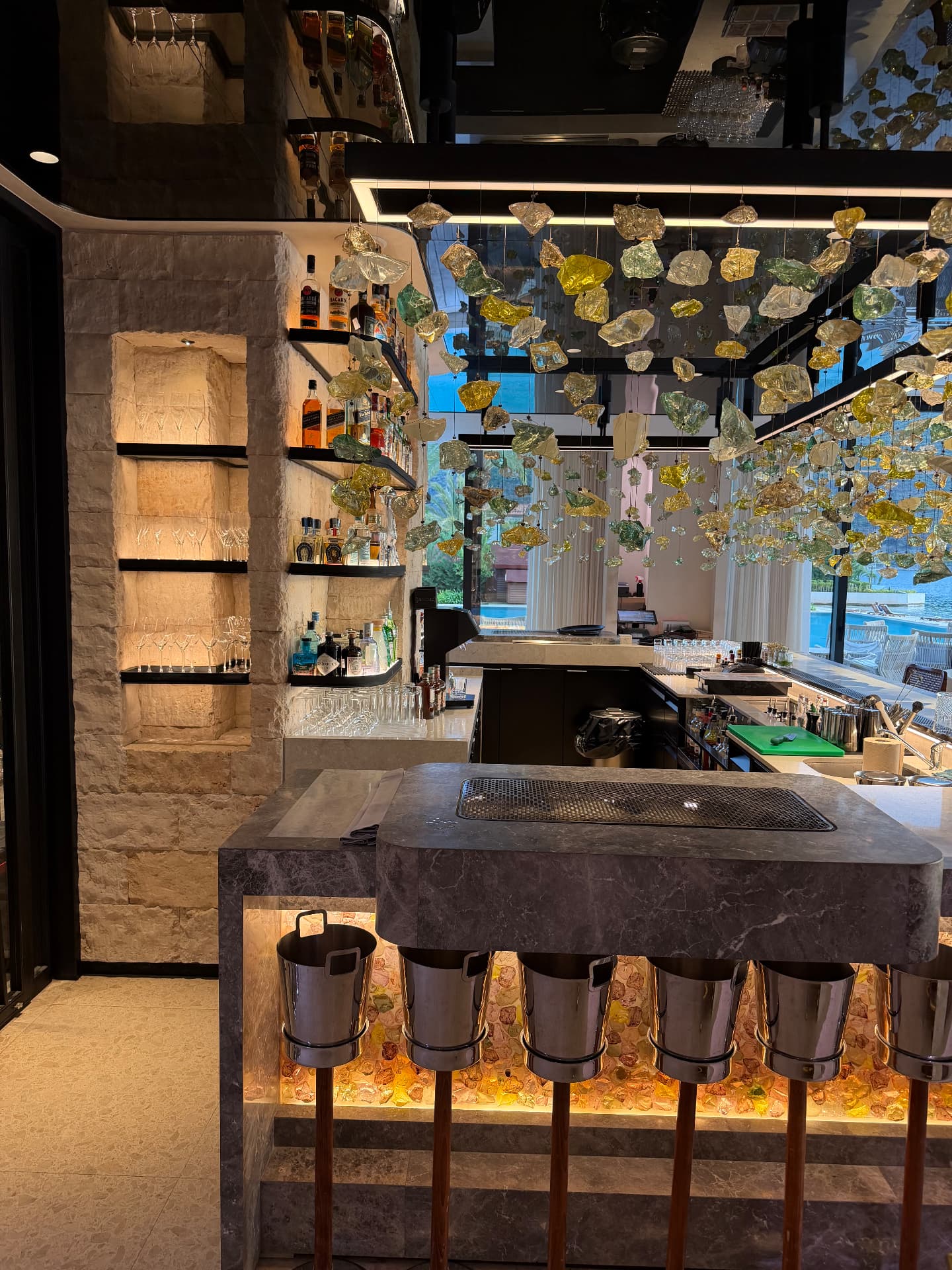
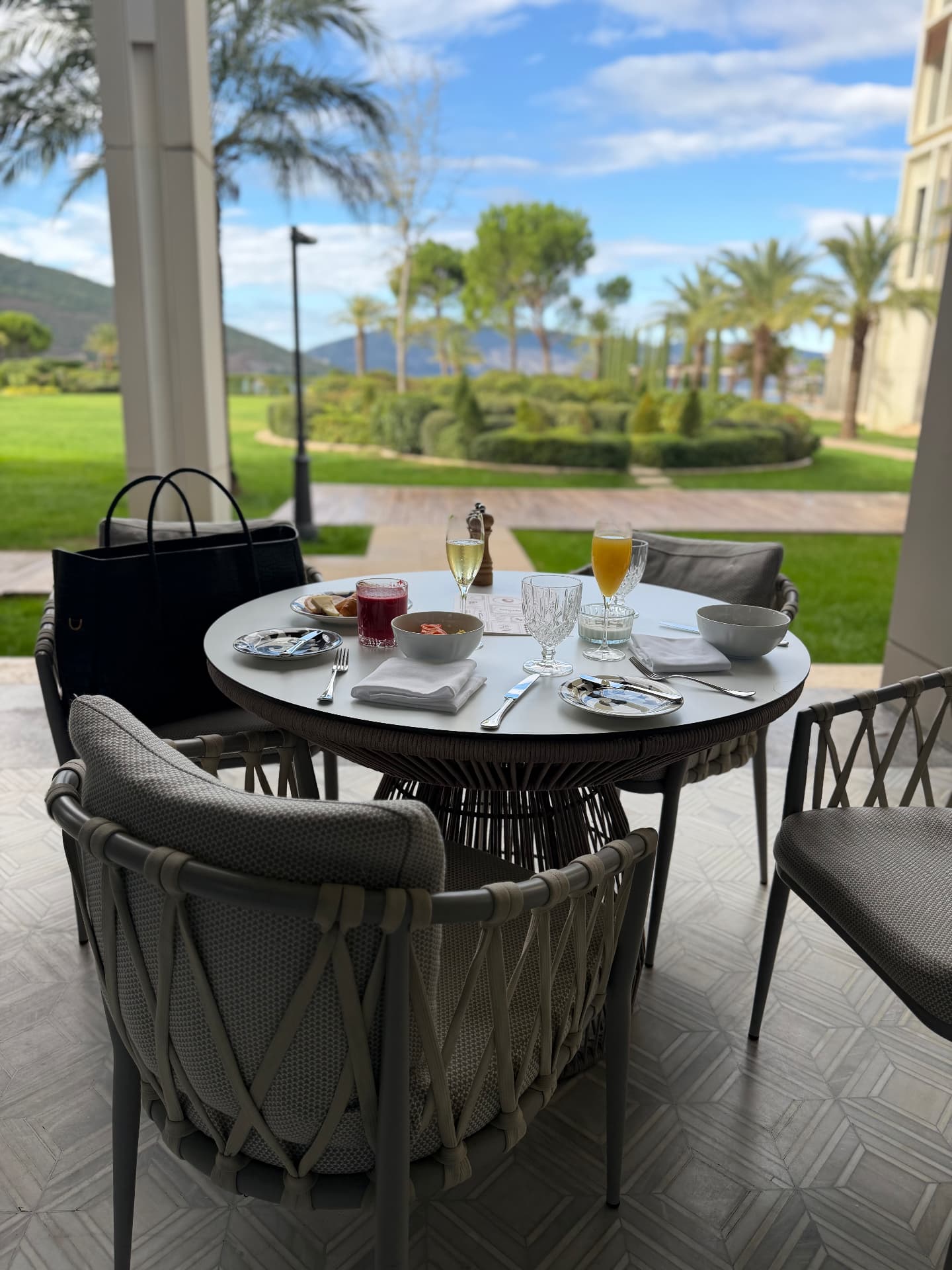
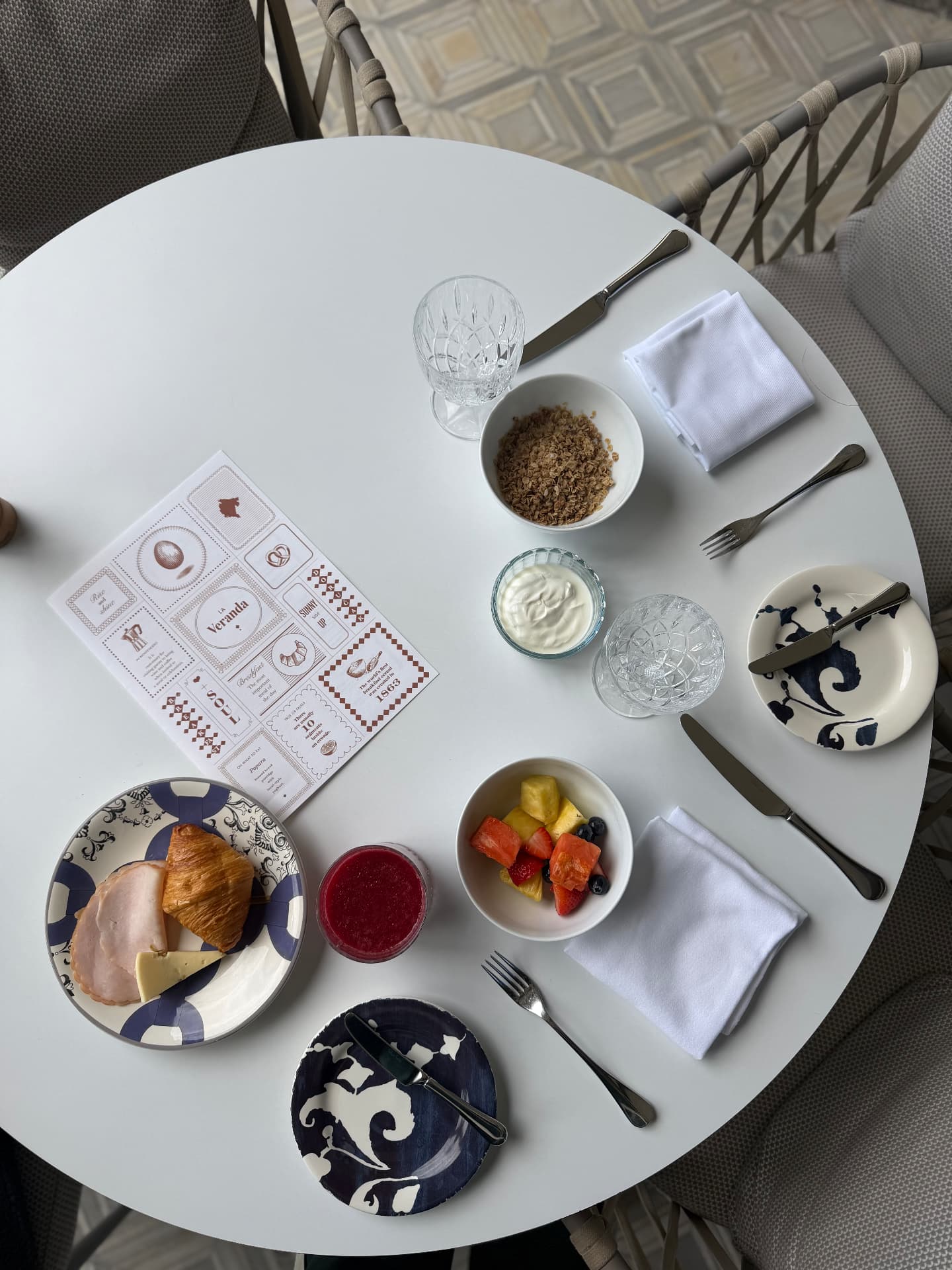
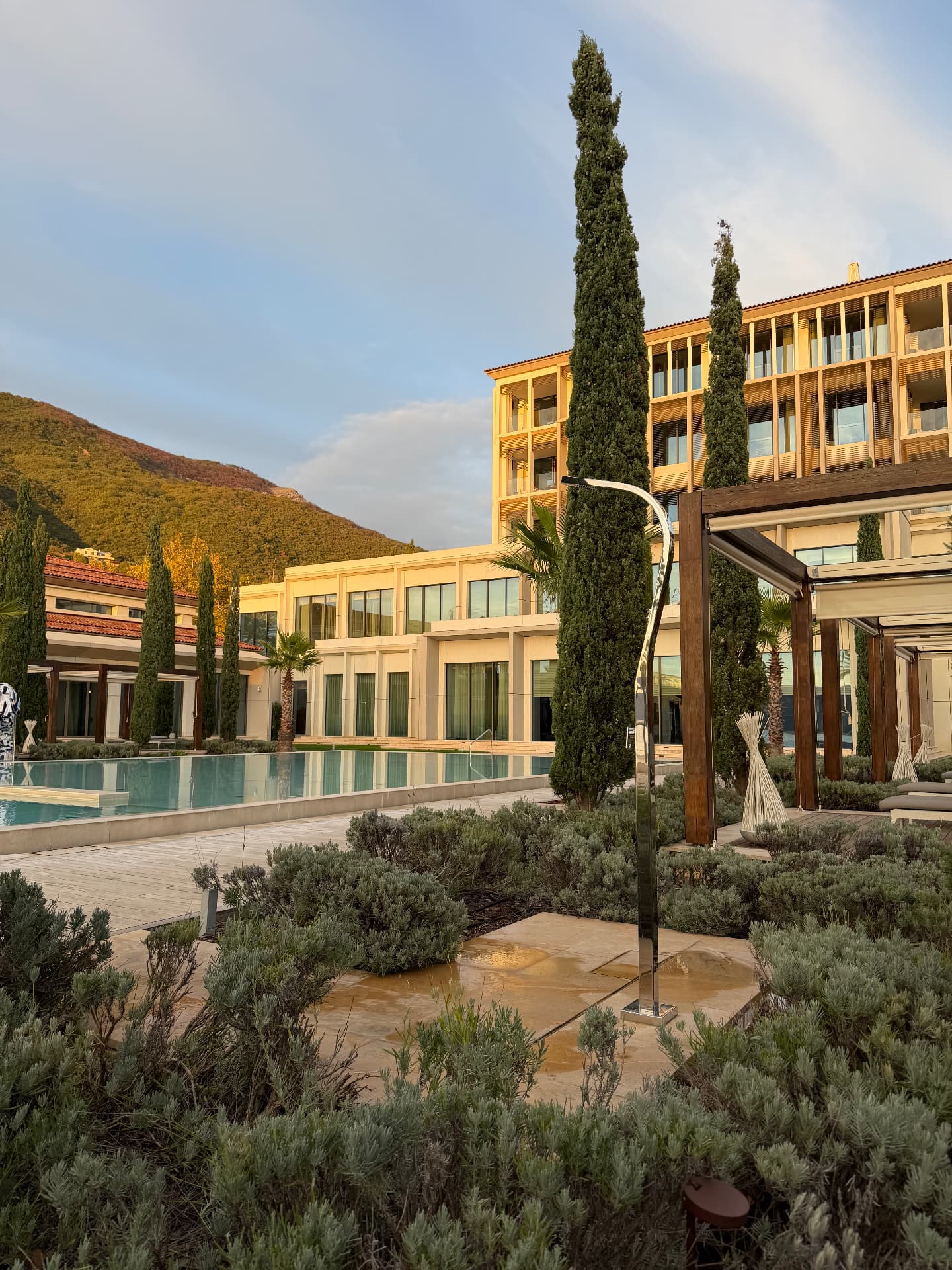
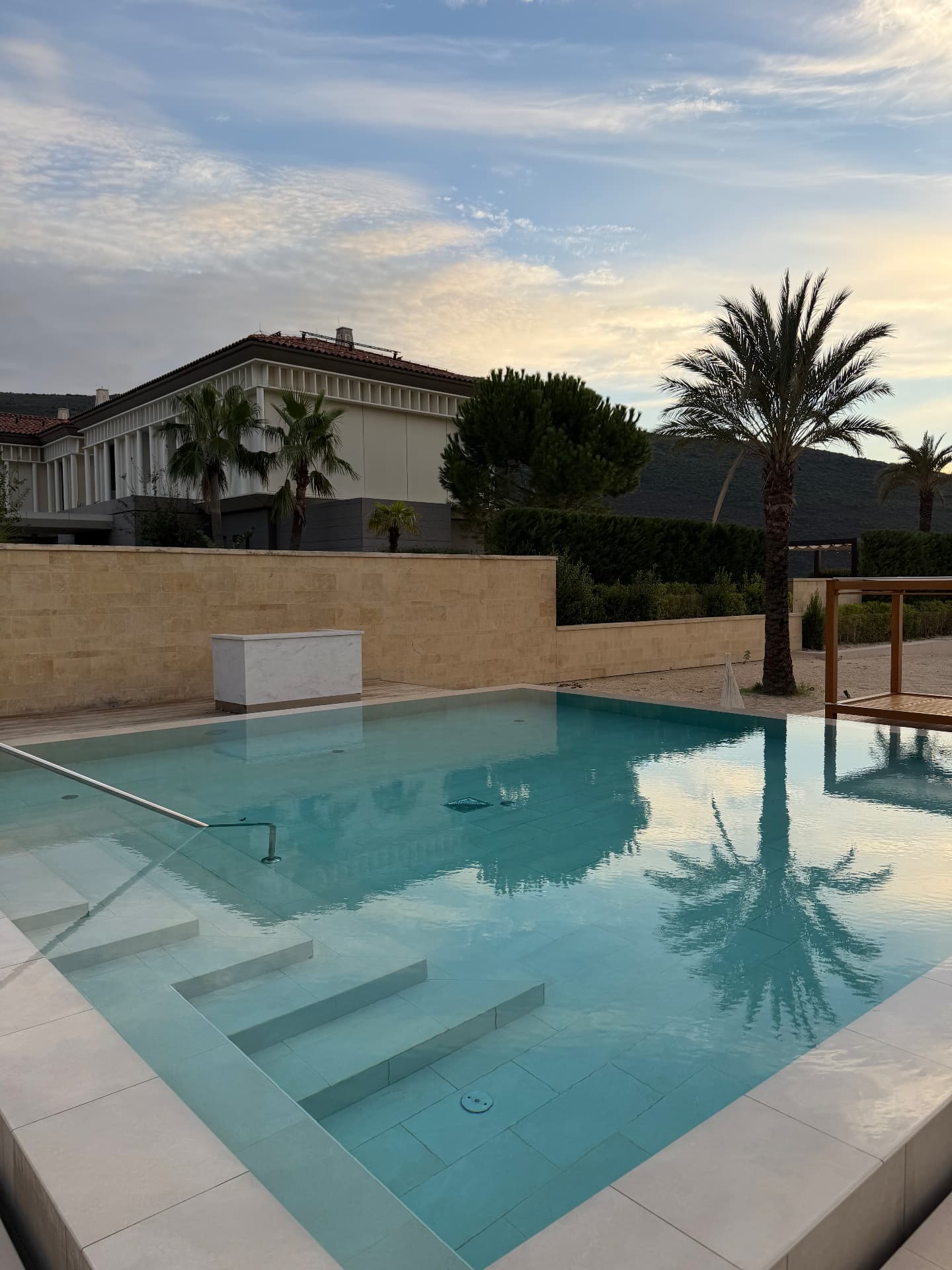
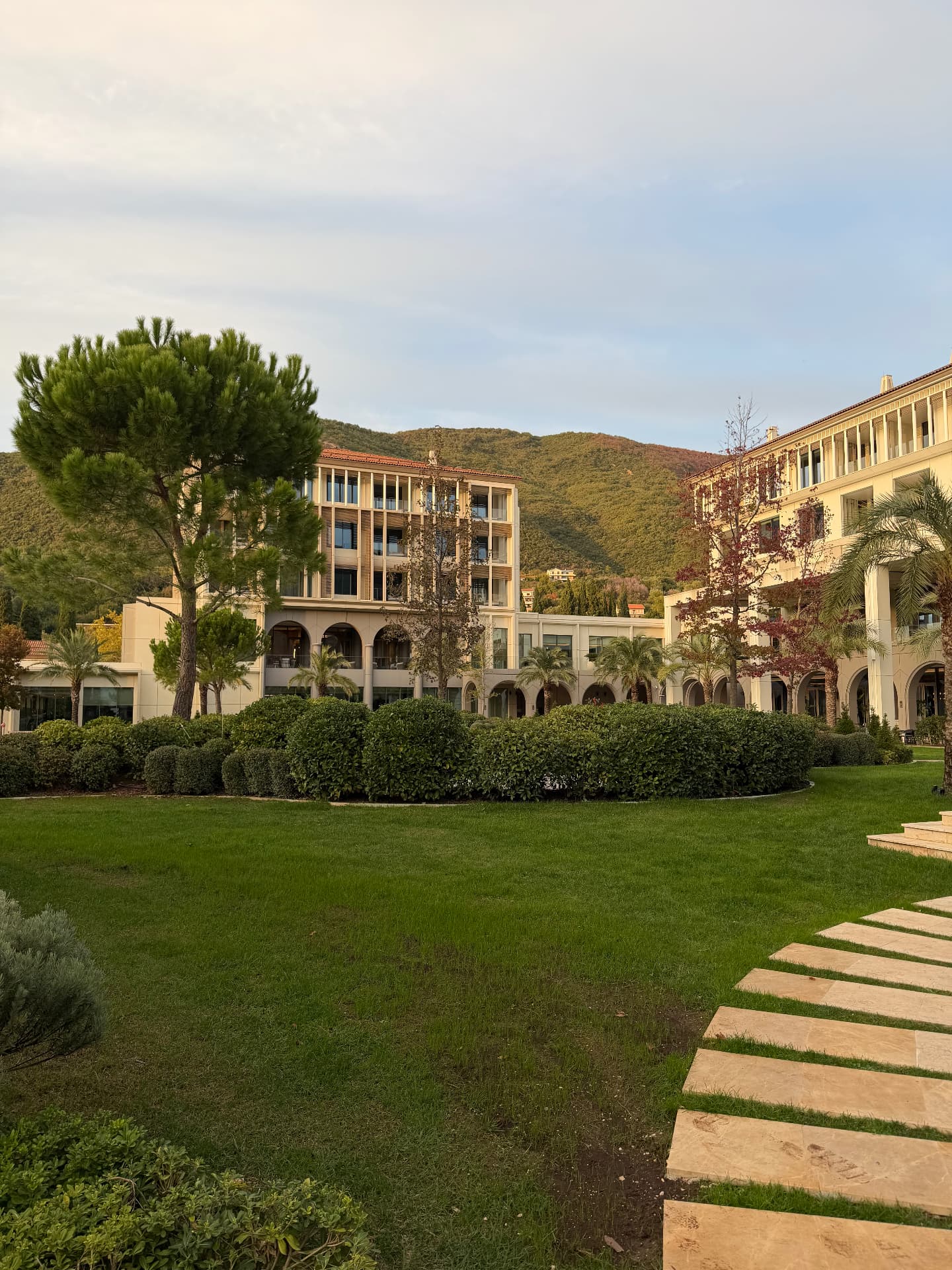
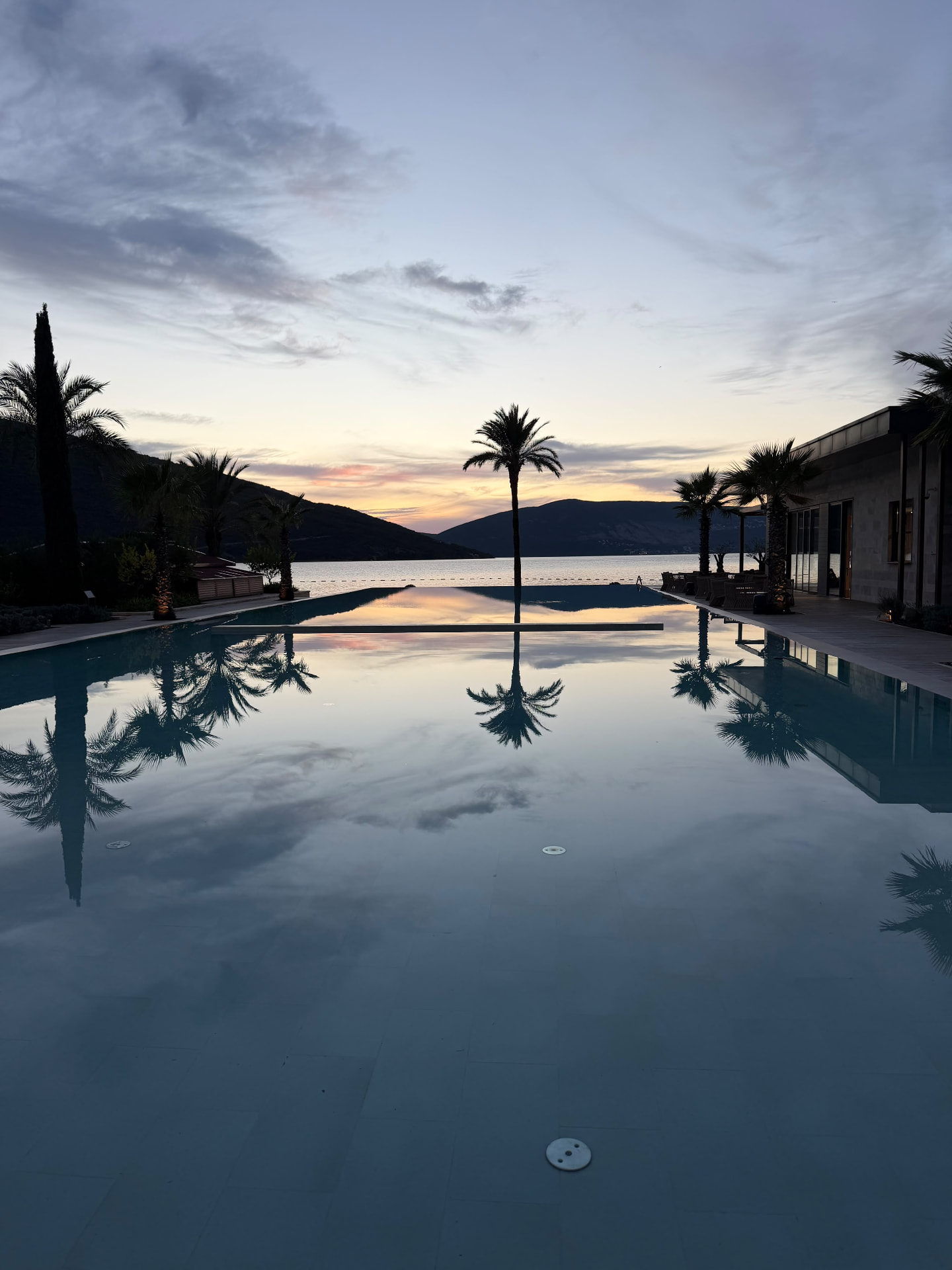
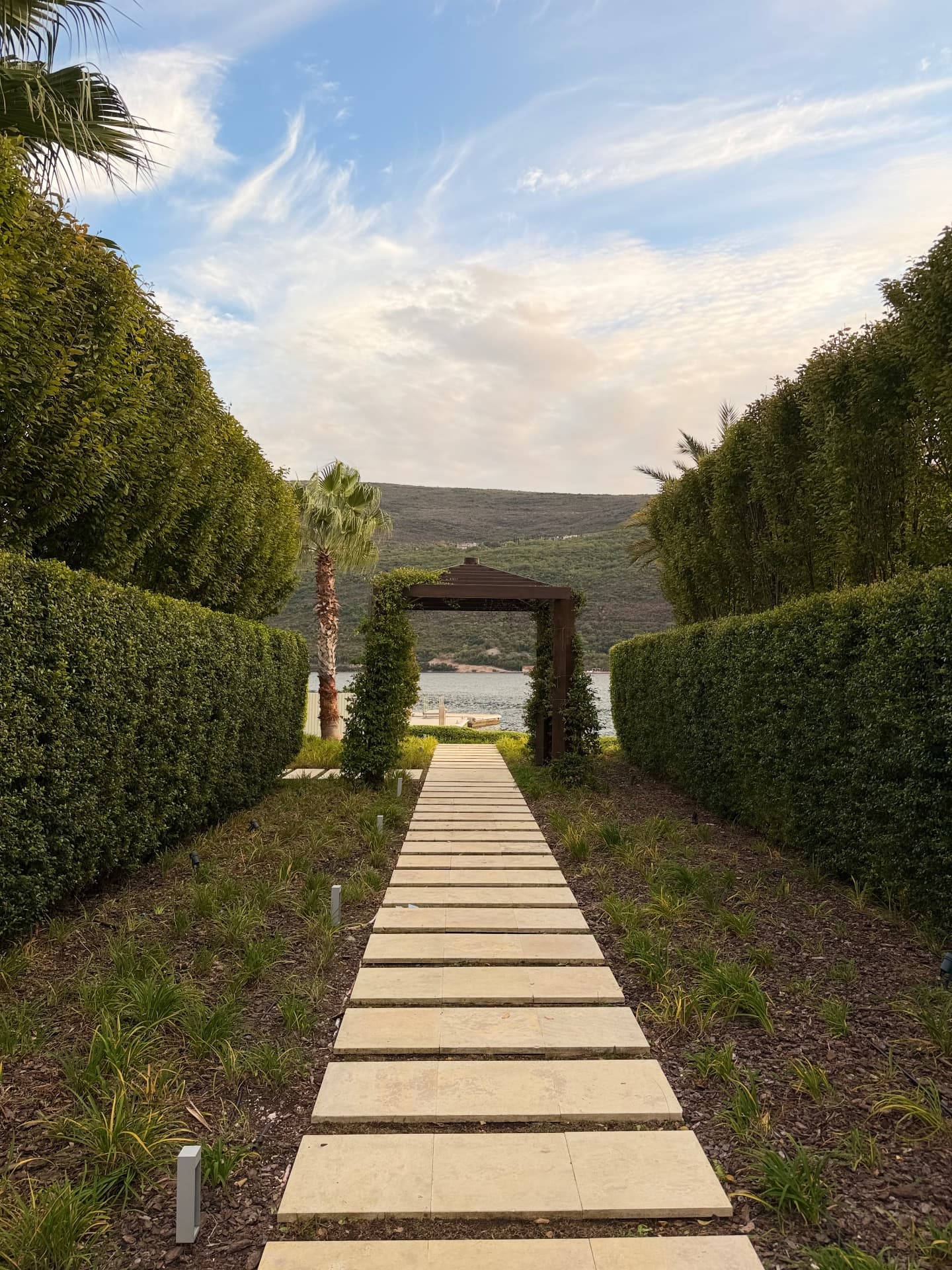
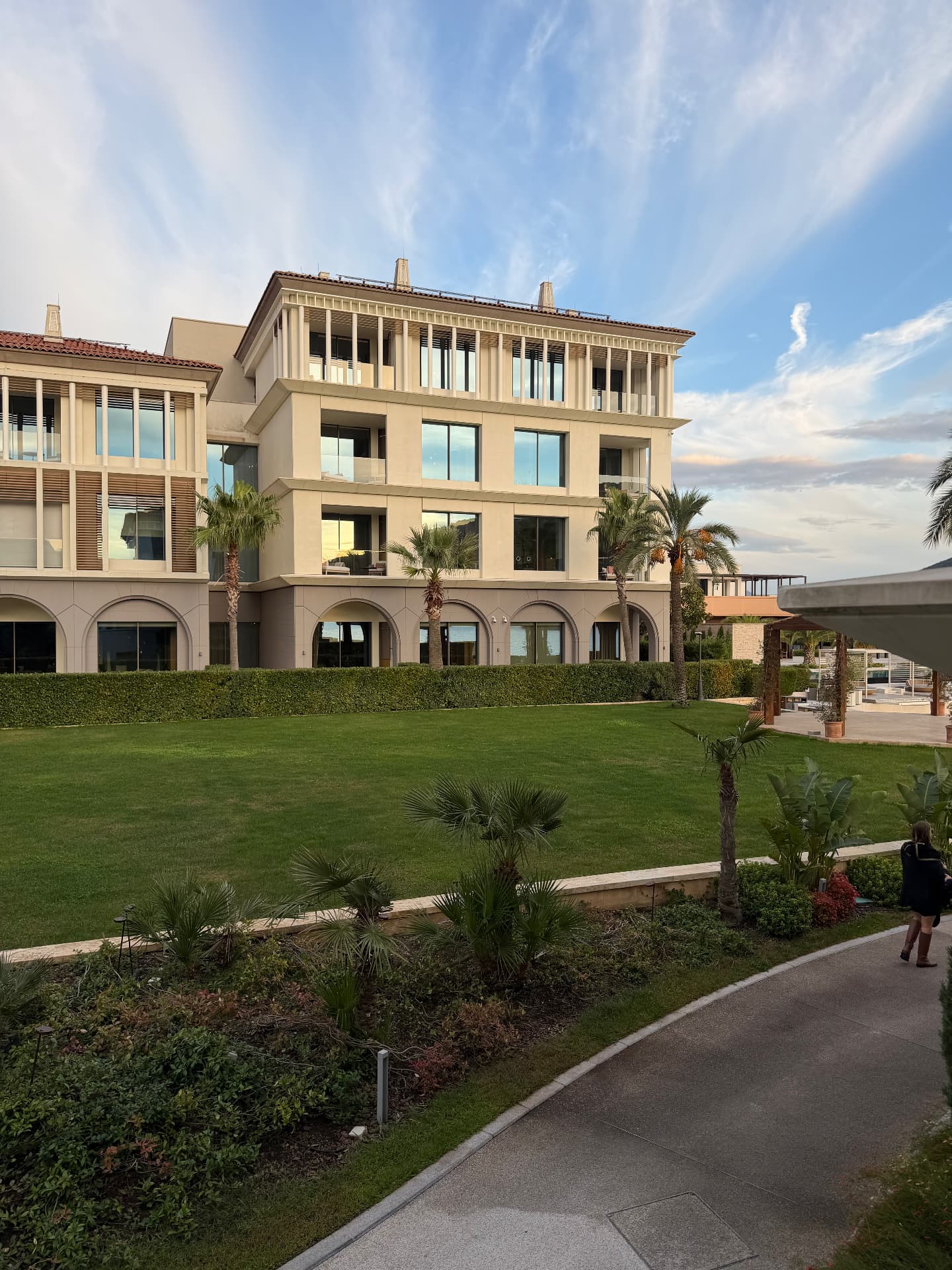
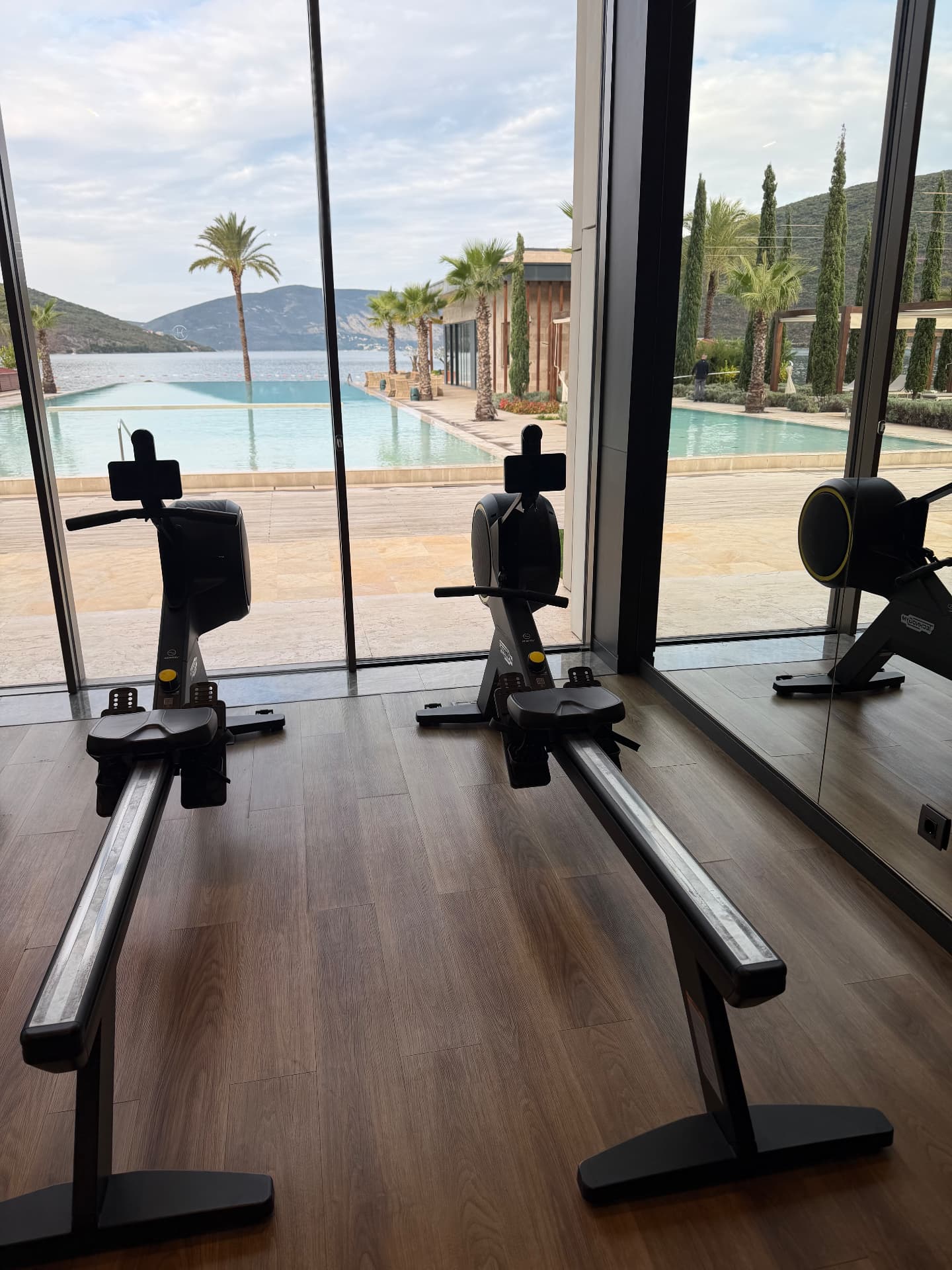
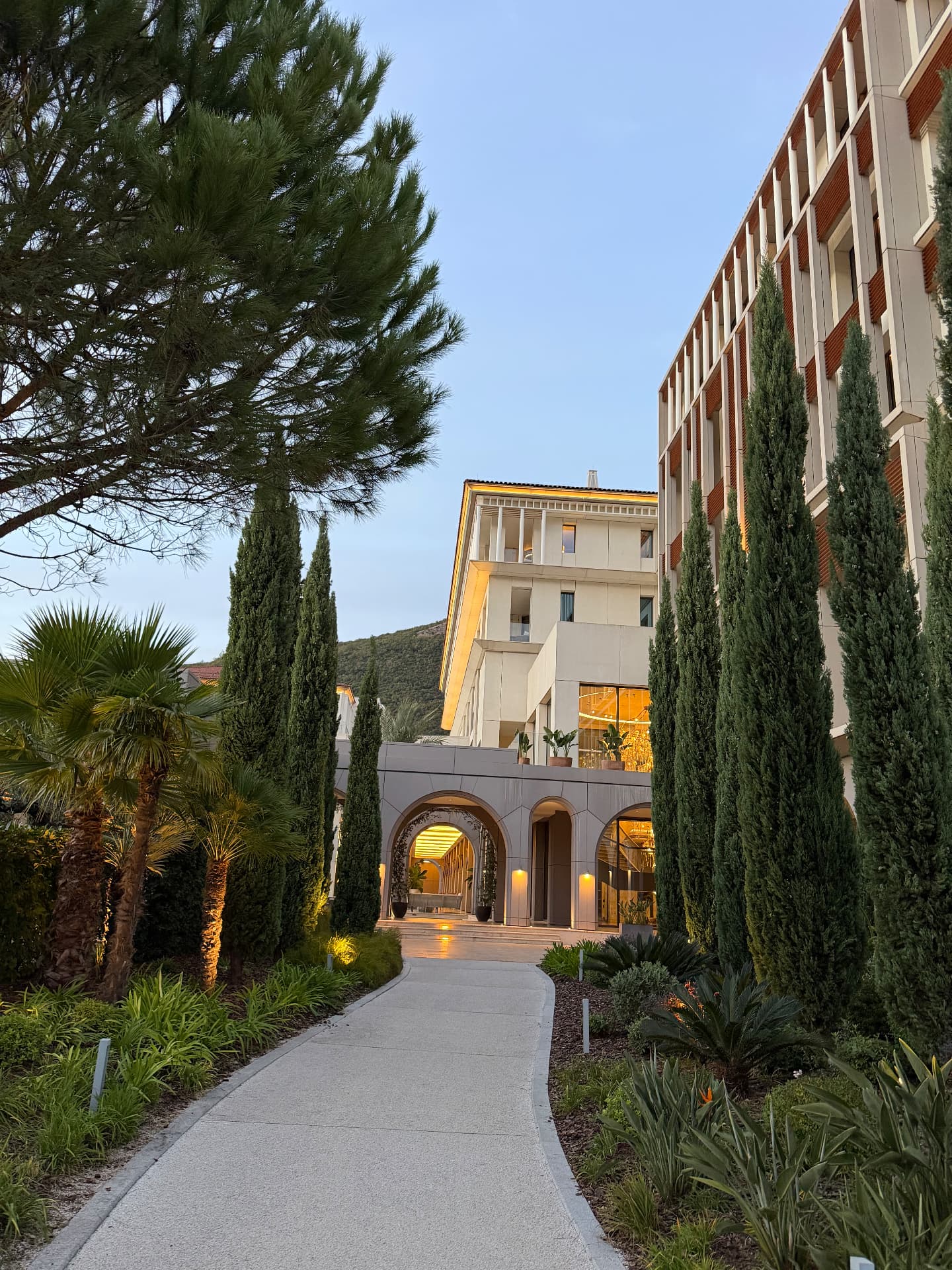
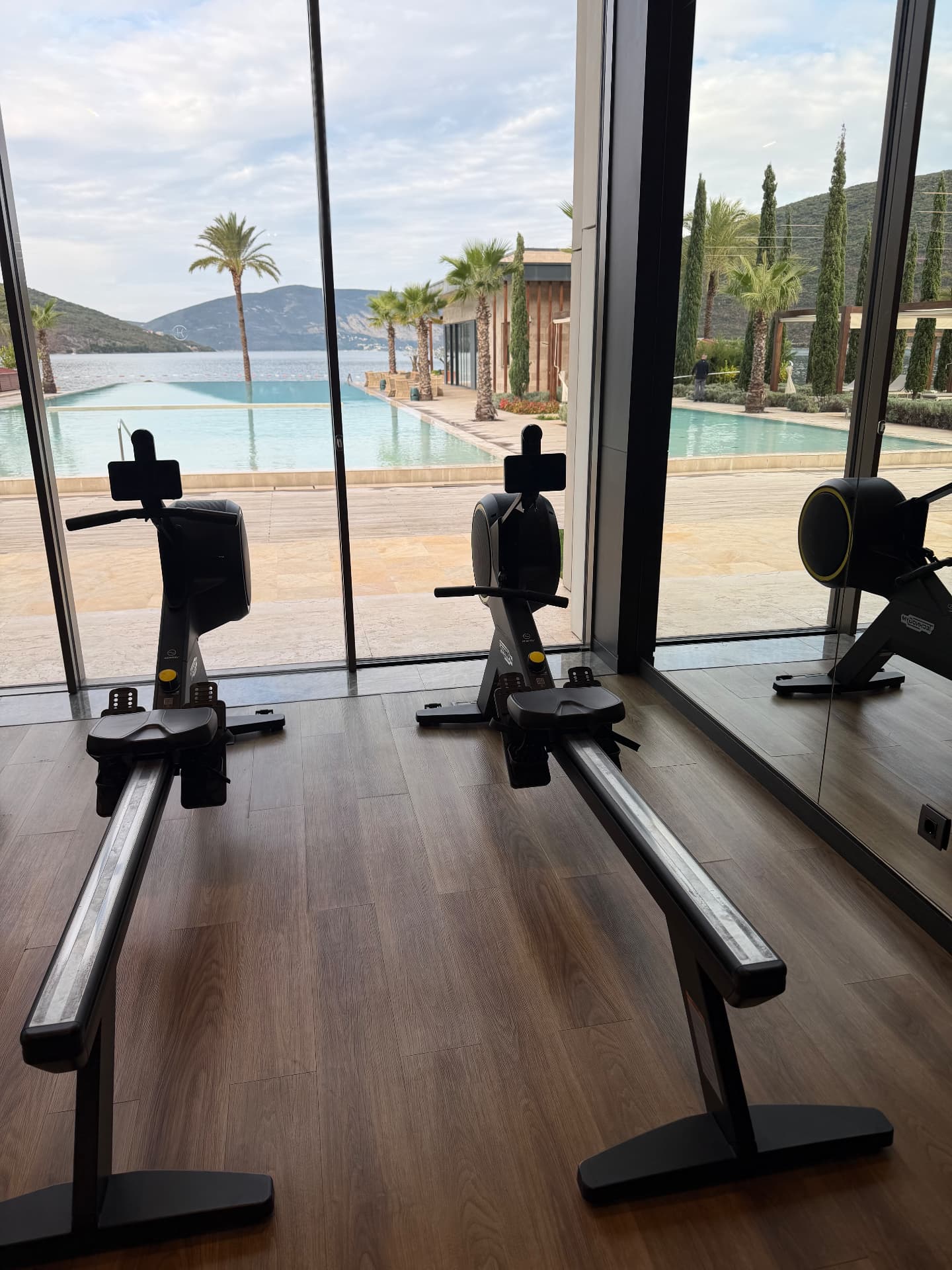
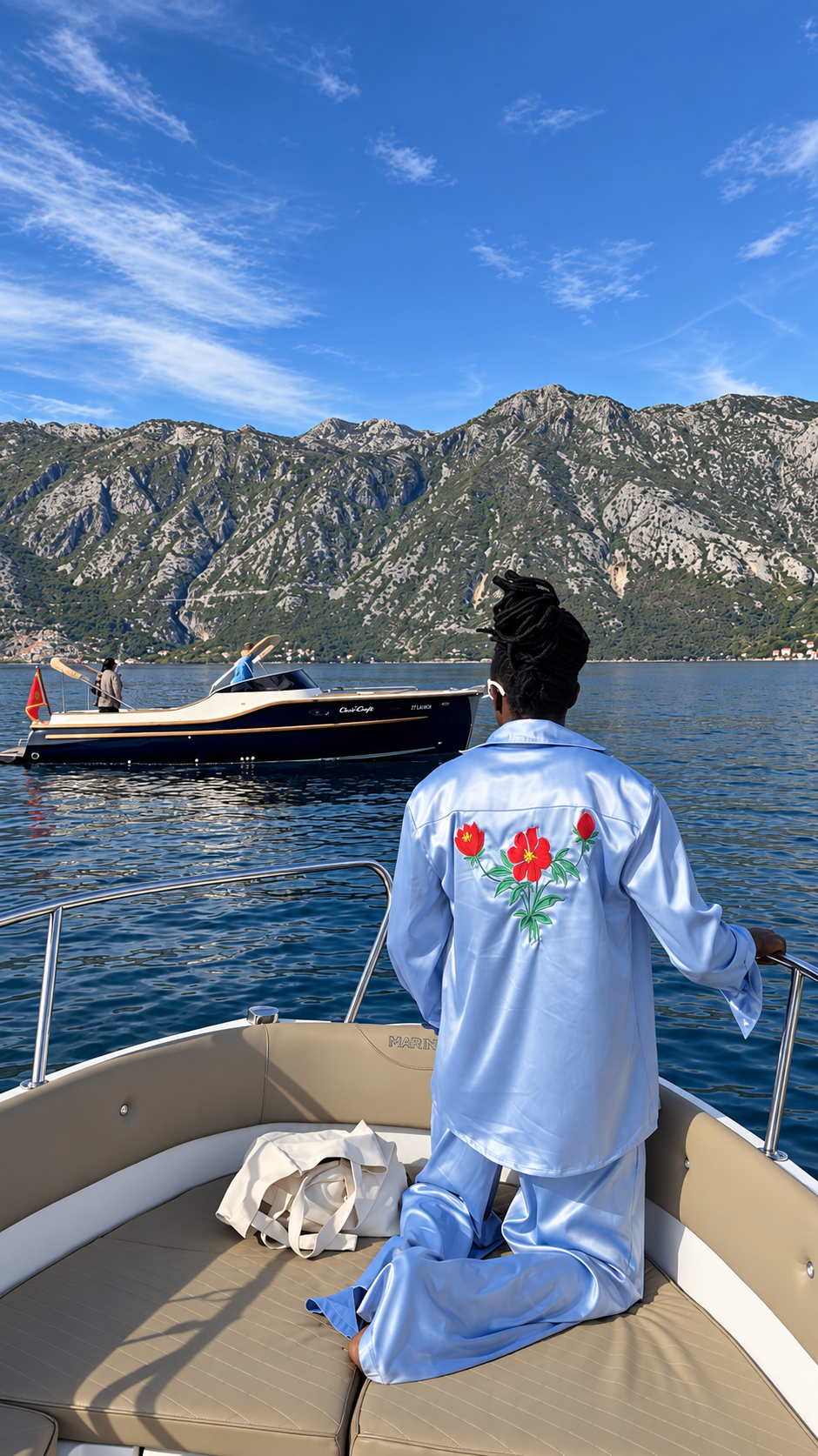
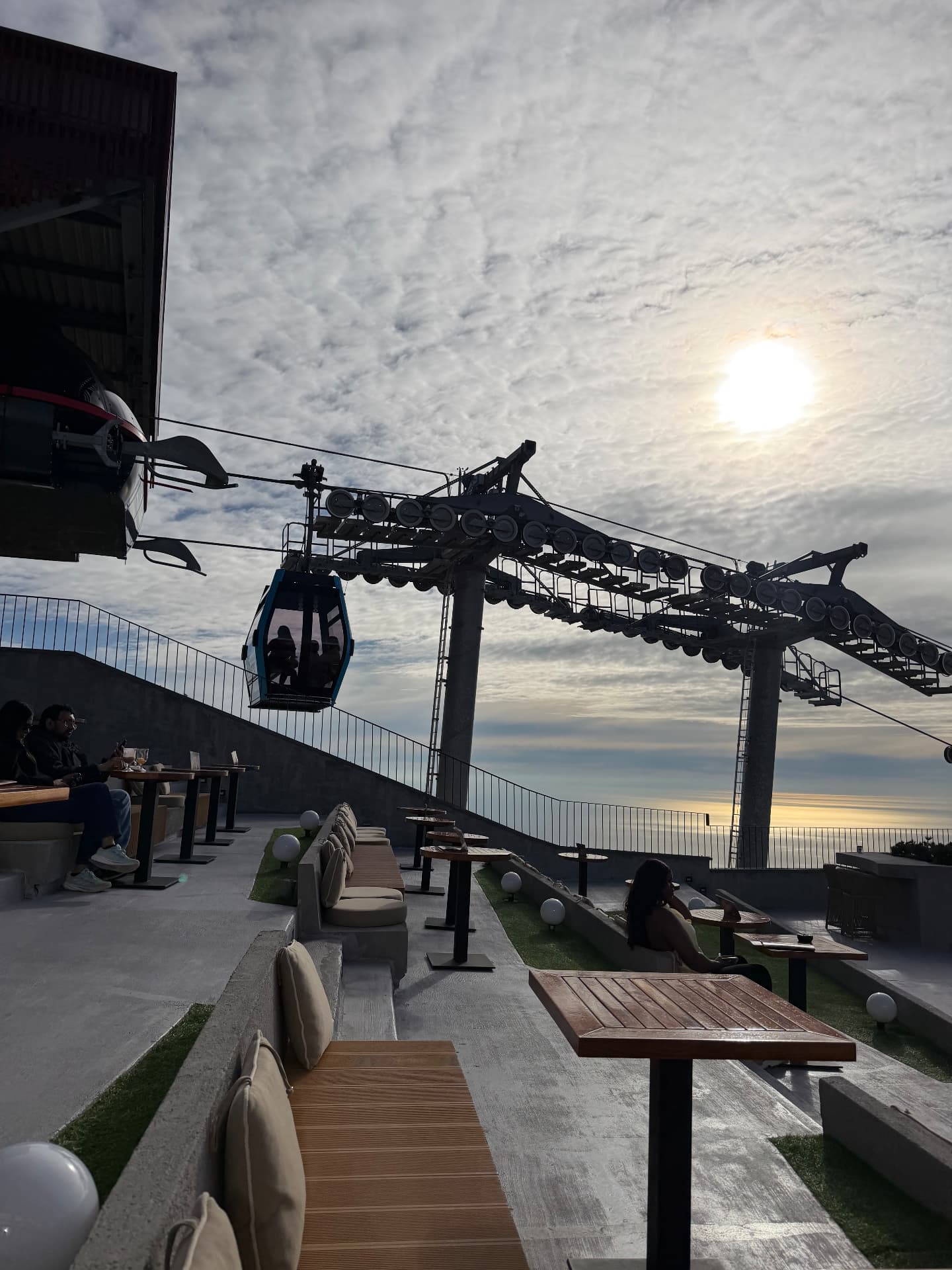
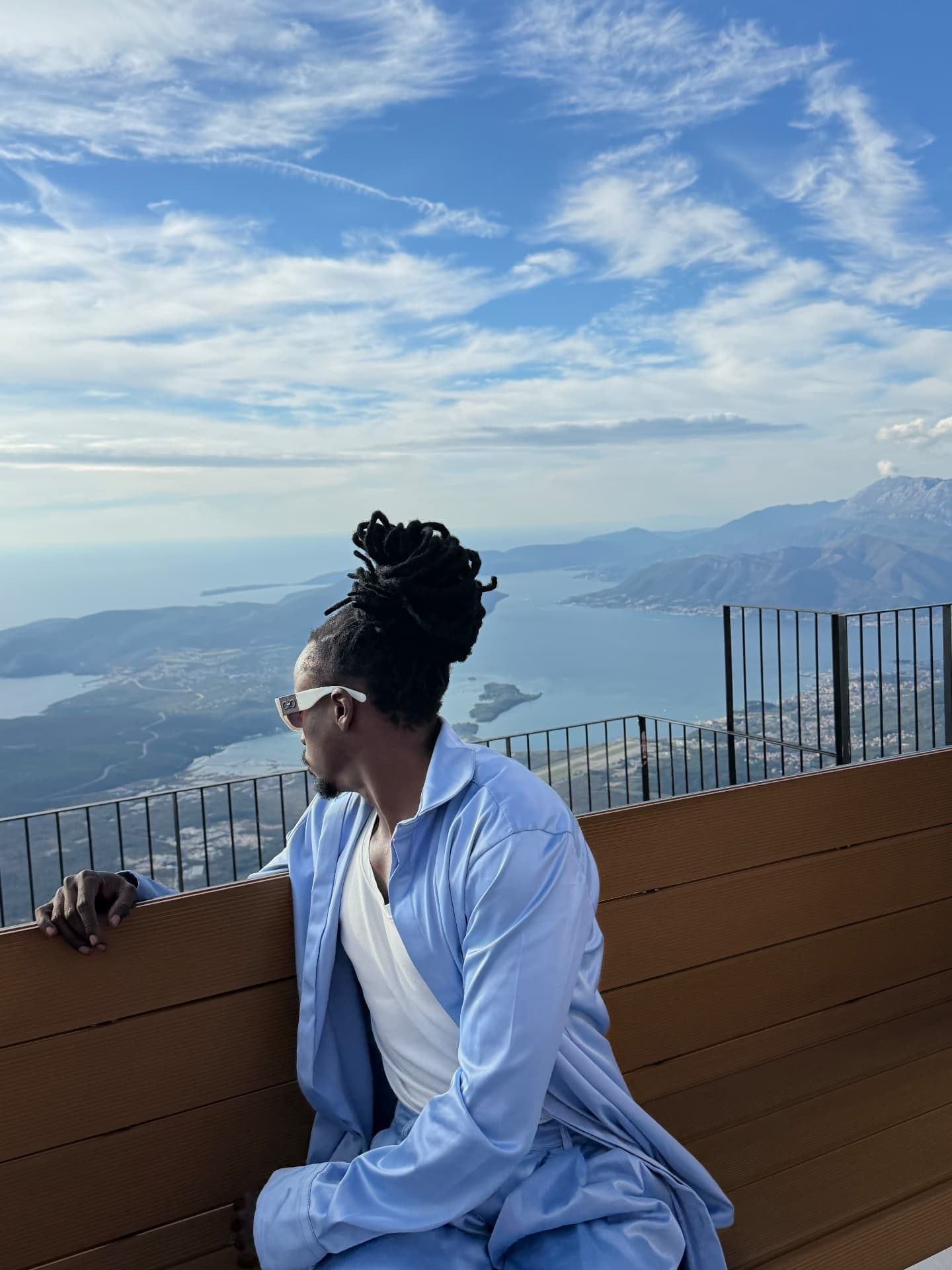
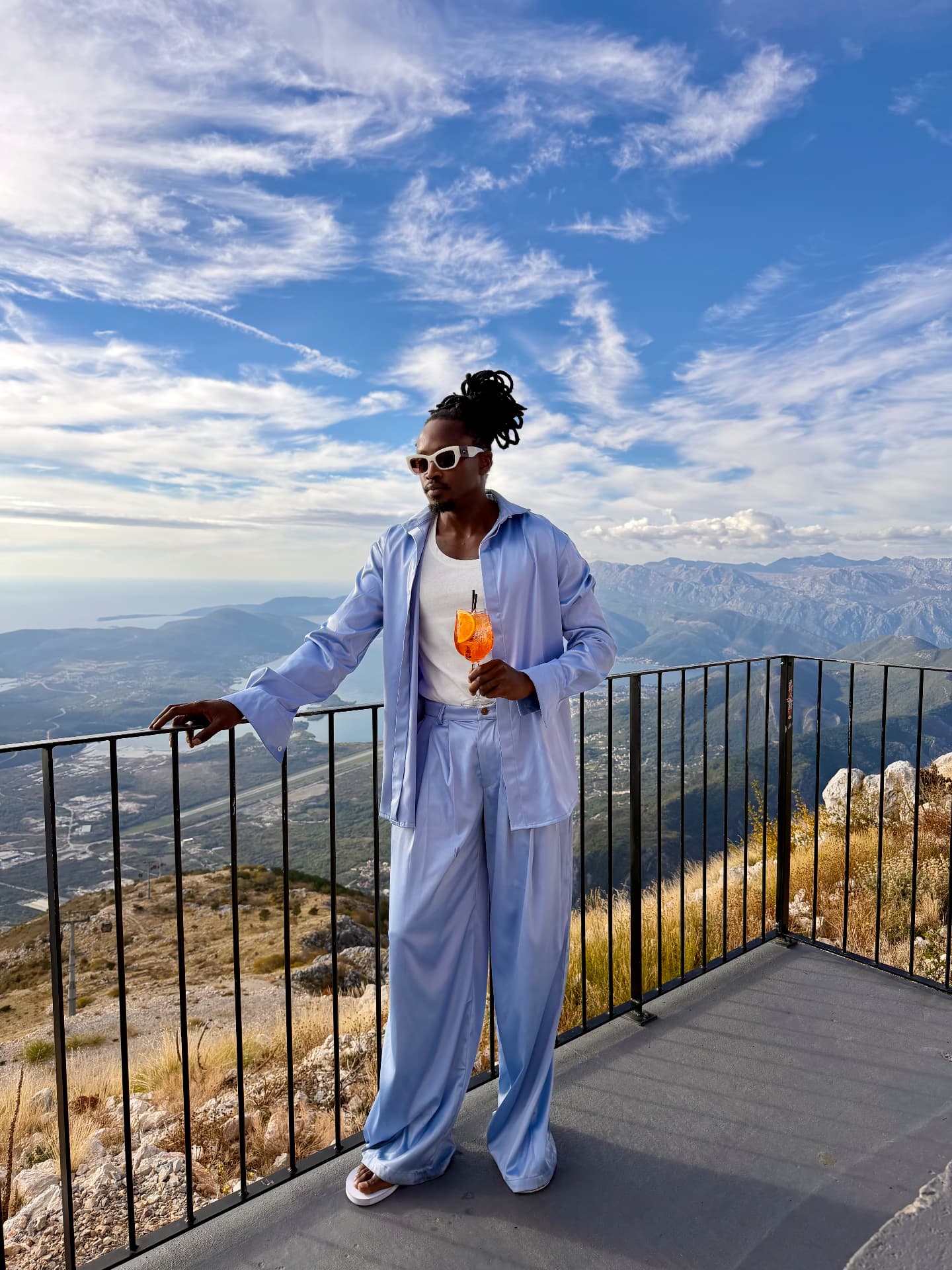
The road south was half the adventure — a four-hour drive from Split, hugging the Dalmatian coast the whole way, with a lunch stop at Panorama on Mount Srđ, the terrace looking straight down over Dubrovnik's walled old town and the glittering Adriatic. Then on across the border into Montenegro, where the reception at One&Only Portonovi was amazing and the hotel itself simply stunning — colonnaded facades, cypress gardens and the still waters of the UNESCO-listed Bay of Kotor, ringed by mountains and old stone towns like Kotor and Perast. Inland, Durmitor National Park rises into peaks, canyons and glacial lakes. The culture is warm and Orthodox Christian in the main, with Catholic and Muslim heritage along the coast; dress modestly in monasteries and churches.